
Some films announce themselves loudly. Katsuhito Ishii’s The Taste of Tea does the opposite. It drifts in, now newly restored, settling into the theater with a clarity and warmth that makes its long-cultivated reputation suddenly feel earned all over again. As its title suggests, this is something bitter, dry, and unmistakably acquired, a film that benefits enormously from being revisited in the right conditions.
The director supervised HD restoration, opening this spring feels less like a polish job and more like an invitation. Ishii’s film has always lived in small gestures and peripheral details, and seeing it in a clean, properly graded presentation reveals just how much visual care was baked into what once played as shaggy and loose. The countryside opens up. The colors breathe. The surreal elements feel less like interruptions and more like natural extensions of the world.
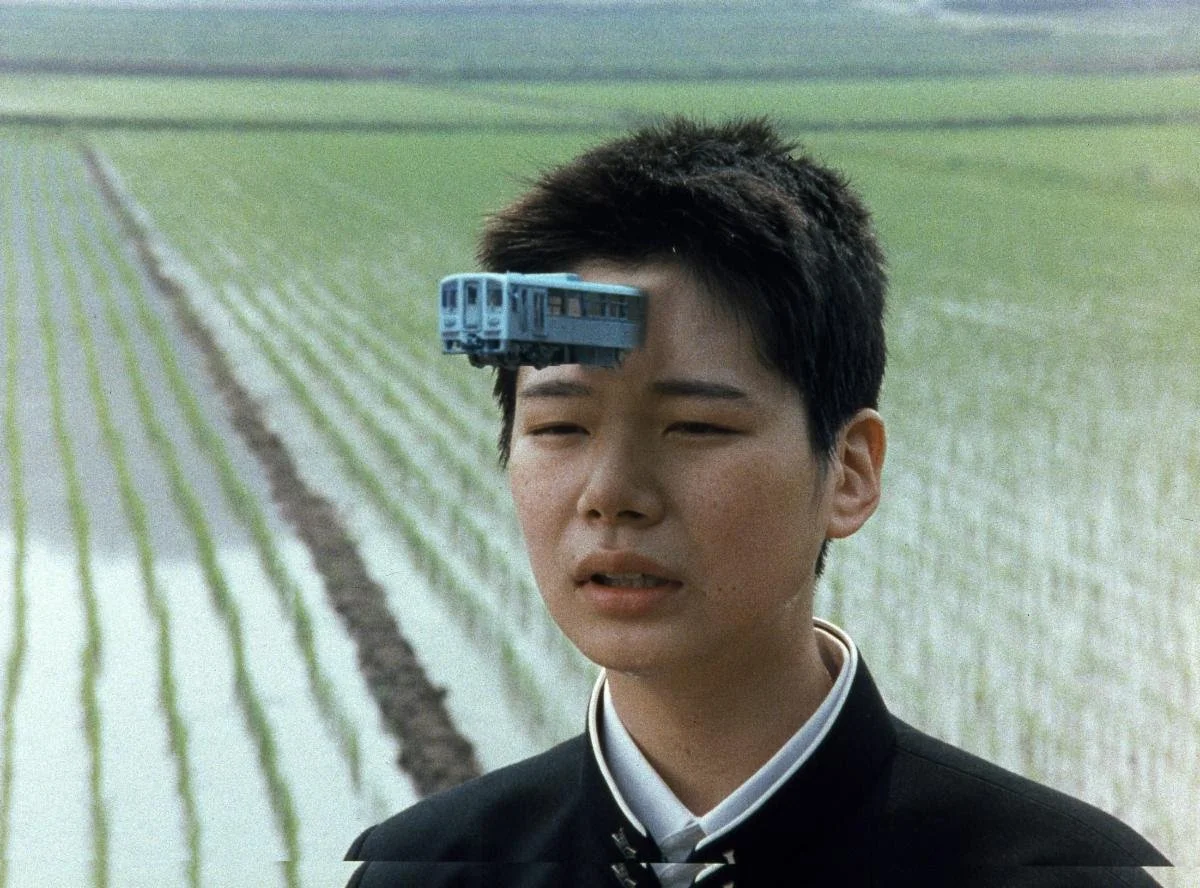
Set in rural Japan and structured as a string of loosely connected vignettes, The Taste of Tea unfolds with a confidence that borders on indifference to conventional storytelling. There is a family here, technically speaking, but calling the film a “family drama” still sells short its wandering ambitions. Ishii treats narrative less like a roadmap and more like a collection of paths you stumble into. Characters emerge, recede, and sometimes disappear entirely, not because the script demands it but because the rhythm allows it.
What becomes clearer in the remaster is how unforced everything feels. For a film packed with surreal flourishes, giant doppelgängers, ghosts of former lovers, hypnotic trances, musical numbers, and animated digressions, it never strains for attention. The restored image underscores how casually these elements are staged. Nothing is spotlighted. Nothing is italicized. The magic is embedded in everyday spaces, and in HD, those spaces finally have the texture they deserve.
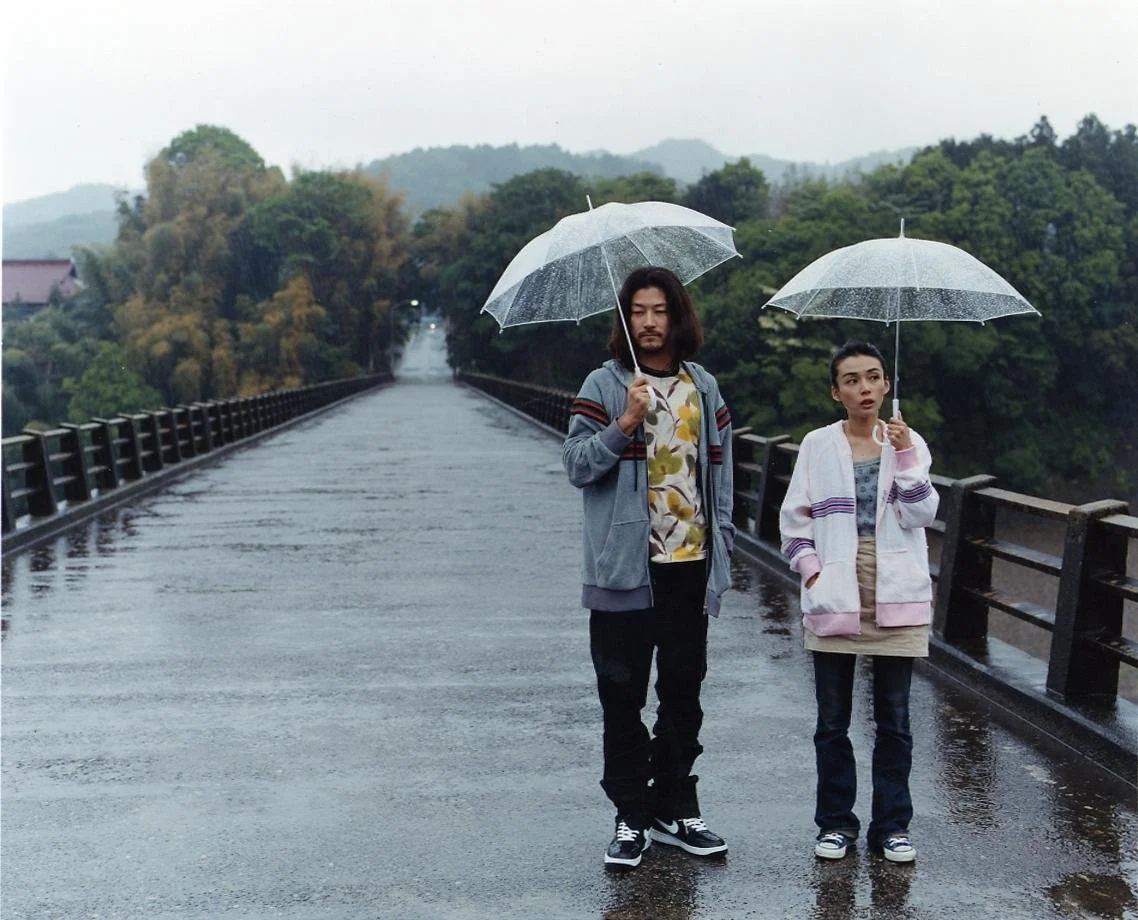
There is an unmistakable dreaminess here, one that benefits greatly from theatrical presentation. Ishii’s wide compositions and gentle camera movements play differently when allowed to sprawl across the screen instead of being compressed into home video murk. The film recalls something like Little Miss Sunshine filtered through rural Japan, or a Wes Anderson film without the rigid framing or self-conscious cleverness. The whimsy is present, but it is never precious, and in this restoration, it feels more grounded than ever.
At the center of it all is a deep affection for its characters. The eccentric artist mother, the quietly uncanny hypnotherapist father, the hormonally stranded teenage son, the young daughter haunted by a silent, towering version of herself, the grandfather stuck half in memory, half in process, and the uncle adrift in unresolved emotion all benefit from the clarity of the new master. Facial expressions land more cleanly. Background behavior becomes part of the story rather than visual noise.
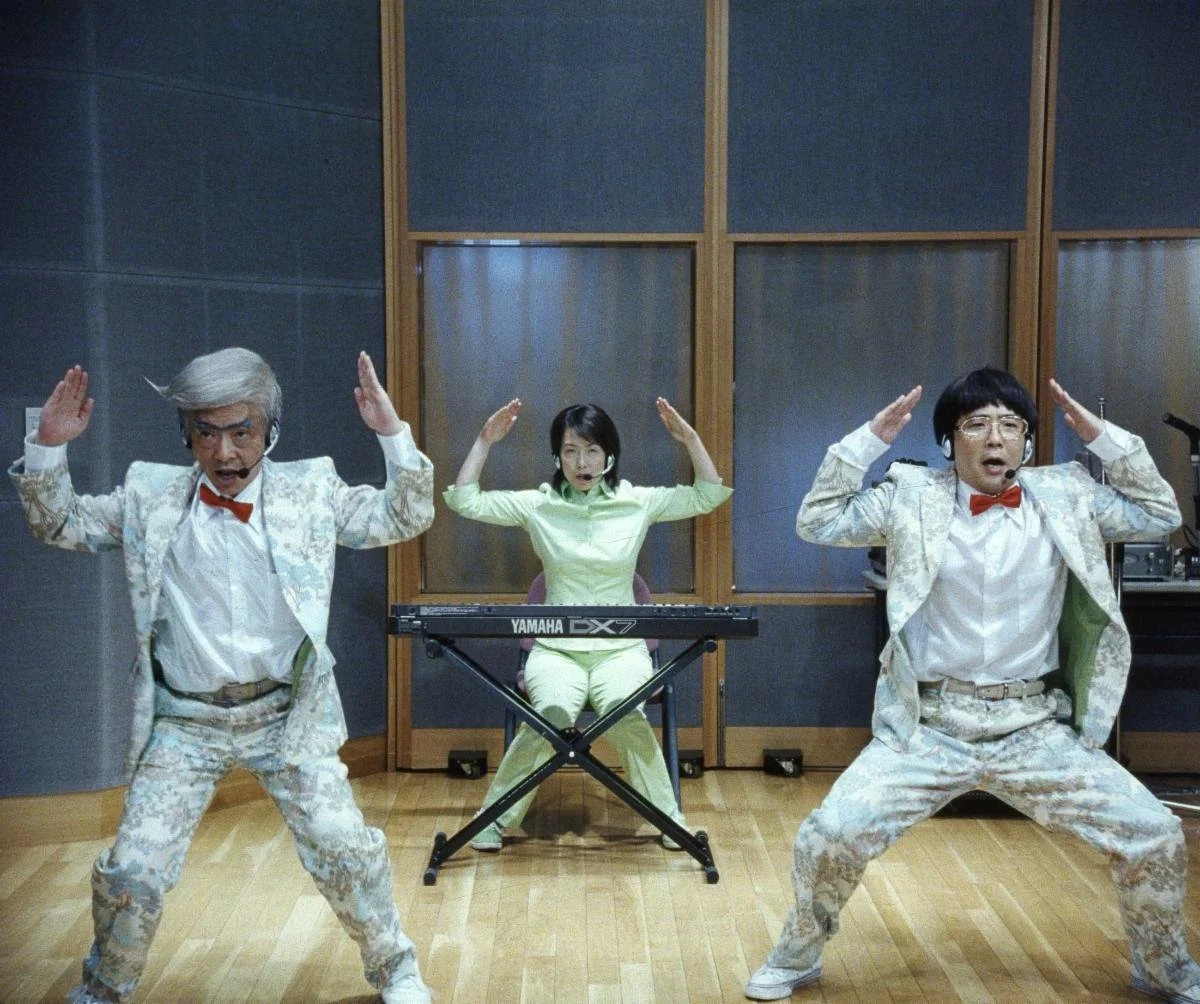
The remaster also highlights Ishii’s restraint. These actors are rarely pushed for laughs, and the humor often plays out in pauses, in withheld reactions, or in simple framing choices. The film’s patience is its defining trait, and seeing it restored reinforces how intentional that patience is. This is not slack filmmaking. It is deliberate looseness, and the HD restoration makes the distinction clearer than before.
That same patience remains the film’s biggest hurdle. At 143 minutes, The Taste of Tea is still unapologetically indulgent. The sharper presentation does not solve the pacing, and Ishii’s digressive tendencies remain divisive. Some vignettes resonate deeply, others feel like pleasant detours that overstay their welcome. Even so, the improved image gives those detours a tactile appeal they previously lacked.
Where the film ultimately lands, and where the restoration proves its worth, is in its refusal to chase narrative payoff. Growth is slow, sometimes almost invisible. Emotional shifts happen through symbols, repetition, and quiet accumulation rather than cathartic scenes. In a pristine presentation, those patterns become easier to trace, turning what once felt merely meandering into something closer to a mood-based structure.
Visually, this restoration allows Ishii’s background in animation and visual storytelling to fully register. Surreal images slip into the frame without announcement. Jokes play in silence. Fantastical moments coexist with everyday chores. The HD master does not sensationalize these elements, but it restores their intended balance, letting them coexist rather than compete.
Ultimately, The Taste of Tea benefits enormously from being seen this way. The remaster does not suddenly make it accessible, nor does it sand down its rough edges. Instead, it restores the film’s quiet confidence and visual warmth, reminding viewers that this was always a carefully composed work hiding behind a relaxed surface. It remains an acquired taste, but now it can finally be appreciated the way it was meant to be served: warm, unhurried, and worth sitting with long after the cup is empty.
Jessie Hobson