If there was one thing that became clear during my conversation with Jess McLeod, it's that their excitement for Teenage Sex and Death at Camp Miasma and Our Effed Up World is completely genuine. There was no rehearsed industry polish and no carefully manufactured answers. What came across instead was someone deeply passionate about the people they work with, the stories they're helping tell, and the growing community of queer filmmakers carving out space on their own terms.
McLeod finds themselves at the center of two of the most exciting queer genre projects on the horizon. On one side is Jane Schoenbrun's Teenage Sex and Death at Camp Miasma, the filmmaker's follow-up to I Saw the TV Glow. On the other is Alice Maio Mackay's sci-fi horror film Our Effed Up World, a movie that combines camp, grief, friendship, and extraterrestrial terror. The projects are connected in more ways than one, and McLeod's journey between them perfectly illustrates the collaborative ecosystem that has formed around today's queer independent cinema.
Although Teenage Sex and Death at Camp Miasma arrives with the weight of expectation following the success of I Saw the TV Glow, McLeod said the script immediately surprised them.
"I was a huge fan of them from both their previous movies," McLeod explained, adding that while they expected a familiar emotional experience, Camp Miasma felt completely different. In their view, the film is "the most joyful expression that they've had so far in a movie," and they were struck by how Schoenbrun continues to create something audiences have never quite seen before.
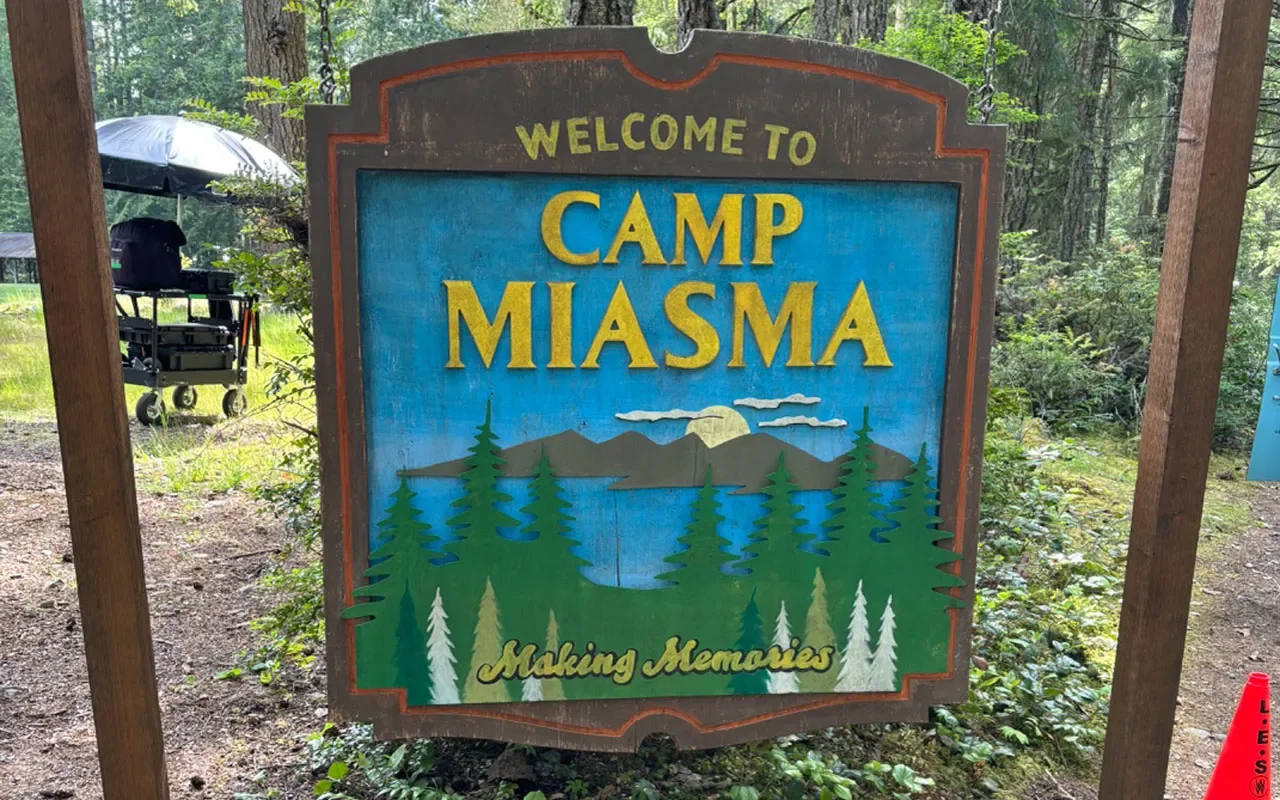
That sense of discovery became a recurring theme throughout our conversation. Schoenbrun has described the film as an "insane yet cozy midnight odyssey" and a sleepover classic, and McLeod feels that spirit runs through the entire project. Rather than simply paying tribute to the slasher films that inspired it, Camp Miasma appears interested in reshaping the genre through a distinctly modern and queer lens.
When discussing the film's relationship to classic slashers, McLeod spoke with obvious admiration for Schoenbrun's approach. They noted that Schoenbrun has a genuine love for the movies being referenced and that appreciation is baked directly into the project. As McLeod put it, "They just wanted to make a movie like that because they like them so much." Rather than approaching the material with a heavy-handed agenda, they believe Schoenbrun's goal is much simpler: "I just want people to have fun, man."
That philosophy also shaped McLeod's performance. They described their Camp Miasma character as unlike anyone they had played before. While the movie embraces camp and absurdity, the actors approached the material from an unexpectedly grounded place.
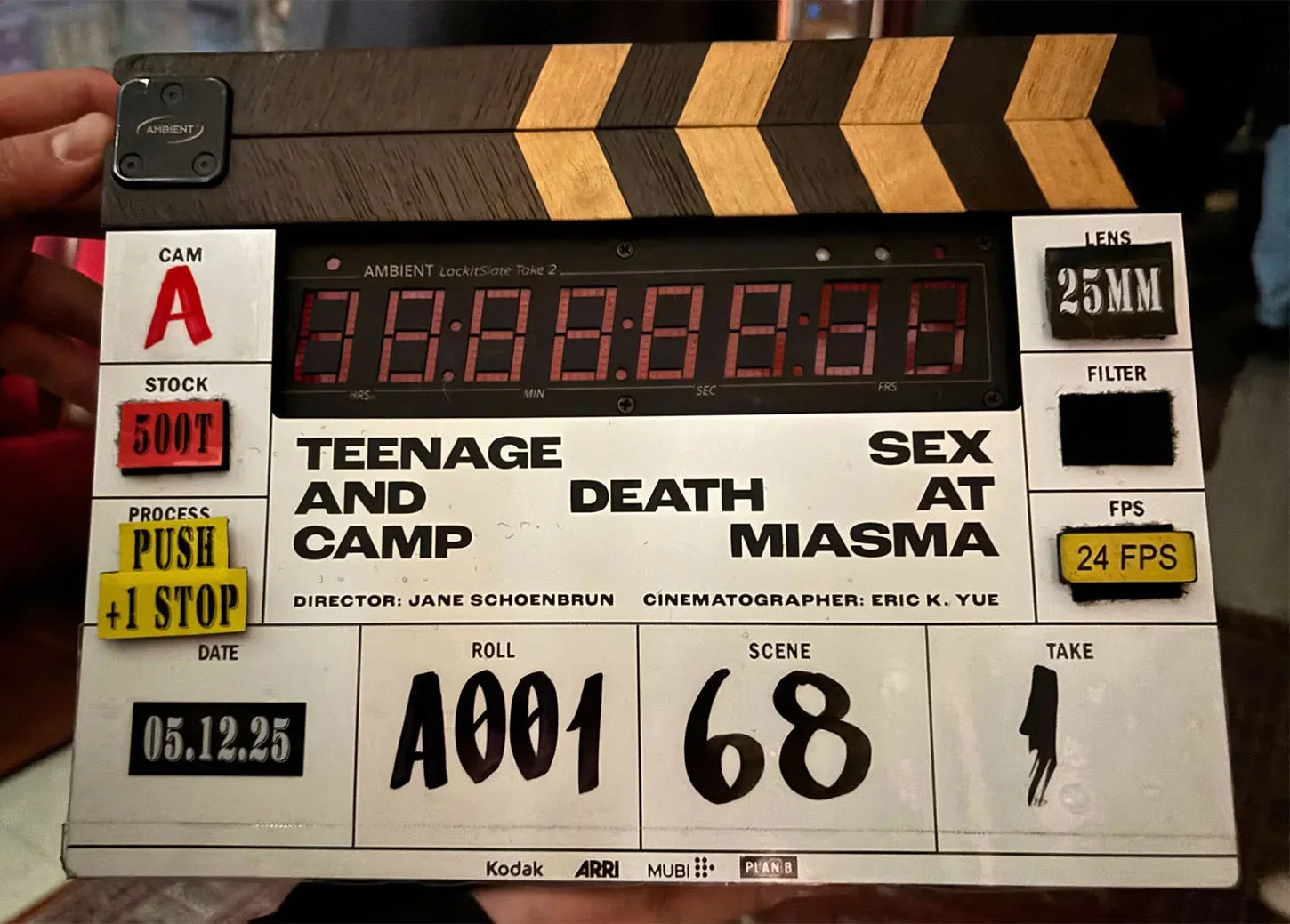
"The scene is quite campy," McLeod said, "but we were all trying to play it very straight." It's a balance that sounds perfectly aligned with the film itself. The premise may be outrageous, but the emotional commitment remains sincere.
That same blend of sincerity and joyful chaos carries over into Our Effed Up World, Alice Maio Mackay's latest genre offering. The film explores grief and darker emotional territory while wrapping everything inside a sci-fi horror framework filled with camp and humor.
For McLeod, one of the most exciting aspects of the project was the atmosphere surrounding the production. "That movie does explore a lot of dark themes, but is ultimately really joyful," they said. "It's just so fun and all the actors are having so much fun. The crew had a lot of fun."
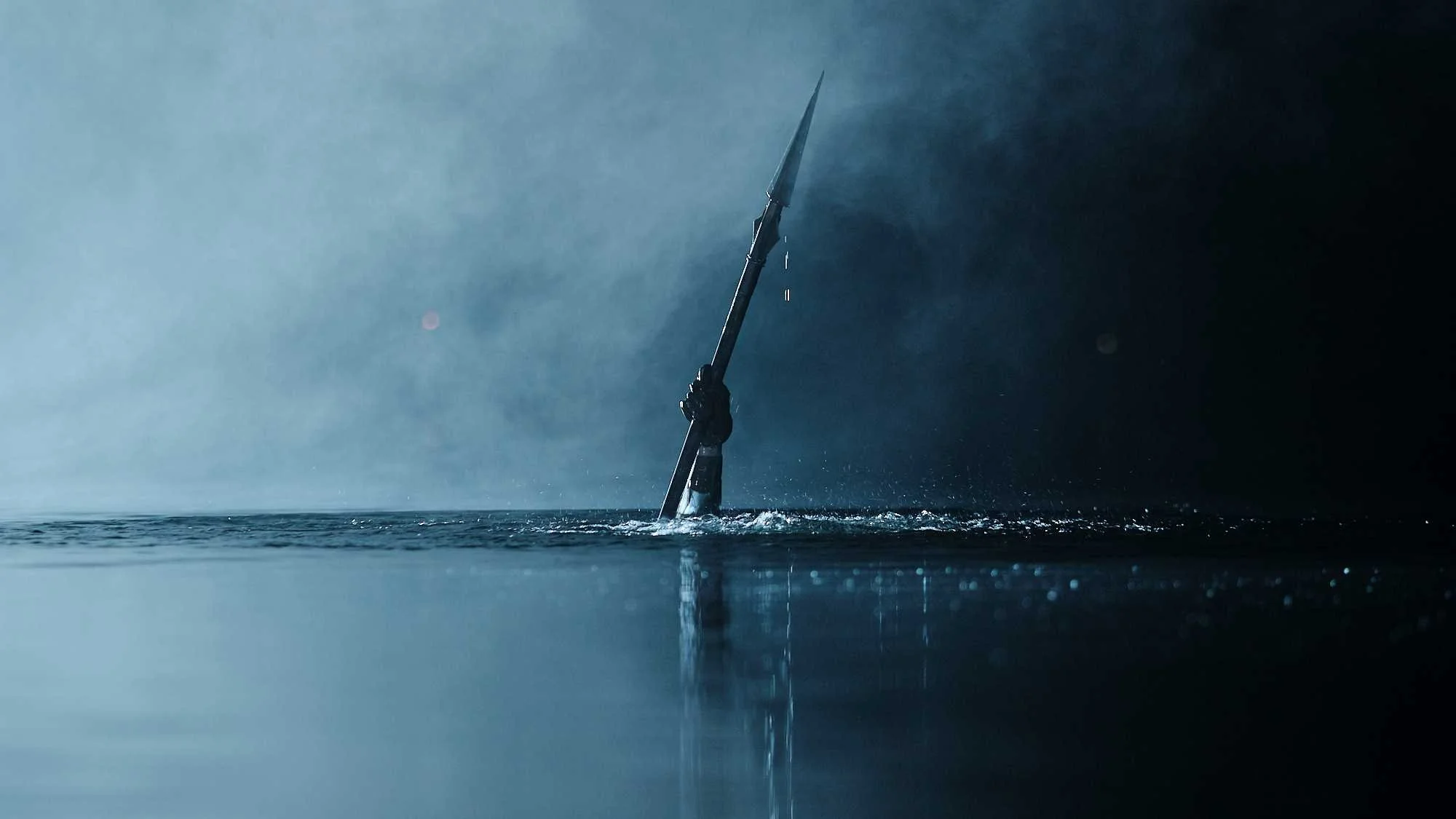
They laughed while recalling the experience, describing the film as "a campy blast" where everyone involved was encouraged to be silly despite the heavier themes underneath. It is a description that mirrors Mackay's own comments about wanting to examine grief and identity while still embracing camp, melodrama, and genre filmmaking.
The conversation eventually turned toward the larger state of queer storytelling, and this is where McLeod became especially thoughtful. They spoke candidly about what they see as a new wave of filmmakers responding to an industry that often fails to prioritize queer voices. "I think it's almost a direct reflection of the ways in which sort of the mainstream system is shutting us out again," they said.
Instead of waiting for permission, many creators are forging their own paths. McLeod expressed admiration for the filmmakers around them who are embracing specificity and refusing to compromise. "If you don't want to help me, that's fine," they said, describing the mentality of many artists in the community. "I'm going to make my own stuff, and I'm going to make it so specific and strange and full of joy."
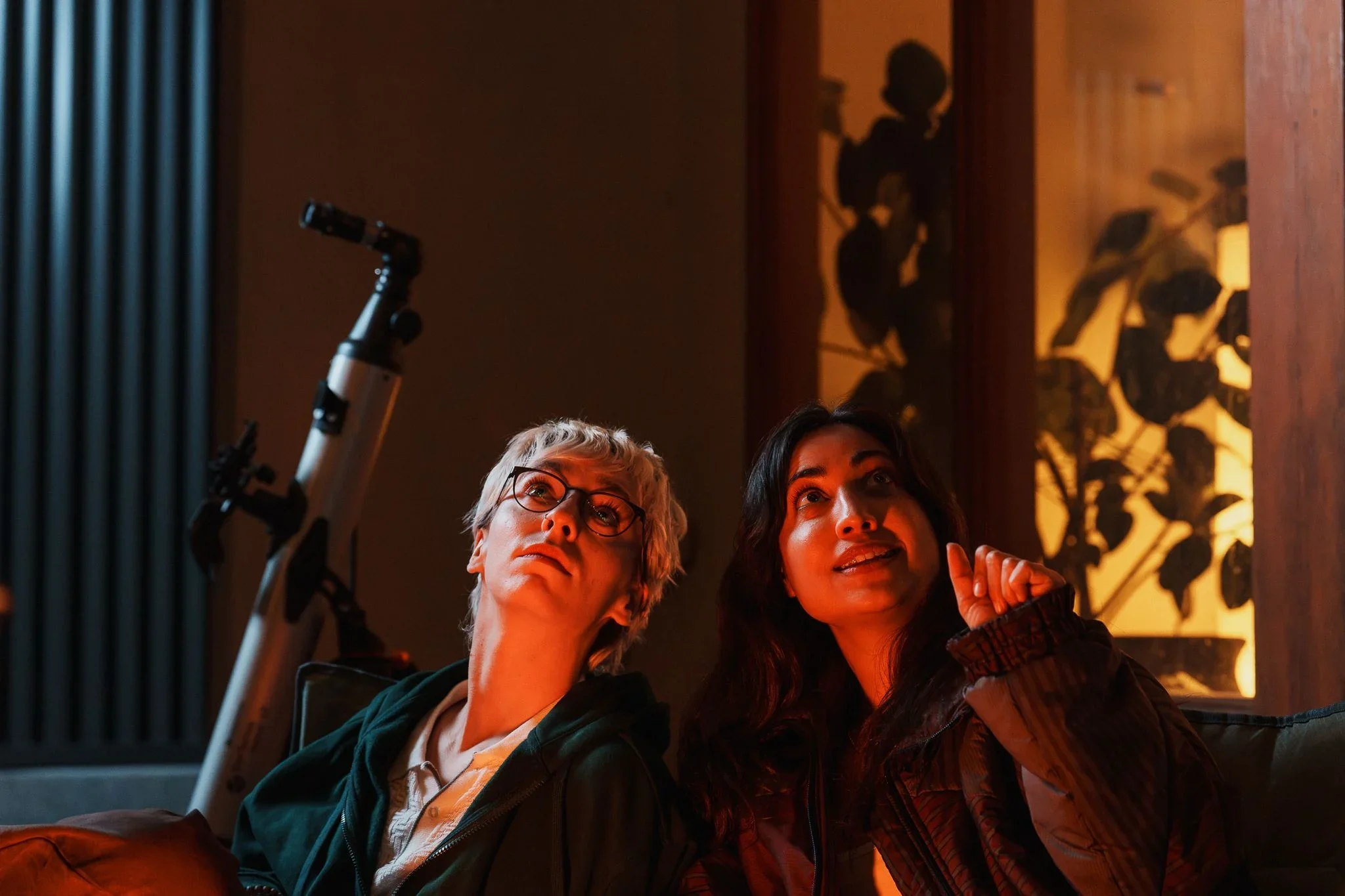
It is a perspective that feels refreshing at a time when representation is often discussed more as a marketing strategy than an artistic one. McLeod argued that too many queer stories have historically been reduced to trauma, while overlooking the humor, messiness, and joy that are equally important parts of queer life. "Queer people are dealing with hardships, but we're also really funny and having a good time a lot."
Perhaps the most revealing moment of the interview came when discussing the connection between Camp Miasma and Our Effed Up World. The two films are linked through Schoenbrun, who directed one and serves as a producer on the other. For McLeod, that connection proved incredibly personal. "Miasma led directly to me being in Alice's movie," they revealed.
Mackay had been shadowing Schoenbrun during production, and the relationship eventually led to McLeod joining Our Effed Up World. The collaboration didn't stop there. McLeod also shared that Schoenbrun became an executive producer on their own short film, describing them as "so generous."
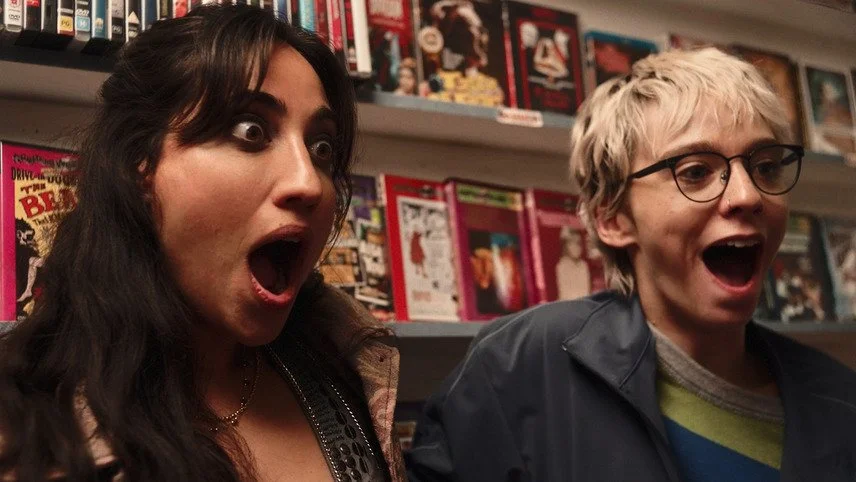
In one of the interview's most heartfelt moments, McLeod reflected on what they admire most about Schoenbrun. "My favorite thing about Jane is their taste in people," they said. "They have amazing taste in who they work with and who they support."
That observation says a lot not only about Schoenbrun, but also about the creative network developing around filmmakers like Schoenbrun and Mackay. These aren't just artists making movies. They're actively creating opportunities for one another and helping build a sustainable creative community.
By the end of our conversation, I found myself even more impressed by McLeod than I already was. They were thoughtful, funny, candid, and deeply appreciative of the people around them. Everything about the discussion felt honest and real, which is fitting given how human their performances often feel on screen.
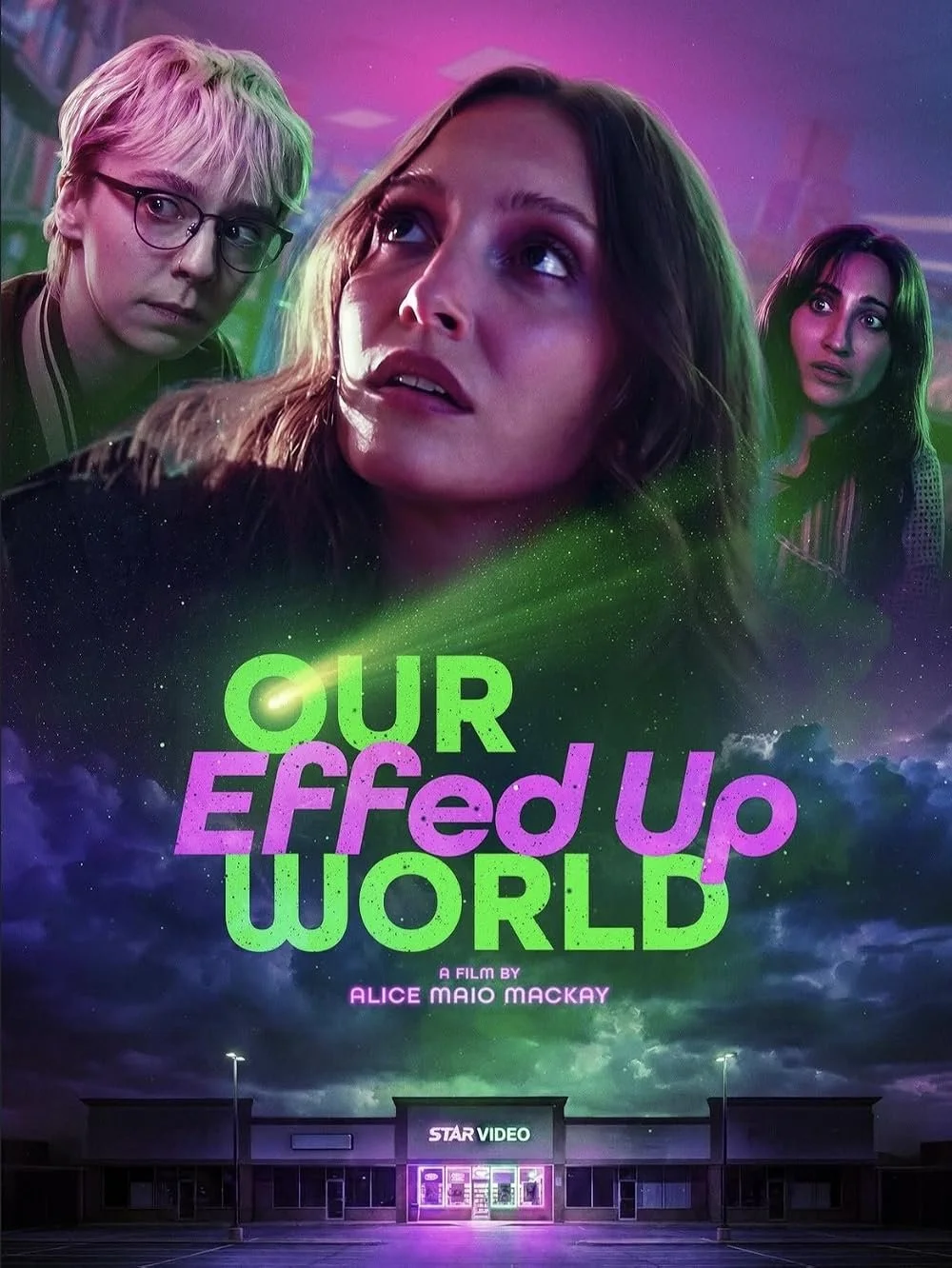
As for where queer genre cinema goes next, McLeod remains hopeful. They want audiences and decision-makers alike to recognize that queer stories resonate most when they're told by the people who live them. "I hope that people start to see that audiences really respond to queer stories told by queer people," they said. "Because then the characters feel human."
If Teenage Sex and Death at Camp Miasma and Our Effed Up World are any indication, audiences may already be getting the message. And if Jess McLeod continues showing up at the center of projects like these, the future of queer genre filmmaking looks very bright indeed.
Jessie Hobson