
A documentary about someone you've probably never heard of retracing his childhood might not sound like essential viewing. On paper, Florida, Man is simply the story of filmmaker Evan Jordan returning to the Florida swamplands of his youth alongside Sophia Anderson, a fellow film lover he connected with at the Unnamed Footage Festival. Together, they set out to investigate a strange experience from Evan's past and explore the places, people, and stories that shaped his life. What makes Florida, Man special is how quickly it abandons the safety of that premise.
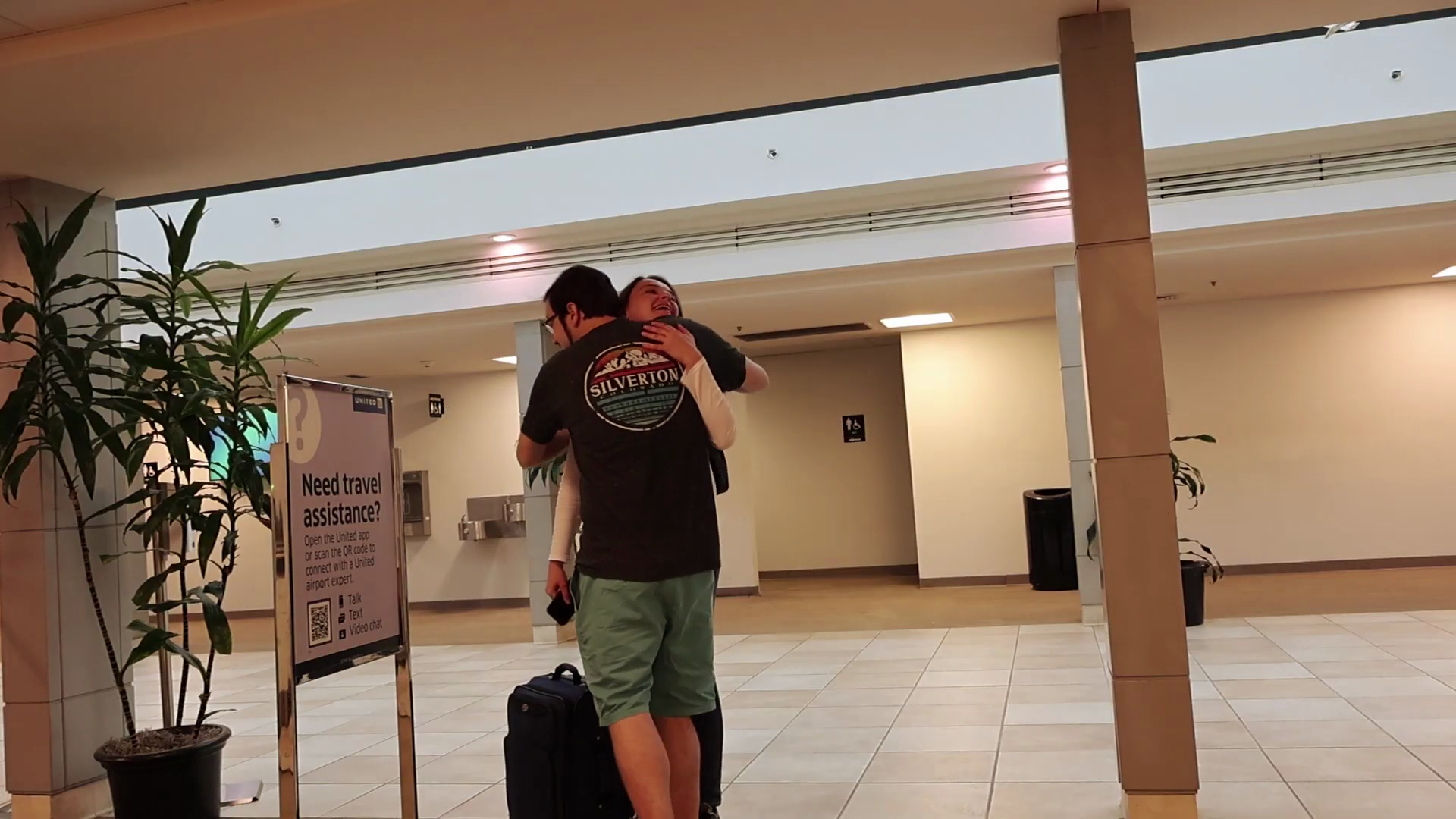
The film opens like a found footage horror documentary. Evan recounts a childhood experience involving loud knocks on his bedroom window, describing hearing repeated banging so violent he could see the glass shaking despite there being nothing outside. It is an inherently creepy story and one that immediately establishes an air of mystery around the journey to come.
For a while, it seems as though Jordan is making a paranormal investigation. There are stories of unexplained voices, local legends, eerie encounters, abandoned property, and interviews with people who swear they've heard things they cannot explain. The atmosphere is thick with Southern folklore and the kind of stories that seem to remain in rural communities for generations. But somewhere along the way, Florida, Man quietly transforms.
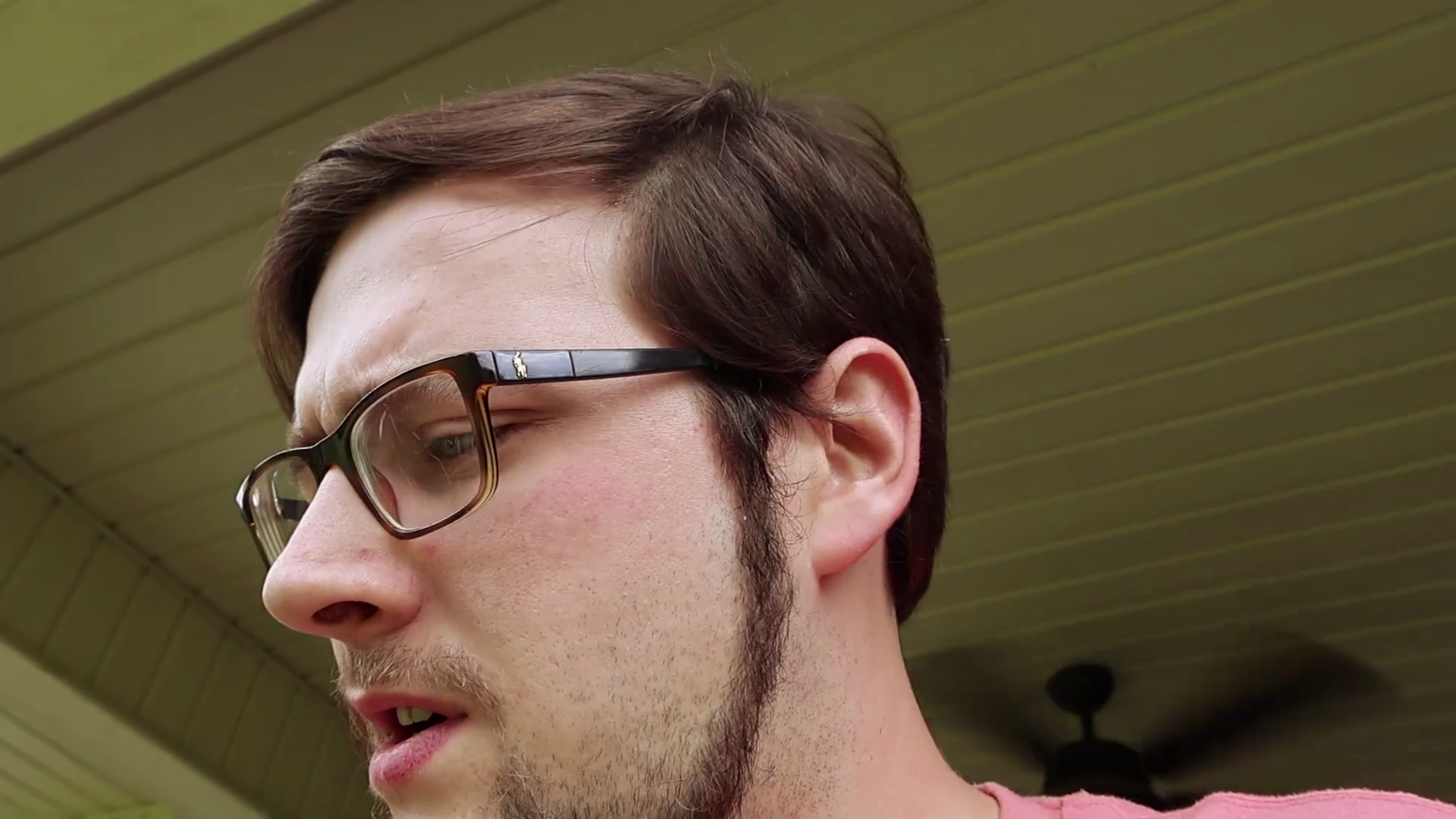
As Evan and Sophia travel through Florida and Alabama, meeting relatives, old friends, and colorful locals, the film gradually becomes less interested in ghosts and more interested in memory. What begins as an investigation evolves into a memorial for Evan's Uncle Wayne, whose larger-than-life presence echoes throughout nearly every conversation. Then it evolves again, becoming something even more personal: a reckoning with the events, relationships, and decisions that shaped Evan into the person he is today.
As someone familiar with Evan through his podcast appearances, there's something surprisingly affecting about seeing him in this context. He comes across as articulate, funny, compassionate, and refreshingly vulnerable. Jordan openly discusses difficult chapters of his life, including moving to Florida after high school, working on his uncle's exotic bird farm, struggling with meth addiction, rebuilding his life, and eventually finding purpose again through filmmaking and community. That honesty becomes the film's greatest strength.
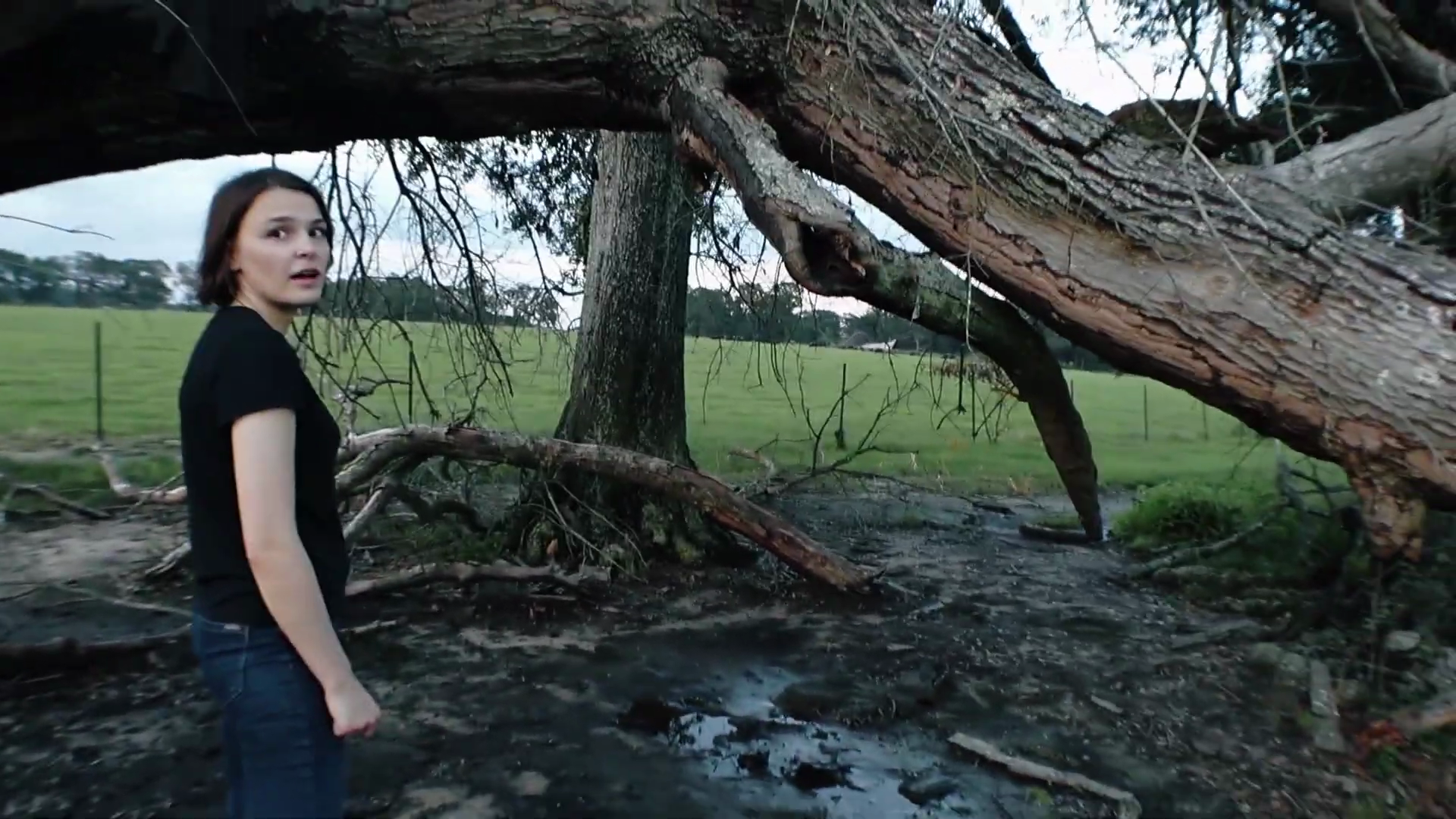
The presence of Sophia Anderson is equally important. She serves as both collaborator and emotional sounding board, giving the documentary a natural energy that prevents it from becoming a series of monologues. Their chemistry is effortless. Conversations flow easily between discussions of childhood memories, family history, local folklore, and life's bigger questions. One minute Evan is talking about helping his father campaign for county commissioner. The next, he's joking about selling mushrooms as a teenager or reminiscing about old traditions from his youth. It never feels forced because it isn't. It feels like two people genuinely getting to know each other while exploring a shared project.
That authenticity extends to the interviews scattered throughout the film. Some are hilarious, some are heartbreaking, and some seem to wander into unexpected territory altogether. The people Evan and Sophia encounter feel like real Americans rather than documentary subjects. They're horse lovers, storytellers, neighbors, family friends, and lifelong residents carrying decades of memories and local history with them.
Not every interview is essential. A few conversations linger longer than necessary, and there are moments where the film's focus drifts. Yet even when individual stories don't perfectly serve the main narrative, they contribute to the larger portrait Jordan is painting. These people provide texture. They create a sense of place. And place is everything in Florida, Man.
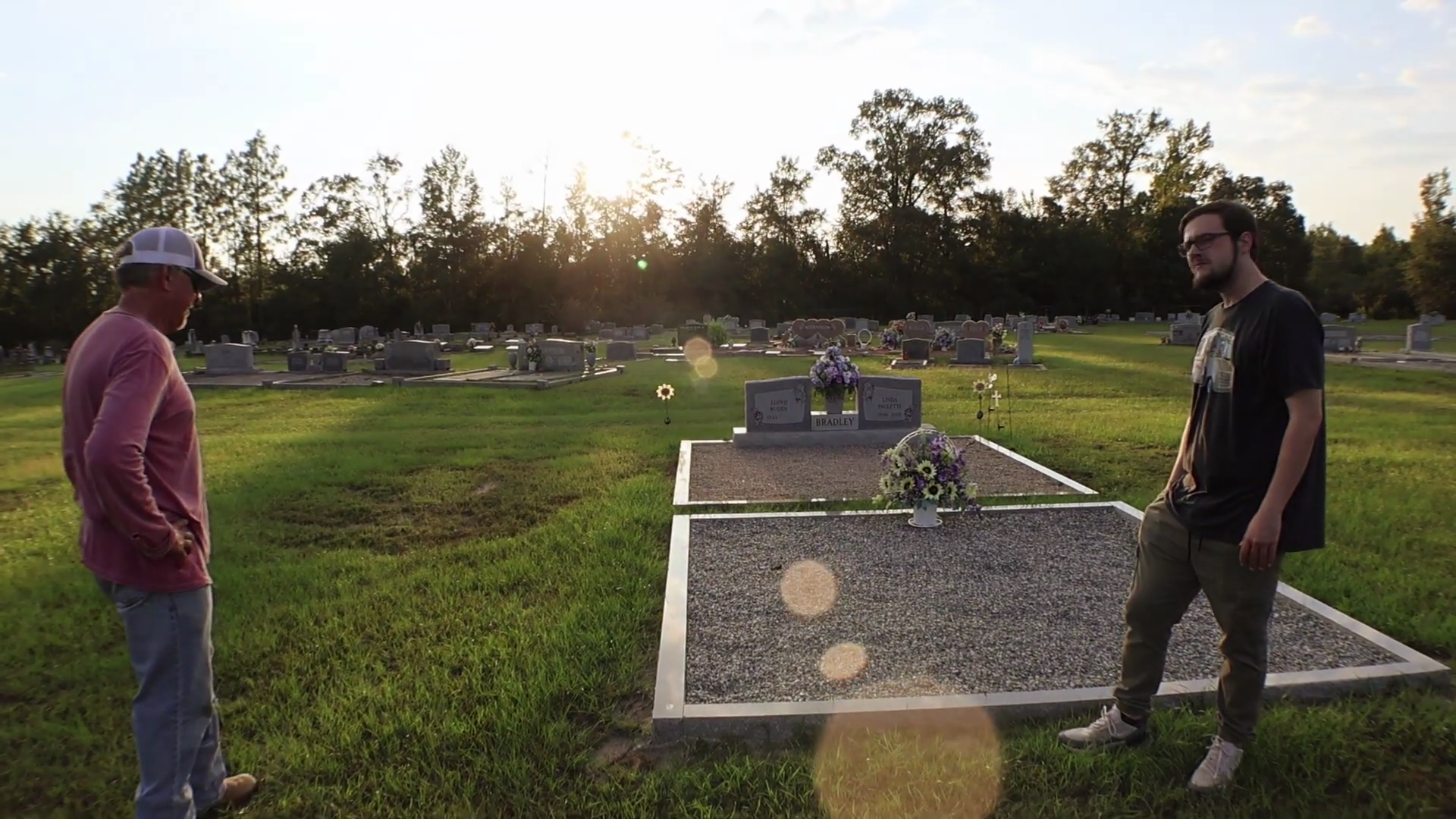
The filmmakers beautifully capture a side of America that rarely appears onscreen anymore. Overgrown woods, forgotten cemeteries, aging family homes, abandoned buildings, muddy fields, and stretches of rural road become characters in their own right. The film understands that landscapes can be haunted without containing ghosts. Sometimes places are haunted by memory itself.
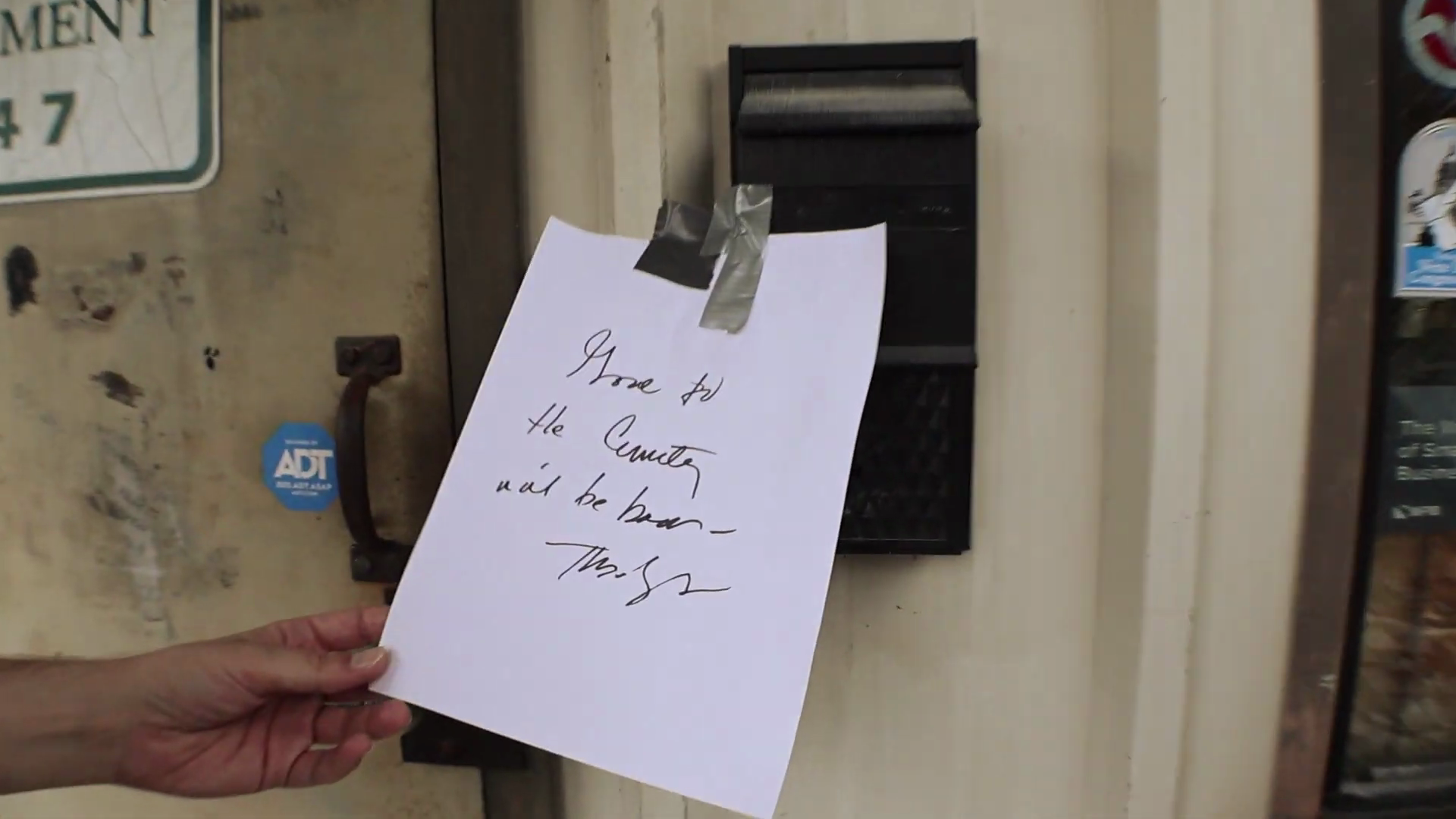
Jordan's editing reinforces this idea throughout. Old footage frequently appears alongside present-day images of the same locations, allowing viewers to see the passage of time in an immediate and emotional way. There's something powerful about watching Evan stand in places that once felt permanent only to find them altered, abandoned, or slowly disappearing.
The film's most devastating sequence arrives when Evan returns to his grandparents' home. Walking through rooms filled with remnants of people he loved, he struggles to reconcile his memories with the reality in front of him. The scene is difficult to watch because it's so universal. Anyone who has revisited a meaningful place years later will recognize the feeling.
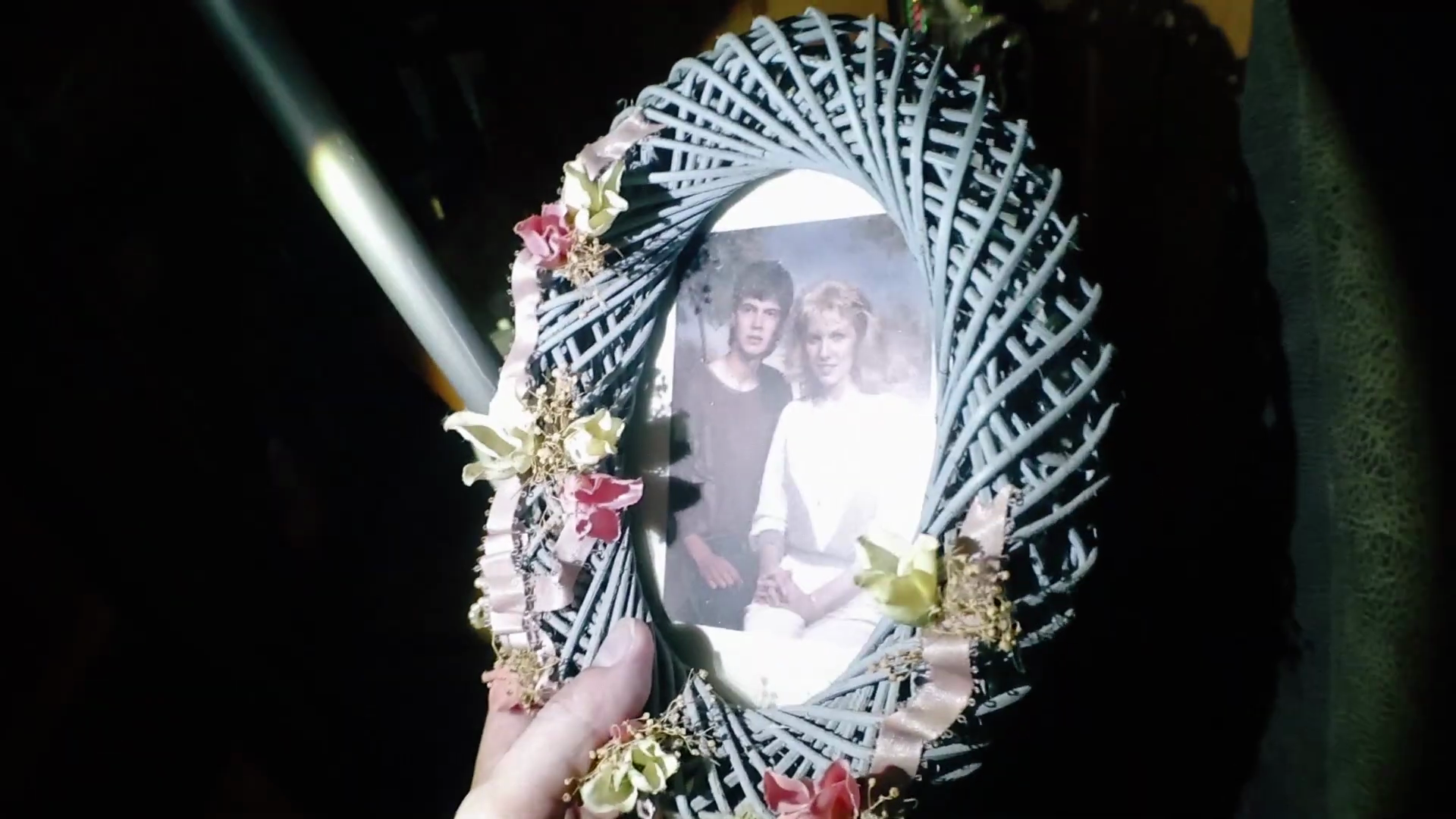
As Evan reflects, "The whole notion of not being able to say goodbye to somebody you love or somebody you care about, I think that's the kind of stuff that really haunts us." That line unlocks the entire film.
The ghosts in Florida, Man are not supernatural entities lurking in the darkness. They are regrets, memories, missed opportunities, and the people we never got enough time with. The film understands that grief doesn't always arrive dramatically. Sometimes it appears years later when you open an old door, see an empty chair, or walk through a house that no longer feels like home.
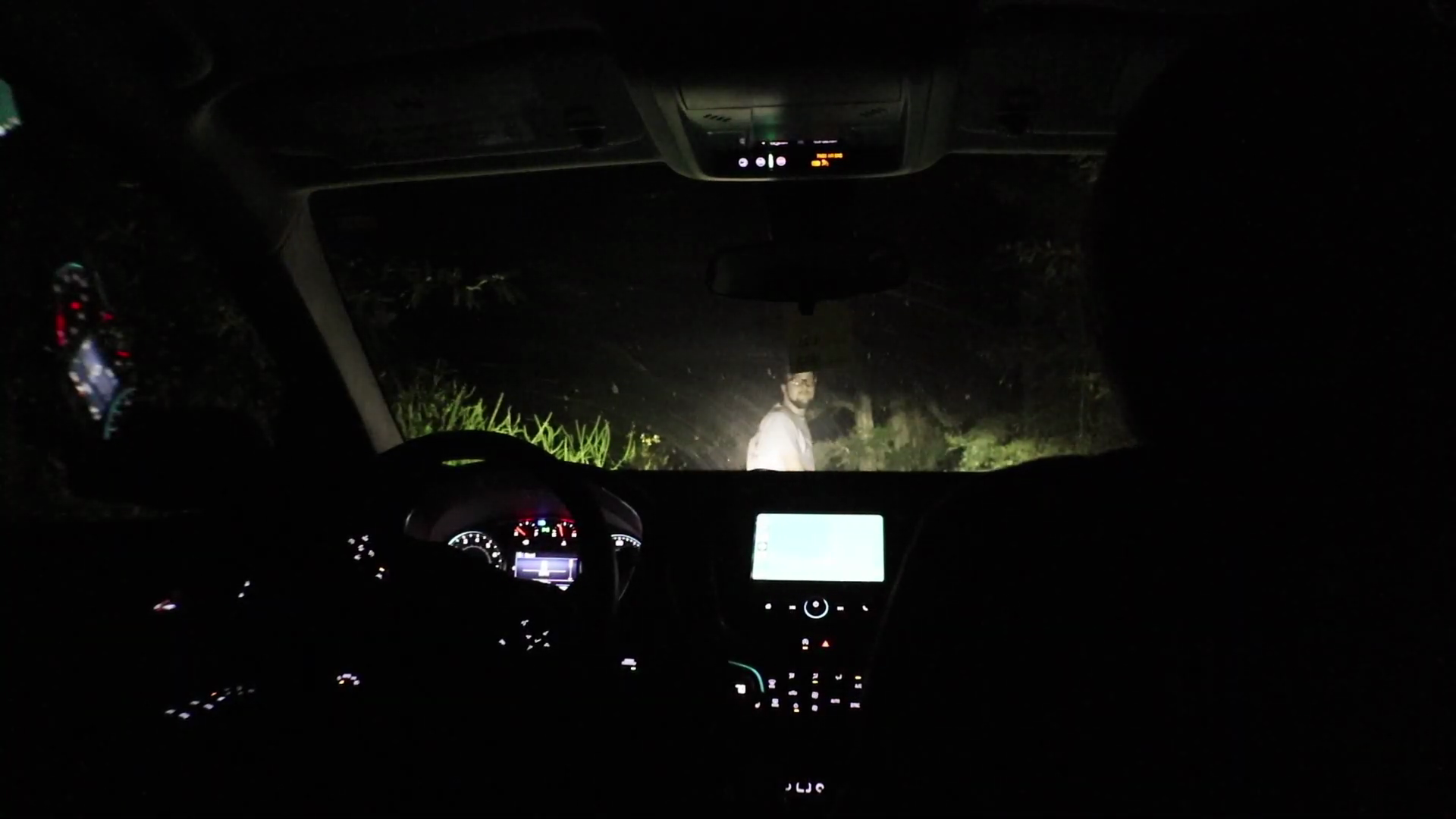
Ironically, despite all this emotional depth, the horror elements actually work. Jordan clearly understands found footage filmmaking and knows how to construct atmosphere. Several nighttime sequences are genuinely unsettling, particularly a memorable Ouija board scene that becomes increasingly unnerving thanks to strange noises, barking dogs, and the simple fact that neither Evan nor Sophia seems entirely comfortable with what's happening. The tension feels real because their reactions feel real.
Yet what sticks after the credits isn't fear.
It's warmth.
It's sadness.
It's the feeling of sitting on a porch with people whose names the rest of the world will never know and realizing their stories matter just as much as anyone else's.
The film's final act completely redefines what you've been watching. Rather than building toward a conventional paranormal revelation, Florida, Man chooses something far more meaningful. It becomes a meditation on family, roots, redemption, and the importance of carrying memories forward before they disappear.
By the end, the movie feels impossible to neatly categorize. It's a documentary, a road movie, a love story, a memoir, a ghost story, and a tribute to forgotten corners of America all at once. Most importantly, it's deeply human.
Florida, Man reminds us that ordinary lives are often the richest stories worth telling. It captures the beauty, pain, humor, and heartache of looking backward while still trying to move forward. Bold, compassionate, and remarkably sincere, Evan Jordan's debut searches for emotional truth rather than easy answers.
And in doing so, it creates something far more powerful than just another horror mockumentary. It's one of the most unexpectedly moving films I've seen this year.
Jessie Hobson