
I'll get this out of the way early: I had a great time talking with Matt Doherty. As somebody who grew up on The Mighty Ducks films, there is always that weird moment when you sit down with someone whose work was part of your childhood. Sometimes those conversations are fine. Sometimes they're forgettable. And sometimes you walk away thinking you could have talked for another two hours. This was one of those.
Doherty, who wrote, directed, and stars in the gloriously strange satire Failed State, is the kind of filmmaker who clearly has a lot to say and, perhaps more importantly, knows exactly how to say it. The deeper we got into discussing the film, filmmaking, comedy, truth, politics, and creative rebellion, the more it became clear that Failed State is not some random low-budget curiosity. It's the product of years of frustration, observation, and passion finally exploding onto the screen.
On the surface, Failed State is a conspiracy-soaked comedy about writers, shadowy networks, Hollywood absurdity, and a world spiraling into confusion. Underneath that, it's something much more personal.
Doherty described himself as operating a "pirate ship captain of a boat full of misfits," explaining that the entire project was built around creating space for outsiders, artists, comedians, and counterculture voices. He noted that while the movie may appear chaotic, every decision was made with intention, saying that "everything was with care and with great experimental intention."
That care is obvious throughout Failed State. What initially feels like improvisational chaos slowly reveals itself to be meticulously constructed. The jokes stack on top of one another. Conversations spiral into increasingly absurd territory. Characters seem trapped inside competing realities. Yet somehow it all works.
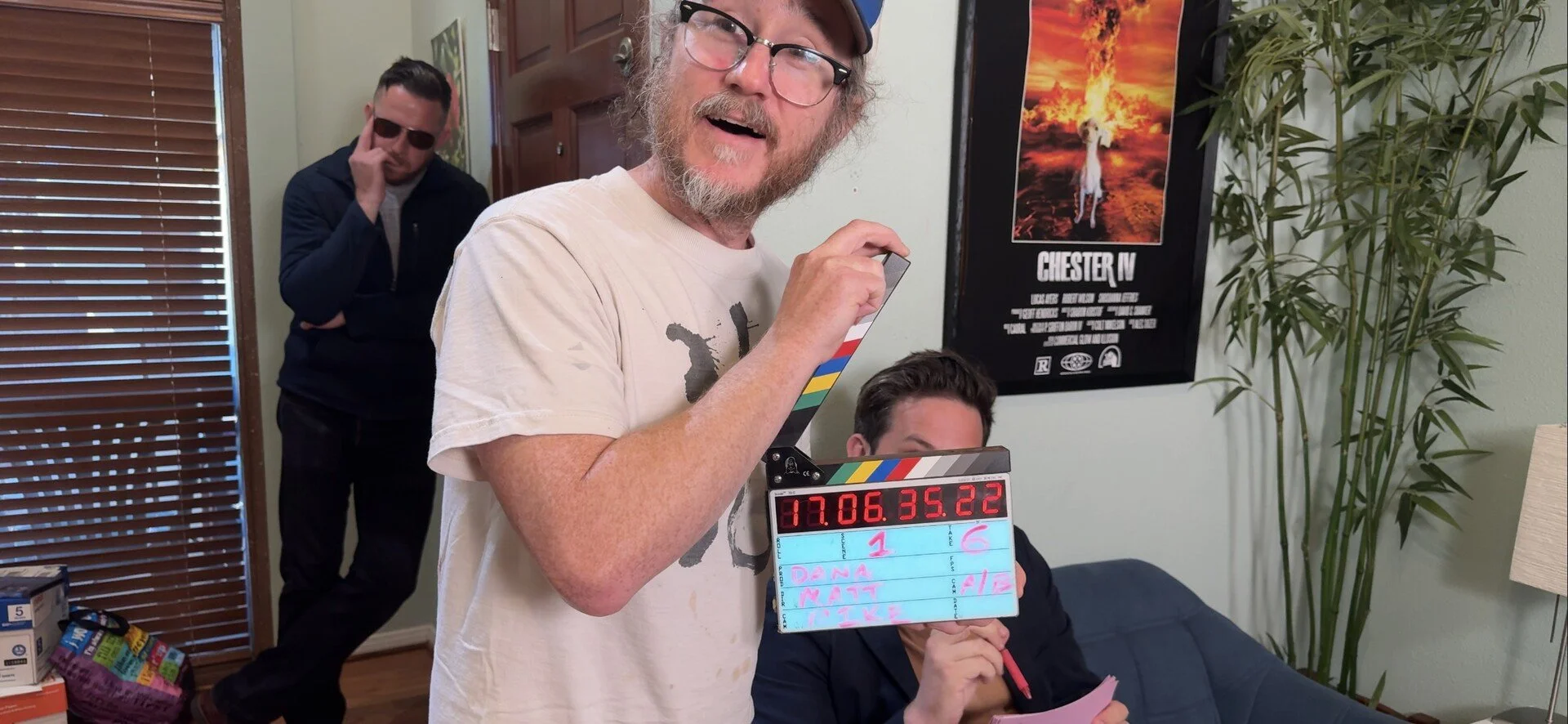
According to Doherty, that feeling was intentional from the beginning. "We wanted to feel like a jazz band," he explained, comparing the filmmaking process to musicians improvising together in a small club. The influence extends beyond the production itself. The structure of Failed State often feels less like a traditional narrative and more like a long-form comedy experiment where recurring ideas mutate and evolve until they become something larger than themselves.
One of the most fascinating revelations during our conversation was learning that Failed State did not begin as a movie at all. Doherty originally conceived it as a stage piece, inspired by the rebellious spirit of cabaret and absurdist theater. As political and cultural tensions escalated around him, he realized the project needed to become a film.
"We live in absurd times," Doherty told me. "Failed State is a response to absurd times, to living in a failed state. And I think the only way to combat absurd times is with absurdism." That philosophy runs through every frame.
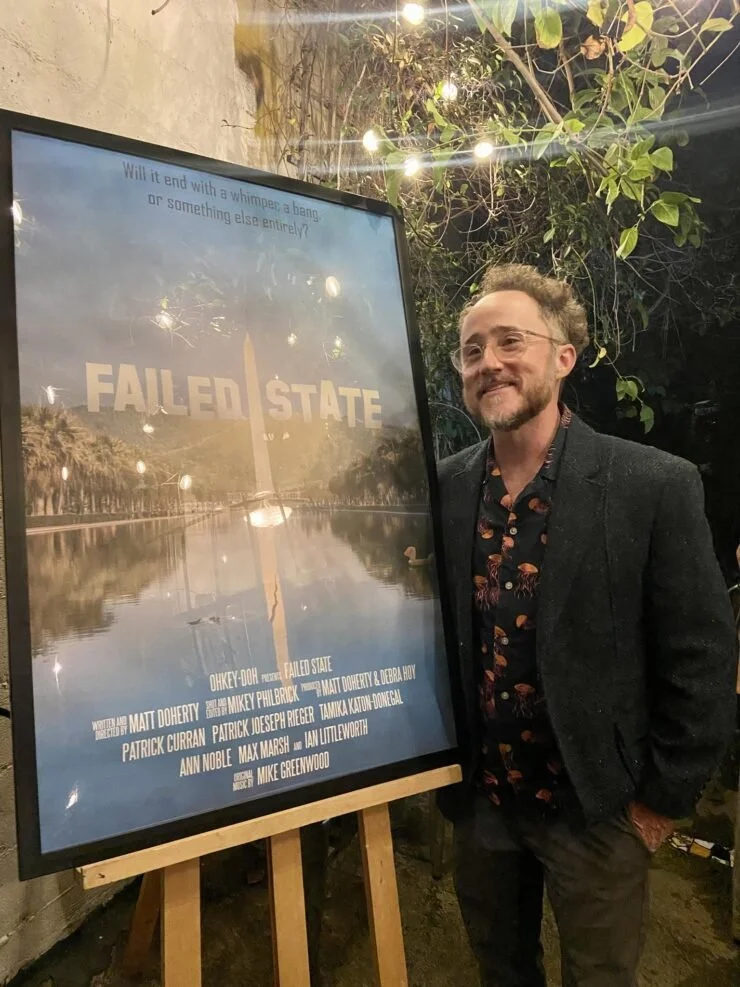
The film takes sharp swings at Hollywood development culture, intellectual property obsession, corporate double-speak, and the increasingly absurd process of getting projects made. Those moments land because they come from experience. Doherty admitted that the screenplay was fueled by years of watching projects stall, disappear, or collapse due to forces completely outside the control of the people creating them. "I spent my whole life waiting for permission," he said. "And this film was like, well, I'm going to instead kind of ask for forgiveness." That may be the thesis statement for Failed State.
Shot on a phone with a modest budget and a group of dedicated collaborators, the project became an act of creative resistance. Rather than waiting for the perfect conditions, the perfect financing, or the perfect moment, Doherty simply decided to make the movie. His message to filmmakers was equally direct: "Don't wait for permission."
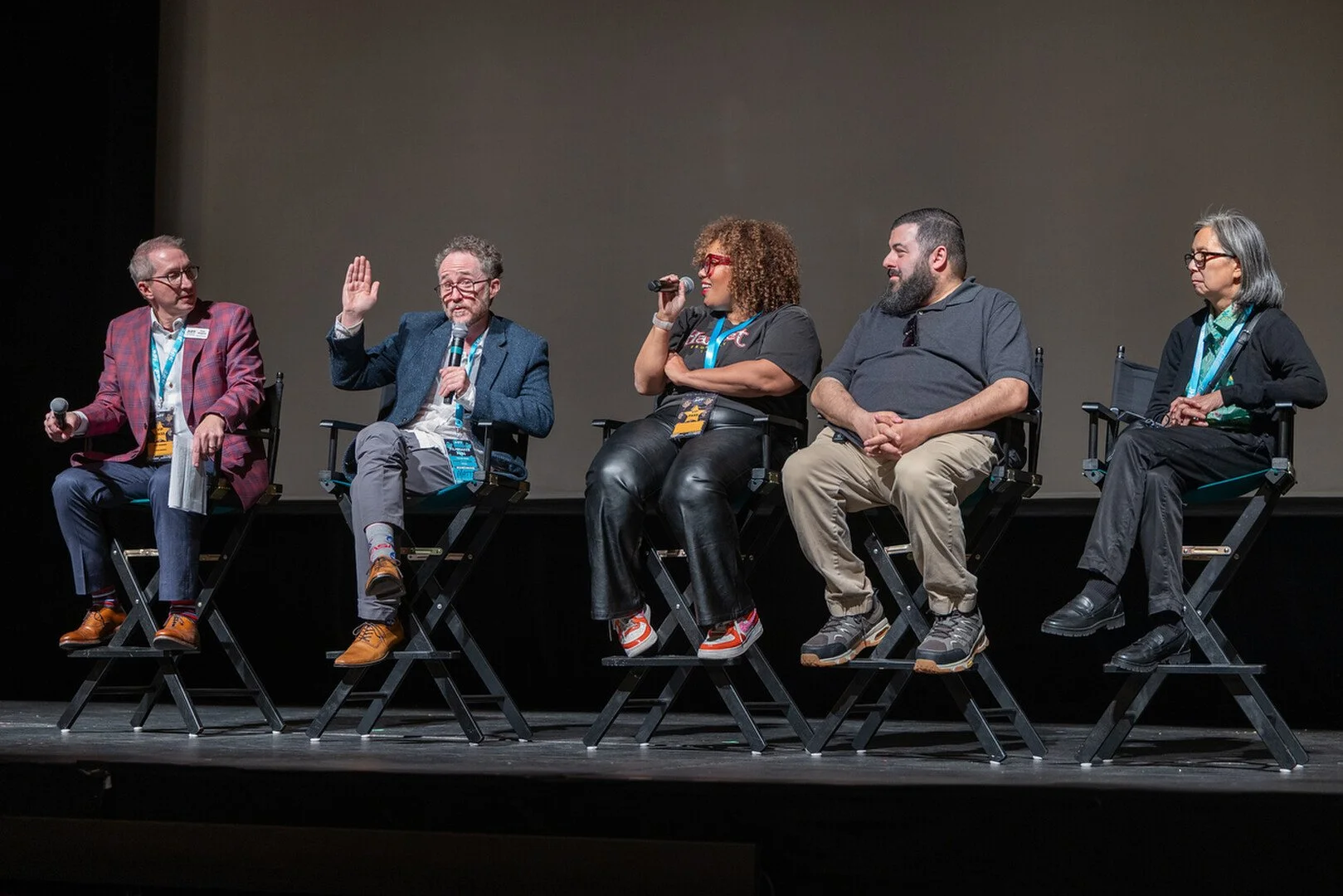
While the satire is often hilarious, what surprised me most was how sincere Doherty is when discussing the film's larger themes. Beneath the jokes and conspiracy theories is a genuine concern about the cultural moment we're all living through.
When I asked him about balancing comedy with modern anxieties about truth, politics, and power, his answer perfectly captured the heart of the film. "The whole point is you stick, and you commit to the truth," he explained. The film presents ideas that initially seem ridiculous, only for audiences to slowly realize they may not be as far-fetched as they first appeared. "We think these guys are stupid and then we realize no, we're actually living it."
That ability to package anxiety, frustration, and uncertainty inside absurd comedy is what makes Failed State so interesting. It doesn't preach. It doesn't lecture. It allows the audience to laugh while quietly asking questions about the systems, institutions, and narratives that shape everyday life.

Near the end of our conversation, I asked Doherty whether he would consider it a success if audiences walked away laughing but also feeling slightly unsettled about truth, media, politics, Hollywood, and who is actually in control.
His answer was immediate. "My intention all along was to make a film that was a conspiratorial-like punk rock parable that literally makes the audience feel what it's like to be in warring narratives, the chaos and confusion of a failed state."
Mission accomplished.
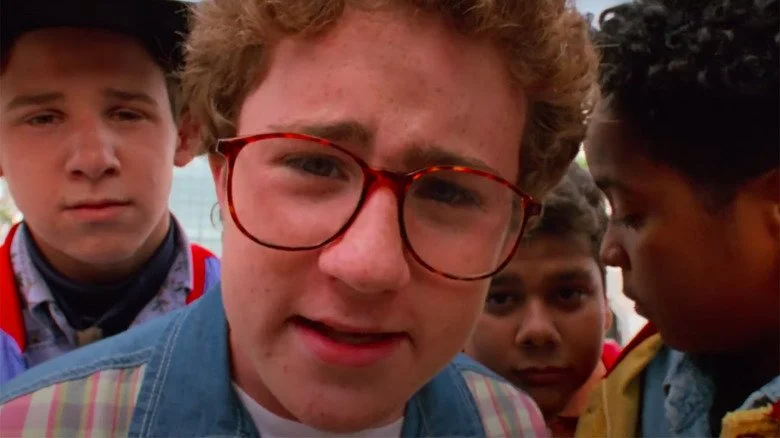
And before we wrapped up, I finally got to tell him something I've been waiting years to tell a member of the Mighty Ducks cast: I once got so invested in D2: The Mighty Ducks as a kid that I literally pooped my pants in the theater.
Without missing a beat, Doherty fired back, "Oh, that was you. I was wondering what that smell was." That's when I knew this interview had come full circle. Meeting your heroes can be risky. Sometimes the people behind the work never quite live up to the image you built in your head. Matt Doherty did.
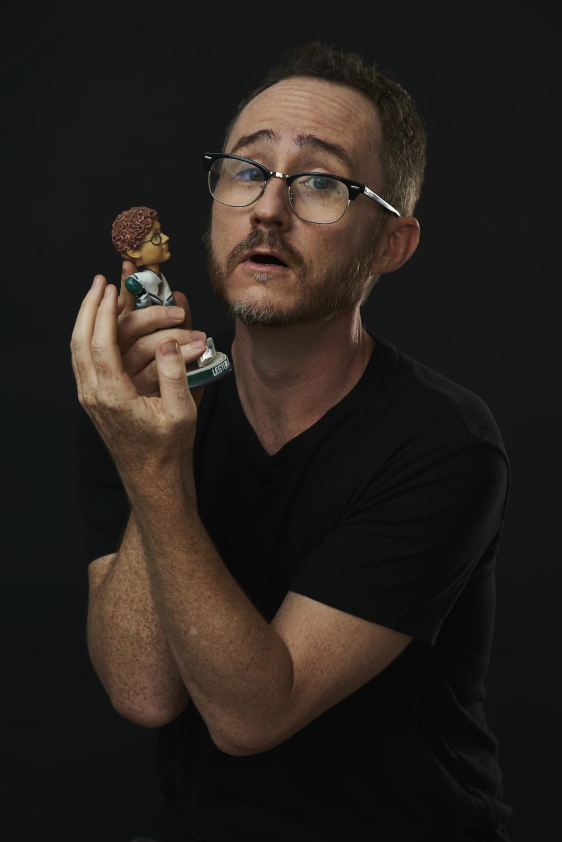
He's passionate, thoughtful, funny, and completely committed to his vision. If Failed State is any indication of what's ahead, I'd love to see him continue down this writer-director path. He clearly has something to say, and fortunately for all of us, he's figured out how to say it.
Meet your heroes, kids. Sometimes they'll impress you.
Jessie Hobson