
Some horror shorts deliver a good scare. Others leave you thinking. Christopher Piñero's The Prowler manages to do both.
The psychological horror short has steadily built momentum on the festival circuit, landing selections at Panic Fest, Chattanooga Film Festival, and the Academy Award and BAFTA qualifying LA Shorts International Film Festival. Along the way, audiences have embraced its tense atmosphere, unsettling imagery, and a final reveal that completely reframes everything that came before it.
When I sat down with Piñero, it quickly became clear that the passion behind The Prowler runs much deeper than a single short film. In fact, the project isn't really the destination at all.
"This actually came from a feature film that I've been developing," Piñero told me, explaining that the short was born from a larger story he has been working on for some time. What started as a way to capture the tone and feeling of that feature evolved into something bigger. During production, he found himself wondering, "What if this was the opening sequence to my feature?" and the more he explored that idea, the more it made sense within the larger narrative.
That revelation makes perfect sense after watching The Prowler. The short feels like a glimpse into a much larger world, one that confidently establishes its rules while leaving viewers desperate to know more.
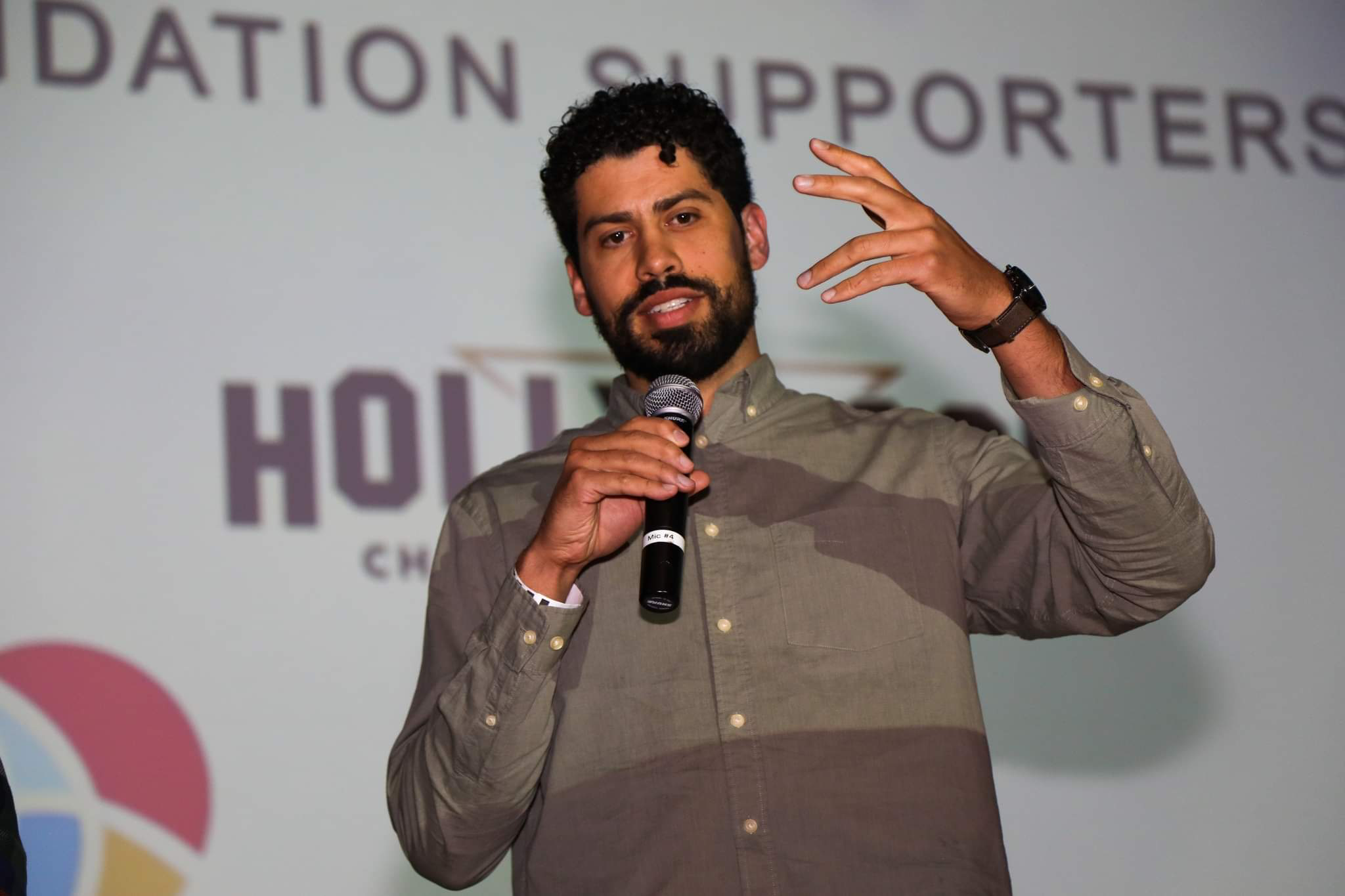
What impressed me most was how effectively the film weaponizes uncertainty. On the surface, it begins like a traditional home invasion story. There are strange noises, flashes of movement, ominous scratches, and enough shadows to keep audiences constantly scanning the frame. Yet Piñero had no interest in delivering the horror movie people expected.
"If you look at it from the other way, it becomes more traditional and more, you know, like you've seen that a hundred times," he explained. Instead, he leaned into a simple but powerful idea: "No matter who you are, everybody's afraid of something."
That philosophy became the foundation of The Prowler, transforming fear itself into the true antagonist. Rather than relying on a masked killer, demonic possession, or some supernatural explanation, Piñero wanted audiences questioning everything. Is there really something lurking in the shadows? Is it supernatural? Is it psychological? Or is something even more grounded and therefore more terrifying unfolding before our eyes? As Piñero put it, "What if you just stripped all that away and it became something more grounded, which a lot of times is more terrifying?"
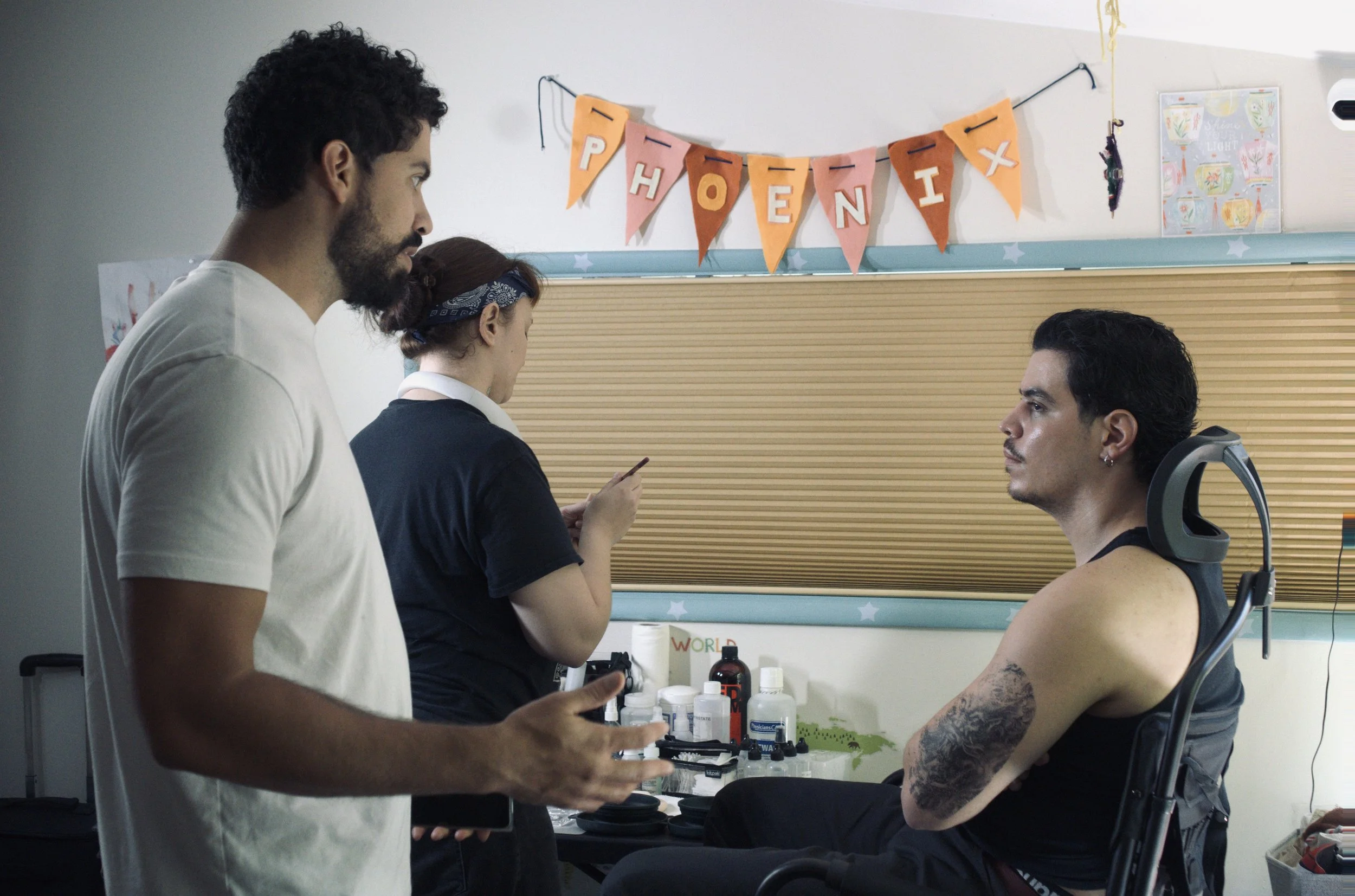
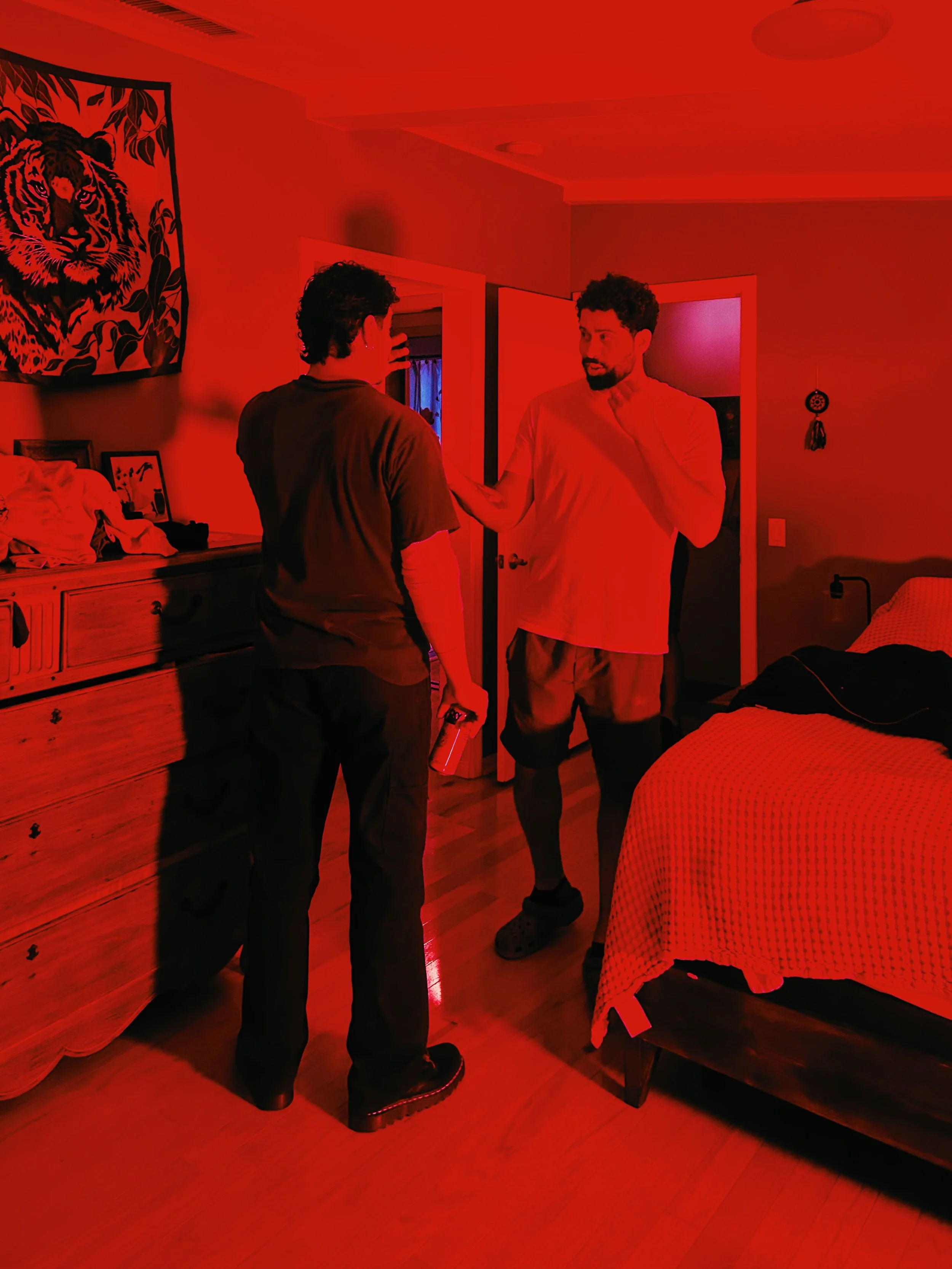
Watching him discuss the film was almost as enjoyable as watching the film itself. Anytime I referenced a specific scene or detail, whether it was the red-lit hallways, the disorienting sound design, or the careful clues planted throughout the story, he immediately lit up. You could see a filmmaker genuinely excited that someone had picked up on the little details he carefully layered into the experience.
That attention to detail extends to the film's casting. Aaron Dominguez delivers an exceptional performance as the film's increasingly distressed protagonist, carrying much of the story through subtle physical acting and emotional vulnerability. According to Piñero, those qualities made him the perfect fit.
Referencing Dominguez's charming and trustworthy role in Only Murders in the Building, Piñero noted that audiences already associate him with vulnerability and warmth. Those traits became invaluable in The Prowler, where viewers need to emotionally connect with the character before the story begins pulling the rug out from under them.
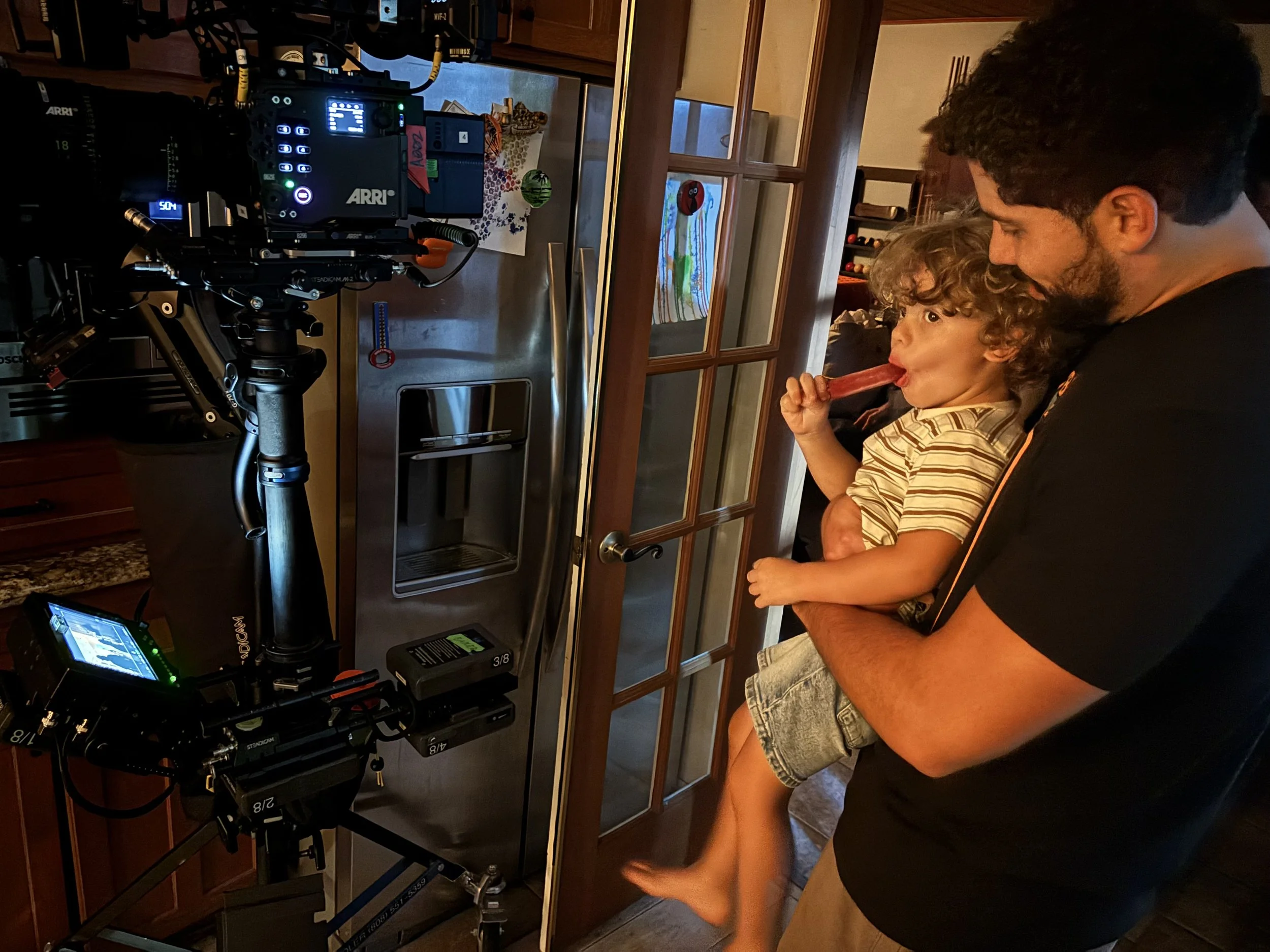
Piñero recalled watching Dominguez perform a scene involving a family photograph and being struck by the emotional depth he brought to the moment. Standing beside the camera, he found himself wondering whether the actor was actually crying. The tears weren't obvious on screen, but the emotion was there, adding another layer to a performance that grounds the film's increasingly surreal events.
As someone who started his own career as an actor before transitioning into writing and directing, Piñero believes that experience gives him an advantage when working with performers. While some filmmakers struggle to communicate with actors, he finds those conversations natural because he understands the process from both sides of the camera.
Although The Prowler has already earned strong reactions from festival audiences, Piñero remains focused on the bigger picture. Every selection, every screening, and every positive review is ultimately serving a single goal. "The endgame," he said, is the feature film.
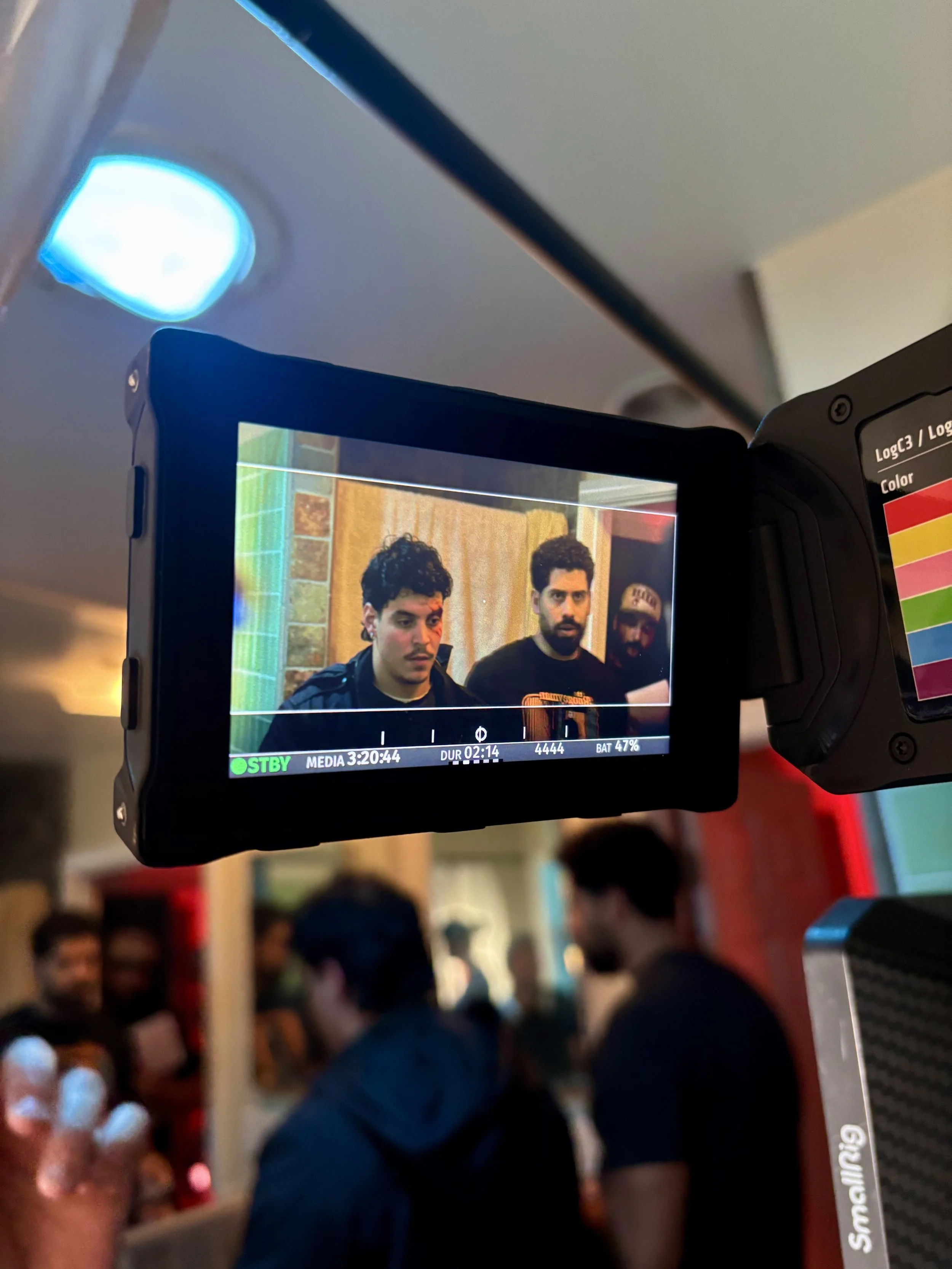
The filmmaker admitted that the response has exceeded his expectations. Initially, his goal was simply to create "the most suspenseful thing I can" and give it the polished feel of the elevated horror films produced by studios like A24 and Neon. What he didn't expect was to hear from viewers who watched the short multiple times, digging through the details and searching for the layers hidden throughout the story. Ironically, that was exactly what he hoped audiences would do.
Piñero told me that while scouting locations with his cinematographer, he described his ideal response from viewers as simple: someone finishing the film and immediately saying, "Hold on, I got to watch this again." For him, replay value is a feature, not an accident. He loves stories where the ending recontextualizes everything and rewards audiences for taking a second look.
After watching The Prowler, I immediately wanted another pass through the film. Not because I was confused, but because I was convinced there were details I'd missed. That's a rare quality, especially in short-form filmmaking. More importantly, it's the kind of quality that makes me eager to see where Piñero goes next.
If The Prowler is truly the doorway into a larger feature film, then count me in. The short is one of the most effective horror projects I've seen this year, and after spending time talking with Piñero, that excitement only grew. His enthusiasm for storytelling is infectious, his understanding of suspense is undeniable, and his willingness to challenge familiar horror conventions makes him a filmmaker worth watching.
Now comes the difficult part. While waiting for The Prowler feature to become a reality, I need to go catch up on everything else Christopher Piñero has made. If it carries even a fraction of the same creativity and confidence on display here, then there's plenty more worth discovering.
Jessie Hobson