
For a lot of viewers, Aaron Dominguez will always be remembered as Oscar Torres from Only Murders in the Building. He brought warmth, charm, and immediate trustworthiness to that role, making him one of the most likable characters in the series. That's exactly why his work in Christopher Piñero's The Prowler feels so refreshing. This is a completely different side of Dominguez.
The psychological horror short, which has been building momentum through Panic Fest, Chattanooga Film Festival, and LA Shorts International Film Festival, places much of its tension squarely on Dominguez's shoulders. As Victor, he spends much of the runtime carrying the audience through a nightmare where reality, paranoia, and fear constantly blur together.
What struck me most while watching The Prowler was how much Dominguez accomplishes without dialogue. Horror often relies on screaming, frantic movement, or exposition. Here, the performance lives in the stillness.
When I asked him about sustaining that intensity throughout the film, Dominguez immediately pointed to something most viewers probably wouldn't expect.
"The silence in the film is a language of its own," he explained. For him, the challenge wasn't creating chaos. It was learning how to sit inside the uncertainty and allow the audience to experience it alongside him. As he described it, viewers are intentionally manipulated into believing the story is heading one direction before realizing there may be something entirely different happening beneath the surface.
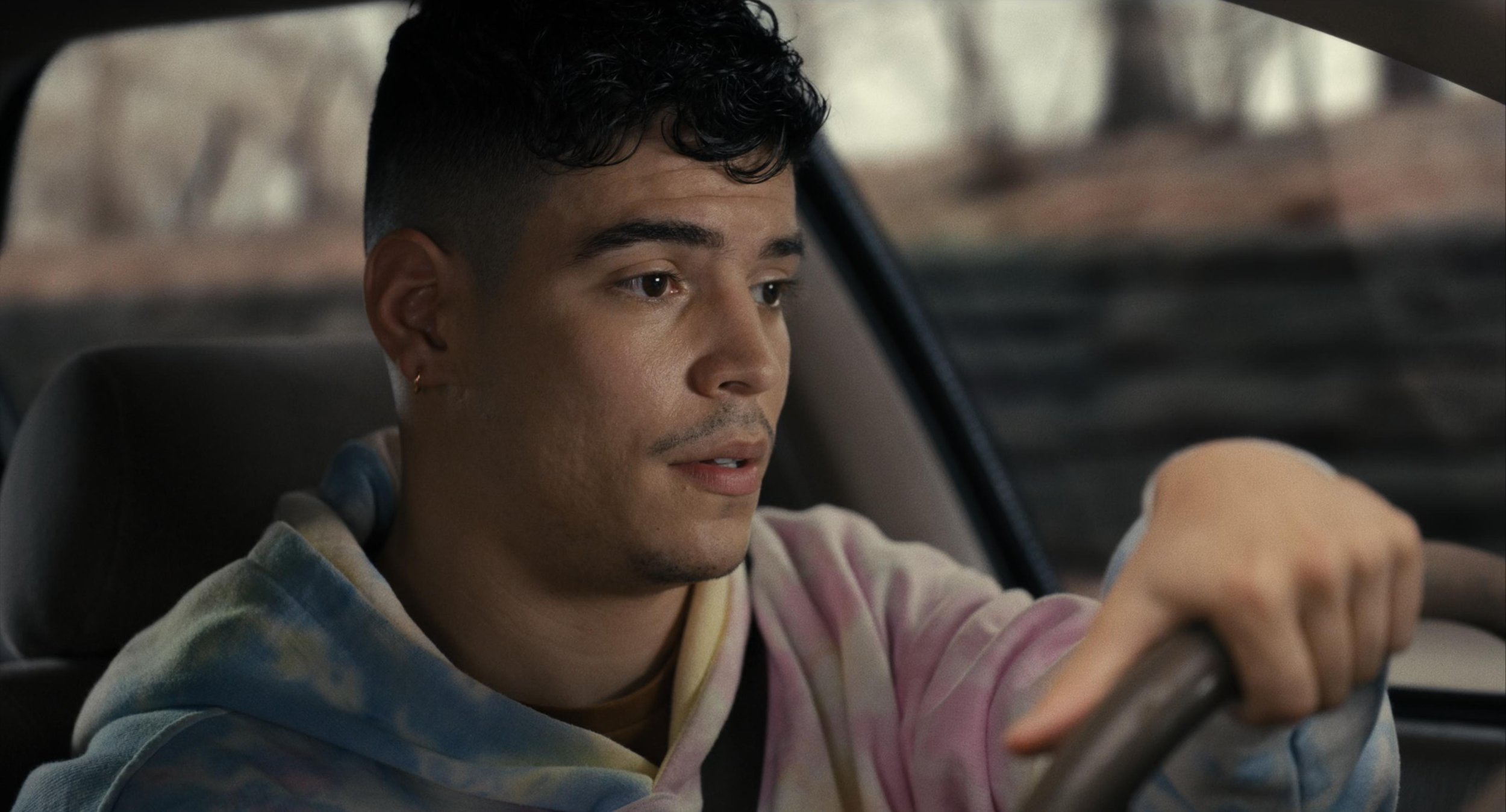
That uncertainty became a key part of his performance. Dominguez spoke passionately about how uncomfortable people become when they are forced to sit with unanswered questions, a feeling The Prowler uses to devastating effect. Instead of rushing to fill every moment, he embraced that discomfort and looked to actors who excel at communicating volumes without saying much at all.
One of his biggest inspirations was Benicio Del Toro, particularly his ability to "sit within that space" and convey emotion through a glance or subtle expression. Dominguez credited performers like Del Toro for helping shape his approach, explaining that he was constantly asking himself how to communicate a character's emotional state without relying on dialogue. That attention to detail is evident throughout the film.
One element that stood out to me immediately was his breathing. It sounds like a small thing until you watch the movie. Every shift in breath feels intentional. Every pause feels loaded. Whether Victor is standing still, moving through a hallway, or staring at something just outside the frame, his breathing becomes part of the storytelling. Thankfully, Dominguez had a fascinating answer when I brought it up.
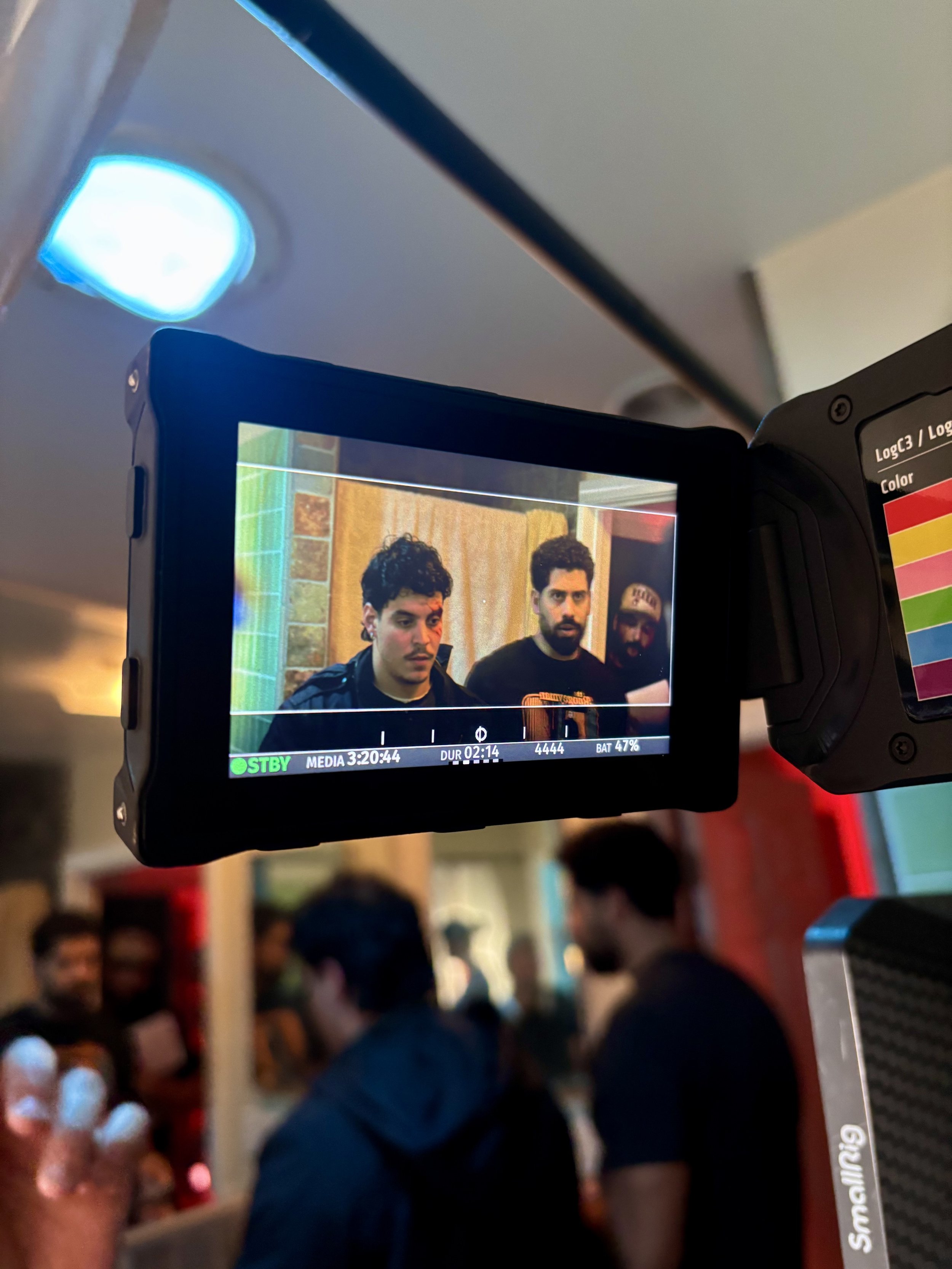
"I think the breath controls a lot of our emotions," he said, explaining that breath, or the lack of it, can dramatically change how a scene is experienced both by the actor and the audience. Rather than treating it as a technical tool, he viewed it as an extension of the character's emotional state. The result is a performance that often feels like it's operating on pure instinct.
What also became clear during our conversation was how closely he and Piñero worked together to build Victor's emotional journey. Because films are rarely shot in sequence, Dominguez found himself constantly tracking where the character was emotionally, especially given the story's eventual reveal.
There were moments where he admitted certain choices initially felt "counterintuitive" from a character perspective, but Piñero would remind him that the audience didn't yet have the information needed to understand those decisions. That ongoing collaboration became one of the foundations of the performance, with both actor and director carefully shaping how much the audience should understand at any given moment.

One of the most interesting discoveries from our conversation was learning that The Prowler is just one chapter in a much larger creative journey.
According to Dominguez, he and Piñero have been discussing and developing the larger feature film that inspired The Prowler for roughly three years. During that time, they've exchanged film recommendations, discussed character psychology, and explored influences that helped shape both the short and the planned feature. That long creative process helped Dominguez build a foundation for Victor long before cameras ever rolled.
While discussing influences, he mentioned Del Toro's work in Sicario as a major touchstone, specifically admiring the actor's restraint and stillness. He also pointed to Jake Gyllenhaal's performance in Nightcrawler, describing antagonists and antiheroes as some of his favorite types of characters to explore. Those morally complex performances clearly resonate with him, and you can see traces of that influence throughout The Prowler.
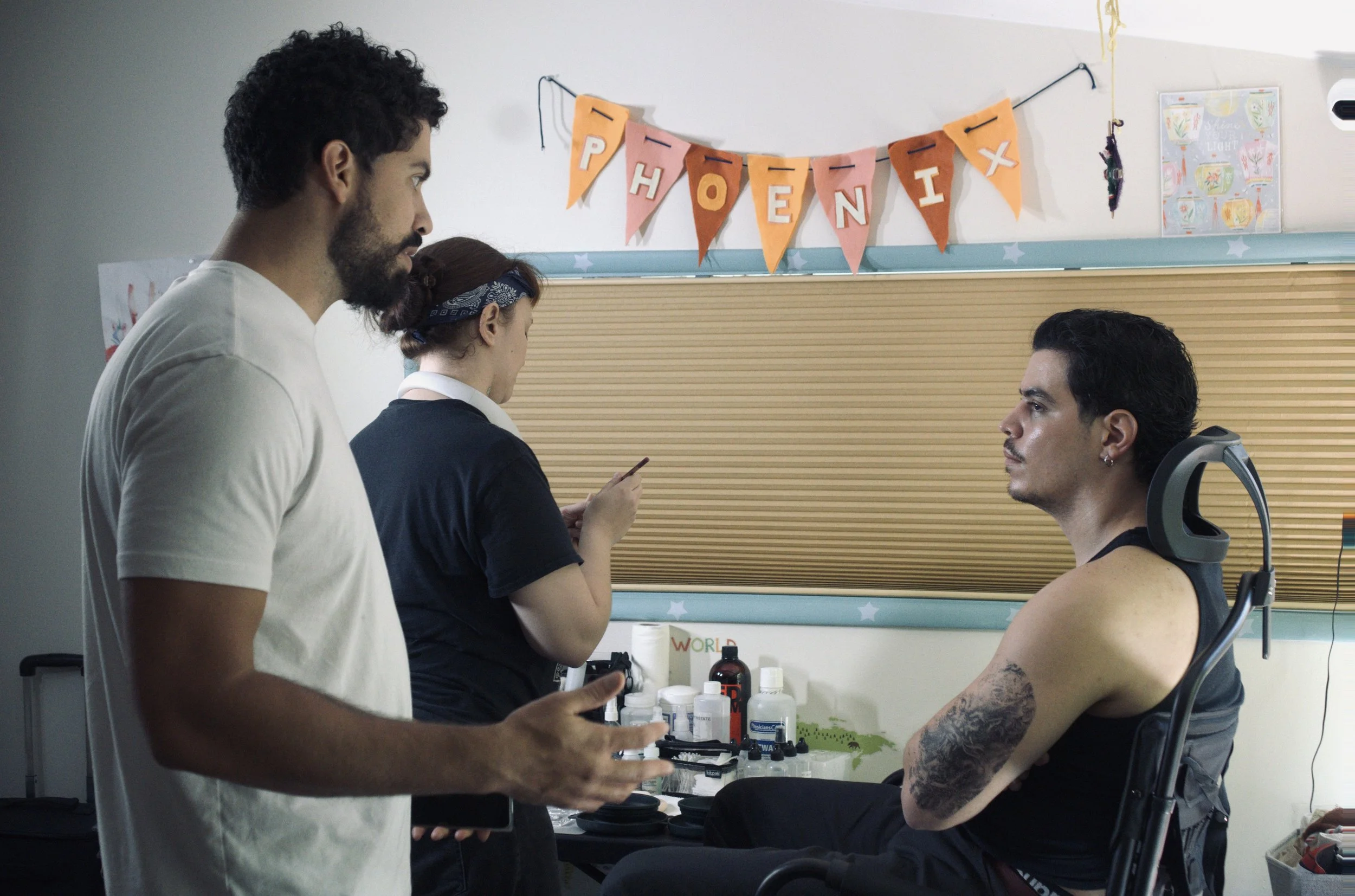
Honestly, one of the things I enjoyed most about our conversation had nothing to do with the short itself. Dominguez is simply someone who loves acting.
Talk to him for a few minutes, and it becomes obvious. He lights up discussing performances, filmmakers, character work, documentaries, and the creative process. There is no sense that he's going through the motions or repeating prepared answers. Instead, every response feels like it's coming from someone who genuinely appreciates the craft and is still actively learning from the actors and films that inspire him. That enthusiasm is infectious.
By the time our conversation wrapped up, it was impossible not to root for both him and this project.
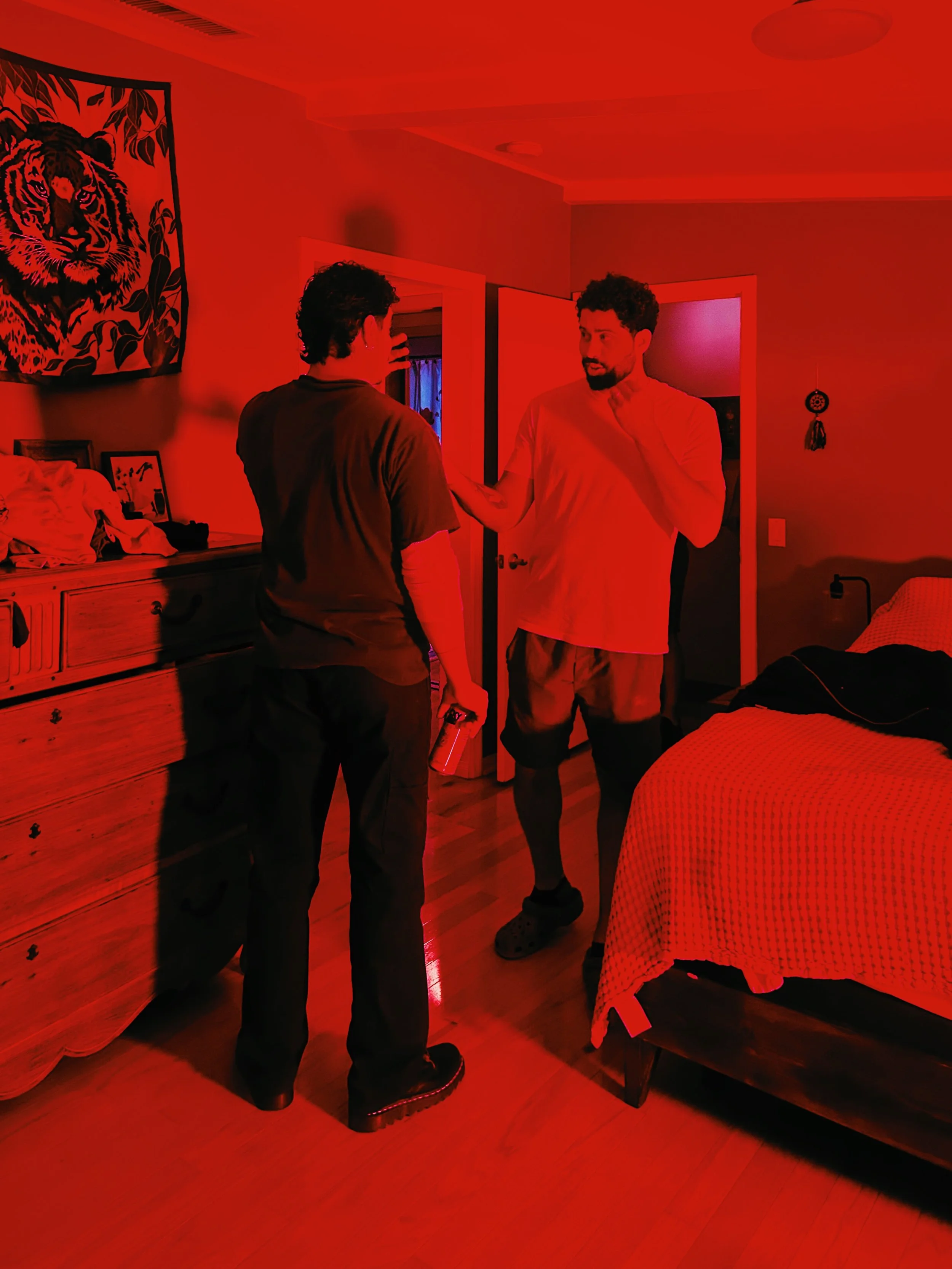
When I asked what he hopes audiences ultimately take away from The Prowler, his answer was simple and honest. First, he joked that he hopes viewers "lock their door at night." More seriously, he hopes audiences are entertained, feel the effort that went into the project, and leave wanting more. He wants viewers to experience everything they hope for from a psychological horror film, whether that's fear, suspense, tension, or simply the desire to immediately see what's next.
The Prowler showcases a side of Aaron Dominguez that audiences haven't often had the chance to see. It's restrained, layered, vulnerable, and quietly unnerving. More importantly, it proves that he has the range to move far beyond the charming roles many viewers already know him for.
If this short is any indication of what the eventual feature could become, both Dominguez and Piñero have something special on their hands.
Jessie Hobson