
Tim Riedel's Ancestral Beasts isn't interested in cheap scares or easy answers. This psychological horror debut digs into mental illness, family dysfunction, and intergenerational trauma, wrapping them inside a haunted house story that becomes increasingly unsettling the deeper it goes. While the film occasionally struggles with tonal inconsistency, it ultimately delivers a memorable and genuinely creepy horror experience anchored by a strong central performance from Morgan Holmstrom.
Four years after losing her mother, Elyse (Holmstrom) is barely holding her life together. Stress at work, mounting anxiety, and constant conflict with her sister Nikki (Darla Contois) push her toward a temporary retreat at her aunt's isolated rural cabin. What begins as an attempt to regroup quickly spirals into something far more sinister when Elyse discovers there may be more than raccoons living beneath the house.
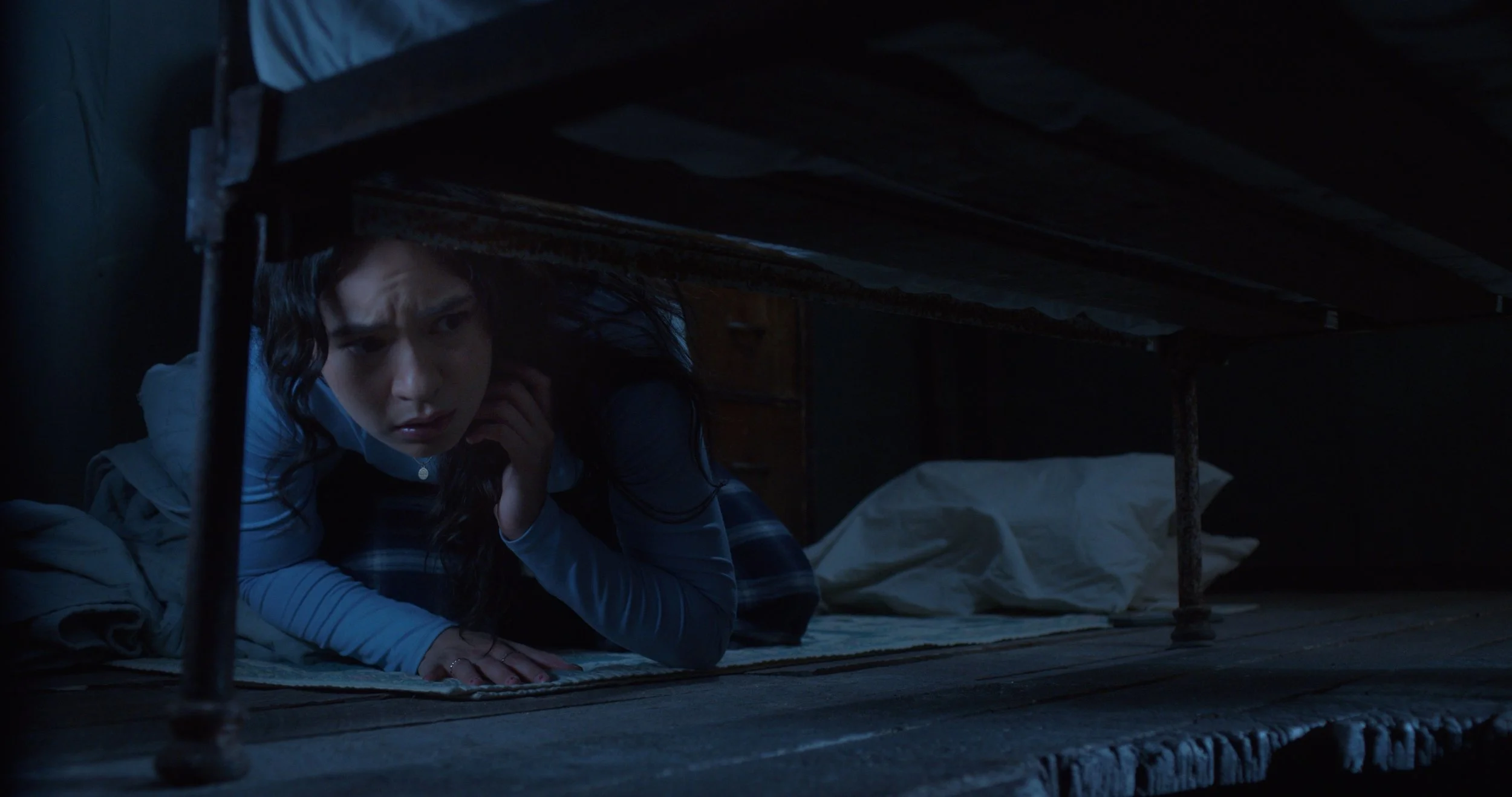
Riedel, drawing from his Red River Métis heritage, grounds the film's horror in emotional reality. The creature lurking under the cabin never feels like a metaphor awkwardly pasted onto a haunted house movie. Instead, Ancestral Beasts suggests that the house, the family history, the body, and the mind are all part of the same wound. The horror comes not simply from being watched, but from the feeling that whatever is watching Elyse knows exactly where she's most vulnerable because it was born from the trauma she inherited.
That emotional foundation is carried almost entirely by Holmstrom, who gives the film its beating heart. You can feel Elyse's discomfort in nearly every scene. Holmstrom spends much of the runtime looking completely at odds with the world around her, as though every interaction is something she has to survive rather than experience. It's an effective performance that keeps the audience invested even during the film's slower stretches.
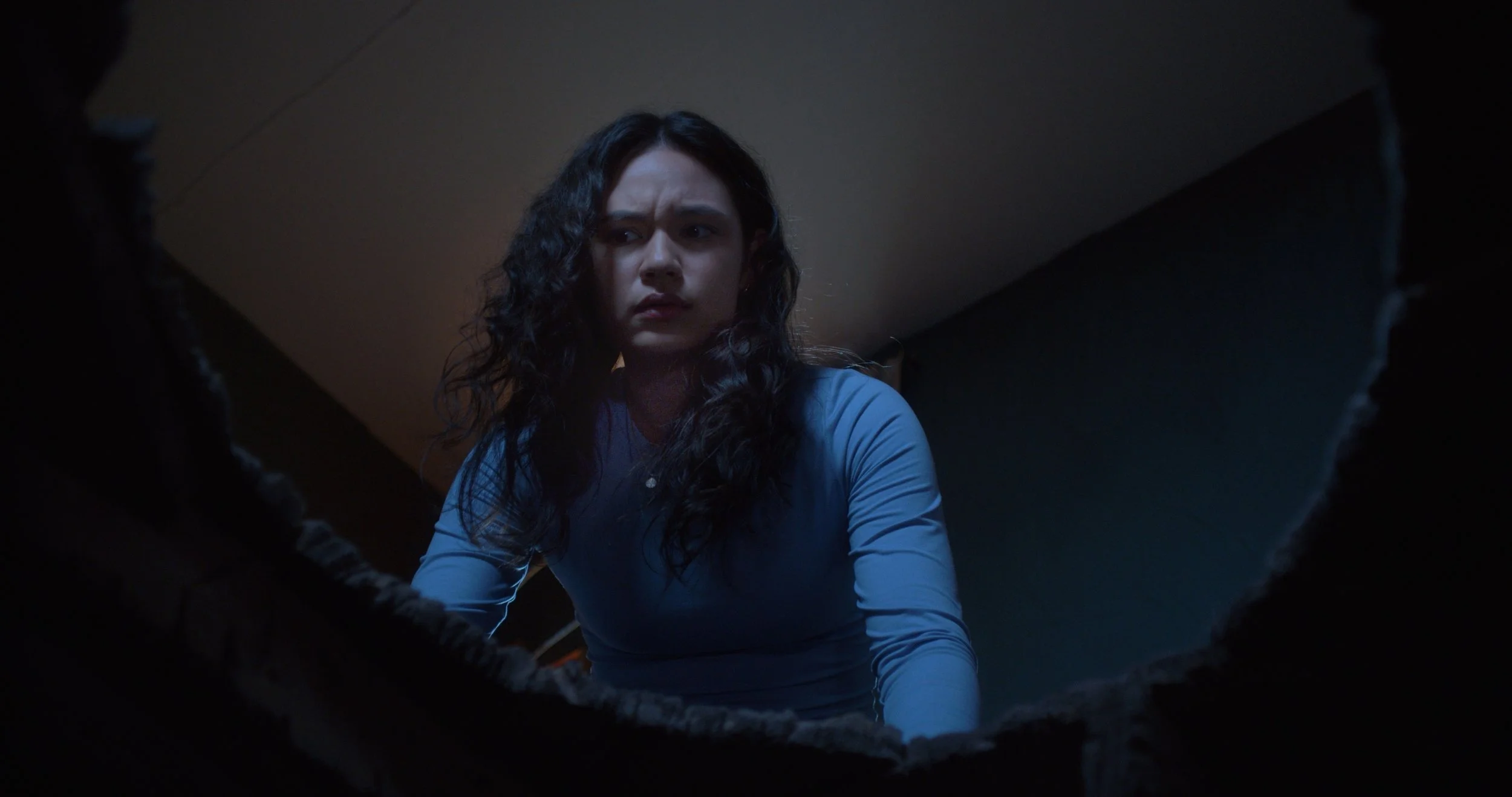
Contois, meanwhile, makes Nikki deeply frustrating in exactly the way the character needs to be. Nikki spends much of the film criticizing, questioning, or antagonizing Elyse, and the resulting tension feels painfully authentic. The casting across the family is particularly strong, with relatives actually looking related, helping strengthen the film's focus on lineage and inherited burdens.
The rural Canadian setting becomes one of the film's greatest assets. Riedel fills the screen with beautiful landscape photography that showcases the country's wide-open spaces and lonely highways. Having family in Canada, these stretches of road immediately took me back to childhood drives through the countryside. There's a real sense of nostalgia baked into the visuals, making the setting feel as important as any character. Even when terrible things are happening, the scenery remains striking.
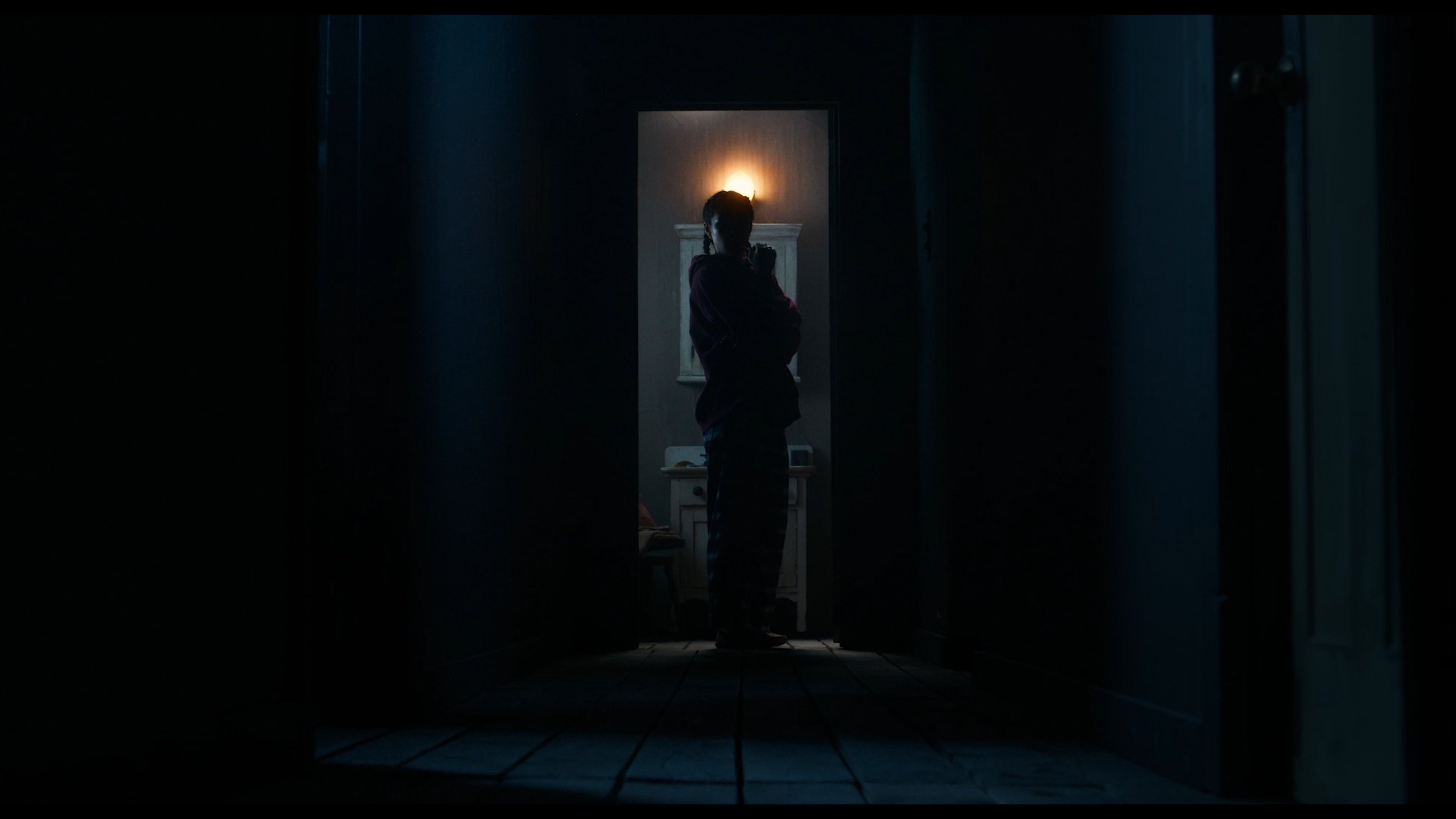
Unfortunately, the film occasionally works against its own atmosphere. Some sequences are shot with a polished, made-for-television aesthetic that occasionally evokes a Hallmark movie more than a horror film. The soundtrack can also be uneven. Several songs work nicely during driving and montage sequences, but they often feel disconnected from the darker tone the film is trying to establish. Thankfully, once Ancestral Beasts finally commits to being scary, it stays there.
The first act is a deliberate slow burn, but the payoff is worthwhile. The film's handful of kills mostly occur off-screen, yet they're surprisingly effective because of how they're staged and implied. Riedel demonstrates considerable restraint, allowing the audience's imagination to fill in the blanks.
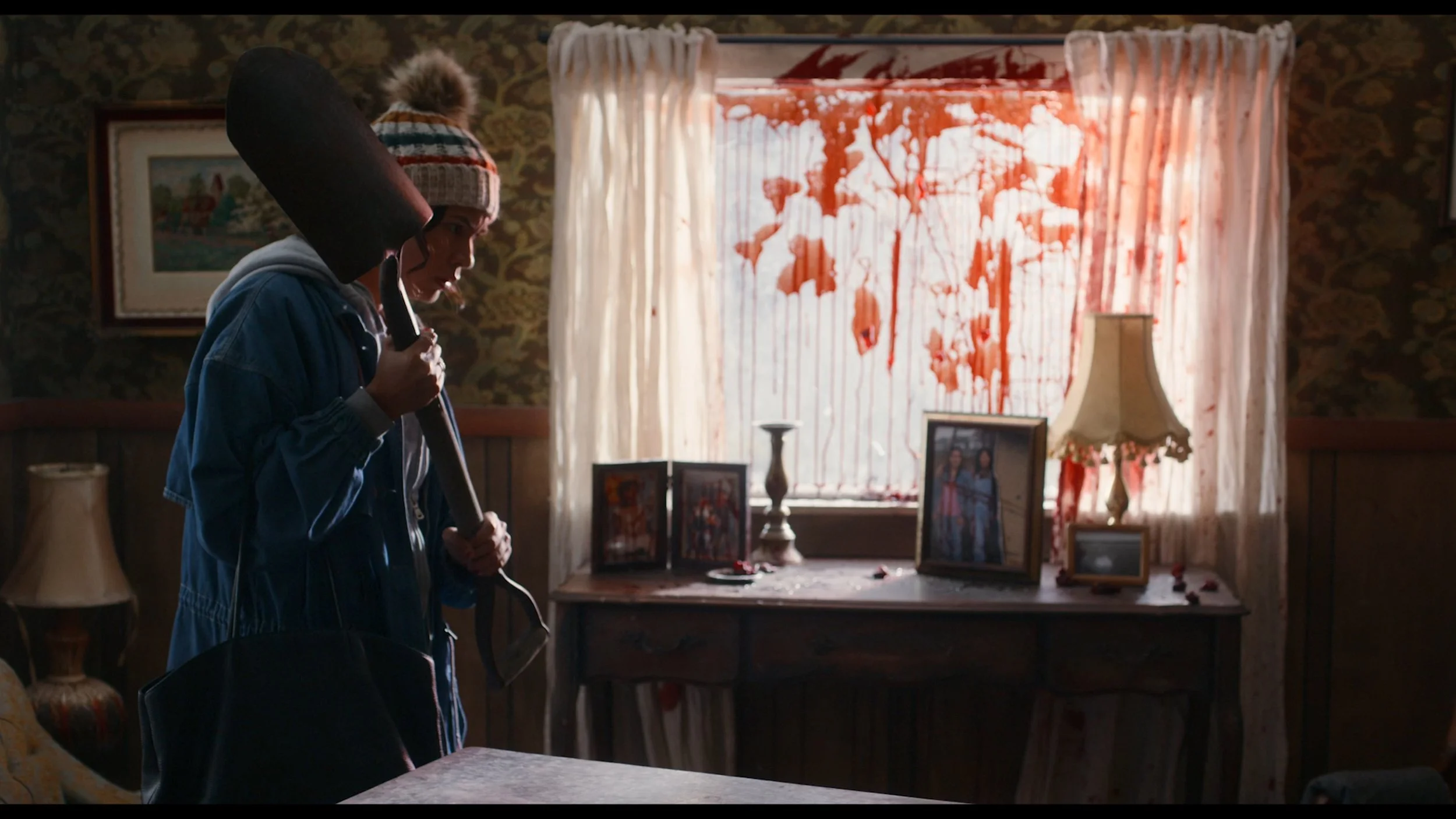
The practical effects also deserve praise. Blood splatter effects look convincing, the dead body makeup is solid, and the creepy hand-like creatures that emerge throughout the film are genuinely unsettling. The creature work feels tactile and physical in a way that modern CGI-heavy horror often lacks.
Even supporting characters leave an impression. Josh Strait's nosy neighbour Max is awkward, intrusive, and immediately suspicious. Whether he's trying to help or making things worse feels unclear for much of the film, and Strait effectively weaponizes that discomfort. As someone who recently discovered Corner Gas, it was also fun seeing him pop up here in such a vastly different role.
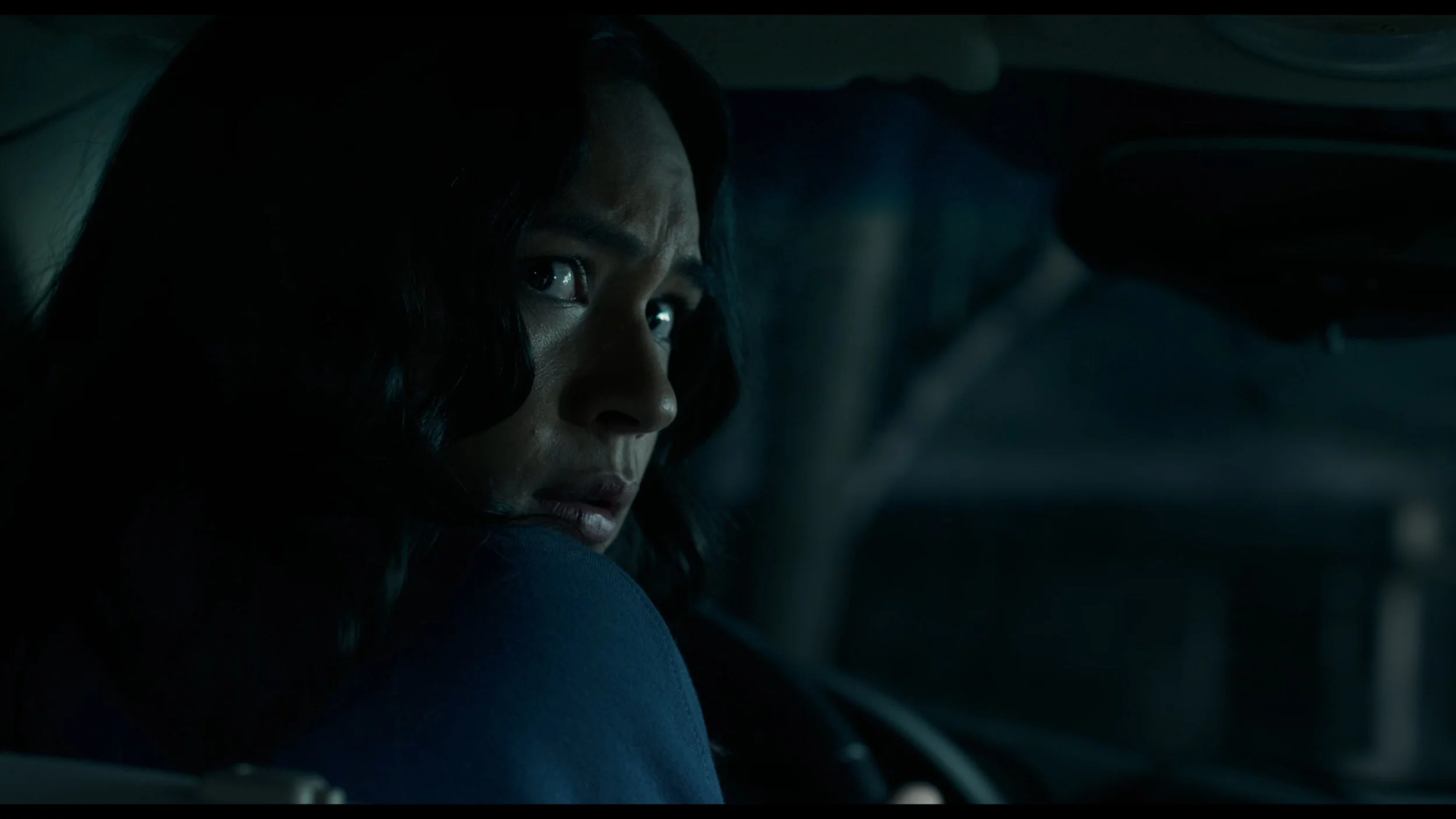
More than anything, Ancestral Beasts succeeds because it views healing and horror as interconnected rather than opposing forces. The film isn't simply about surviving a monster. It's about confronting the emotional systems that allow that monster to thrive. The result is a horror story that feels personal without losing sight of its genre roots.
The film closes on a powerful note with a Métis rendition of Anthems for a Seventeen Year Old Girl accompanying the credits. The song choice perfectly complements the film's themes of identity, grief, and healing, while the acknowledgment of Indigenous consultants and the largely Indigenous cast and crew reinforces the care taken in bringing this story to the screen. It's a thoughtful ending to a horror film that never loses sight of its cultural roots.
Ancestral Beasts may take its time getting under your skin, and its tone occasionally wobbles, but once the darkness arrives, it settles in comfortably. Tim Riedel's debut announces a filmmaker with a clear voice and a perspective worth following.
Jessie Hobson