
There was a certain kind of action movie that seemed larger than life when you were a kid. You'd walk through the living room for thirty seconds while your dad, your uncles, or their friends were watching some late-night action classic, catch a glimpse of a gunfight or a fistfight, and spend years imagining the rest of the movie in your head. It was probably louder, bloodier, and more dangerous in your imagination than anything that was actually on screen.
Bob Colaers' Attack on Paradise feels exactly like one of those movies. Loud, brutal, occasionally ridiculous, and powered by the kind of insane action that only seemed possible in your imagination.
Premiering at Fantasia Film Festival, Attack on Paradise is a relentless action thriller that somehow feels both old-school and completely fresh. It has the DNA of The Raid, Game of Death, Assault on Precinct 13, and even a touch of John Woo, but it never comes across as a copy. Instead, it takes those familiar ingredients and turns them into something uniquely its own.
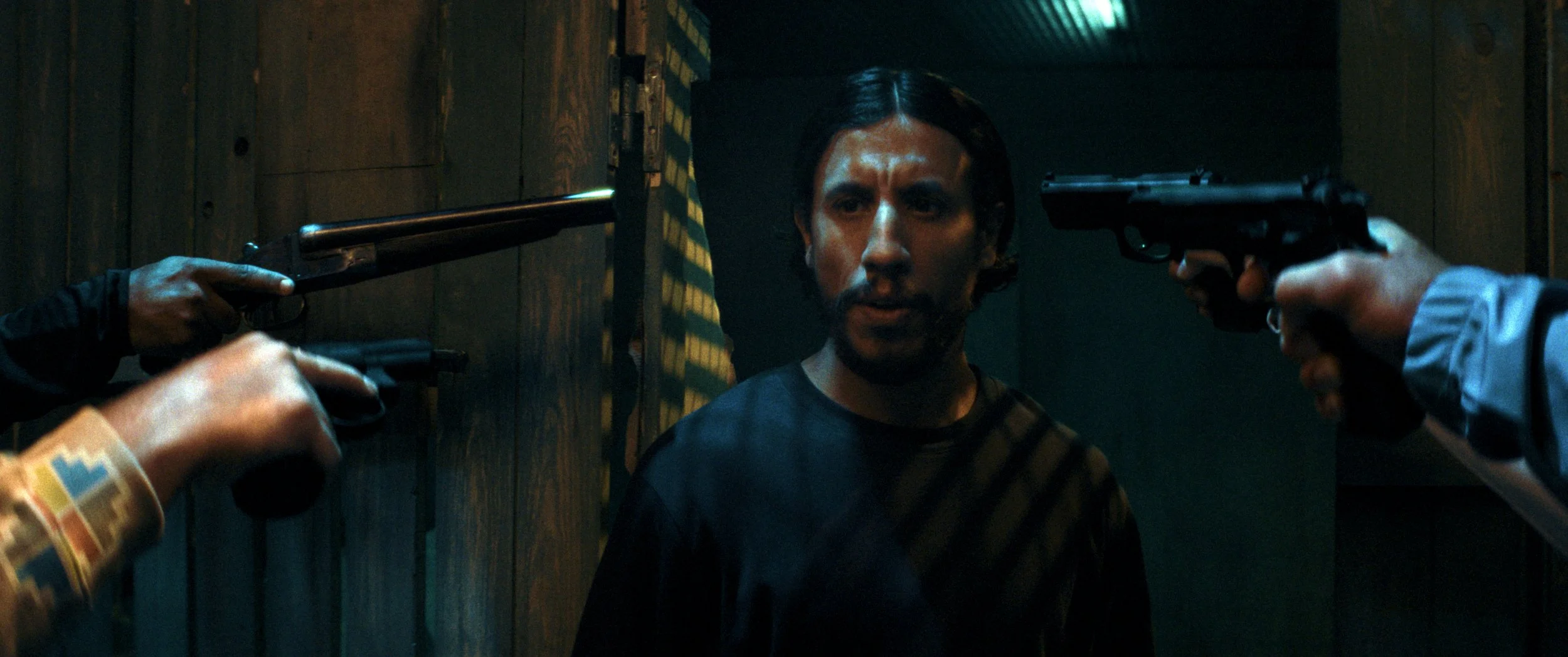
The setup is deceptively simple. After spending seven years in prison, Suleyman (Saïd Boumazoughe) returns home hoping to reconnect with his sick mother. Unfortunately, the apartment complex known as Paradise has been transformed into a fortress controlled by gangs and drug traffickers. When police launch a full-scale assault on the building, Suleyman finds himself trapped in the middle of a war zone and forced to fight his way upward, floor by floor, in a desperate attempt to reach his mother and get her to safety.
It's a familiar setup, but what immediately separates Attack on Paradise from countless action imitators is its world-building. Paradise isn't just a location. It's a living, breathing ecosystem filled with criminals, corrupt authority figures, innocent residents, and larger-than-life personalities. The film wisely avoids simple good-versus-evil storytelling. Nobody here is completely clean. Even Suleyman carries the weight of his past, making him a far more compelling protagonist than the typical action hero. We're rooting for him not because he's perfect, but because he's finally trying to do the right thing.
The structure itself is wonderfully old-school. Paradise becomes a giant tower climb, with Suleyman and rookie police officer Yasmine (Clara Cleymans) battling their way upward through increasingly dangerous floors. The Game of Death comparisons are unavoidable, but they're earned. Each level introduces a new challenge, a new personality, and a fresh obstacle standing between Suleyman and his mother. By the time the film settles into its rhythm, it starts feeling like a video game campaign brought to life.
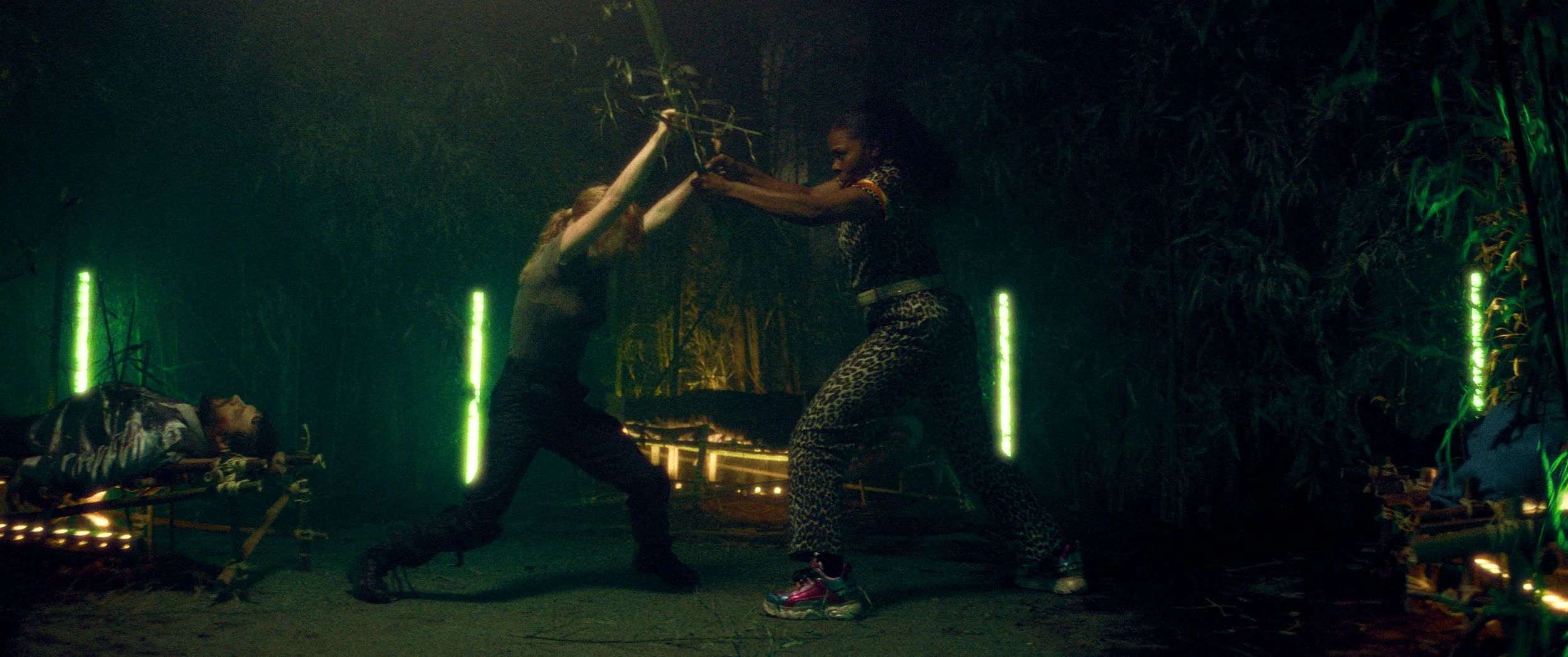
And thankfully, the filmmakers understand that a setup like this lives and dies by its action. One of the smartest choices the film makes is grounding its fight scenes in mixed martial arts. Jamal Ben Saddik's terrifying presence as the aptly named enforcer, The Lion, lends authentic danger to every confrontation. Nobody feels invincible, and every fight hurts.
There are a lot of fights. A lot.
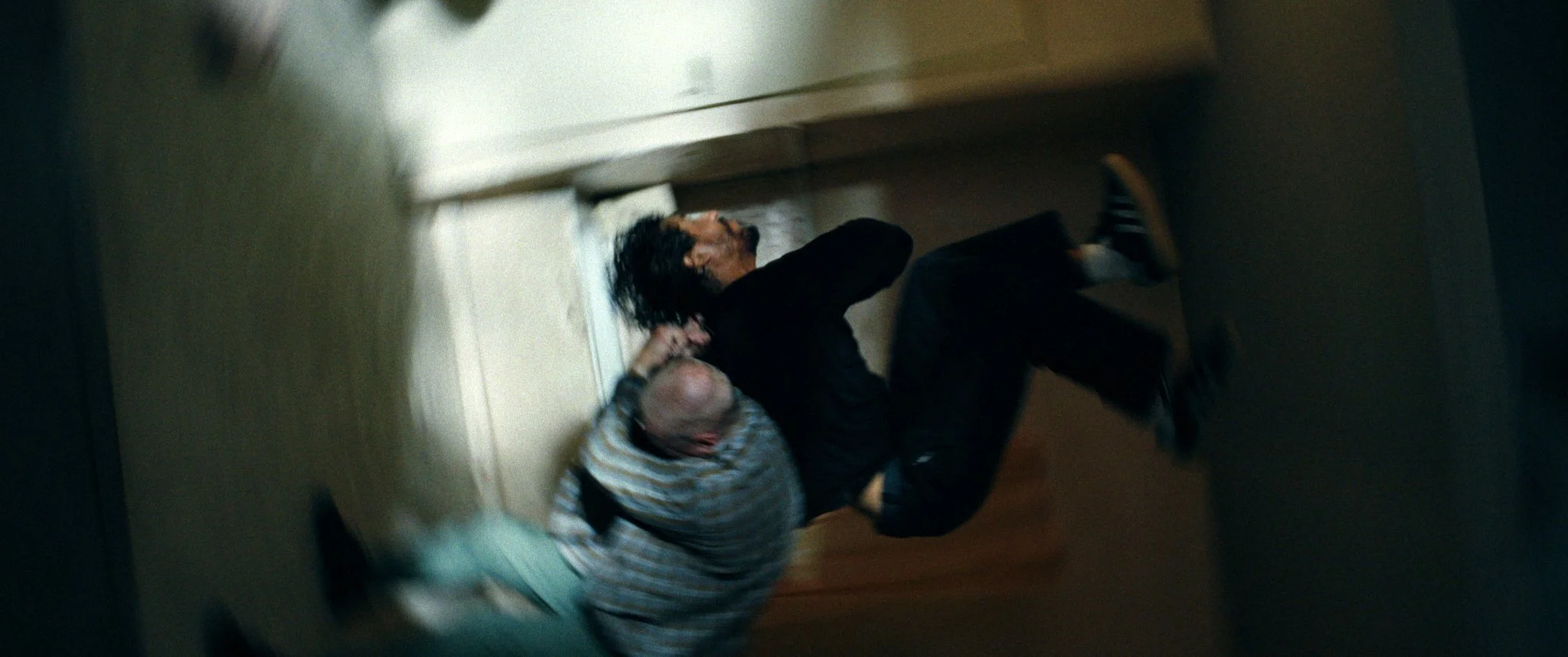
What keeps them from becoming repetitive is the sheer creativity on display. The filmmakers constantly find new ways to stage the mayhem. There's a surprisingly effective fight on a waterbed. Another unfolds beneath black lights while smoke pours through the room, creating one of the film's most striking visual sequences. Elsewhere, the action shifts perspectives through surveillance feeds, night-vision footage, and first-person viewpoints. Combined with Brian Ent's sharp editing, the action remains clear and easy to follow even when complete chaos breaks out.
The violence deserves its own round of applause. Some of these shootouts would make Chow Yun-Fat smile. Bullets tear through walls and bodies with reckless abandon, and the blood effects give every impact satisfying weight. The knife kills are especially brutal. There's an unapologetic nastiness to the violence that feels practical and tactile in an era where many action films default to weightless digital spectacle.
The closest comparison is a less stylized John Wick, replacing elegance and mythmaking with grit, desperation, and survival. The film lacks the sleek operatic quality of that franchise, but compensates with pure momentum. Once it gets moving, it rarely lets up.
That momentum is fueled by Maxim Lany's score, which leans heavily into pulsating house and techno influences. The propulsive electronic soundtrack turns every hallway sprint and gunfight into an adrenaline rush.
Then there's one sequence that deserves to become an instant crowd favorite.
A brutal fight erupts inside a bar-strip club while Vanessa's "Upside Down" blasts through the speakers. The contrast between the upbeat music and the onscreen carnage is perfect. It's the kind of juxtaposition action fans dream about, where something horrific is happening while a completely inappropriate song transforms the entire scene into pure entertainment. It's worth the price of admission on its own.
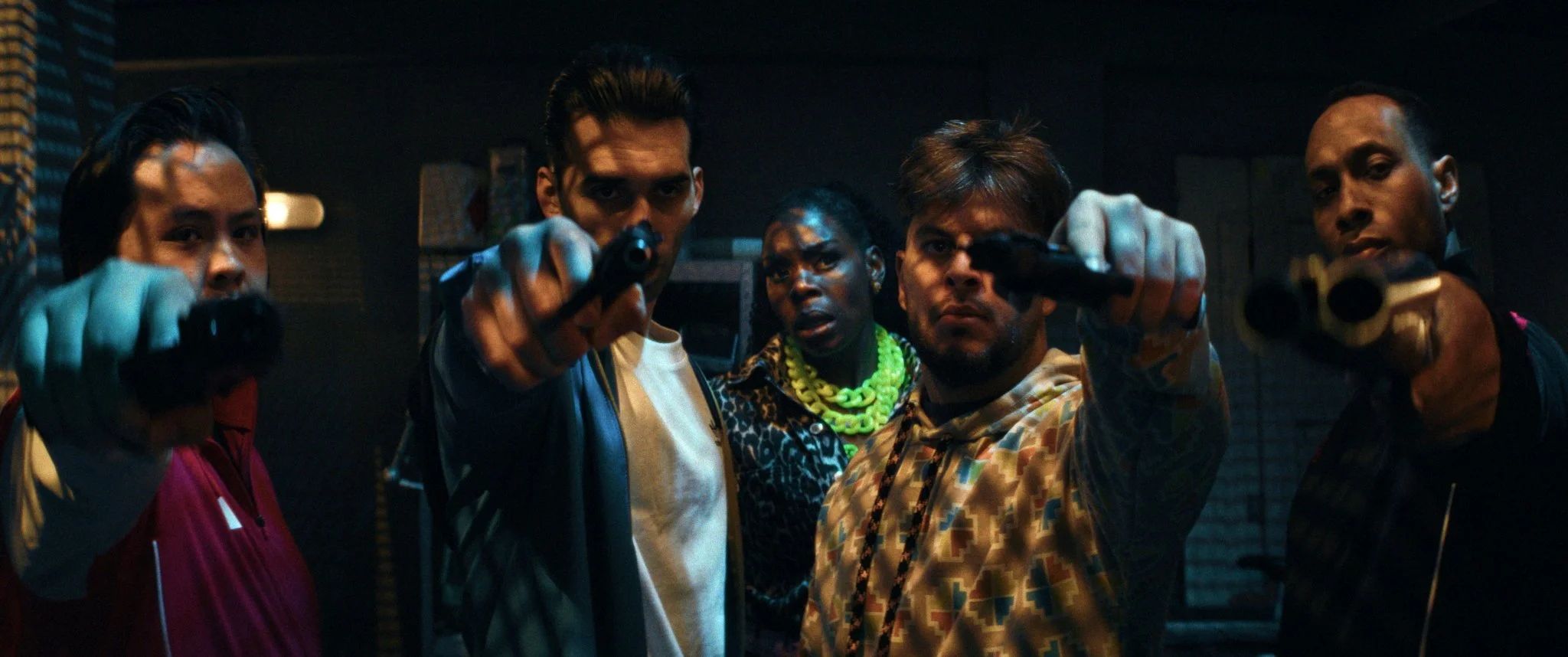
For all the broken bones and flying bullets, Attack on Paradise never completely abandons its humanity. Funny, awkward, heartbreaking, and painfully real moments are scattered throughout the chaos, grounding the action in genuine emotional stakes.
That's ultimately what separates Attack on Paradise from countless direct-to-streaming imitators. Paradise may be a terrifying place, but it's still home. The film understands that the most memorable action movies aren't just about what the heroes are fighting against, but what they're fighting for.
When the dust finally settles, Attack on Paradise feels like it has run a marathon directly through your nervous system. It's unrelenting, often exhausting, and almost never pauses long enough to let you catch your breath. Frankly, you're probably going to need a nap afterward. And that's a compliment.
Packed with inventive action, memorable characters, strong world-building, and enough adrenaline to sustain an entire festival crowd, Attack on Paradise is the kind of movie I spent years imagining after catching thirty seconds of some late-night action film while walking through the living room. The difference is this one actually exists.
It's far too good for its own good, and one of the biggest crowd-pleasers Fantasia has to offer.
Jessie Hobson