
I'm not usually a folk horror guy, but Valley of the Horntak had a couple things working in its favor before the lights even went down. First, the premise of a missing child, a strange cult, and fungus-fueled nightmares sounded intriguing enough. Second, Vernon Wells is in it.
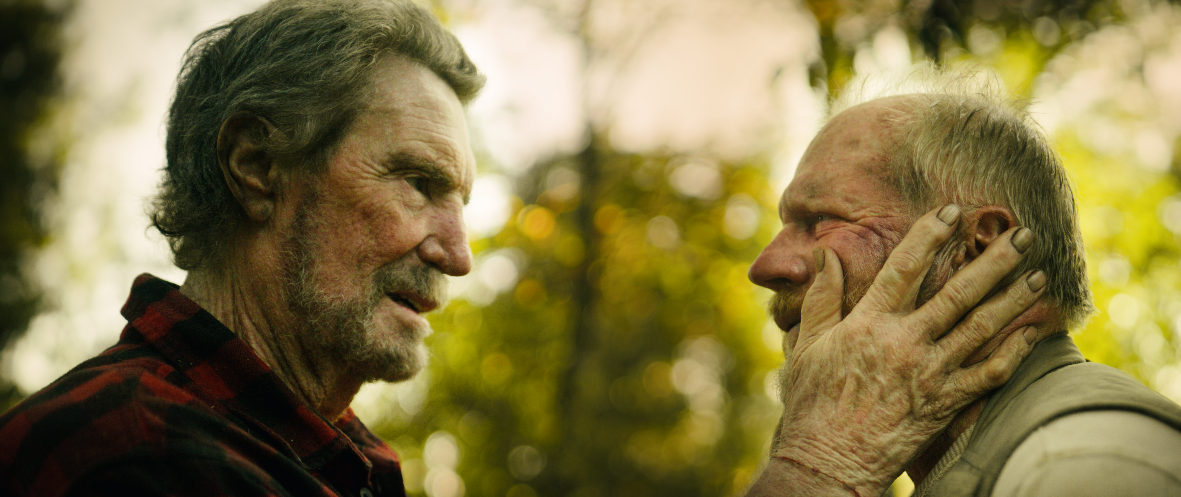
Look, my dad probably shouldn't have shown me The Road Warrior at the age he did, but here we are. Thanks to that questionable parenting decision, I've spent most of my life appreciating weird, brooding, unhinged villains. Wells' Wez remains one of the great wasteland psychopaths, so anytime he's attached to a genre film, I'm paying attention.
The movie opens with Wells' unmistakable voice guiding us into the story through an extended narration sequence. His voice alone adds weight and atmosphere, helping establish the mythology of Horntak Valley while the camera glides over the forests and wilderness below. Combined with a surprisingly strong score, the opening generates a genuine sense of anticipation. Unfortunately, anticipation is something the film asks you to hold onto for quite a while.
Written by Maxwell Morro and Erik Weed and directed by Morro, Valley of the Horntak follows an estranged father and son searching for a missing boy in the woods, only to uncover a cult known as the Rite of Cycle and the horrifying secrets buried within their own bloodline.
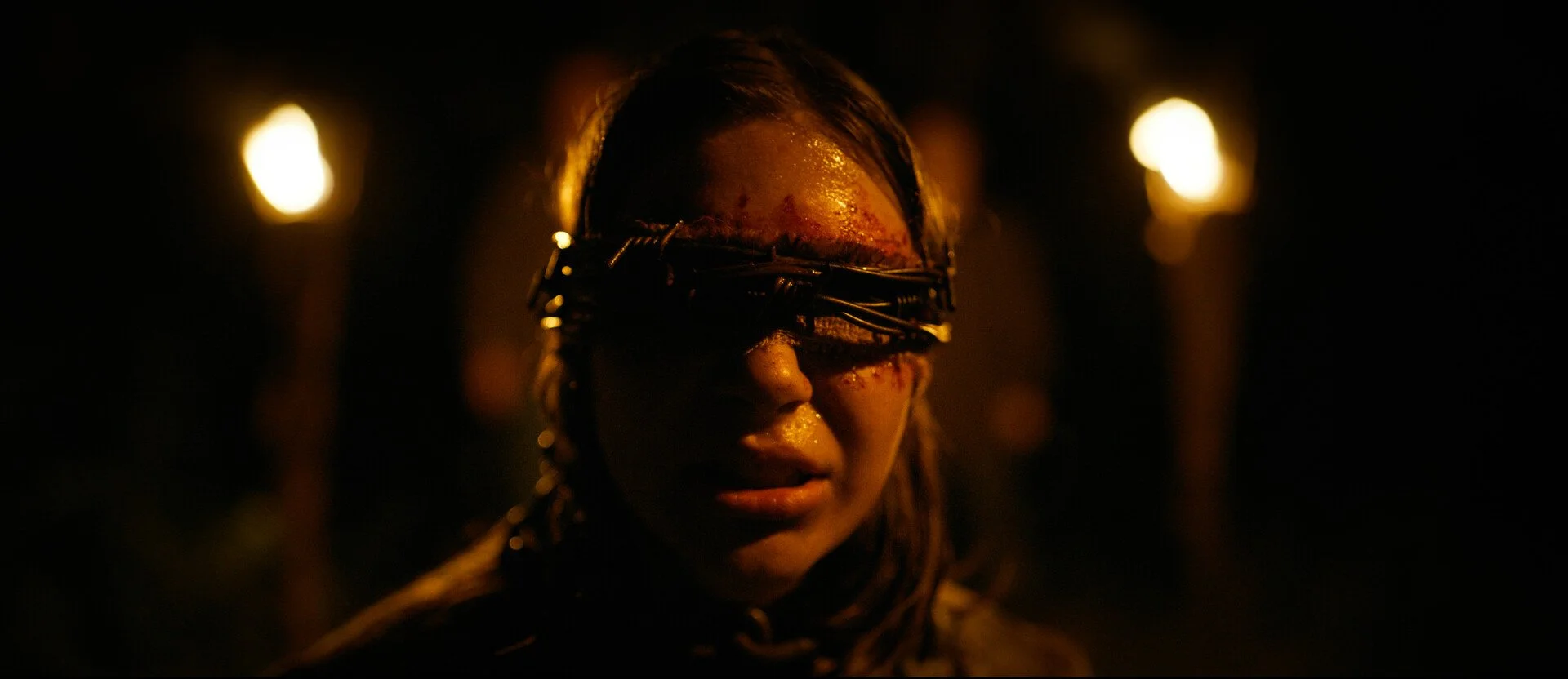
The setup isn't bad. In fact, the mythology surrounding the cult and the fungal creatures lurking around the valley is one of the movie's strongest assets. The problem is getting there. There's a lot of exposition. A lot.
The first 35 minutes feel like an endless cycle of talking, driving, explaining things, and then explaining a few more things. The film introduces multiple story threads involving missing children, family histories, cult rituals, and inherited destinies. While some of these pieces eventually come together, the narrative often feels disjointed on the way there. More than once, I found myself trying to figure out exactly which subplot the movie wanted me to focus on.
Visually, the film is a mixed bag. The forests themselves are gorgeous. Cinematographer Lucas D. Miller clearly knows how to photograph nature, and the woods become a character of their own. But for a folk horror film that wants to feel lived-in and isolated, everything sometimes looks a little too polished. Clothes look fresh off the rack. Vehicles look freshly rented. Nothing feels weathered enough. Folk horror usually thrives on grime, decay, and the sense that people have existed in a place for generations. Here, the presentation occasionally feels a little too clean.
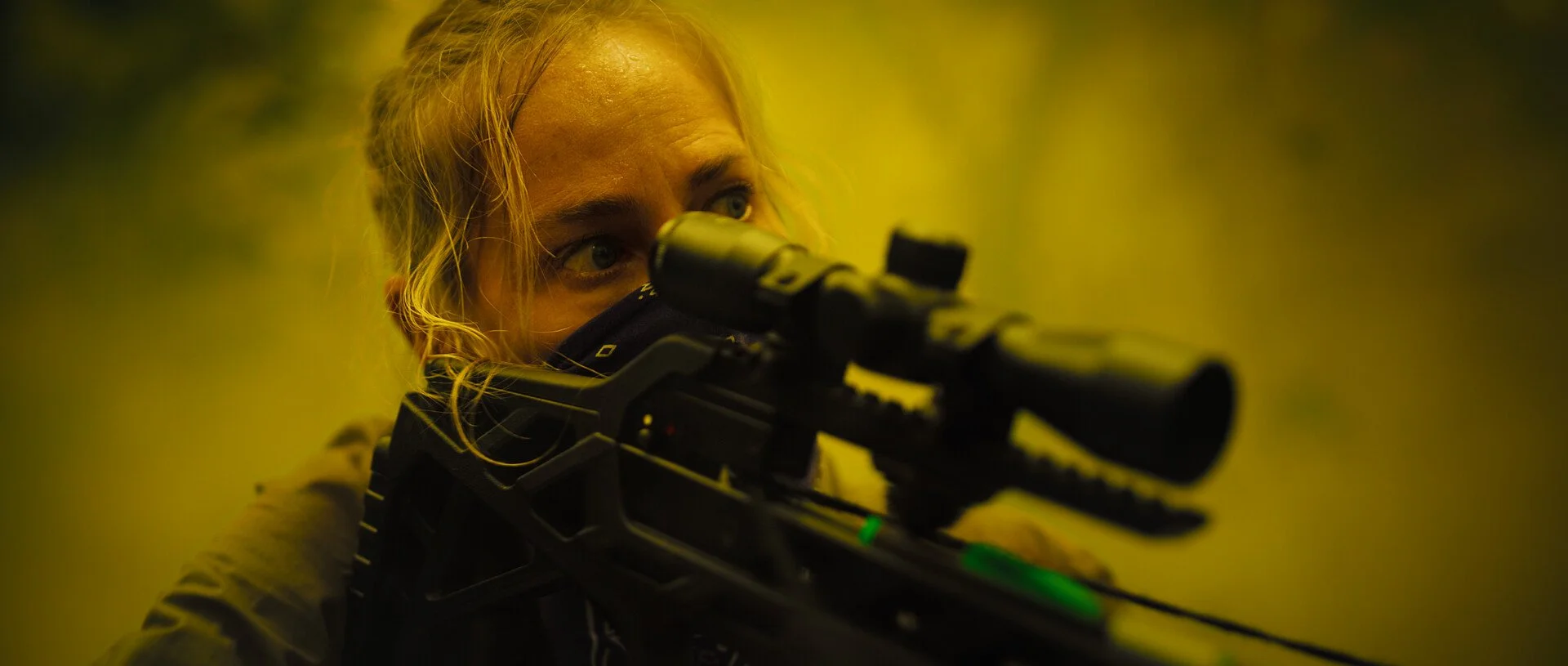
The cast does solid work throughout. Kathleen Kinmont is a welcome presence as Natalie. Genre fans know her from Halloween 4, Bride of Re-Animator, Renegade, and That Thing You Do!, and her experience shows. She brings credibility and warmth to material that often threatens to become bogged down in exposition.
Young actor Rex Crane also deserves credit. As Adam, the missing child whose disappearance sets everything in motion, he handles the role well despite some uneven editing and effects around him. I bought into his fear, and that's important when so much of the story depends on audience investment in his situation.
One of the film's biggest surprises is Michael G. Kehoe in the role of Julian. While he wasn't really on my radar before this, he brings a level of sincerity that keeps the movie grounded. Kehoe clearly understands character work, and his performance often carries the emotional weight of the story better than the screenplay does.
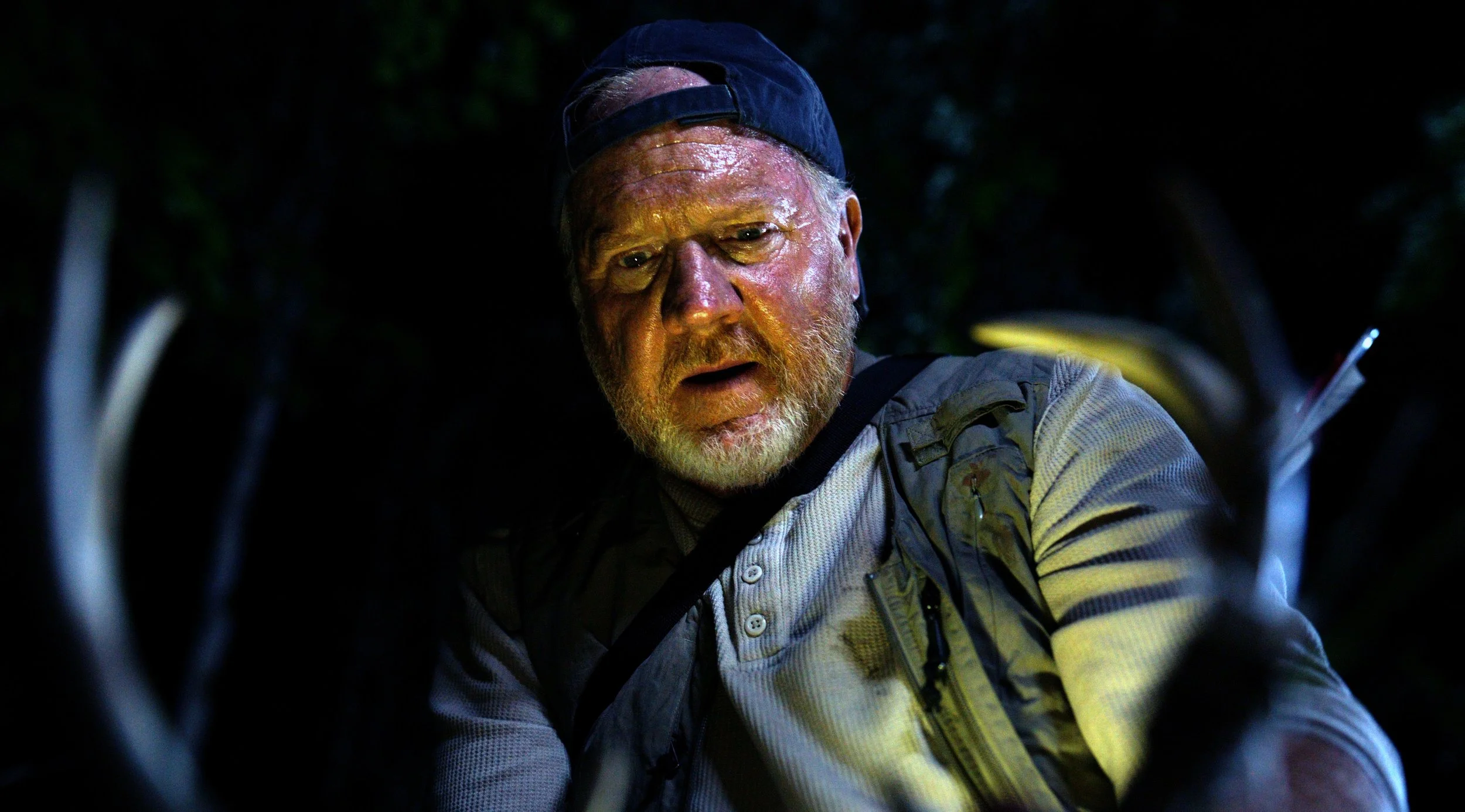
It was also cool to see Clarence Felder around the film. With credits ranging from A Nightmare on Elm Street 5: The Dream Child to The Last Boy Scout, Ruthless People, and After Hours, he's one of those veteran performers genre fans always enjoy spotting.
The good news is that once Valley of the Horntak finally gets moving, it becomes a significantly more entertaining film.
The practical effects are where the movie really shines. The combination of creature effects, makeup work, wounds, fungal imagery, and invasive roots creates an effective atmosphere. The CGI can be inconsistent. There's one deer effect that looks rough enough to pull you right out of the movie. Thankfully, the creature work and killer root sequences more than compensate.
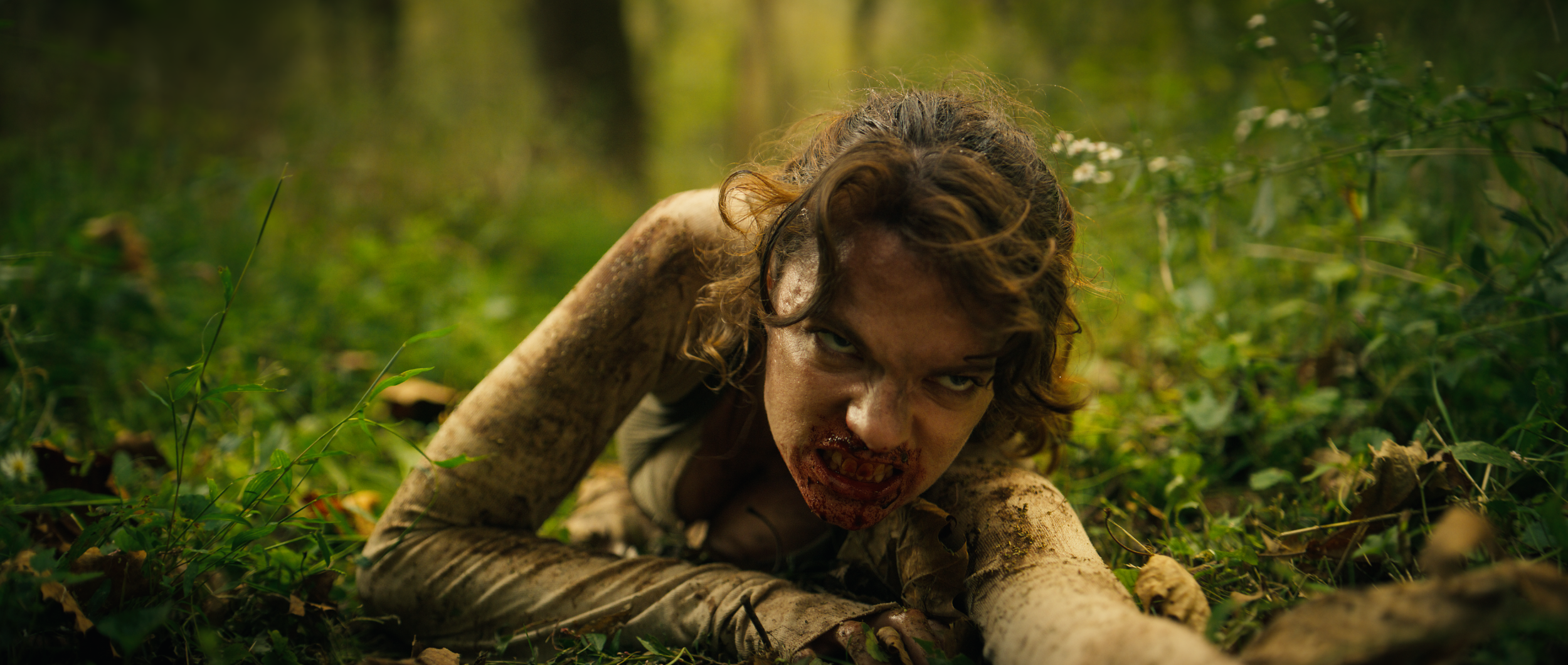
By the final act, the movie starts delivering on the promises made by its premise. The blend of practical effects and digital enhancements creates several genuinely memorable moments, and the creatures themselves leave a stronger impression than many recent low-budget horror efforts.
What's ultimately frustrating about Valley of the Horntak is how close it comes to being something truly special. The mythology is interesting. The forest is beautiful. The score is excellent. Vernon Wells adds instant credibility every time he appears, and the practical effects team clearly brought their A-game.
But the film spends so much time building its world that it sometimes forgets to entertain along the way. The emotional moments don't land with the impact they're aiming for, and the tangled web of subplots often dilutes the tension rather than strengthening it.
Still, horror fans willing to sit through a slow opening will find a worthwhile payoff waiting in the woods. It may be a bit of a slog getting there, but once the spores start spreading and the roots start growing, Valley of the Horntak finally becomes the movie it should have been all along.
Jessie Hobson