
Jing Ai Ng’s Forge wastes no time easing the audience in. It drops you straight into the shady mechanics of the art trade, a world of quick handshakes, quiet reputations, and paintings that change identities faster than their owners. That opening is sharp and confident, almost deceptively so, because once the initial jolt fades, the film settles into a long stretch of careful setup that never quite regains that early intensity.
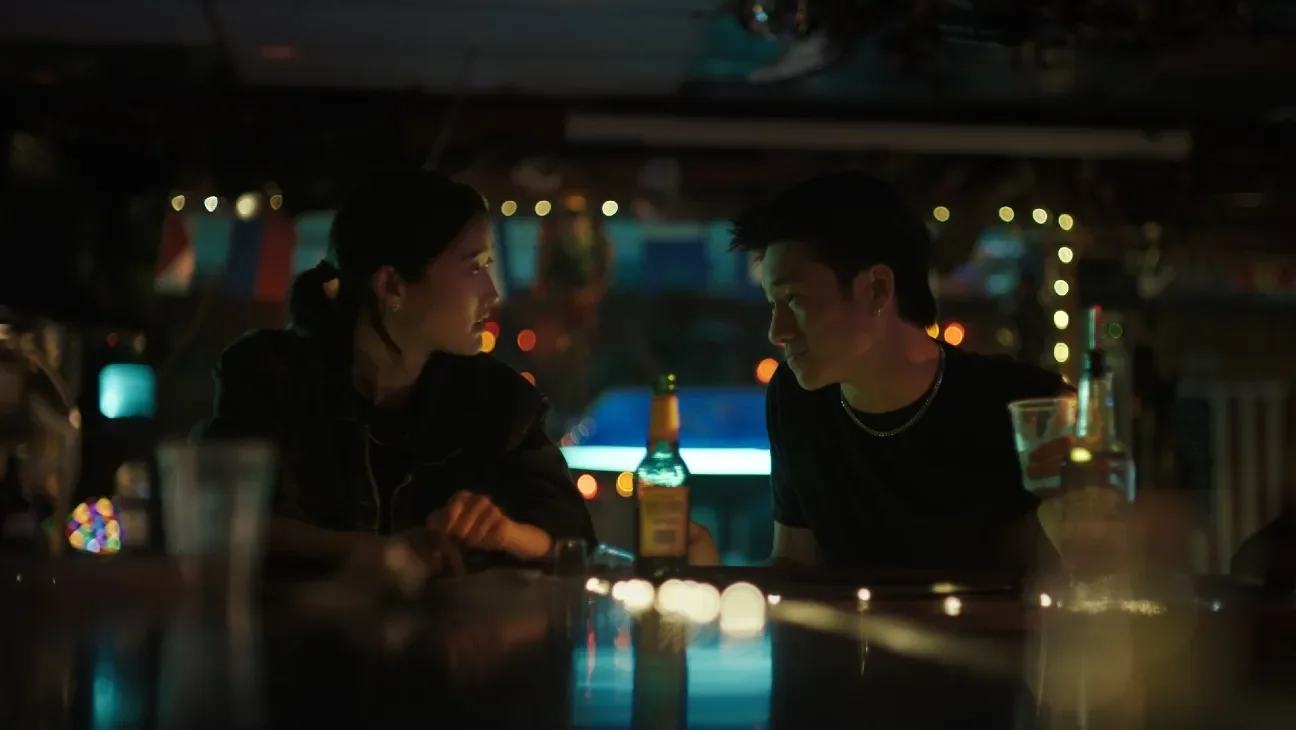
Set in Miami, the film follows siblings Raymond and Coco Zhang, small-time art forgers with just enough technical skill and ambition to keep themselves afloat. Their operation catches the attention of Holden Beaumont, a disgraced millionaire whose solution to financial ruin is to fabricate an entire legacy. From there, the story expands outward, bringing in FBI art crimes agent Emily Lee and slowly tightening its web until everything converges inside the Zhang family’s dim sum restaurant.
On paper, it is a familiar con story. What Forge does well is locate that story within a specific cultural and geographic tension. There is an undercurrent of solidarity within the Chinese diaspora here, one shaped by distance, immigration, and inherited obligation. The siblings’ loyalty to family and community complicates what might otherwise be a straightforward crime narrative, and the film is at its most interesting when it lets those dynamics quietly exist rather than spelling them out.
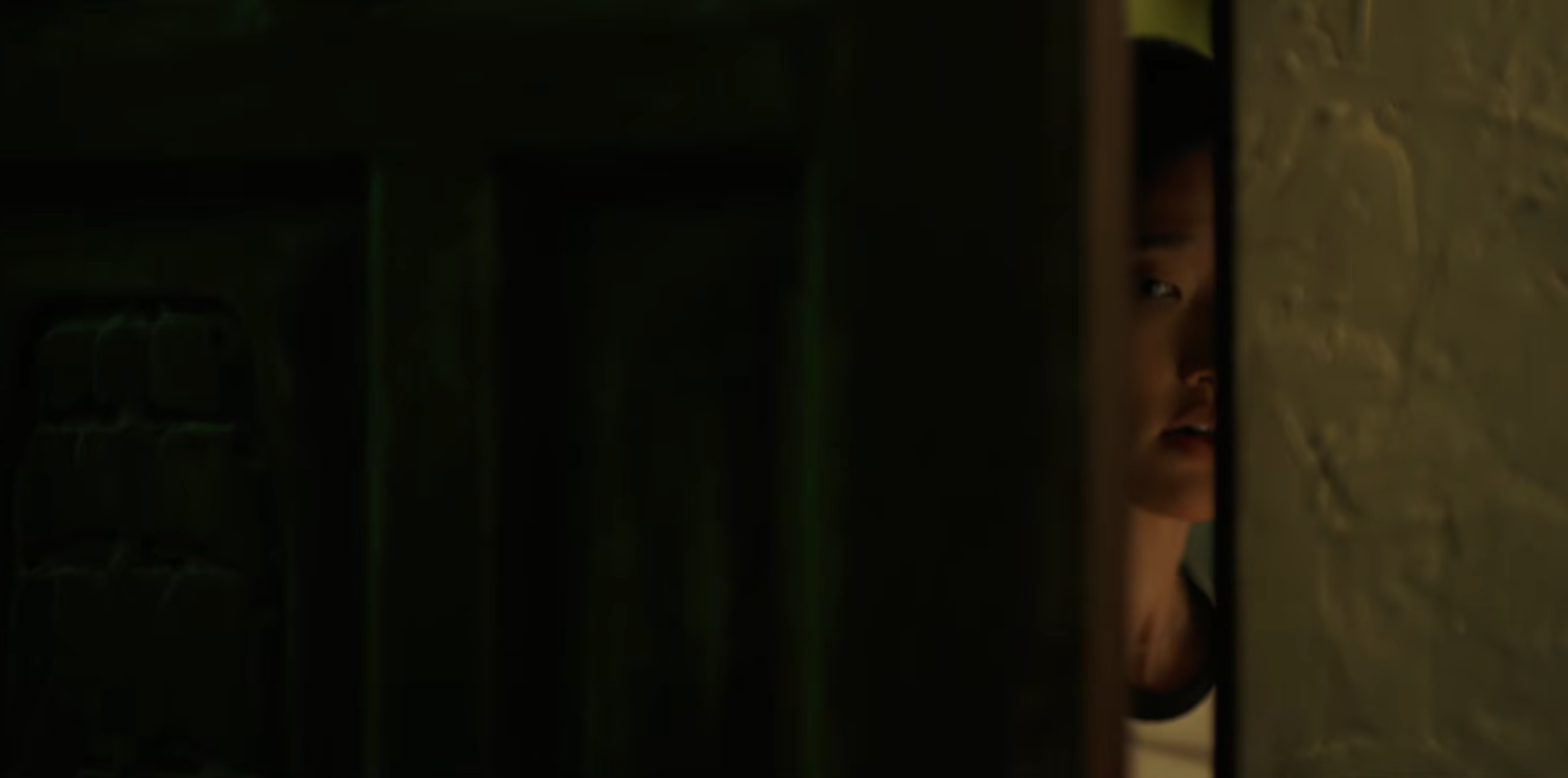
Visually, Forge has a strong sense of place, less interested in Miami as a backdrop than as a system that the characters move through. The film captures the city as a series of interiors, offices, restaurants, and in-between spaces where deals are brokered and identities are quietly negotiated. Jing Ai Ng often uses shallow depth of field, frequently racking focus between characters mid-conversation, a choice that mirrors the shifting alliances and attention within these rooms. At its best, the technique underscores subtle power dynamics and emotional recalibrations. Less successfully, it begins to feel like a default stylistic habit, a visual flourish that draws the eye without always deepening the moment.
The performances are uneven across the board. Some actors slide comfortably into the film’s slightly heightened tone, while others feel rooted in a different register altogether. Kelly Marie Tran brings a welcome steadiness to Emily Lee, grounding the procedural side of the story even when the plotting grows thin. Edmund Donovan’s Holden Beaumont has menace but drifts dangerously close to caricature.

Andie Ju, however, stands apart. Her Coco is magnetic, precise, and quietly funny. Every time the camera settles on her, the film feels more alive. There is a genuine sense of craft in how she plays Coco’s fascination with art, not just as a hustle but as a language she genuinely understands. When Forge leans into that relationship between forgery, authorship, and identity, it flirts with something genuinely compelling.
Unfortunately, the film struggles to bring its threads together. The ending, while thematically tidy, feels weak and rushed, opting for closure over messiness. Given how much time is spent on setup, the final convergence lacks the emotional payoff it promises, particularly for a story so invested in family and consequence.
Still, Forge is an assured debut with clear interests and moments of real texture. It does not always know how to balance its elements, and it occasionally mistakes atmosphere for momentum. But its curiosity about art, authenticity, and the quiet negotiations of survival gives it a distinct voice. When it works, it feels like the start of something more interesting than the con itself.
Jessie Hobson