The UK’s participatory theatre sector has moved steadily from the margins of arts programming toward the centre, with funders and venues increasingly treating inclusive workshop work as integral to a producer’s portfolio rather than supplementary outreach. Theatre producer Qiaoran Li, currently completing a Master’s degree in Applied Theatre at the Royal Central School of Speech and Drama, has positioned this strand of work as a sustained focus alongside her commercial production credits.
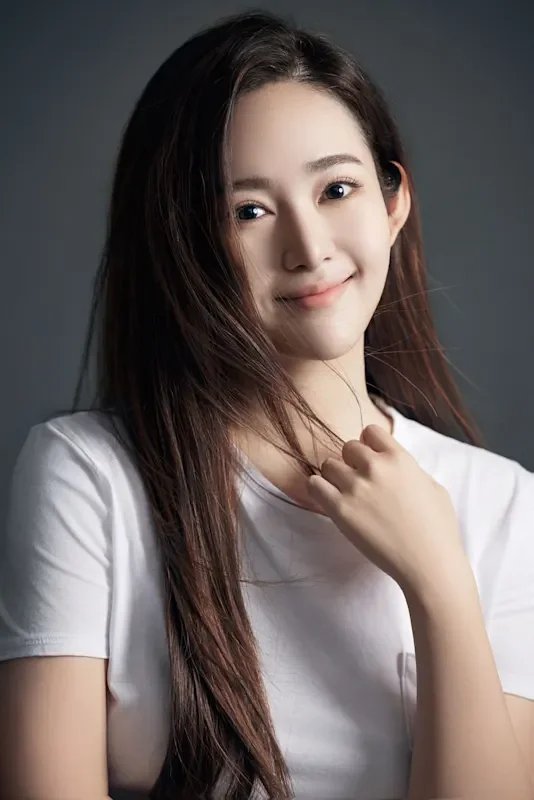
In 2026, Li launched a series of inclusive arts workshops in the UK for participants with intellectual disabilities and Down syndrome. The sessions use movement-based performance and collaborative enactment to support creative expression and social engagement, drawing on workshop practices Li developed during a decade of community programming in China.
From University Workshops to Inclusive Practice
Li’s workshop background predates her UK production work by several years. While based in China, she organised more than ten theatre events and workshop programmes for students and community participants, including sessions hosted at Fudan University and Shanghai Jiao Tong University. The workshops focused on narrative performance, improvisation, and ensemble-based practices — the same foundational areas she now adapts for participants with cognitive and developmental differences.
According to participant feedback collected by Li, attendees in the UK workshops have reported increased confidence in group settings. The format relies less on dialogue-driven performance and more on shared physical sequences, an approach Li selected for its accessibility across communication styles and cognitive profiles.
A Shift in How UK Arts Organisations Frame Inclusion
The expansion of Li’s inclusive arts programming arrives as UK arts organisations increasingly reframe participatory work. Where outreach programmes were once positioned as community-facing extensions of mainstage productions, more venues and producing companies now treat inclusive workshops as central to their artistic identity.
For producers entering the UK market, the shift creates a clearer pathway for combining commercial and community work without treating one as the support function of the other. Li’s portfolio reflects that pattern: her workshop series runs in parallel to her commercial production credits, not beneath them.
The dual track also reflects the structure of Li’s postgraduate training. Applied theatre as a discipline foregrounds participatory and community-based practice as a legitimate professional pathway, rather than as preparation for commercial production work — a distinction that has historically separated the two strands in UK theatre education.
Production Work in Parallel
Alongside the workshops, Li’s UK production credits have built steadily over the past eight months. She served as Executive Producer on the 2025 short comedy The Mask Policy at the Hen & Chickens Theatre, directed by Yi Tang and written by Tianjiao Tan. The production received three stars from Everything Theatre, which described it as “witty and engaging.”
In March 2026, she worked as Production Assistant on While We Wait at Arches Lane Theatre, directed by Scott Le Crass and written by Craig Doe Wilmann. The romantic comedy received three stars from Everything Theatre and five stars from Curtain Call Reviews, which highlighted its “deep emotional resonance.”
Cross-Cultural Premiere Ahead
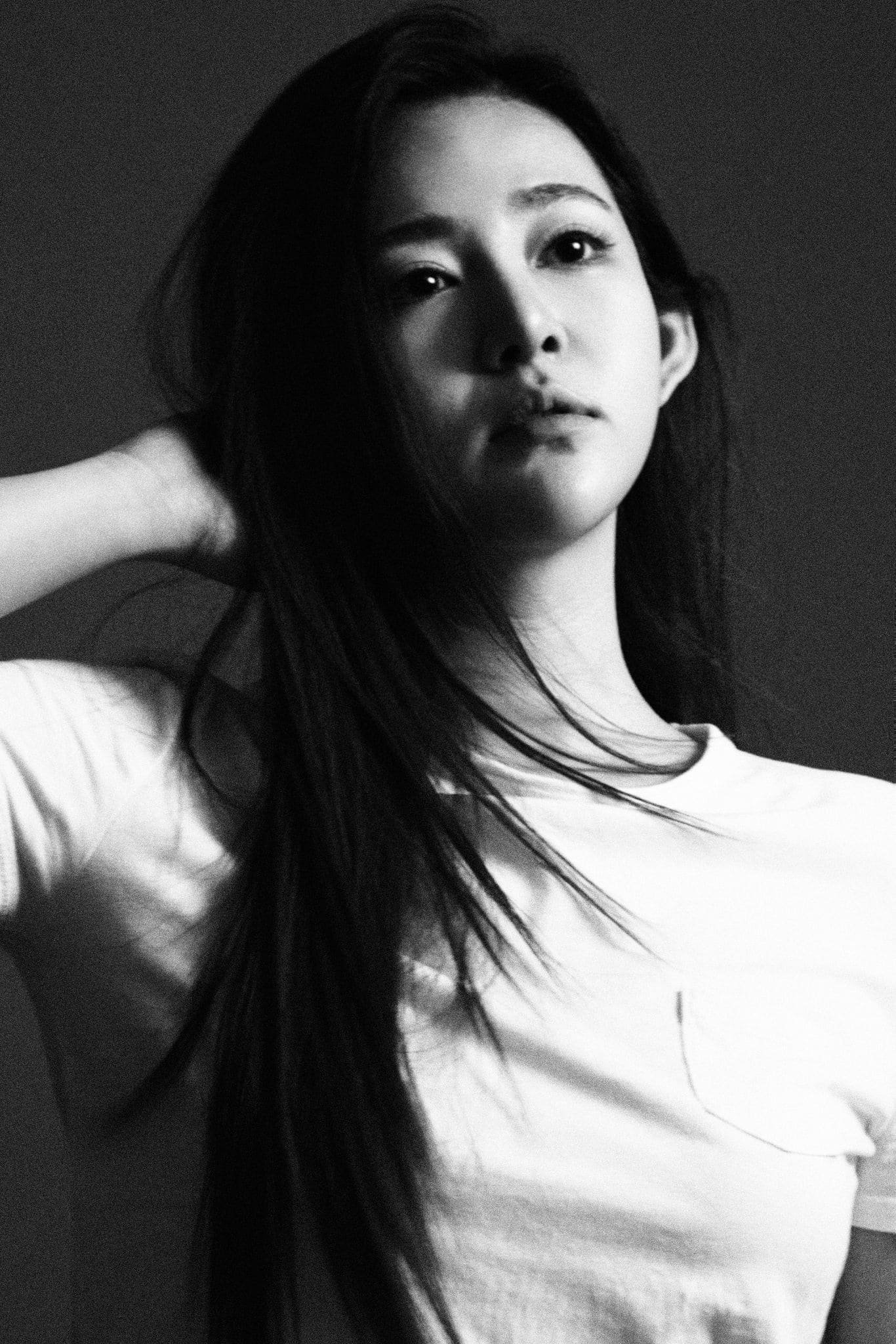
Li’s next production, The Death of Hundun, is scheduled to premiere in London and Edinburgh in August 2026. The work draws on Chinese mythological source material and continues the cross-cultural focus that has shaped her UK output.
“The Death of Hundun combines ancient Chinese philosophy with modern physical theatre, following a woman’s psychological journey between emotional collapse and rational restraint to explore the tension between chaos and order in human civilisation,” Li said. “The production is not only a stage performance, but also a contemporary interpretation of traditional culture, showcasing the possibilities of cross-cultural storytelling and performance.”
The August premiere marks Li’s most ambitious UK production to date and follows a year in which her dual focus on commercial production and inclusive workshop practice has begun to draw attention across both strands of the UK independent theatre sector.