The Morrigan is now available on VOD from Cineverse, bringing audiences a film that feels both ancient and immediate. On its surface, it follows an archaeologist and her teenage daughter as they confront a long‑buried Pagan war goddess awakened in the Irish countryside. Beneath that supernatural premise, though, lies a story about parenthood, ambition, and the quiet tensions that shape who we become.
Speaking with director Colum Eastwood and actress Saffron Burrows, it becomes clear how personally both of them connected to this material. I have admired Burrows since first seeing Deep Blue Sea in theaters, and talking with her today only reaffirms the intelligence and grace she brings to every role. Eastwood speaks with sincerity and clarity, the kind that signals a filmmaker on the rise with a long, promising future ahead.
Eastwood had explored this mythology once before in a short film, but expanding it into a feature required reinventing his approach entirely. He remembered realizing early on that he “couldn’t sustain that for 90 minutes” and needed to develop the mythology in a fuller, more meaningful way. He wrote during the height of the Me Too movement, which led him to ask what a powerful feminine force from ancient lore might think of the world in its current state. That question became the backbone of the film’s themes. The script took time to fully mature, evolving through “about 23 drafts” before it reached its final form. For Eastwood, horror only works when it grows organically from human conflict, and he believed a good horror film should “work even without the horror,” with the supernatural acting as an extension of the emotional tension.
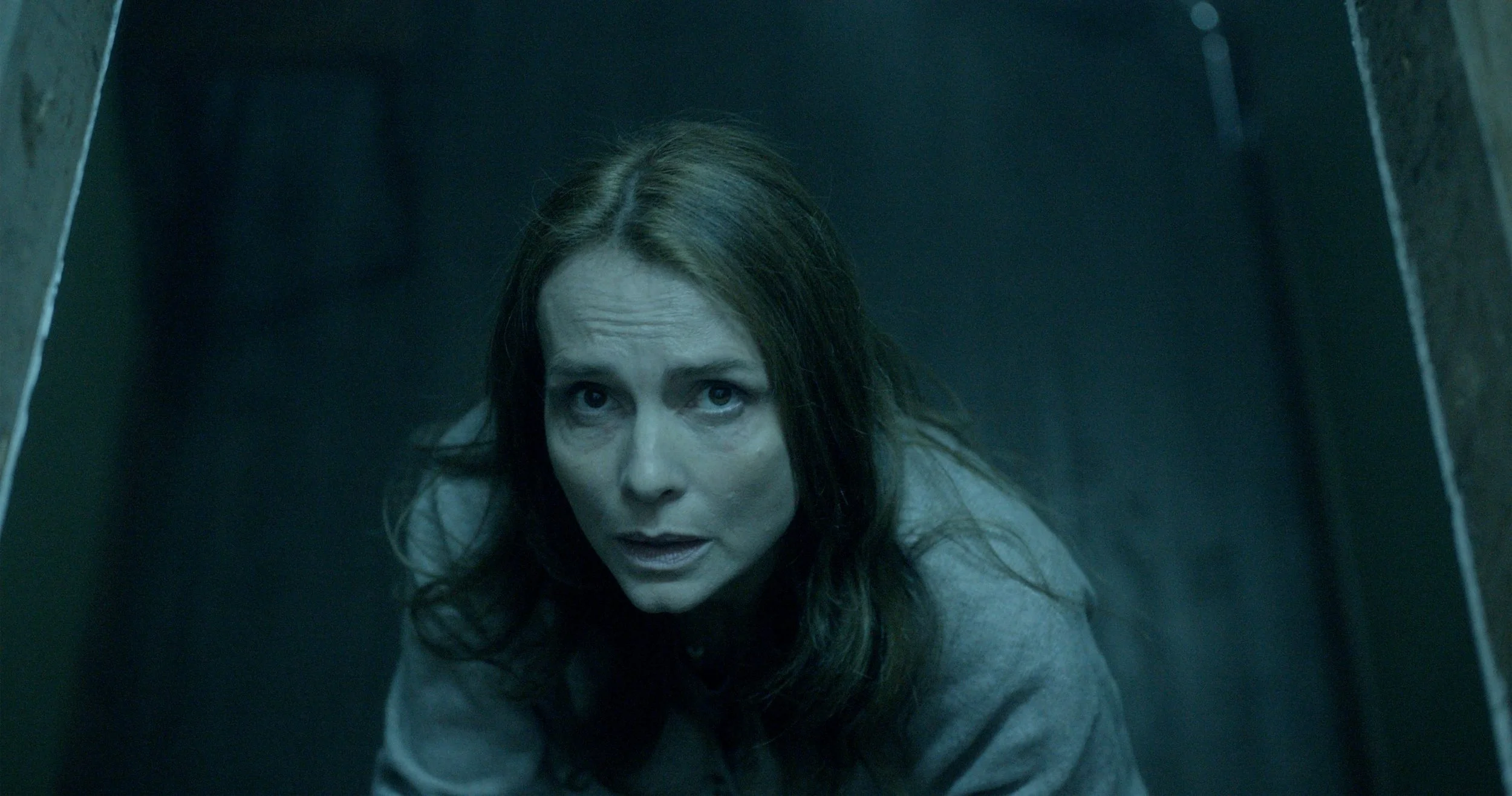
Finding the right actor to carry those tensions was crucial. Eastwood wanted someone who felt grounded, brilliant, and believably authoritative. He said he saw in Burrows a “fierce intelligence” and the academic credibility needed to anchor a character like Fiona. He also understood that the character often makes difficult or uncomfortable choices, and he needed an actor who could help the audience “understand the decisions she makes.” Burrows’ immediate and instinctive connection to the script convinced him she was the perfect partner for such an ambitious and demanding story.
For Burrows, the role felt surprisingly intimate. With maternal family roots in Belfast and County Down, she said she felt “ancestrally very at home” in the film’s world. That sense of belonging gave her a personal entry point into Fiona’s relationship with the land and its mythology. To portray the character’s academic background authentically, she tracked down a real archaeologist—someone she’d heard on the radio—whose experiences mirrored Fiona’s struggles. The archaeologist had been “sidelined or undermined” by male colleagues, a reality that resonated deeply with Burrows and helped shape her understanding of the character’s resilience.
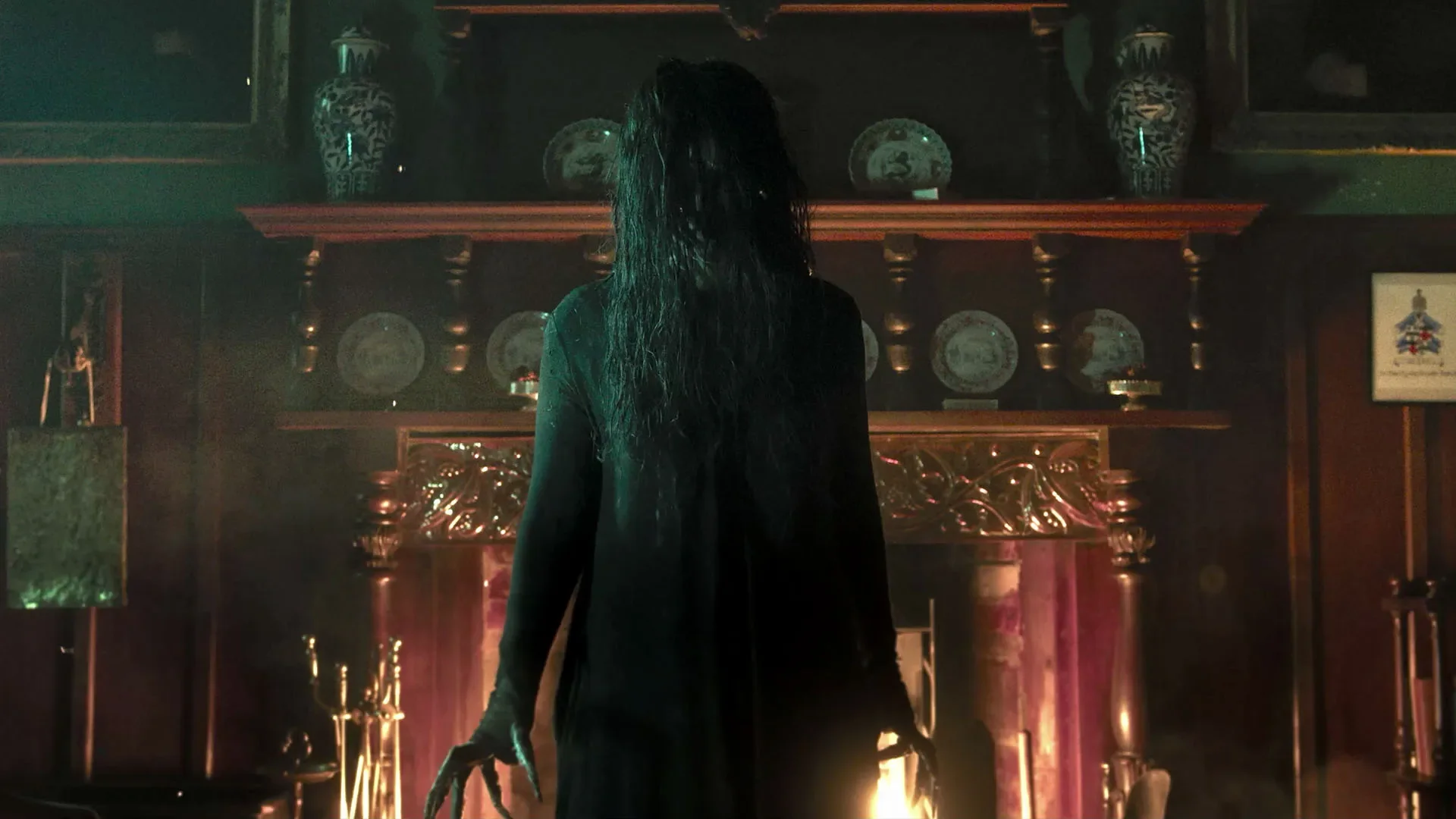
As a mother herself, Burrows felt drawn to the tension at the heart of the story: the push and pull between parenthood and vocation. She described it as an “age-old tussle,” a conflict she found universally recognizable. She also admired how Eastwood approached the material, explaining that his writing “starts from an essential fable about humans,” and she found “layers and layers to explore” in both the folklore and the emotional journey. She said she “woke up every day with new discoveries” about the character, a reflection of how alive and evolving the role felt.
Both Eastwood and Burrows hope audiences walk away from the film with a sense of curiosity, not just fear. Eastwood liked the idea of viewers watching the movie and then wondering whether the Morrigan is “a real thing,” perhaps even feeling compelled to look her up after the credits roll. Burrows agreed, saying that stories with this much depth naturally send people searching for the roots and the history behind them.
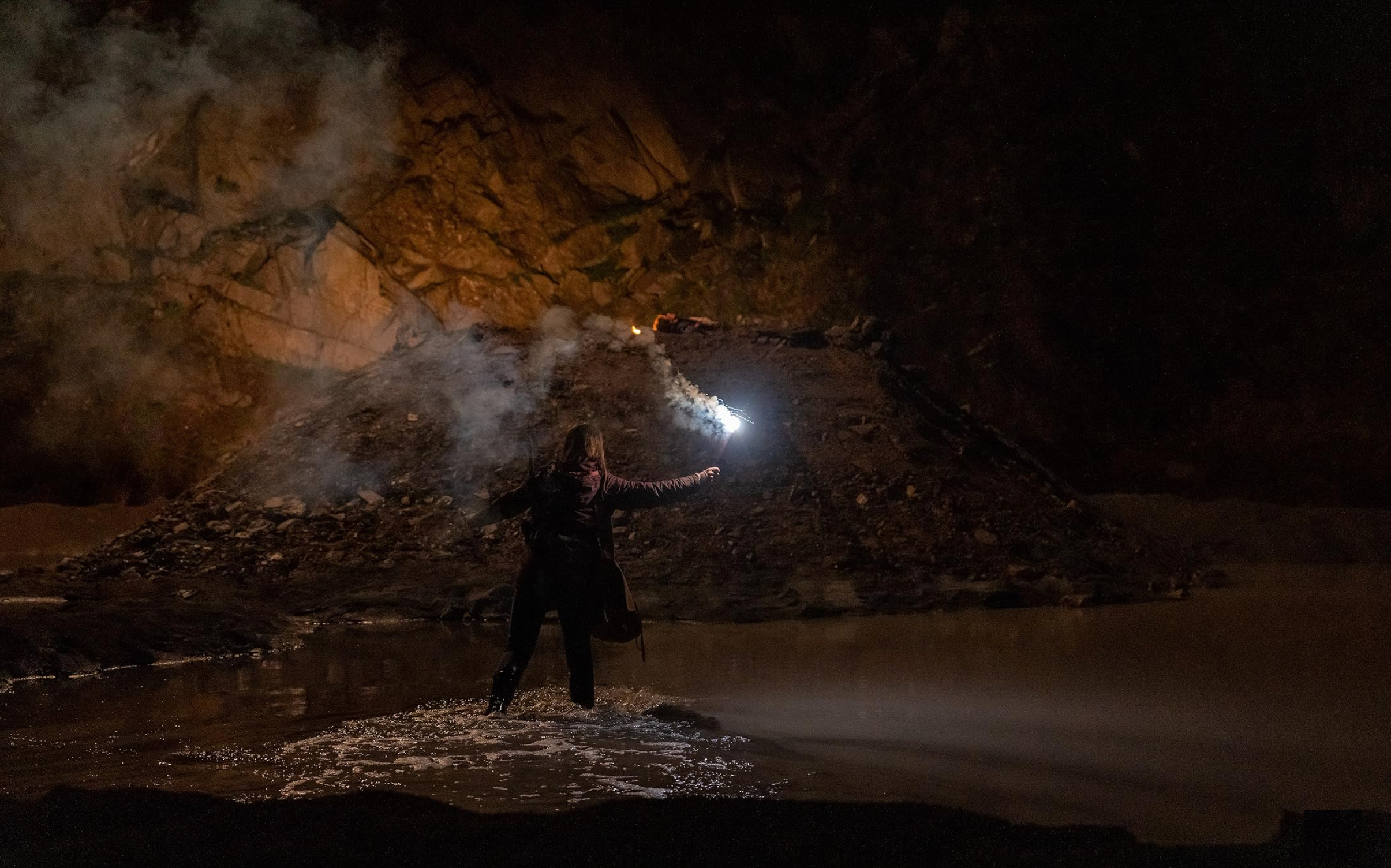
After watching the film and speaking with them, I told them that I found myself having water‑cooler conversations about the mythology the very next day. Eastwood smiled and said that was a great compliment. It was exactly the kind of lingering effect the film seems designed to inspire.
As the conversation ended, it was clear why their collaboration works so well. Eastwood brings patience, curiosity, and thematic depth to genre filmmaking, while Burrows brings emotional intelligence and authenticity to a character who could have easily been overshadowed by the film’s supernatural elements. Together, they created a story rooted in myth yet driven by humanity.
The Morrigan may be about ancient forces rising, but its real power lies in the intimate, complicated, and universal ways we try to protect the people we love. And now that it is available on VOD from Cineverse, audiences can finally experience that blend of folklore and emotional truth for themselves.
Jessie Hobson