
Some filmmakers chase genre. Others stumble into it, realize what they’re holding, and lean all the way in. That second path feels far more interesting, and it is exactly how writer-director Taratoa Stappard arrived at Mārama, a Māori gothic horror film that confronts colonial violence, cultural theft, and identity with an unflinching gaze.
What makes Mārama so striking is not just its atmosphere or its setting in Victorian England, but the fact that, by Stappard’s own admission, this was never meant to be a gothic horror film in the first place. As he explains, “I’m honestly just being honest. It wasn’t an intention to set out to write a gothic horror. It kind of more became that.” Early drafts lived closer to the realm of heavy historical drama, but research had a way of steering the project somewhere darker and far more confronting.
One discovery in particular shifted everything. While digging into colonial history, Stappard came across a photograph of a Victorian-era collector proudly posed in his parlor, surrounded by preserved Māori heads. He remembers it vividly, calling it “a notorious photograph” and saying flatly, “That was for me one of the main pivots. It was just clear to me this is a horror story.” From that moment on, Mārama stopped circling the horror and embraced it head-on.
That pivot also helped unlock the film’s reach. Stappard admits he was not a “horror specialist” by any stretch, but once he recognized the story as horror, it became freeing rather than limiting. “Once I’d landed on this is a horror story, it started to flow in a slightly different way,” he says, adding that embracing genre ultimately expanded the audience. Horror became a tool, not a constraint, a way to address themes that might otherwise feel “slightly dry drama, possibly even preachy,” and transform them into something visceral and immediate.
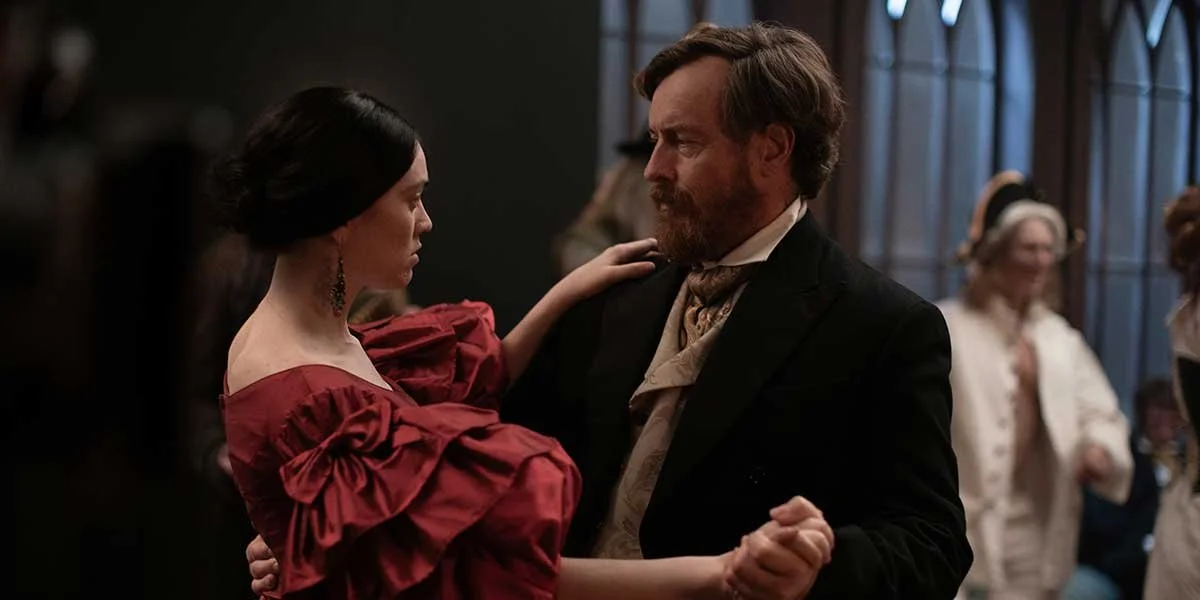
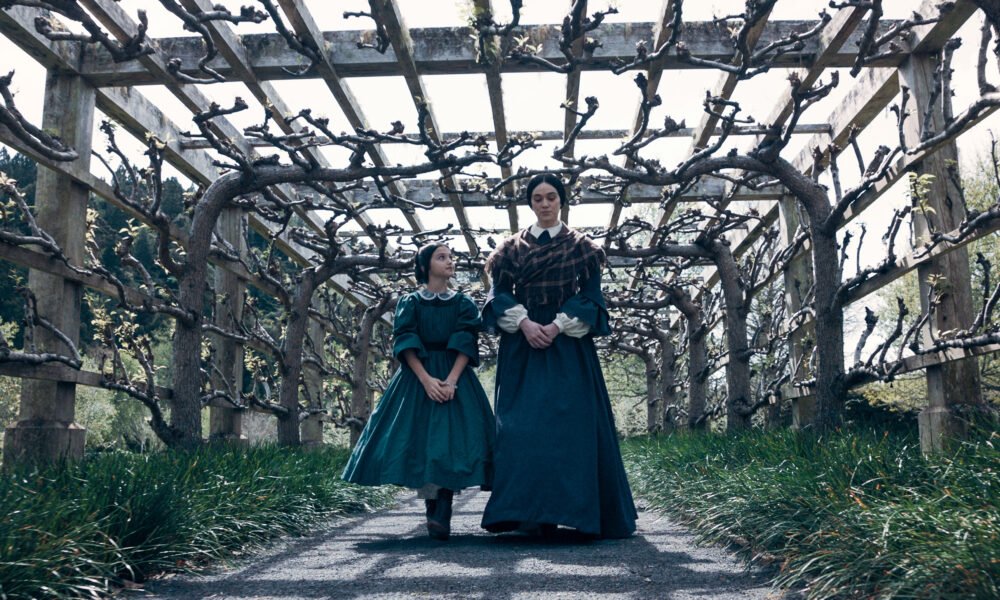
Setting the film in 1859 Victorian England was not part of a meticulous plan either, but rather something that fell into place organically. Working backward through character timelines led Stappard to that specific year, and from there, the setting clicked. With family roots in Yorkshire and the historical weight of Whitby as the port from which Captain James Cook set sail, the location carried both personal resonance and colonial significance. As Stappard puts it, “It became 1859. It became Victorian England. My father is from Yorkshire. So there was an instant pull there.”
Once the story settled under one roof, literally and figuratively, its gothic shape emerged more clearly. A script consultant suggested consolidating the action into a single house, a move that Stappard now credits as essential. “You don’t need three houses,” he recalls being told. “One will suffice. Make it happen in one big house.” That advice helped sharpen the film’s claustrophobic tension and reinforced its gothic bones, even if those bones were never deliberately constructed as such.
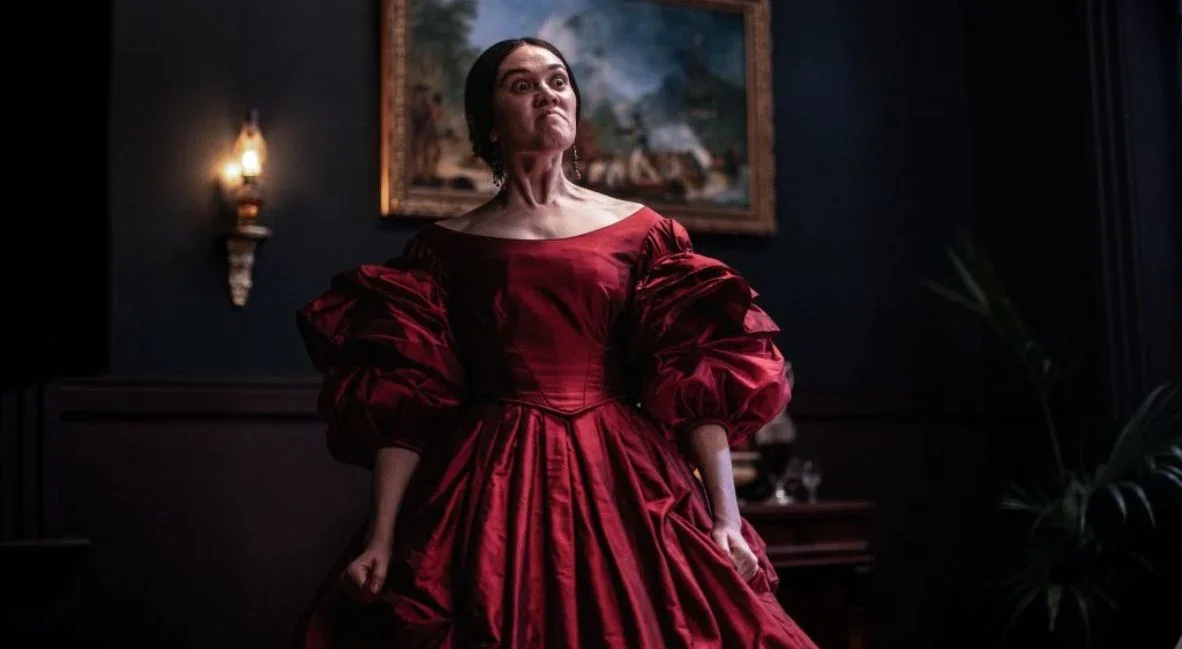
If Mārama is horror, it is horror that refuses to soften its blows. Stappard was firm that discomfort was always the point. “For me personally, the discomfort was absolutely always the point,” he says. While there were early nerves about even labeling the film horror, those concerns proved unfounded. The film premiered at TIFF, enjoyed a strong festival run, and found receptive audiences precisely because it did not dilute its intent.
At the same time, Stappard was not interested in gratuitous spectacle. Violence in Mārama is quick, brutal, and grounded. “I wanted my film to be real and credible,” he explains. Fights end when they realistically would, not after prolonged choreography. “The fights in my film are quick, and that’s it,” he says, emphasizing that they are not the point of the story but rather a consequence of the larger horror at play.
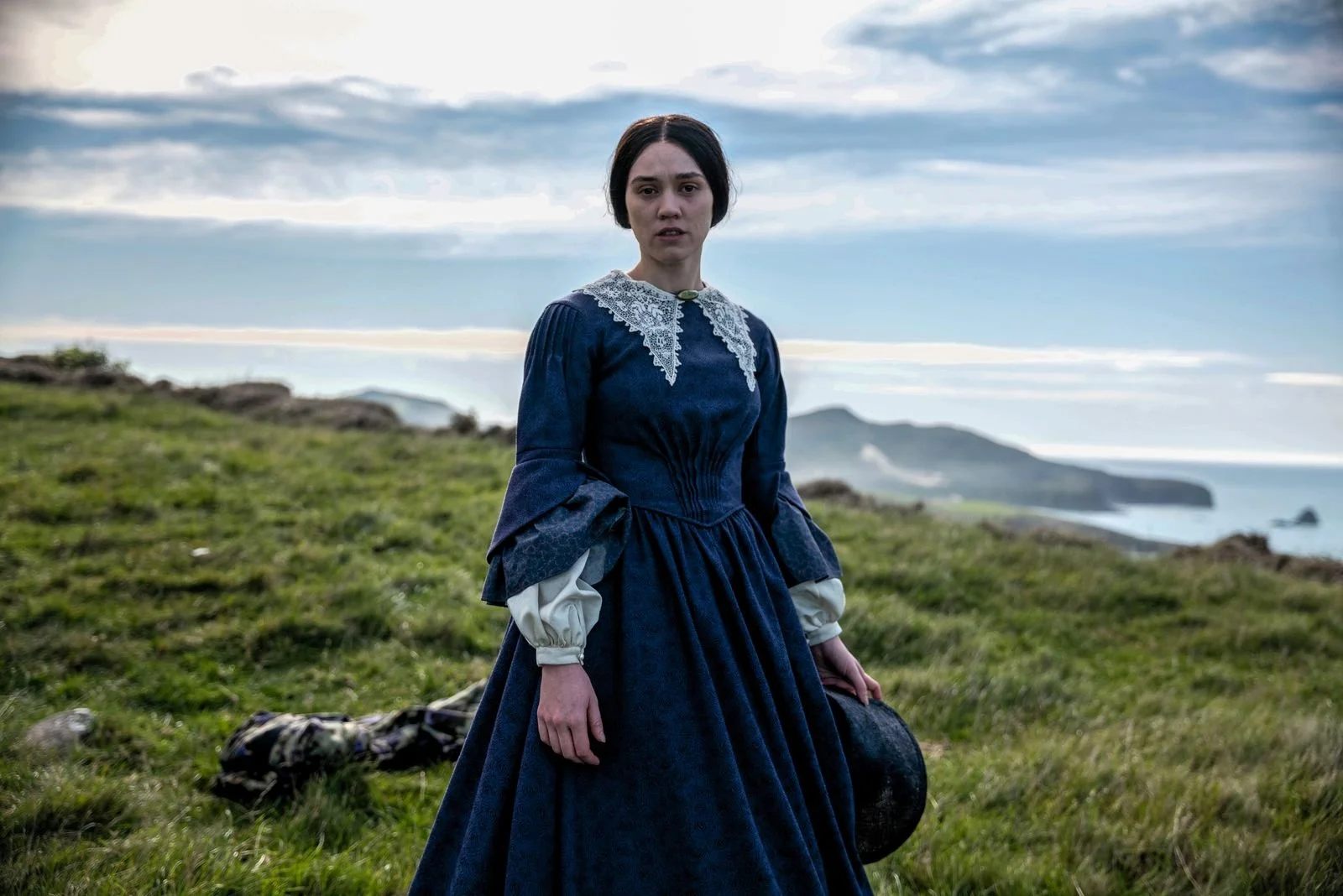
That commitment to authenticity extended far beyond physicality. Mārama was shaped through close collaboration with Māori producers, language experts, and cultural advisers, a process that deeply influenced Stappard as a writer. He describes working line by line with writer-director Kath Akuhata-Brown, who would bluntly shut down choices that were culturally inappropriate. “She would make offers, or she would give me orders literally,” he says, laughing. “You don’t want to do that. No, that’s wrong.”
One such moment transformed a key line of dialogue into a culturally loaded insult rooted in whakapapa and meeting house symbolism. These were not cosmetic details but structural ones, and Stappard embraced them fully. “You just got to embrace it,” he says. “That’s the beauty of working with experts.” For him, the goal was never to cherry-pick appealing cultural elements, but to ensure the film was, in his words, “bang on and as authentic as possible.”
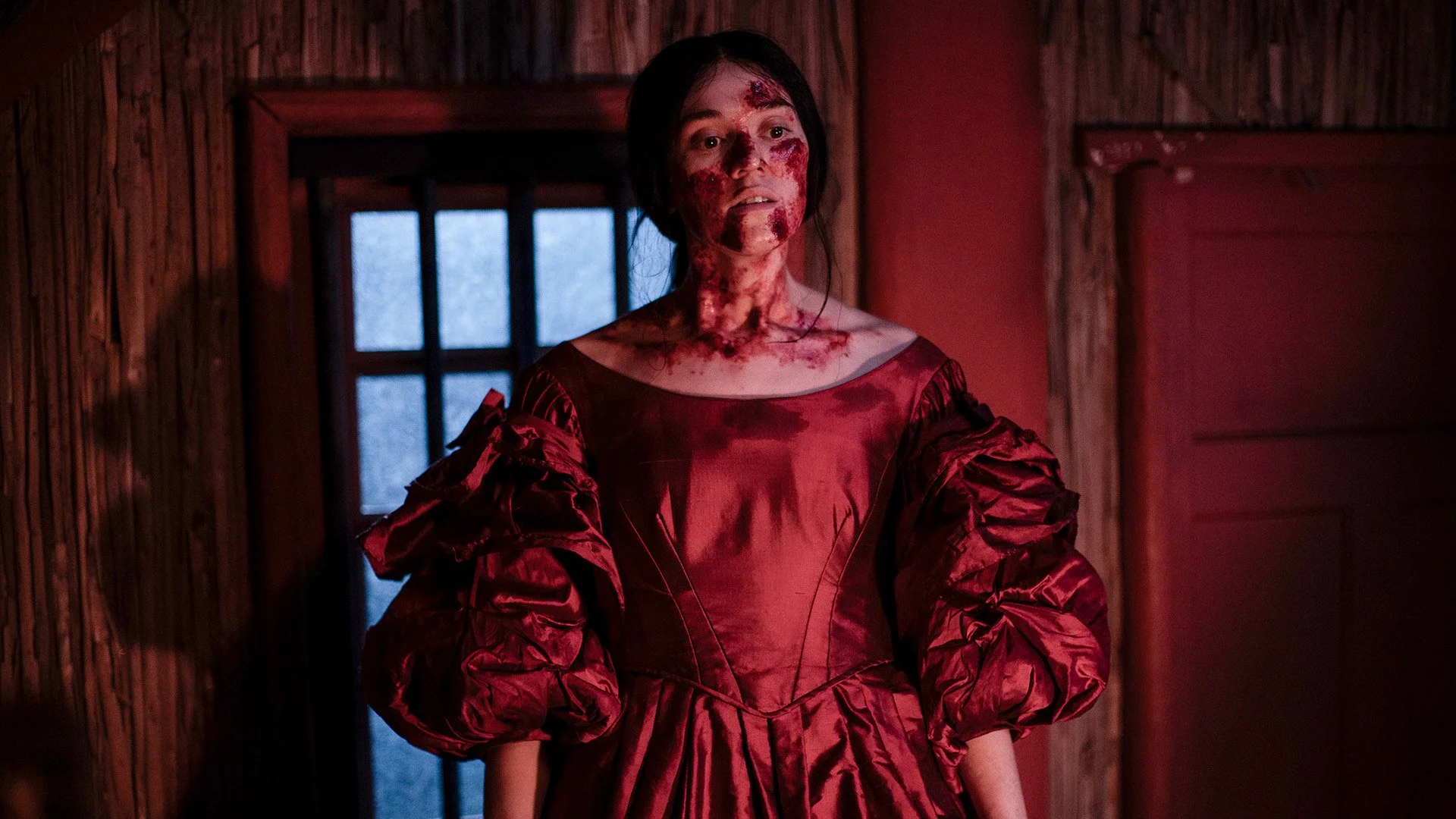
At the center of it all is Ariāna Osborne, who carries the film almost singlehandedly in her first lead role. Stappard recalls being struck by her very first audition tape. “There was fire in her eyes, but there was nothing going on physically,” he says, noting her ability to play repression without emptiness. Her background in elite rugby and dance brought a level of physical control and focus that translated seamlessly to the screen.
More importantly, Osborne demanded truth. “She always needed to know why,” Stappard explains. If an emotional beat did not have a clear motivation, she was not interested. “I couldn’t ask her to cry because I think it’ll look cool. She didn’t buy that,” he says. That insistence on purpose elevated the performance and anchored the film’s emotional weight. After acting in 23 of the film’s 24 shoot days, Stappard hopes this role marks a turning point. “I really hope it allows her to take off now.”
Mārama ultimately feels like the product of trust, patience, and a willingness to let the story become what it needed to be. Stappard did not chase gothic horror, but when it revealed itself, he followed. That openness has resulted in a film that is confrontational, deeply personal, and unexpectedly accessible to genre audiences around the world.
As our conversation wrapped, there was a sense that this film is just the beginning. Stappard has now firmly, if accidentally, entered the horror space, and judging by Mārama, it suits him. Watching him talk through the journey makes it clear that whatever he does next, it will not be boxed in by expectation. Sometimes the best films emerge when a filmmaker listens closely enough to realize the story is already telling them what it wants to be. And if Mārama is any indication, that instinct is worth following.
Jessie Hobson