
Spending time with Kirk Jones feels a bit surreal if you grew up on his films. This is the same filmmaker whose work quietly lived on VHS shelves, whose movies you spotted a dozen times before finally pressing play, and whose blend of humor and heart ended up shaping how a lot of us first understood emotional storytelling. Getting to talk with him about I Swear was not just an interview; it was genuinely fun, the kind of conversation where curiosity goes both ways and time slips by faster than expected.
I Swear marks a defining turning point in Jones’ career. For the first time, he wrote, directed, and produced a film entirely on his own terms, an ownership that fundamentally deepened his connection to the story. When early conversations with financiers began, the interest was there, but with a condition: soften the language. Jones refused. To him, removing the swearing meant compromising the film’s honesty, and that was never on the table. Instead, he and his wife chose to self-finance, selling their home and investing everything into the project. The result was something Jones had never fully experienced before: “complete and total creative control,” a freedom that unmistakably shapes the film as it stands.
That control matters because I Swear refuses to compromise its subject. The film tells the true story of John Davidson, a Tourette's Syndrome activist whose life has unfolded amid misunderstanding, stigma, and constant judgment. Jones was careful to frame the film properly. It was never meant to be a broad statement on Tourette’s. As he put it, “it’s not a film about Tourette’s. It’s a film about John Davidson,” and narrowing that focus was essential to telling the story honestly.
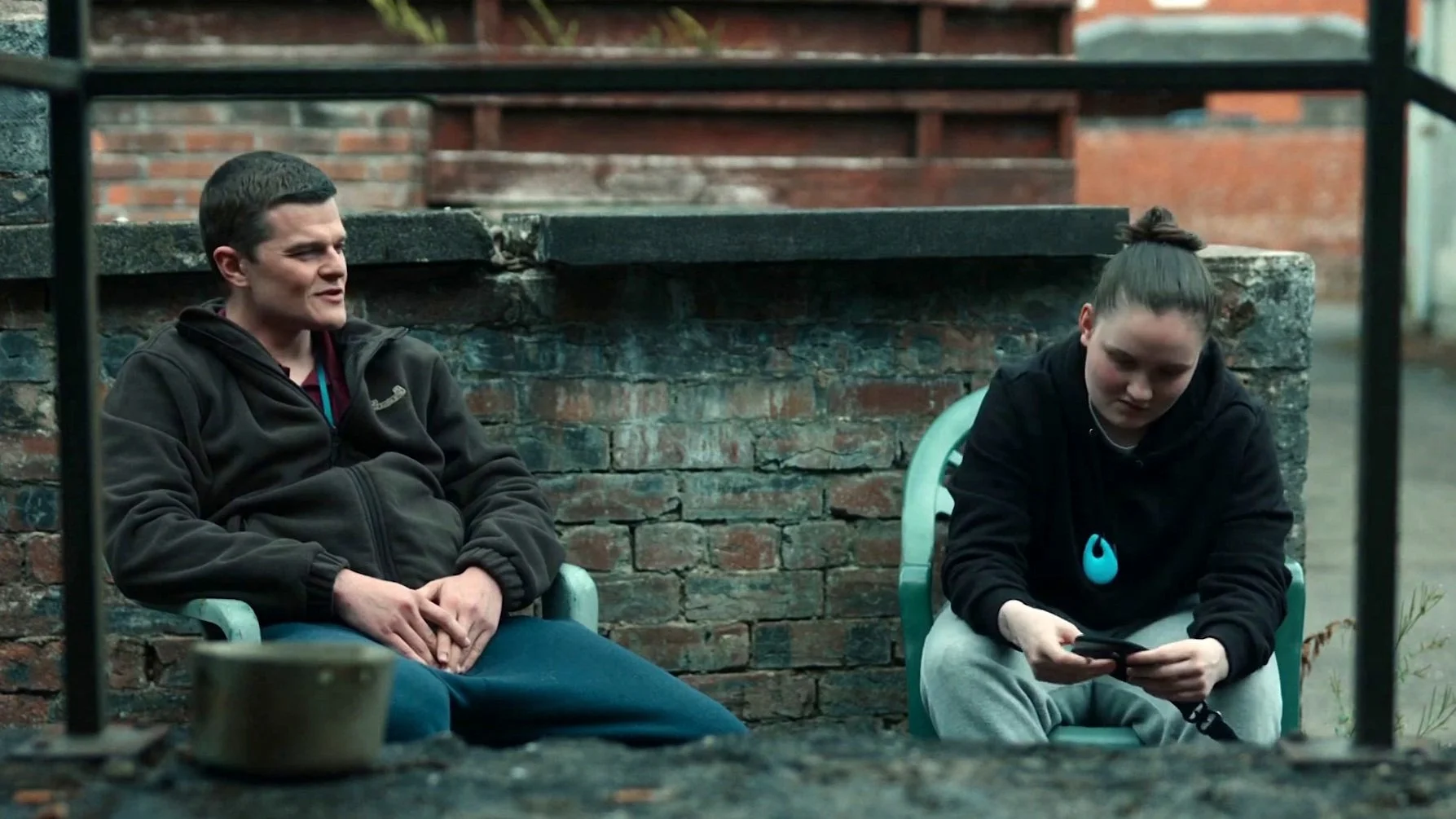
Despite how raw I Swear feels, Jones sees it as a natural extension of his earlier work rather than a departure from it. He draws a clear line through the films he has written and directed, from Waking Ned Devine to Everybody’s Fine and now I Swear, noting how that sensibility also “bleeds over” into projects he directed but did not write, like Nanny McPhee. Across those films, humor and emotion are inseparable. Jones recalled traveling the world with Waking Ned Devine and realizing that audiences everywhere laughed and became emotional at exactly the same moments. That experience reaffirmed his belief that storytelling works best when it mirrors life itself. Even in moments of grief or discomfort, humor inevitably appears, offering relief rather than denial.
That belief was put to the test when he first met John Davidson. Early on, Jones asked John whether finding humor within the context of his condition would feel wrong or offensive. John’s response sealed the direction of the film. He told Jones that at no point in his life had things been more “comic whilst at the same time tragic,” and that contradiction immediately resonated. For Jones, who has long been fascinated by blending warmth and chaos, this felt like the most extreme version of that balance imaginable. “This is the jackpot for me,” he recalled thinking, knowing instantly that the story played directly into everything he cared about as a filmmaker.
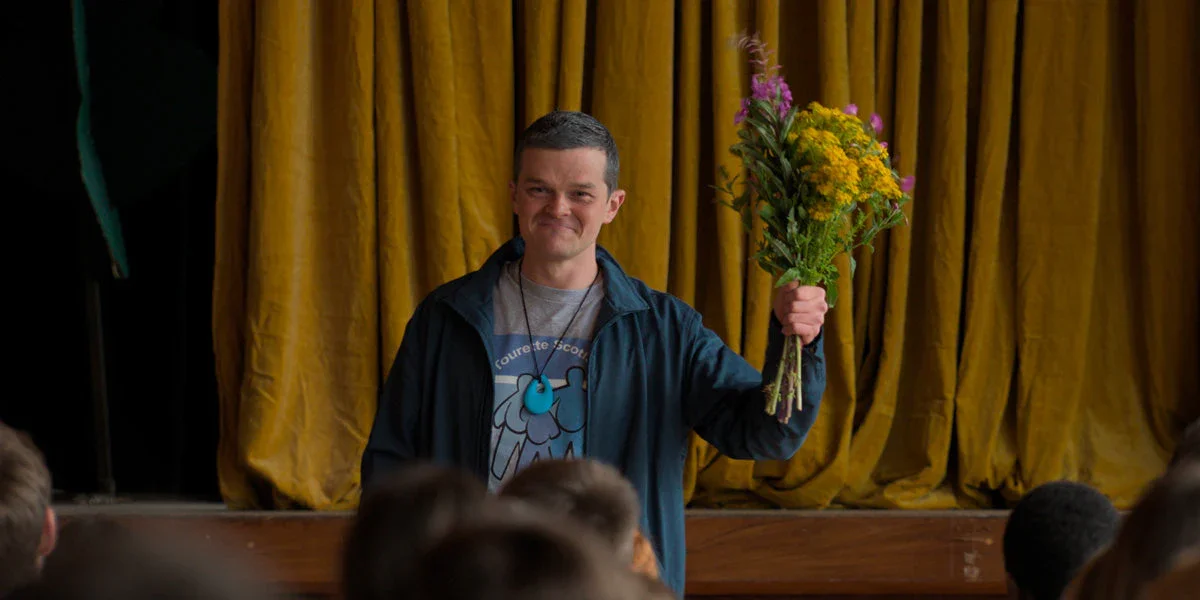
Authenticity extended far beyond tone. After hearing John describe the long-standing distrust between the Tourette’s community and the media, Jones made a deliberate and meaningful choice. He made John an executive producer, ensuring his voice would be present throughout the entire process. Jones sent him the script every twenty pages as it was written, consulted him on locations, introduced him to cast members, and screened the film for him before it was finalized. It was not symbolic collaboration. It was care in practice.
That same care guided casting decisions. Jones explored the possibility of casting an actor with Tourette's syndrome in the lead role, but after medical consultation, he decided that asking someone to perform or exaggerate their tics would be harmful. It was a line he refused to cross. Instead, he built representation into the film in a different way. Out of ninety cast members, thirty were from the Tourette’s community. They were invited onto the set not to perform around their condition, but to simply be themselves. Jones described the experience as a joy, emphasizing how natural and affirming it felt for everyone involved.
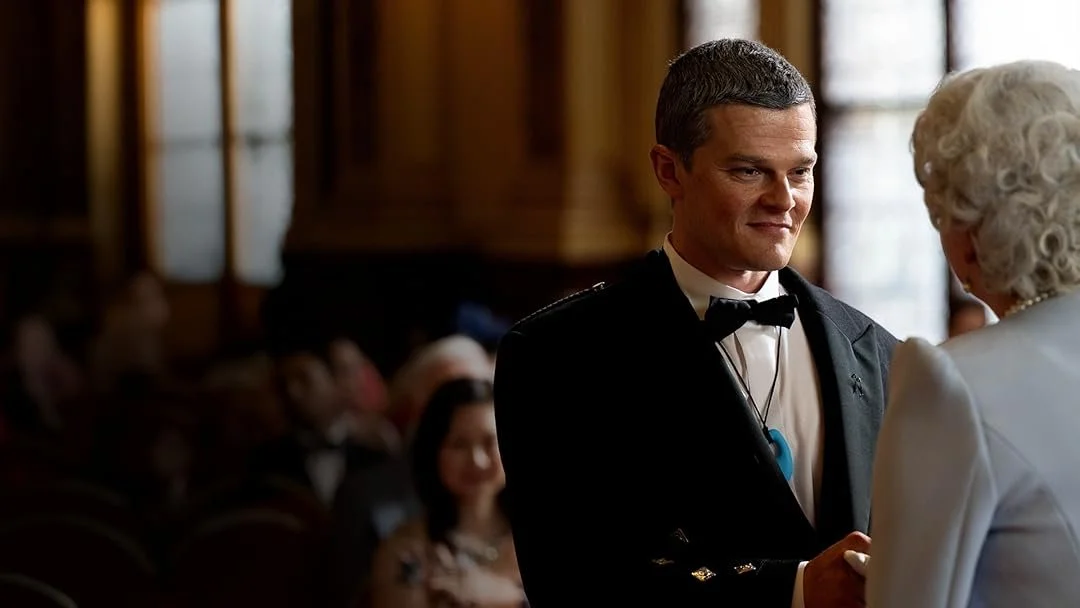
Those decisions carried through to smaller moments as well. While working with Andrea Bisset, a young woman with Tourette's syndrome who appears in a key scene with John, Jones kept production demands flexible. She explained that after a few takes, the process becomes exhausting, and Jones adjusted accordingly. Two takes were enough. Respect mattered more than perfection.
When asked what he hopes audiences walk away with after watching I Swear, Jones focused less on messaging and more on perspective. One idea stayed with him throughout the making of the film: “your normal isn’t necessarily the same as everybody else’s normal.” Another phrase became central to how he hopes people engage with the world: “ignore the tick but not the person.” He reflected on how often people withdraw from those who seem different, not out of hostility, but uncertainty. If the film achieves anything, he hopes it encourages empathy, patience, and a willingness to see the person before the condition.
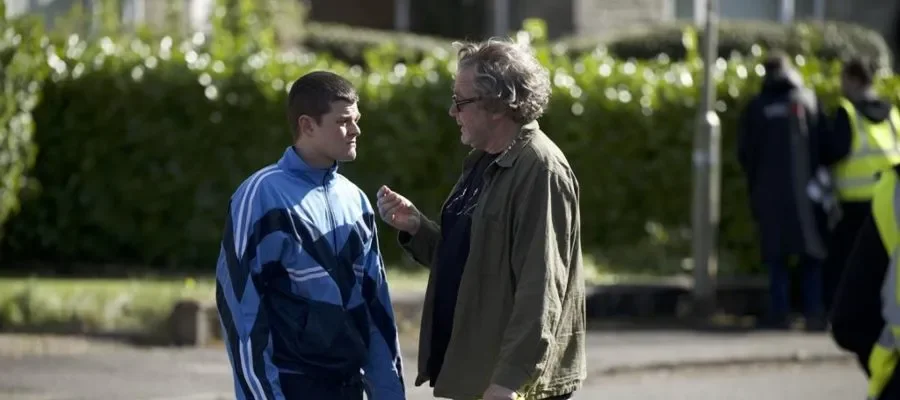
Talking with Kirk Jones felt like talking to someone who genuinely believes stories can make us better to each other. I Swear is personal, unfiltered, funny, painful, and deeply humane. It feels like the work of a filmmaker who has earned the right to trust his voice completely, and finally did.
Jessie Hobson