
American High does not feel like a production company built by accident, even though Jeremy Garelick and Will Phelps will be the first to admit that nothing about it followed a traditional playbook. What started six years ago as a bold experiment inside an abandoned high school in Syracuse, New York, has quietly evolved into one of the most consistent and influential engines for youth-driven comedy working today.
That momentum feels undeniable in the wake of Pizza Movie, which debuted as Hulu’s number one-streamed film and has remained trending since its release. For Garelick and Phelps, the success is gratifying, but it is not the end goal. It is just another moment in a journey they clearly have no intention of slowing down.
“It’s been a fun journey,” Garelick said, reflecting on the company’s rise. “And we’re very much looking forward to the next part of the journey because the journey is the fun part.”
That mindset defines American High. The company does not linger on victories. The moment Pizza Movie started dominating Hulu, the conversation immediately shifted to what comes next. As Garelick put it, reaching number one did not inspire a victory lap so much as it set a new baseline. If something falls short, that is when disappointment would set in.
Phelps echoed that sense of confidence, noting that the film’s success was never a shock internally. From the very first day on set, something felt different. He recalled shooting the movie’s emotional low point between Gaten Matarazzo and Sean Giambrone and realizing that even a moment meant to feel heavy was making everyone laugh. “If the serious sad all is lost moment is making us break out laughing, the rest of this movie is going to be insane,” he said.
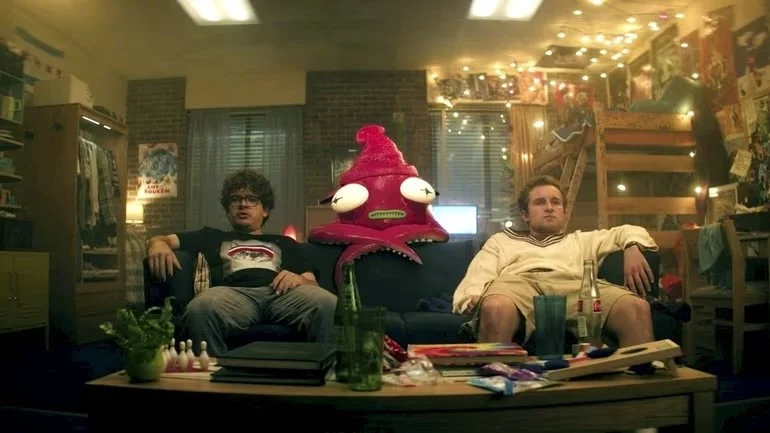
That instinct for balancing big laughs with real feeling is central to American High’s identity. Garelick has carried that philosophy through his entire career, from The Break Up and The Hangover to The Wedding Ringer and now into youth comedies. His approach is simple and deliberate. Draw in audiences who want dumb fun, then sneak in heart.
“As long as there is heart and you’re feeling something, you can go as dumb as you want,” he explained.
Pizza Movie is a perfect example of how that works in practice. Garelick pointed to a moment involving a dying butterfly that somehow manages to provoke sincere emotion from an audience that intellectually knows it should not. Watching a theater full of people tearing up, he could not help but laugh at the accomplishment. Making viewers feel something for something they absolutely should not care about was proof that the tone landed exactly where it was meant to.
That tone is not built in isolation. One of American High’s biggest advantages is its massive digital ecosystem, which allows the company to test ideas directly with its audience long before they reach a feature film. Phelps described the process as an ongoing feedback loop. Characters, jokes, and premises that connect online often find their way into the movies, creating a sense that fans are actively shaping what comes next.
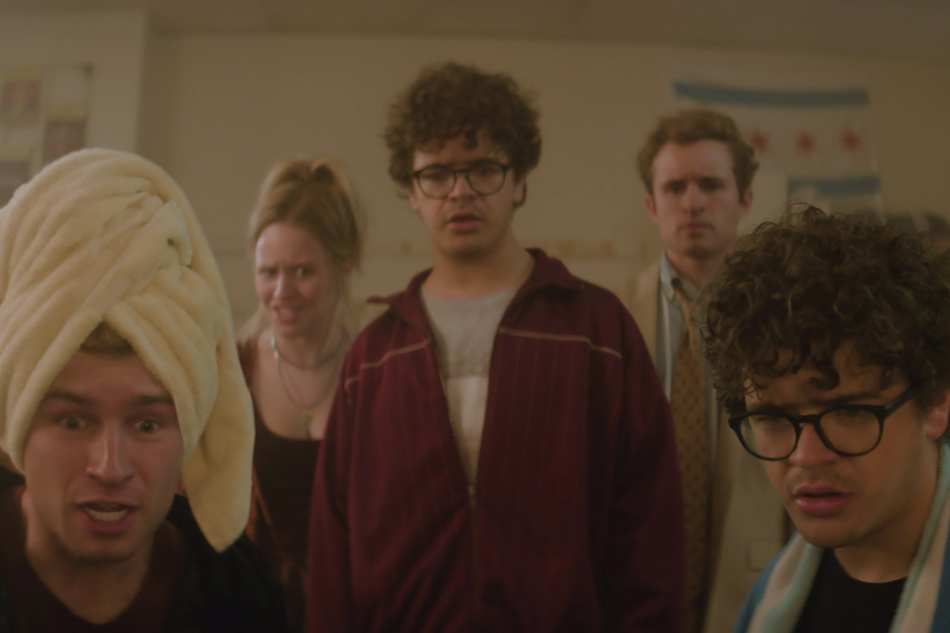
He pointed out that the opening minutes of Pizza Movie quietly include several performers from American High Shorts, embedded as bowling alley background characters. That blending of worlds helped fuel the organic online response, giving fans the feeling that they discovered the movie before it was cool.
“It kind of invites the audience in,” Phelps said. “It feels like you found this on TikTok and Instagram, and now here it is on a big screen.”
That same DNA carries into American High’s upcoming slate, including another Hulu feature, Never Change, arriving this summer. While still rooted in high school themes, the film pushes the company into broader, more overt satire. Phelps described it as their broadest project yet, drawing comparisons to Wet Hot American Summer, one of his personal touchstones.
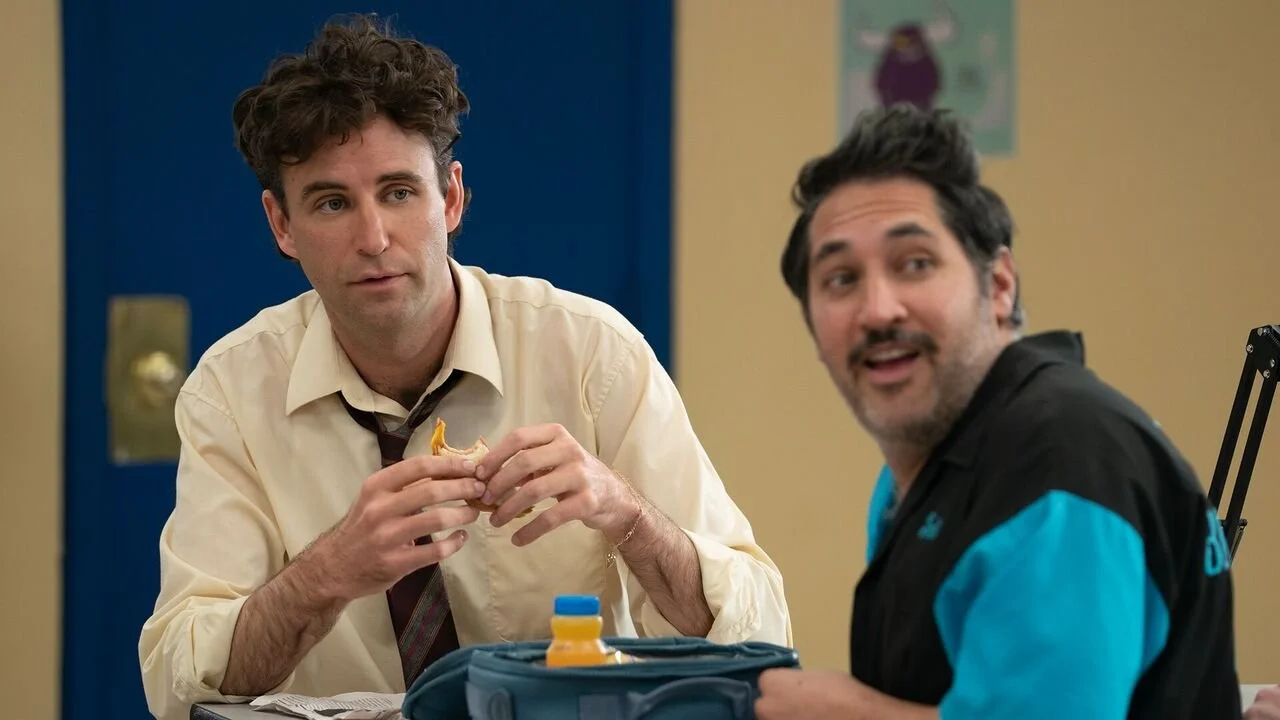
The hook is classic American High: unfinished emotional business, firsts that define who you become, and the impossibility of escaping your teenage self. This time, the fantasy is getting to go back and fix what did not go right the first time. Garelick framed it as an extension of the company’s core mission. High school is where everything feels like it matters the most, where mistakes feel permanent, and where identity first takes shape.
“If you did something wrong or were too scared to make a move, this allows us to have that fantasy of being able to go back and fix the wrongs that shaped our lives,” he said.
If Never Change leans into satire, Rolling Loud swings the opposite direction in scale. Produced with Live Nation and featuring Owen Wilson, Matt Rife, Henry Winkler, and Travis Scott, the upcoming comedy pulls from one of the most stressful real-life experiences Garelick has ever had. The story grew out of a trip he took with his 13-year-old son to the massive hip hop festival, an outing that culminated in him losing his child in a sea of people, no cell service, and total chaos.
It was terrifying. It was irresponsible. And once he found his son, it became obvious it was also a movie.
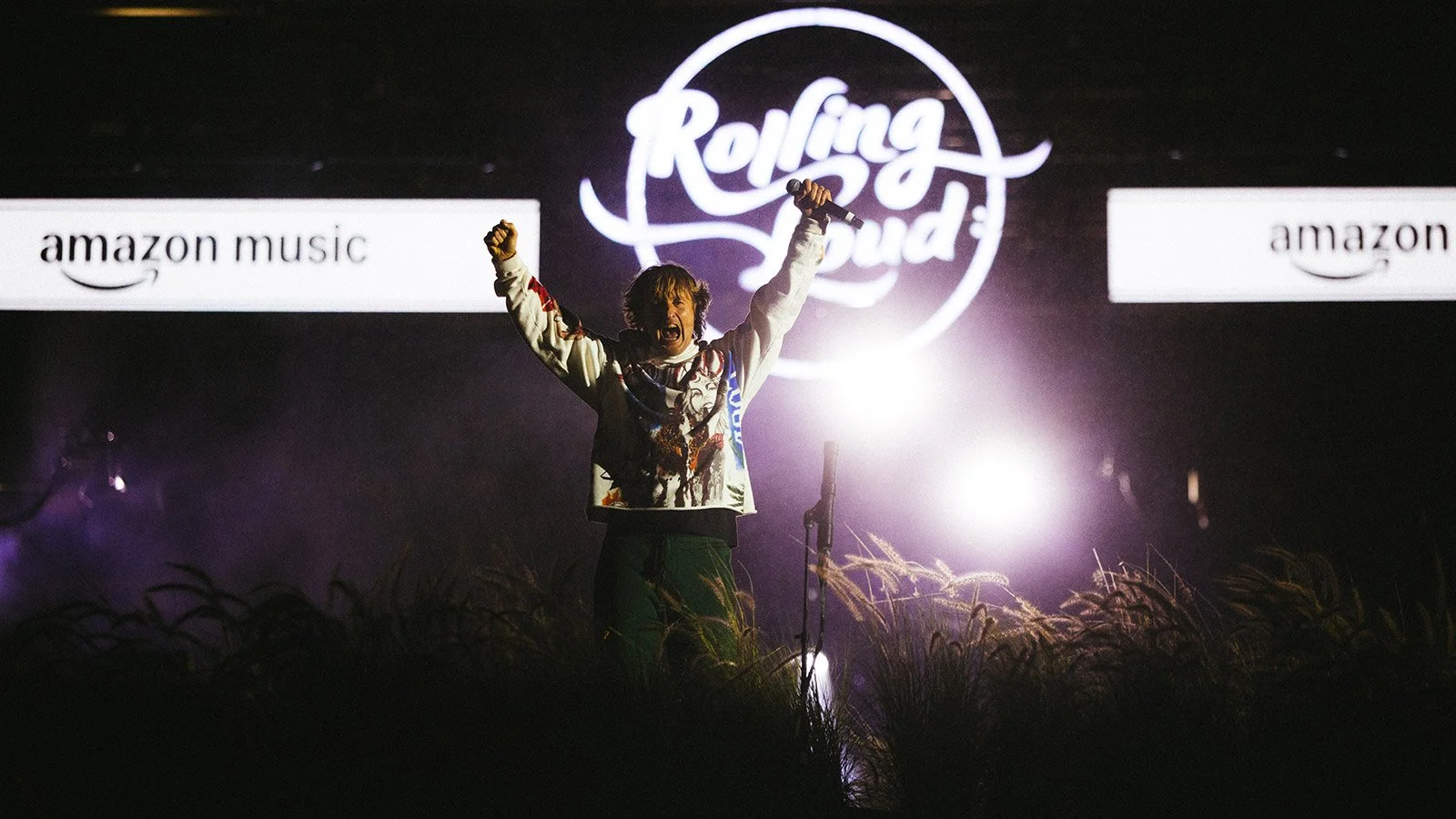
Everything about Rolling Loud stems from that emotional core. The spectacle is enormous, but Garelick was clear that character is always the anchor. The chaos exists in the background of a father desperately trying to connect with his son at a moment when communication feels nearly impossible. That search gives the film its heart, grounding the madness in something deeply relatable.
Phelps described the set as a perfect mirror of the story itself. Everyone involved, from legacy actors to younger comedians and musicians, shared the same slightly lost energy. Feeling out of place became part of the fun, and that discomfort translated into the film’s tone. It is dangerous, funny, and strangely endearing all at once.
Underpinning everything is the physical space that made all of this possible. The American High studio is still a repurposed high school, and it still operates like one. Phelps described it as a no-rules creative environment where multiple projects overlap, sketches are shot in hallways, and costumes wander past active Zoom calls. Crews become family. People decorate their own spaces. Ideas move fast.
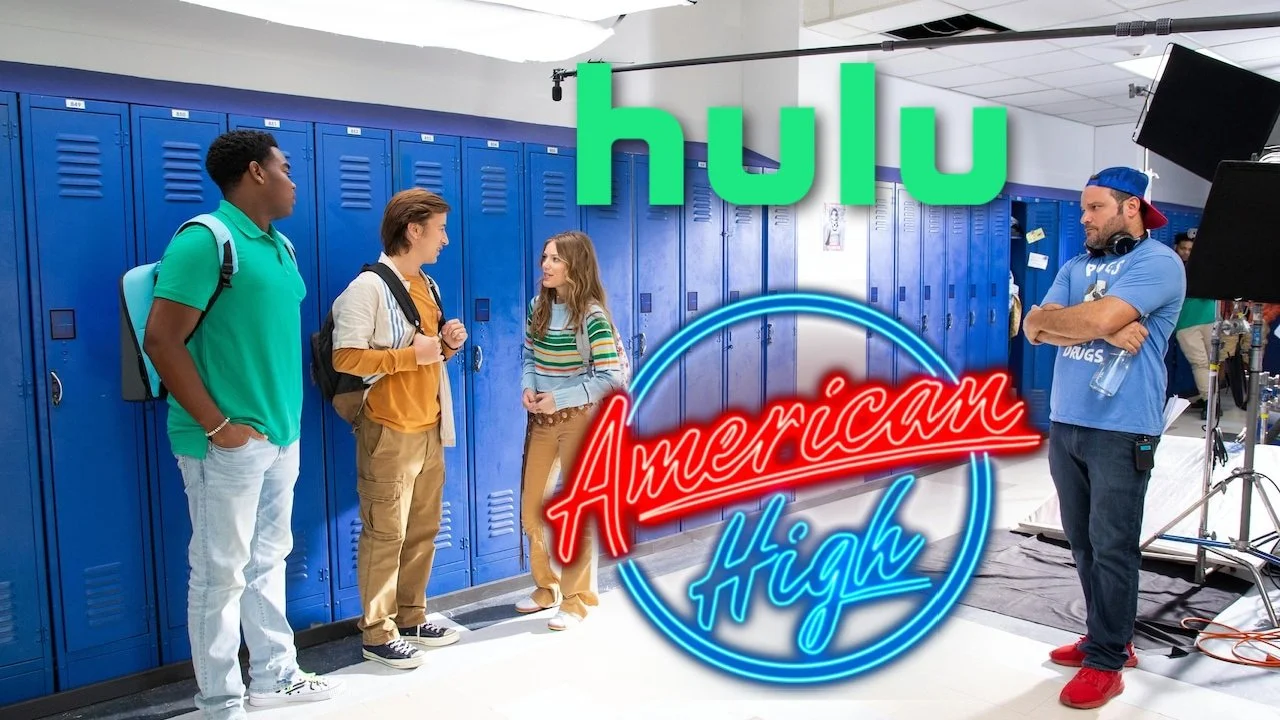
For Garelick, the building represents something deeper. Early in his career, he noticed how often young voices were ignored, even when their instincts were sharp. That experience shaped his commitment to empowering first-time directors and creatives. American High has now launched more than a dozen filmmakers into their first features, giving them both freedom and support.
“I don’t care if you’re 12,” Garelick said. “You pitched the idea because you never know where the best idea comes from.”
That ethos extends to how they treat people. According to Garelick, the priority has never been simply making a good movie. It has been making sure everyone has a good time making the movie, trusting that the quality will follow. That philosophy explains why collaborators keep coming back and why American High has managed to produce more than 20 films while maintaining a consistent voice.
Phelps summed it up simply. Teen movies do not need to be bleak to feel honest. American High films may get messy, chaotic, and embarrassing, but they almost always land in the same place. The kids will be alright. Life is strange, high school is traumatizing, and someday you will laugh about it.
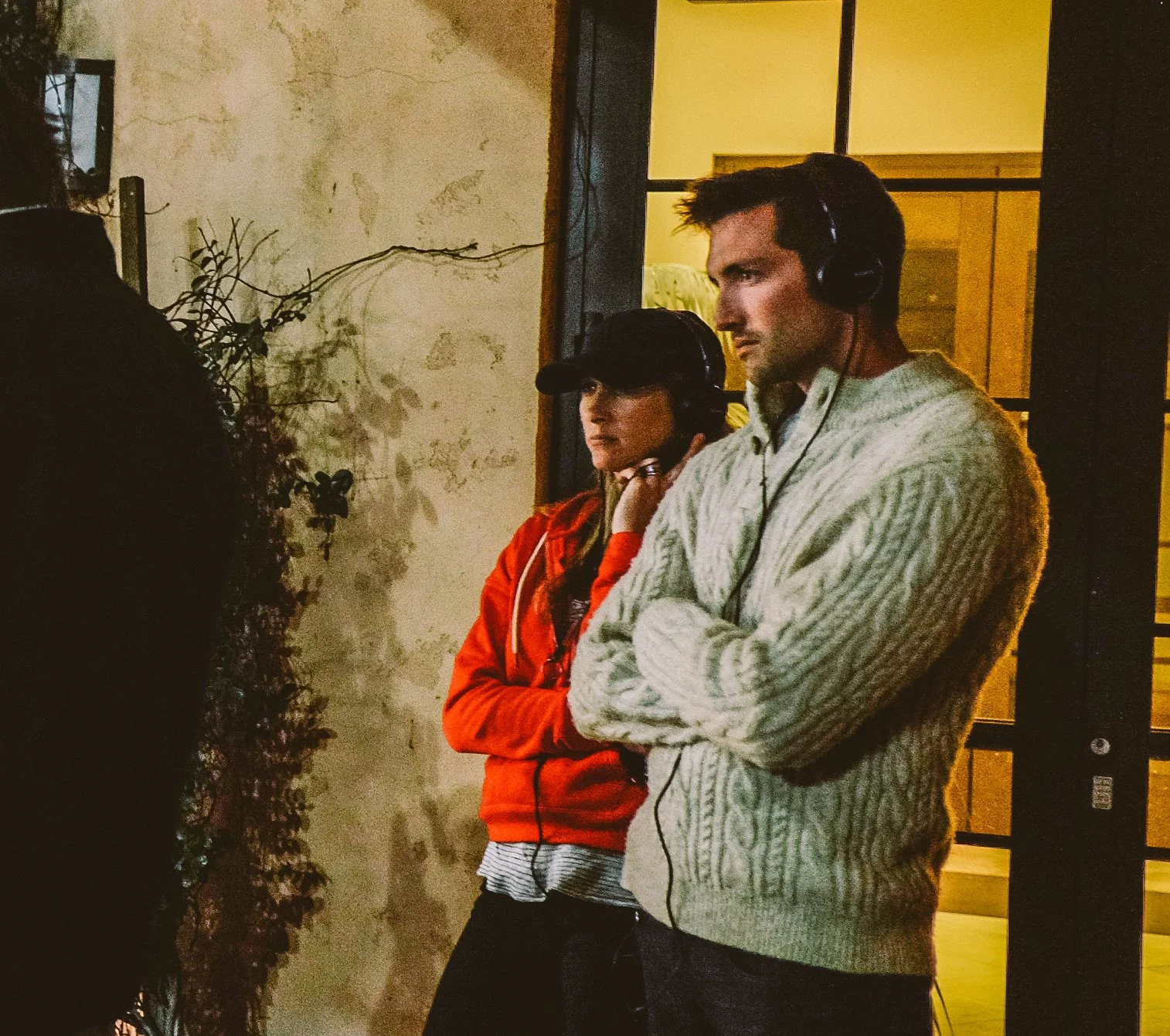
That optimism defines the brand. Garelick hopes audiences associate American High with laughter, hope, and community, the feeling of watching something together instead of alone. Phelps framed it as walking out of the theater feeling positive and believing that anything is possible.
After spending time talking with both of them, that confidence is contagious. American High does not feel like a studio chasing trends. It feels like a group of people who built their own ecosystem and are simply inviting everyone else in. Coming off the success of Pizza Movie, with Never Change and Rolling Loud on the horizon, it is hard not to be excited about where they go next. And if the past six years are any indication, the bell is not ringing anytime soon.
Jessie Hobson