
Some horror films ease you in. Frankie, Maniac Woman does the opposite. It opens with a punch straight to the throat and never lets up. Spending time with director Pierre Tsigaridis and star Dina Silva makes it obvious that this instinct was intentional. This film is loud, confrontational, and deeply personal, built by two creators who love horror history but are not interested in repeating it quietly.
Pierre talks about horror intros with genuine reverence. He traces that obsession back to watching Scream as a kid, admitting he was far too young, but that opening kill permanently burned itself into his brain. That DNA runs directly through Frankie, Maniac Woman. From his perspective, a horror movie should demand attention immediately. You press play, and “the moment you start, it starts.” No slow ramp-up. No safety net.
The opening kill was one of the earliest concepts for the film, designed to be visual, aggressive, and unmistakably slasher while still sneaking in personality. In under two minutes, Pierre wanted to set the tone, energy, and attitude, and to remind viewers that this is a horror film first and foremost.
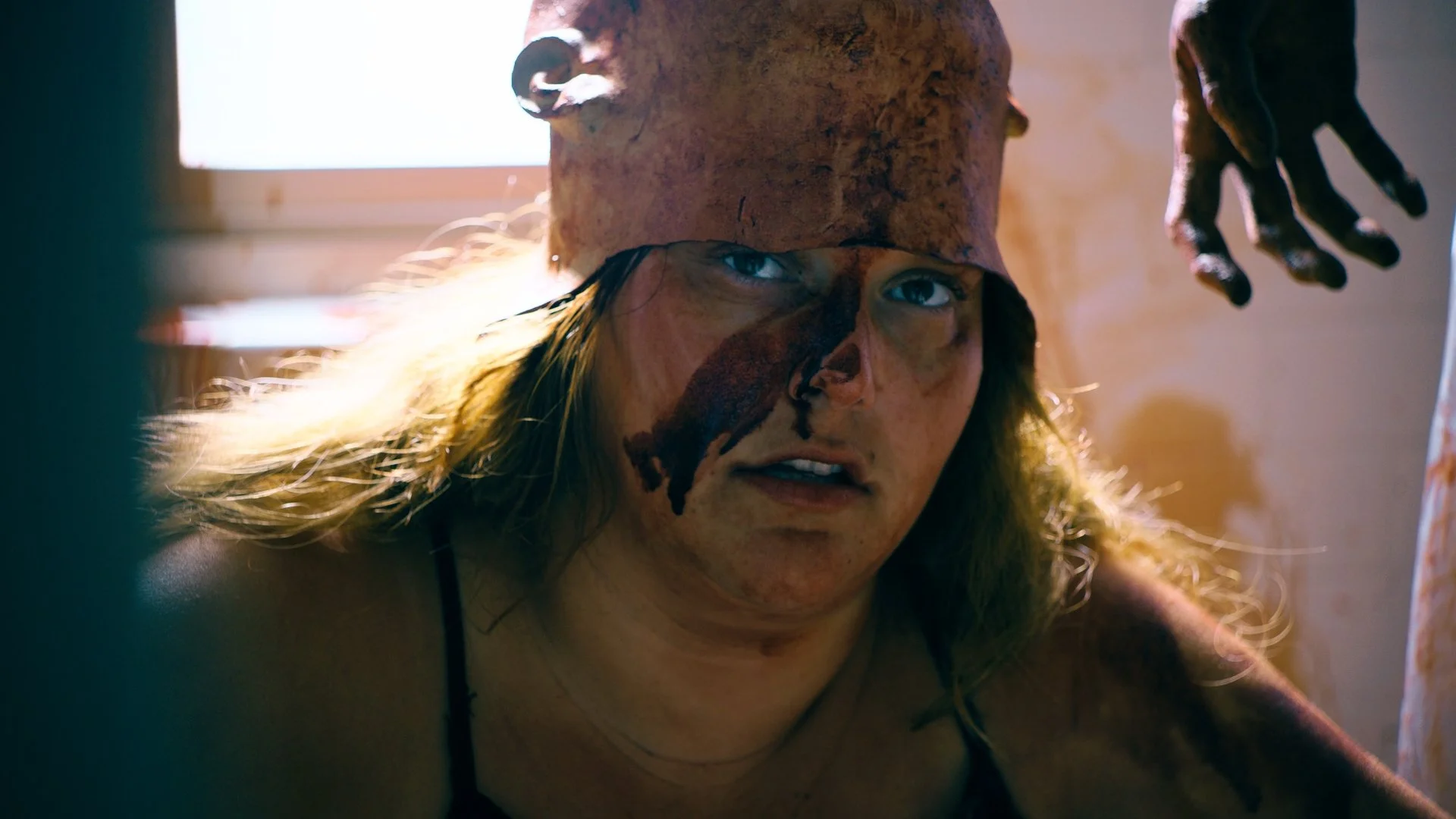
But even in that opening, Frankie feels different. She is intimidating, but she is also a little awkward, a detail both Pierre and Dina were committed to from the beginning. That clumsiness matters. It keeps Frankie grounded. Dina summed it up plainly during the conversation, saying, “We wanted her to be real.” Frankie is not a slick, untouchable force of evil. She moves like an actual person, stumbles, almost falls, and reacts in ways that feel human even when what she is doing is monstrous.
That realism is crucial to why Frankie sticks with you. Before the backstory fully unfolds, there is already something endearing about her. You want to know more. She pulls you in. Dina emphasized that Frankie was never meant to be a faceless killer, and both she and Pierre referenced Henry: Portrait of a Serial Killer when discussing what they wanted to avoid.
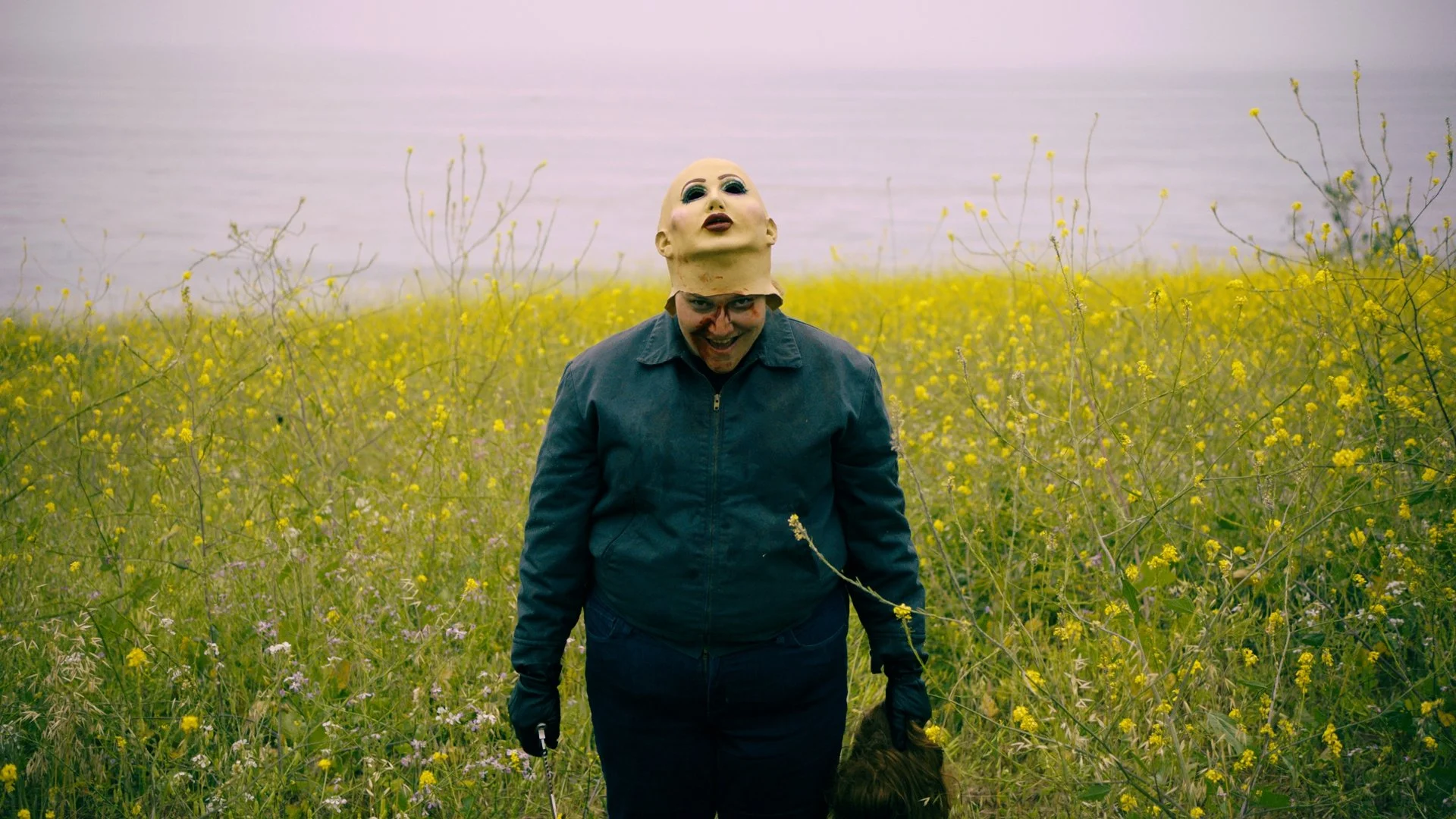
Unlike Henry, Frankie is not presented as a detached, purely predatory figure. Both creators talked about how important it was that Frankie exist somewhere else on the spectrum. She snaps. She has remorse. She feels things deeply. Her violence comes from pressure, trauma, and frustration rather than pure sadism.
Dina pointed to one specific moment that encapsulates that idea perfectly. Frankie stands alone in a bathroom, staring at herself before heading out to meet a music producer. She hypes herself up, telling herself, “This is your time. You’re beautiful.” That scene, Dina explained, is just as important as any kill in the film. It shows a woman trying desperately to believe in herself before being swallowed up again by rejection and self-doubt.
Pierre echoed that sentiment from a structural standpoint, explaining that the film’s choice to stay almost entirely in Frankie’s point of view demanded vulnerability. This was always intended to be a one-woman show. Reducing Frankie to just a mask and murder weapon would have been easier, but it would have undermined everything they wanted to explore. Instead, the film lingers on Frankie getting ready, waiting, breaking down in the desert, and oscillating between confidence and collapse.
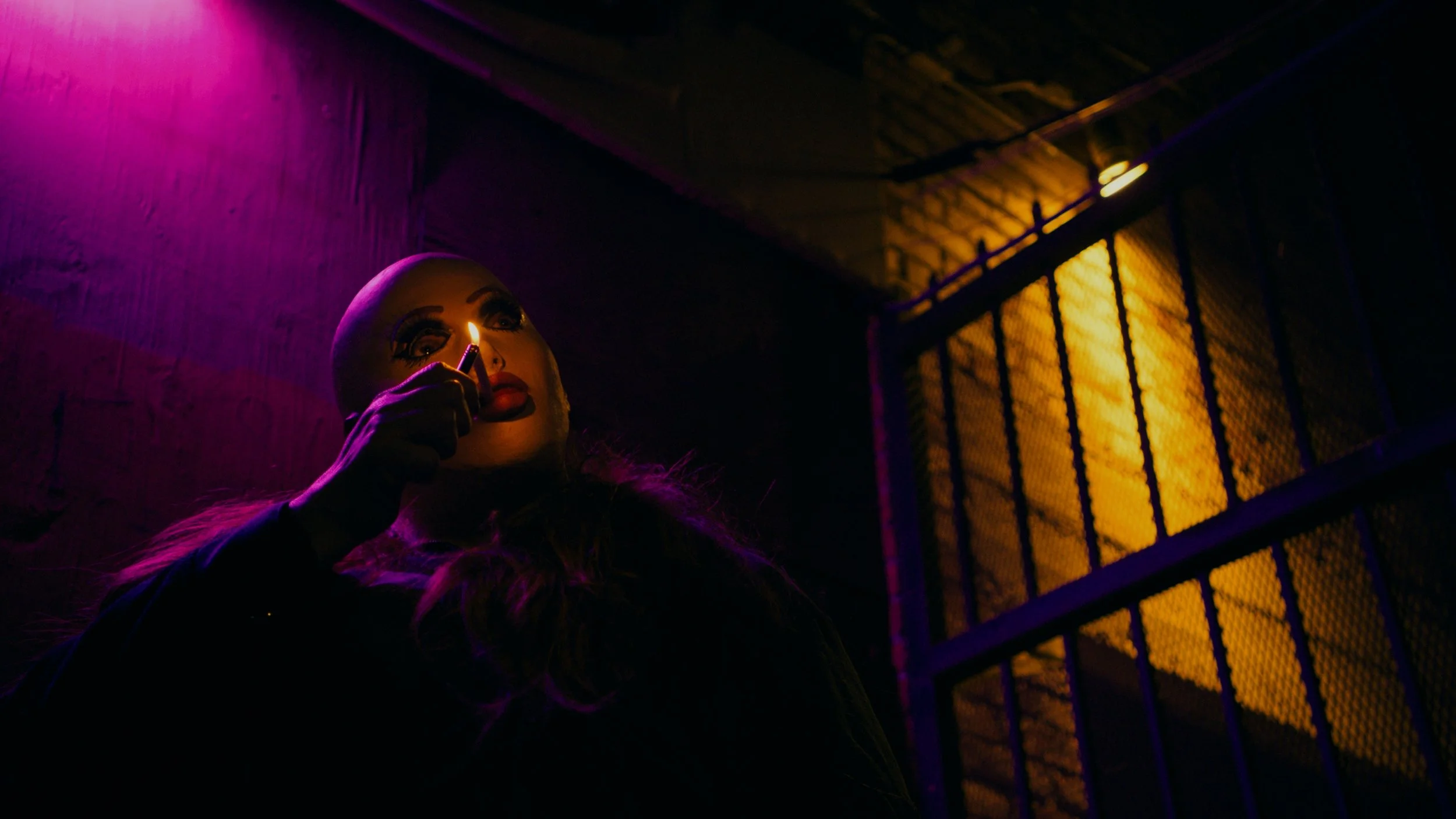
Dina’s performance is what makes those emotional pivots work. Her background in comedy bleeds into the character in unexpected ways, softening Frankie without ever excusing her actions. Frankie’s struggles with body image, rejection, and untreated mental illness make her recognizable in uncomfortable ways. She is dangerous, yes, but she is also hurting.
Pierre spoke about researching criminal profiling and understanding that psychopathy exists on a spectrum. Frankie is not the devil incarnate. She carries childhood trauma, eating disorders, body dysmorphia, and deep psychological wounds. The film never pretends those things justify her violence, but it also refuses to strip them away.
Despite how dark things get, Frankie, Maniac Woman carries a mean streak of humor. Some of it is subtle. Some of it is abrasive. Pierre openly acknowledged that not everyone will get it, and that is part of the film’s DNA. It is meant to be divisive. It is meant to make people uncomfortable.
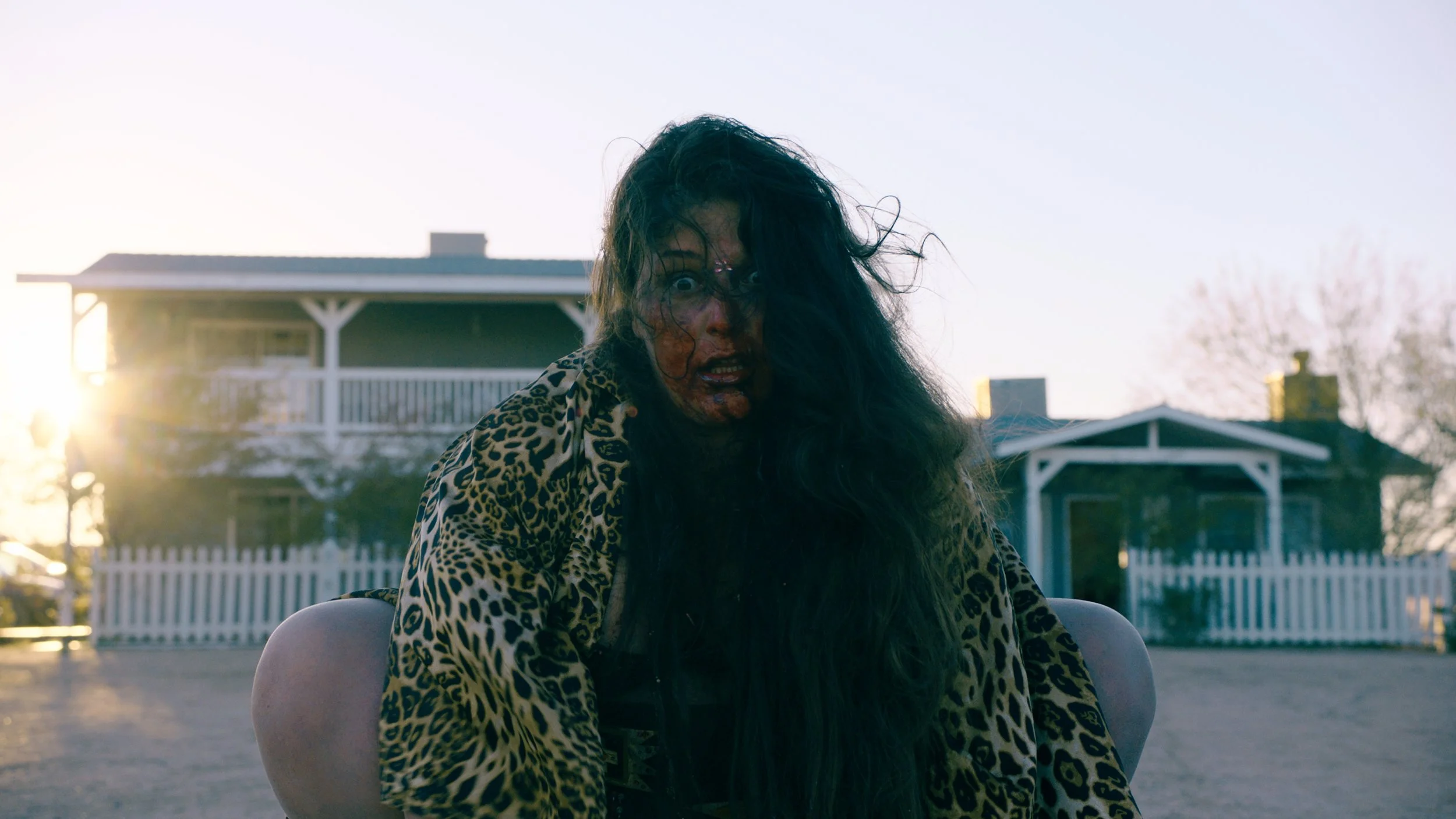
At the center of it all is Dina Silva, carrying an enormous amount of weight as both performer and creative force. She anchors the chaos with a fearless performance that shifts between vulnerability, rage, comedy, and genuine menace. Add in her musical talent, and the result is a character who feels alive even at her most unhinged.
Walking away from the conversation, it is hard not to feel excited about what is coming next. Pierre Tsigaridis feels like a fun new voice in horror, someone willing to take risks and swing big even when it means not everyone will come along for the ride. Dina Silva feels like a star on the rise, insanely talented and impossible to ignore.
Frankie, Maniac Woman is raw, aggressive, and unapologetic. It is not here to make you comfortable. Love it or hate it, it leaves a mark. And judging by the passion behind it, this is only the beginning.
Jessie Hobson