
Going into my conversation with Josh and Rebecca Tickell, I did not know exactly what to expect. A documentary about soil does not exactly scream must watch. And yet, by the end of it, I found myself completely locked in. If filmmaking ever stops working out for Josh, he could pivot into sales without missing a beat. I was buying what he was selling.
But what makes Groundswell and the people behind it work is not just enthusiasm. It is conviction.
This is the third film in a trilogy that started with Kiss the Ground and continued with Common Ground. What began as a simple idea turned into something much bigger. Josh framed it in a way that almost sounds like a dare. It started with a basic question: how important is soil, and can it actually affect the climate? Then came the real challenge. He explained, “We had a deeper question which is can we make a movie out of soil? And it turns out we could.”
That first film hit at the exact right moment during COVID, when people were thinking more about health, food, and the systems around them. From there, the story kept expanding. By the time Groundswell arrives, the goal is no longer just awareness. It is about solutions, and more importantly, hope.
Josh is very clear about that shift. The old environmental narrative, the one built on fear and collapse, is not what he is interested in anymore. As he put it, “What if the story is, hey, with some simple changes, we can turn this thing around. We’re just telling ourselves the wrong story.” That idea fuels Groundswell. Not doom, not despair. A how-to guide for fixing things.
Rebecca matches that energy but grounds it in something broader. For her, this is not just a film. It is part of a turning point. “This is the beginning of the age of regeneration. We’re leaving the age of extraction,” she said. It sounds big, maybe even lofty, but hearing it directly, it does not feel abstract. It feels intentional. And that intention carries into everything, even the controversial parts.
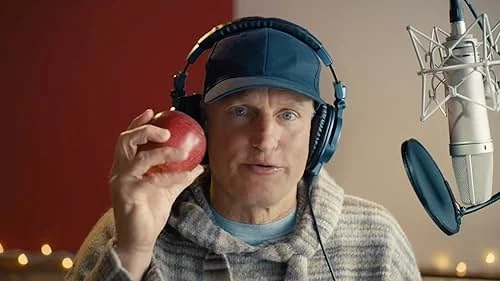
The use of celebrity voices like Woody Harrelson and Demi Moore is something the Tickells are well aware draws criticism. Rebecca did not dodge that at all. She pointed out the obvious reality. Without those voices, these conversations do not reach the same audience. As she bluntly put it, “We wouldn’t even be doing the interview or having the write-up about it if we hadn’t had the celebrity in the film in the first place.” It is hard to argue with that.
Demi Moore in particular came into this project from a personal place. Rebecca shared that after becoming a grandmother, Moore had a major shift in perspective and wanted to use her voice to help protect future generations. That intent carries into the film in a way that feels genuine rather than performative.
And honestly, sitting there listening to them talk, the message is what sticks. You can tell they genuinely believe in what they are doing. The criticism exists, sure, but it feels secondary to the mission. They are not chasing trends. They are trying to build something. That sense of purpose actually connects back to something unexpected. Prancer. Yes, that Prancer.
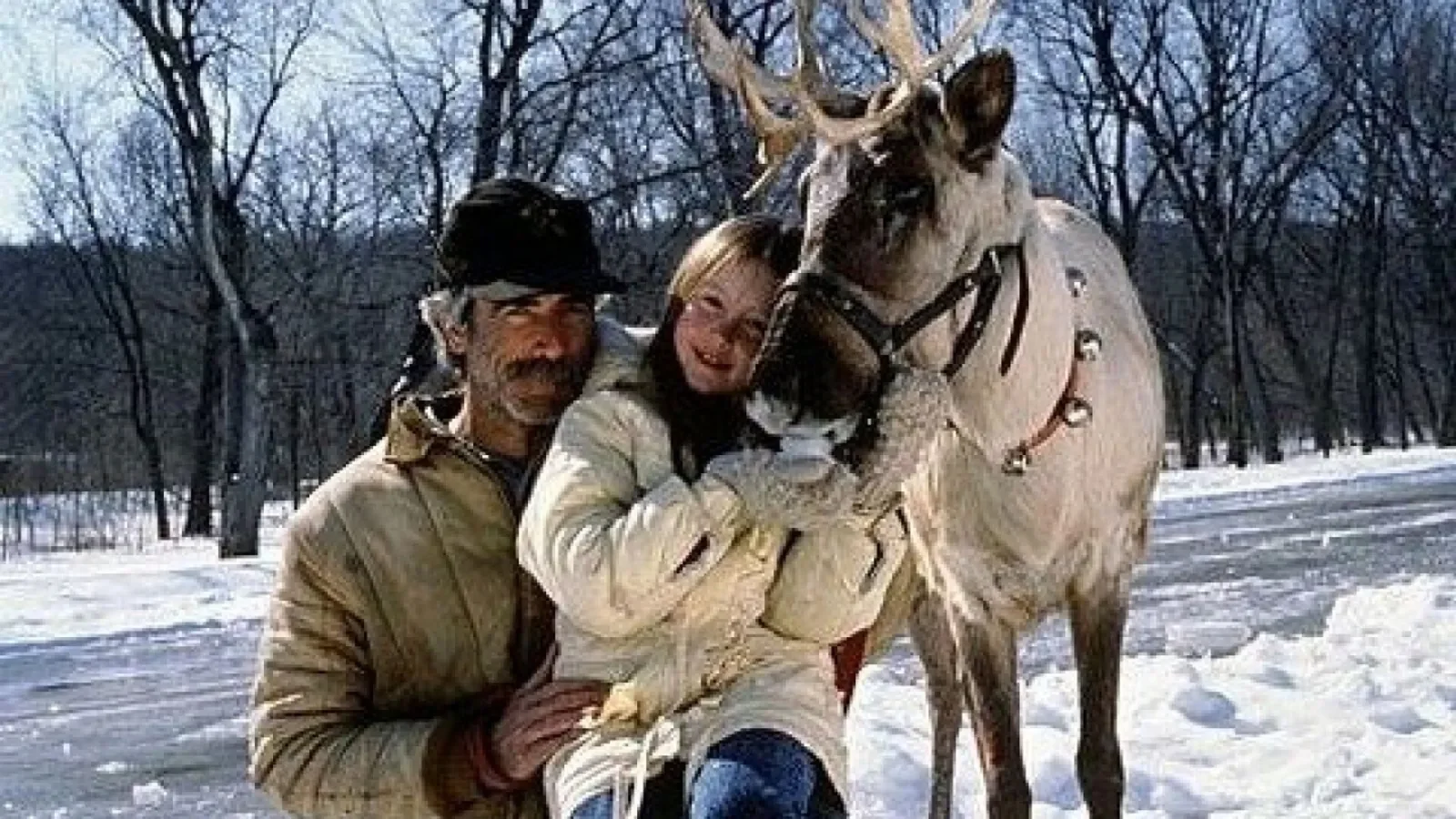
Rebecca’s early role as Jessica Riggs might seem like a random detour in the middle of all this climate talk, but the connection is real. When I brought it up, she leaned right into it. The through line is hope.
She talked about working with Sam Elliott and how immersive that experience was at such a young age, saying he “was like my dad” during filming because of how deeply he stayed in character. But what really stood out was how she tied that story back to her own life.
Growing up around farming, Rebecca saw firsthand how broken parts of that system could be. She explained how members of her own family became sick from chemical exposure, and how Prancer itself dealt with a struggling farming family. Looking back now, it feels almost inevitable that she would end up telling stories about fixing that system.
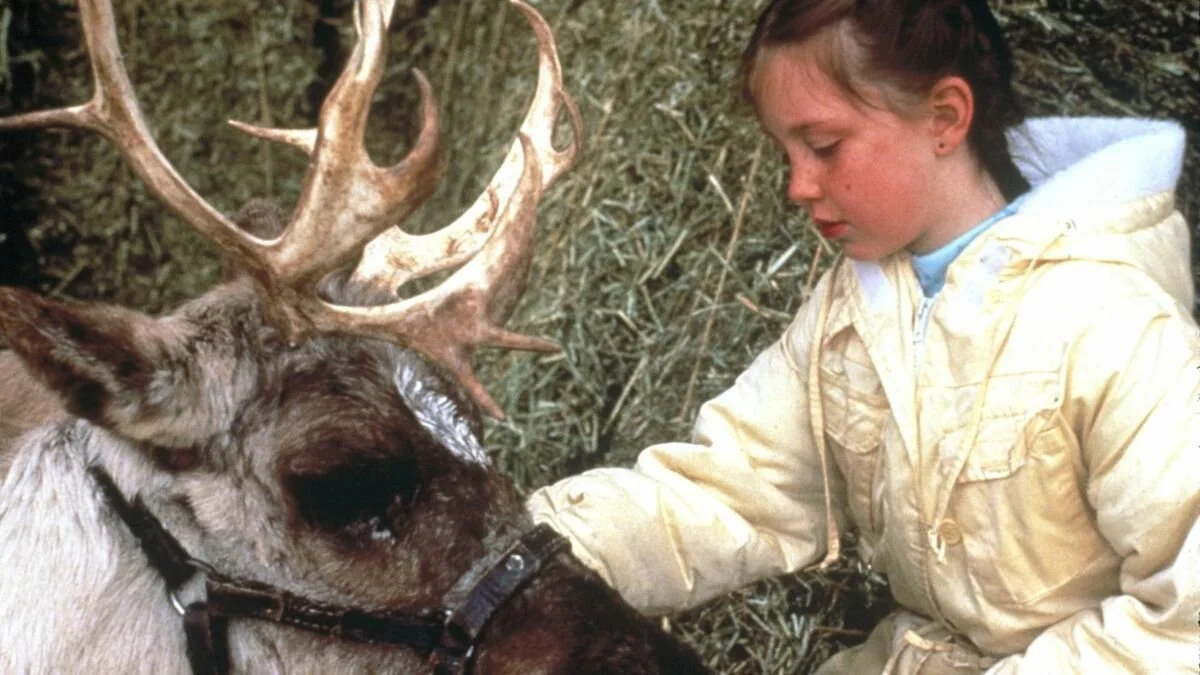
“I feel like she’s me and I’m her,” Rebecca said about Jessica Riggs. And it tracks. That same sense of belief and determination has carried forward. She described how that character’s courage stuck with her, shaping her drive to tell stories that help people and the planet.
It actually reframes everything. Groundswell is not just another documentary. It is an extension of a mindset that has been there all along.
And maybe that is why the film works the way it does. Because even when the subject sounds like it should be dry or overly technical, the people telling the story are anything but. Josh even acknowledges the weirdness of it all. These are films about soil, and yet they are meant to make you feel something.
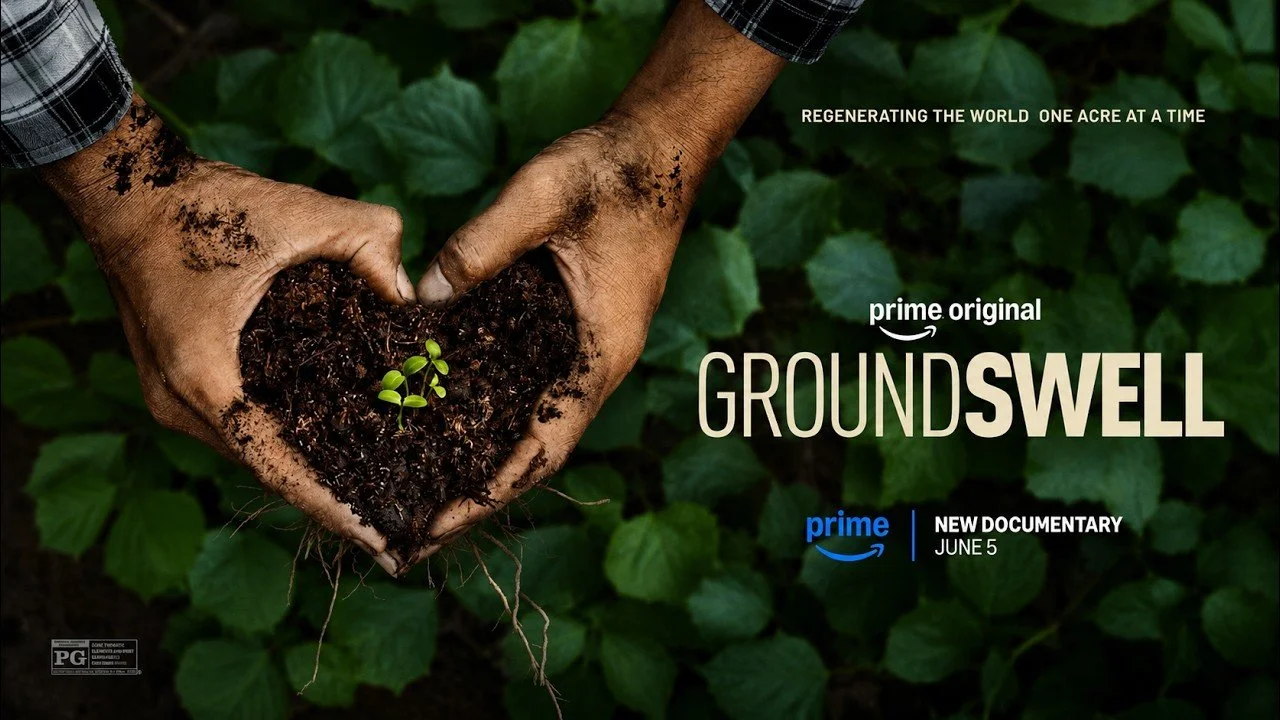
For him, it goes deeper than filmmaking. He sees environmental storytelling as the original form of storytelling, rooted in humanity’s earliest connection to nature. Strip away the data and messaging, and what remains is that connection. That is the pitch. That is the sell. And yeah, by the end of it, I got it.
More than anything, this was just a genuinely good conversation. The kind where you forget you are supposed to be asking questions and just start listening. It is easy to see why Groundswell exists, even if you come in skeptical. Because at the core of it, Josh and Rebecca Tickell are not just making films. They are trying to convince you that things can still get better. And for better or worse, they are very good at making that idea stick.
Jessie Hobson