
I’ll admit it upfront. I walked into Anxiety Club for the comics. When you hear names like Marc Maron, Joe List, Aparna Nancherla, and Baron Vaughn, it’s easy to assume you’re in for a certain kind of ride. Something funny, maybe a little raw, but still mostly built for laughs. That’s what makes Wendy Lobel’s documentary hit a little harder than expected. It’s not just funny. It’s thoughtful. It’s uncomfortable in the right ways. And yeah, it’s actually a legit documentary.
Talking with Lobel and Vaughn, that balance didn’t happen by accident. Lobel was quick to point out how delicate the process really was. The film blends stand-up, therapy sessions, and deeply personal moments, which is a tricky cocktail to get right. As she explained, “we wanted it to be intimate, and we wanted it to be deep, and we wanted it to be meaningful, but obviously we also wanted it to be funny… if there was too much humor or too much of the serious, it wouldn’t have worked as well.”
That push and pull is baked into the film. You can feel it shifting as it goes, leaning a little heavier into the comedy early, then gradually letting the weight of everything settle in. It never loses its sense of humor, but it also never hides behind it. And that’s where Baron Vaughn fits in perfectly.
If you know Vaughn from Mystery Science Theater 3000, Scare Package, or even Cloverfield, you already know he brings a thoughtful energy to whatever he’s in. Here, he becomes part of the film’s larger conversation about vulnerability, and what happens when comedians don’t have the safety net of a punchline. Because that’s the thing. Stand-up is controlled. Interviews like this? Not so much.
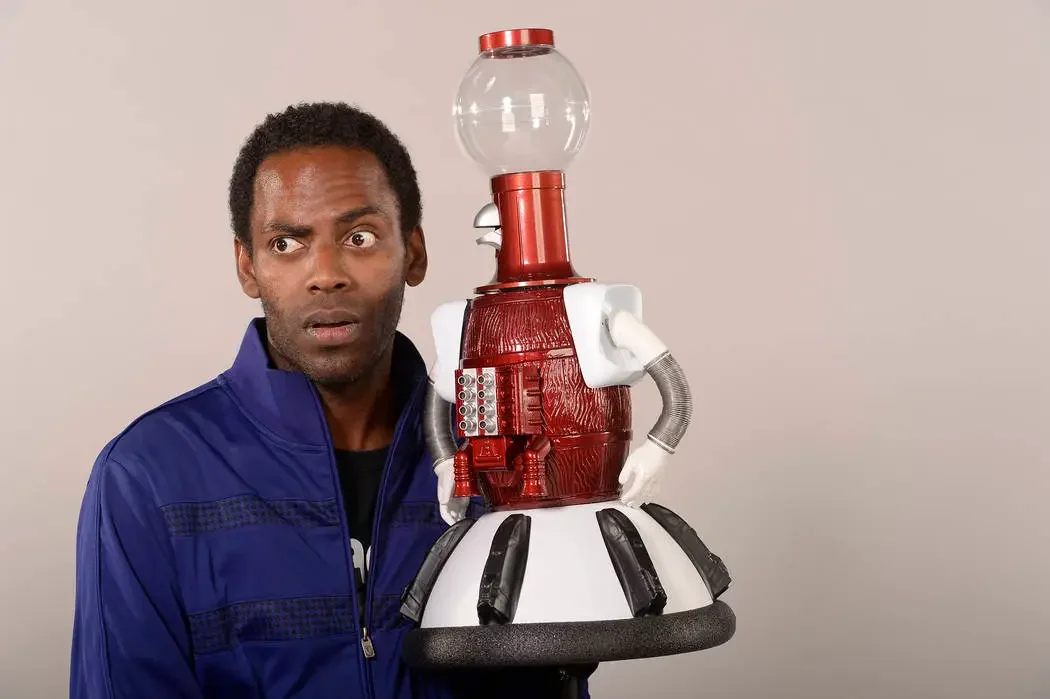
Vaughn admitted that stepping into the documentary space felt different, even in familiar surroundings. Walking into a comedy club to film, but not perform, threw him off balance. As he put it, “I’m in a place where I feel comfortable, I’m doing something that I’m not normally doing in this space,” capturing that strange overlap between comfort and exposure.
That lack of control is part of what makes Anxiety Club work. Comedians are used to shaping their stories, refining them, landing them just right. Here, they’re just talking. And that can be terrifying.
Vaughn didn’t sugarcoat it. Without that carefully crafted structure, “we’re more exposed in this way where we’re just answering questions… not knowing exactly what we said, not knowing how we came off.” That anxious loop, replaying everything you’ve said and wondering if it landed wrong, is baked into the experience.
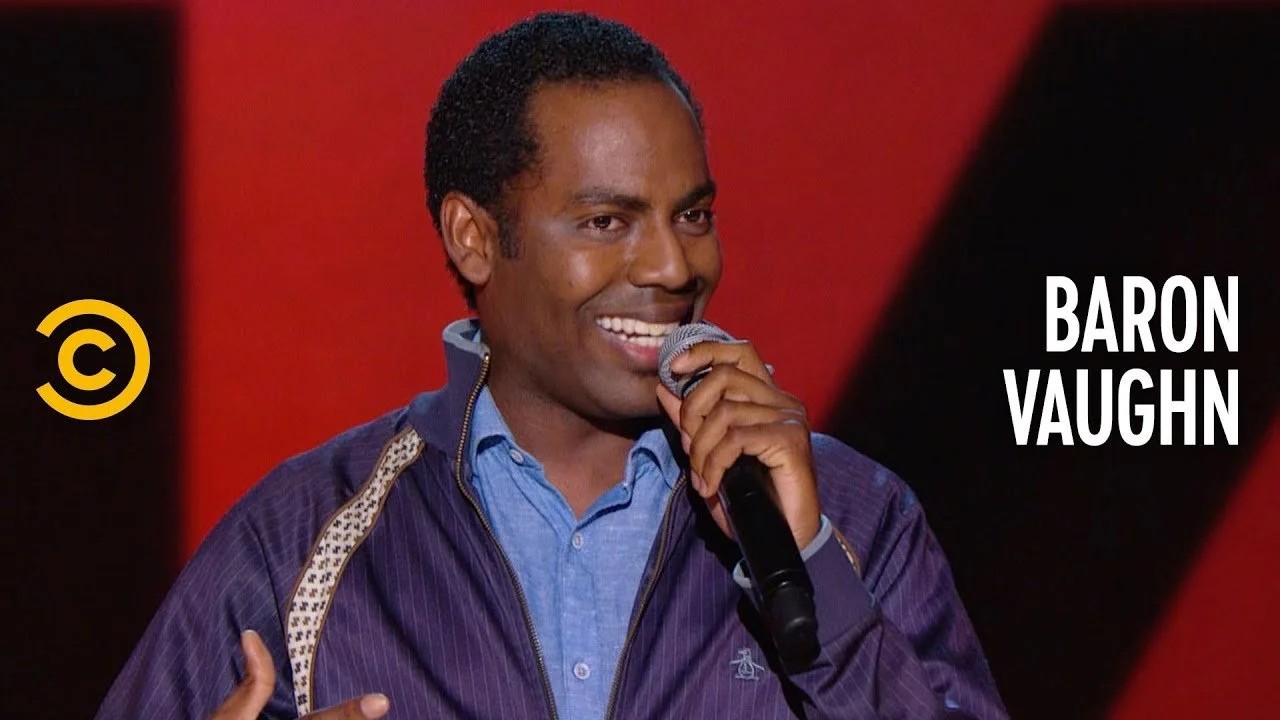
What Lobel does smartly is create a space where that kind of honesty can exist without feeling intrusive. That meant building real trust, especially when it came to filming therapy sessions. She emphasized that those involved were always in control, that they could stop at any moment, no pressure, no obligation. That kind of care shows up on screen.
Nothing feels exploitative. Nothing feels mined for drama. You’re not watching people unravel for the sake of it. You’re watching them try to understand what’s going on in their own heads, in real time. And that’s where Vaughn sees the real impact.
When anxiety is talked about openly, people respond differently. Not just with laughs, but with recognition. “There’s more people out there that are dealing with or struggling with anxiety than I would have even thought,” he said, pointing to how often people don’t even realize what they’re experiencing or how it shows up in their own lives.
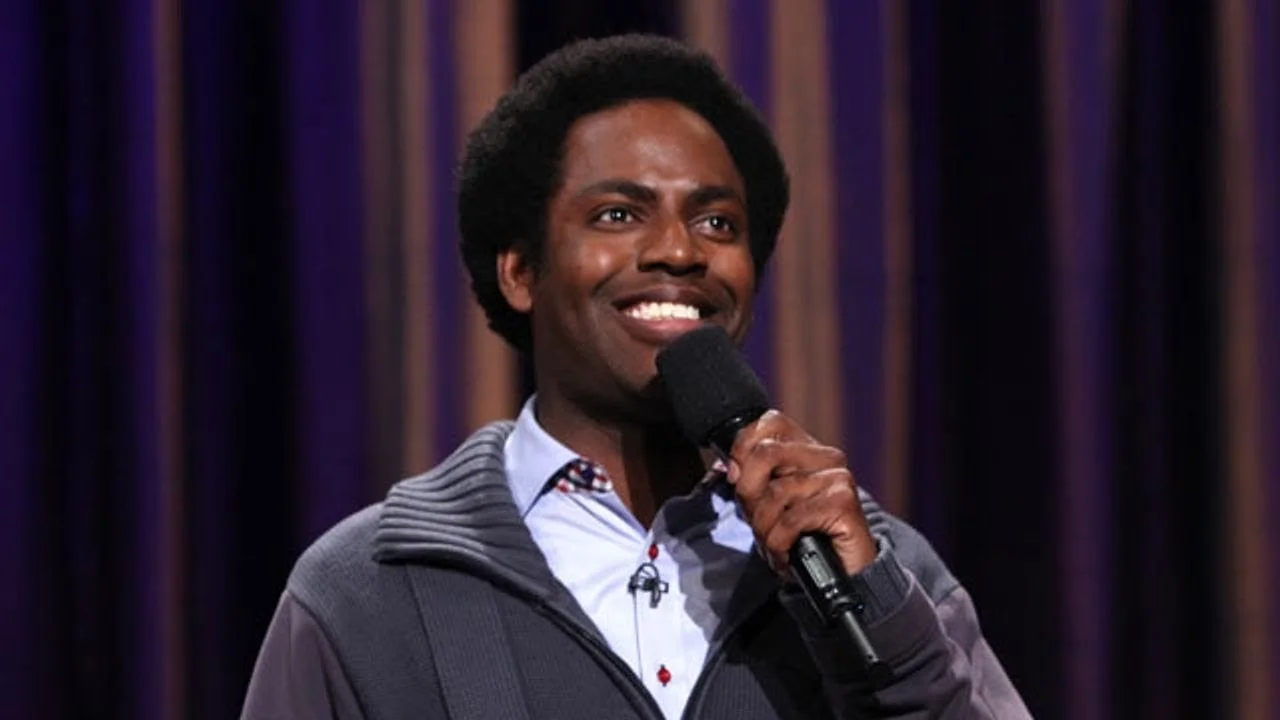
That connection matters. Vaughn broke it down in a way that feels perfect for this film, saying that on stage, a laugh is basically the audience saying, “I agree” or “I see you.” It’s validation. It’s understanding. And it’s exactly what Anxiety Club aims to create in a broader way.
You might not laugh through the entire film, but you’ll recognize something. Maybe it’s your own thoughts. Maybe it’s someone you know. Either way, it lands.
For Lobel, that’s the goal. She wants people “to feel seen, to feel less alone… and also to lighten up, to feel a little lighter about it.” The film doesn’t try to solve anxiety, but it does make space for it in a way that feels approachable instead of overwhelming.
Vaughn echoed that idea from a slightly different angle. Anxiety isn’t something you just eliminate. “I don’t think anxiety is something that goes away… It’s just something that is a fact of your life that you have to figure out a way… how to live with it.” It’s less about fixing and more about understanding. And maybe that’s why the film works.
It doesn’t try to wrap things up neatly. It doesn’t offer a clean resolution. It just opens the door and lets people sit with it, talk about it, laugh at it, even when it feels a little uncomfortable. It also builds something unexpected in the process.
For Vaughn, one of the biggest takeaways wasn’t just the film itself, but what came after. The connections, the friendships, the sense of community that grew out of it. Being part of Anxiety Club introduced him to new people, including Lobel, and created what he described as “friendship and camaraderie and community… because that is really what it’s about, being in the club.”
So yeah, I went in for the comics. But I stuck around for everything else. And somehow, Anxiety Club makes all of it- the fear, the honesty, the vulnerability- feel just a little less heavy.
Jessie Hobson