There are legends, and then there are actors who quietly keep putting in the work long after the spotlight has shifted. Lou Diamond Phillips is firmly in both categories.
At this year’s Cine Las Americas International Film Festival, Phillips arrived not just as a recognizable face from La Bamba, Stand and Deliver, or Young Guns, but as the driving force behind Keep Quiet, a grounded, emotionally layered police procedural directed by Vincent Grashaw. And honestly, sitting down with him? It felt a little surreal. This is a guy a lot of us grew up watching in classrooms and living rooms, passed down like required viewing from family members who knew what was up. Yet in conversation, he’s calm, reflective, and fully present. No ego. No rush. Just an artist still digging into the work.
Talking about Keep Quiet, Phillips lit up immediately when describing what pulled him into the role of Teddy Sharpe. For him, it started with the character’s depth, explaining how the appeal wasn’t just on the surface but unfolded as he read. He mentioned that “this character is very complex and very layered, and you only discover that as the film goes along,” and it clicked early. By page ten, he said, “I know this guy… I grew up around this guy,” grounding the role in lived experience rather than technical prep.
And that’s really the core of what makes Keep Quiet stand out. Instead of leaning on procedural clichés, Phillips brings a kind of worn-in authenticity to Teddy, a man carrying guilt, experience, and a lifetime of hard choices. He explained that, unlike other similar roles, what set this one apart was “this great sense of guilt and shame and the burden that Teddy carries quietly for most of the film,” giving the character a deeper emotional anchor.
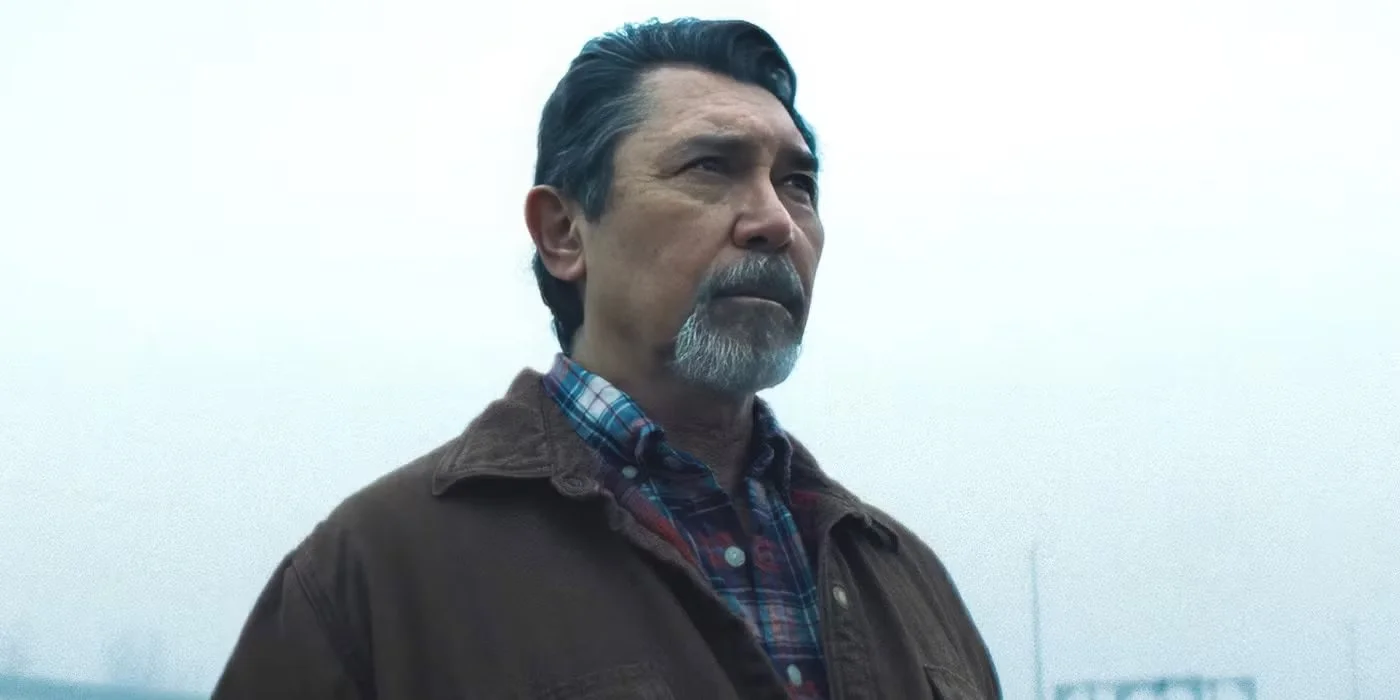
That approach extends to the film’s setting as well. Taking place on a Native American reservation, Keep Quiet steps outside the usual genre playbook. Phillips made it clear that authenticity wasn’t optional. It was essential. He emphasized wanting “to be respectful… to bring dignity and honor to the community,” and backed that up by bringing in trusted collaborators with deep ties to Indigenous storytelling to ensure the film stayed grounded in truth while still functioning as narrative cinema.
That balance, between storytelling and responsibility, is exactly why Keep Quiet feels like the right fit for Cine Las Americas. The Austin-based festival, now in its 28th year, has built a reputation around amplifying Latine and Indigenous voices and giving independent films a space to connect directly with audiences. Phillips didn’t take that lightly. He spoke about how meaningful it is to bring a film like this into a space that has “been doing this for a couple of decades now,” calling out the festival’s commitment to communities that are too often overlooked. And that independent spirit matters. A lot.

Phillips was candid about the reality of smaller films like Keep Quiet, noting that this isn’t a studio-backed rollout with massive marketing behind it. Instead, it’s about showing up, doing interviews, connecting with audiences, and literally carrying the film from festival to festival. As he put it, “we have to hand-carry this to the audience… we have to invite people into the seats.” It’s that grassroots energy that makes festivals like Cine Las Americas feel essential rather than optional.
At the same time, Keep Quiet isn’t just a niche story. If anything, Phillips pushed back on that idea entirely. Reflecting on films like La Bamba and Stand and Deliver, he pointed out that even stories rooted in specific communities can reach much wider. He described them as “universal,” and sees Keep Quiet in that same lineage. It’s not just about one place or group. It’s about family, identity, and the struggle to belong, especially for younger generations trying to find their footing.
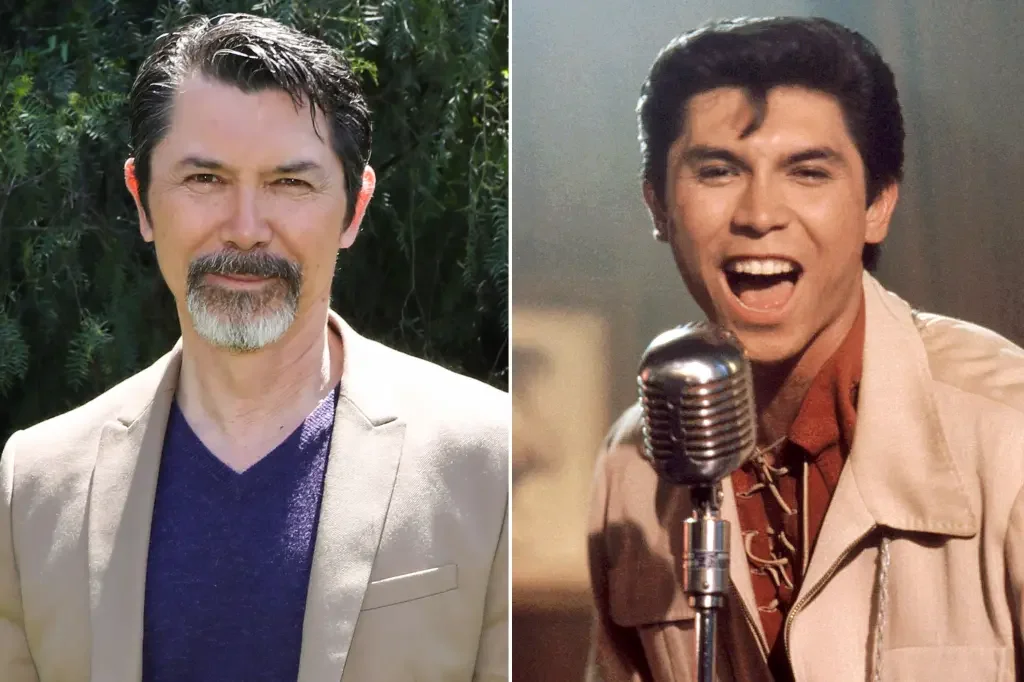
That perspective gives the film its emotional weight, but it also speaks to where Phillips is in his career now. Forty years in, he’s still chasing roles that challenge him. He admitted he’s “still amazed and gratified” to be finding characters that intrigue him and push him creatively, rather than settling into anything predictable.
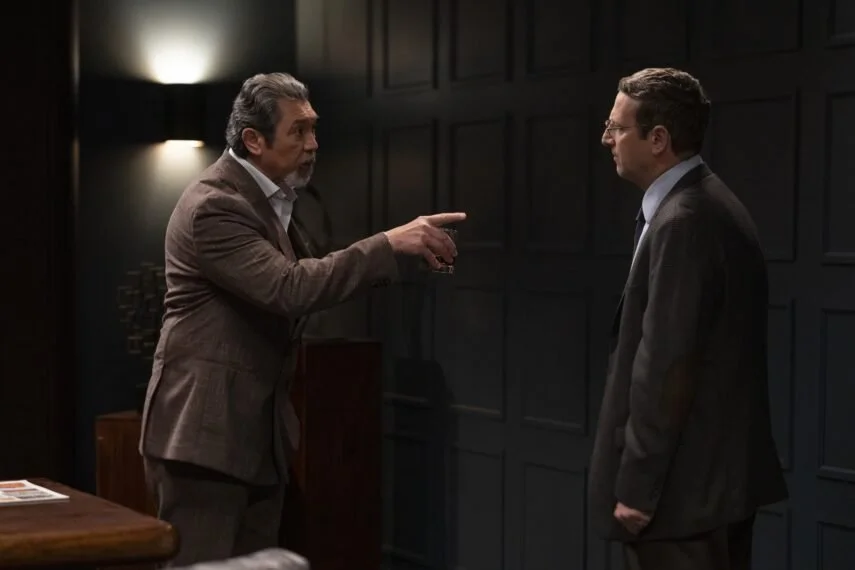
And yeah, that includes projects like The Chair Company, which came up naturally in conversation. Phillips laughed about how unexpected that role was, even for him, saying he wasn’t sure he would have cast himself in it. But that’s part of the appeal now. Taking risks, doing something a little “outside the box,” and proving there’s still plenty of ground left to cover.
That mindset is probably why seeing him here, being honored with his own day at the festival, feels earned without feeling like a victory lap. It’s less about looking back and more about continuing forward.
At the end of the day, the conversation felt exactly like what CineDump is all about. Real, unfiltered, and rooted in a genuine love for movies and the people who make them. And huge credit to Cine Las Americas for making it happen and continuing to create a space where conversations like this can exist. Because yeah, Lou Diamond Phillips is a legend. But more importantly, he’s still putting in the work.
Jessie Hobson