
There is something particularly fitting about talking to the cast and creators of Grind in person at SXSW. A film that skewers hustle culture, gig work, exploitation, and burnout deserves to be discussed in the middle of one of the most exhausting festivals imaginable. Somehow, though, sitting down with Barbara Crampton, Rob Huebel, Christopher Marquette, and directors Ed Dougherty, Brea Grant, and Chelsea Stardust felt less like work and more like a reminder of why movies like this exist in the first place.
Grind is a horror anthology very much of the now. It taps into something almost everyone can recognize without needing explanation. When the conversation turned to the film’s core theme, one cast member summed it up bluntly by pointing out how universal the experience is, explaining that most people hate their jobs, hate their bosses, and do not want to be doing what they are doing. Making a living has become such a grind and such a hustle that the movie was built to reflect that pressure while still being funny and scary. That relatability is the glue holding Grind together. You do not need to work in the gig economy to feel attacked by it. You just need to exist.
Brea Grant and Ed Dougherty began developing the film during the pandemic, when economic anxiety was impossible to ignore. Looking around at friends juggling multiple jobs and barely holding onto rent, they realized that horror had the perfect language to talk about those fears. Horror, at its best, reflects what we are actually scared of, and right now, making ends meet has become one of the loudest anxieties in the room. Rather than sidestepping that reality, Grind leans all the way in.
Tonally, the film lives in a space where absurdity and dread coexist comfortably. As one director put it, real life is already bizarre and darkly funny, and if you take the comedy out of it entirely, it just stops working. That balance shows up across the anthology’s segments, from MLM nightmares to content moderation hellscapes. Yes, the subject matter gets bleak, but it is always anchored by humor sharp enough to keep you leaning forward instead of checking out.
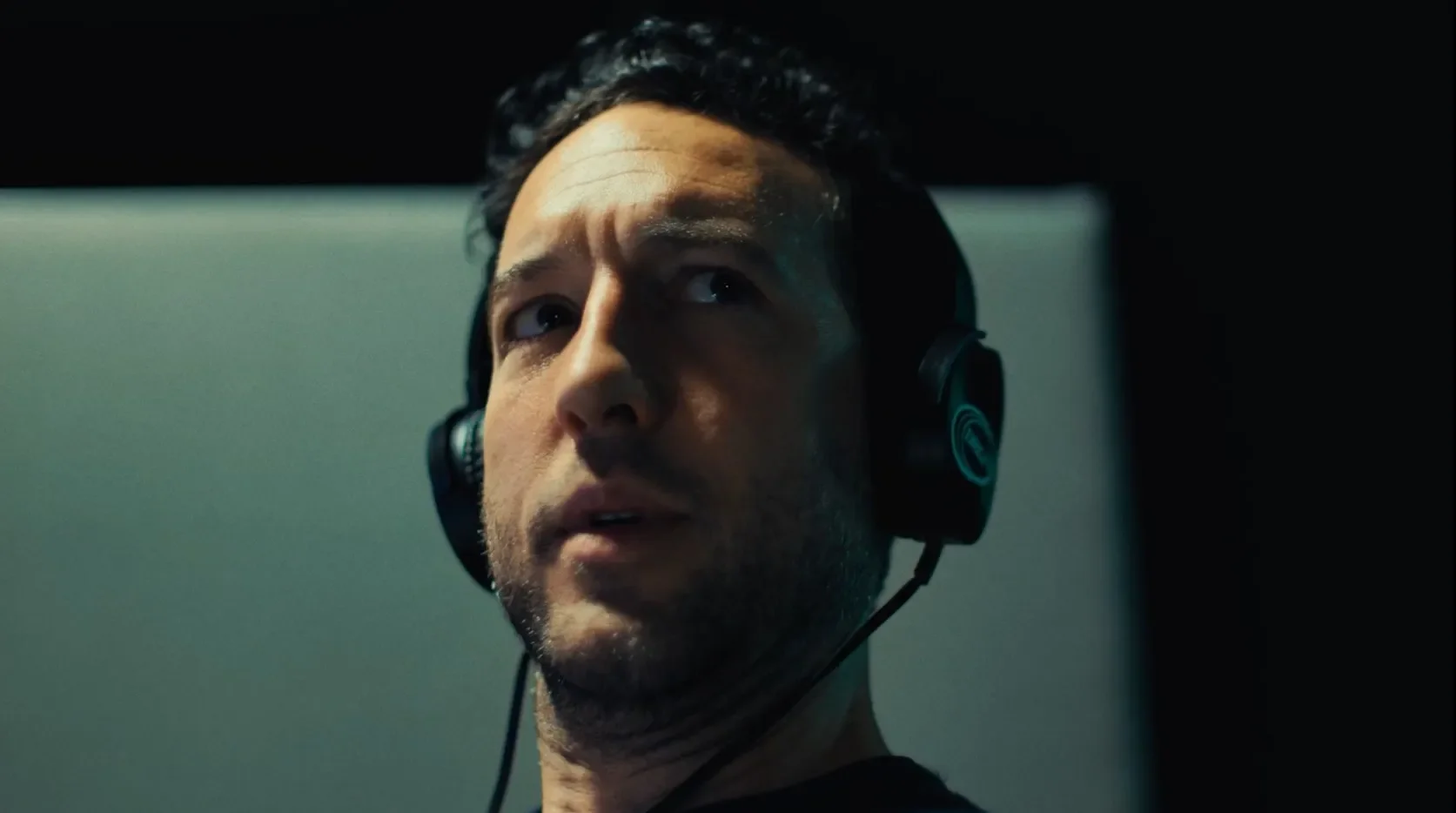
Christopher Marquette’s segment, which tackles content moderation, carries some of the darkest thematic weight in the film. Marquette spoke about how closely it mirrored his own experiences in the entertainment industry, describing independent filmmaking as a world built on favors, borrowed resources, and people barely walking away having covered gas money. The idea of a stable middle-class life feels increasingly nonexistent, replaced by brief moments of comfort and long stretches of uncertainty. That feeling, of constantly holding your breath and hoping things will be okay in a few months, is baked into Grind at every level.
It is not just fictionalized fear either. Both cast and crew talked about being approached by MLMs in real life or knowing friends who rely on delivery and gig work to survive. That instant recognition pulls the audience in. You know the systems being spoofed because you have either dealt with them yourself or watched someone you care about struggle through them. Grind does not invent its horrors. It simply pushes the volume all the way up.
Rob Huebel, whose comedic instincts have been shaping audiences since Human Giant, brings a familiar kind of discomfort to his role. He understands how to make authority figures funny without ever letting them feel safe. His presence, especially opposite Marquette, amplifies the film’s critique of corporate cruelty. It is the kind of performance that makes you laugh and then immediately feel bad for laughing.
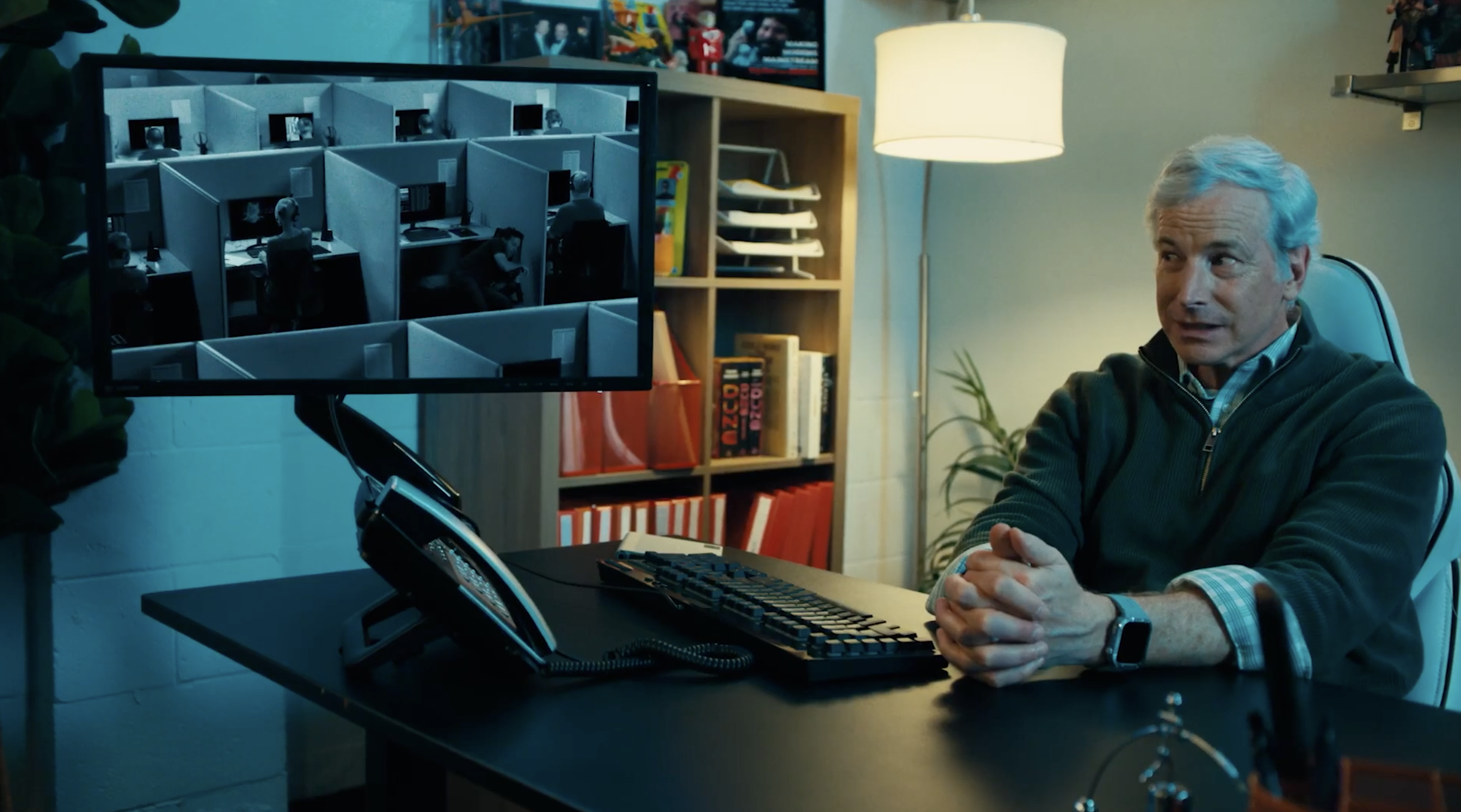
Seeing Barbara Crampton step into this world is its own kind of reward. As genre royalty, her involvement gives Grind a sense of legacy while still letting it feel fresh. She spoke about how the workforce has transformed over generations, pointing out that previous eras offered stability that simply does not exist anymore. Today’s workers bounce from job to job, scraping together enough to survive in a system that feels actively hostile. That tension drives Grind, and Crampton’s presence grounds the satire with lived experience.
The anthology format itself can be risky, but Dougherty and Grant were intentional about cohesion from the beginning. Writing the entire film together allowed them to treat it like a single emotional journey rather than disconnected shorts stitched together. They structured it like a three-act movie, letting each segment breathe while still feeding into a larger rhythm. One comparison that came up (thanks, Dad) was that it felt like Creepshow for millennials, which Huebel thought should be on the poster.
Chelsea Stardust’s involvement adds another layer of continuity. Having already directed Satanic Panic, a film many genre fans, myself included, have personal connections to, it was genuinely great finally meeting her in person. Stardust directed the wraparound segments for Grind, and doing them after seeing an assembly cut allowed her to tailor the material specifically to enhance cohesion. Because she had been on set throughout production, she already understood the movie’s creative pulse, making those bookends feel intentional rather than tacked on.
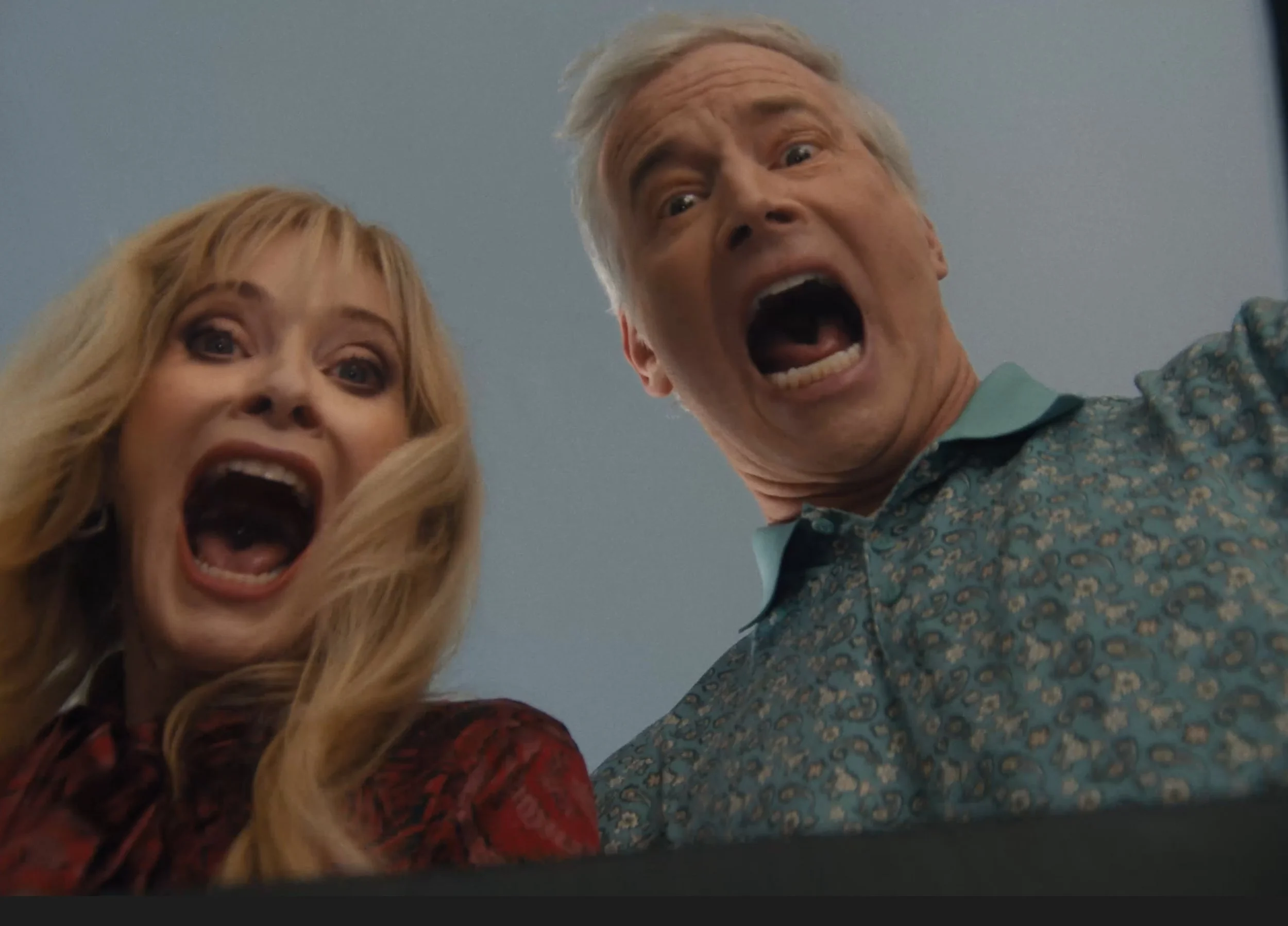
Despite the heavy subject matter, the ultimate goal of Grind was always to be fun. That came up repeatedly. The filmmakers deliberately cast actors with strong comedic instincts because they wanted the film to be a good time first and a social commentary second. The satire lands because it never forgets to entertain.
Walking away from the conversation and the SXSW premiere, it was hard not to feel like Grind taps into a shared exhaustion without ever becoming cynical. It laughs with you, not at you, and maybe that is why it connects so strongly. It is cathartic, uncomfortable, and weirdly validating to see your own anxieties reflected back at you in blood-soaked, absurd fashion.
Jessie Hobson