There is something immediately comforting about Grind opening inside a massive, soulless warehouse that looks like it could ship you a Fleshlight, a coffin, or a life-sized Bezos statue within two business days. It is a clever framing device for a horror anthology, grounding everything in a familiar capitalist nightmare before letting the film spiral into four very different stories that all feel like they crawled out of the same corporate hell.
From the jump, Grind plays by its own rules. This is a world with fake brands, food with absurd names, medicine that feels one ingredient away from poison, and a tone that is aggressively its own. It is entertaining from the opening frame, even when it is messy, uneven, or fully unhinged.
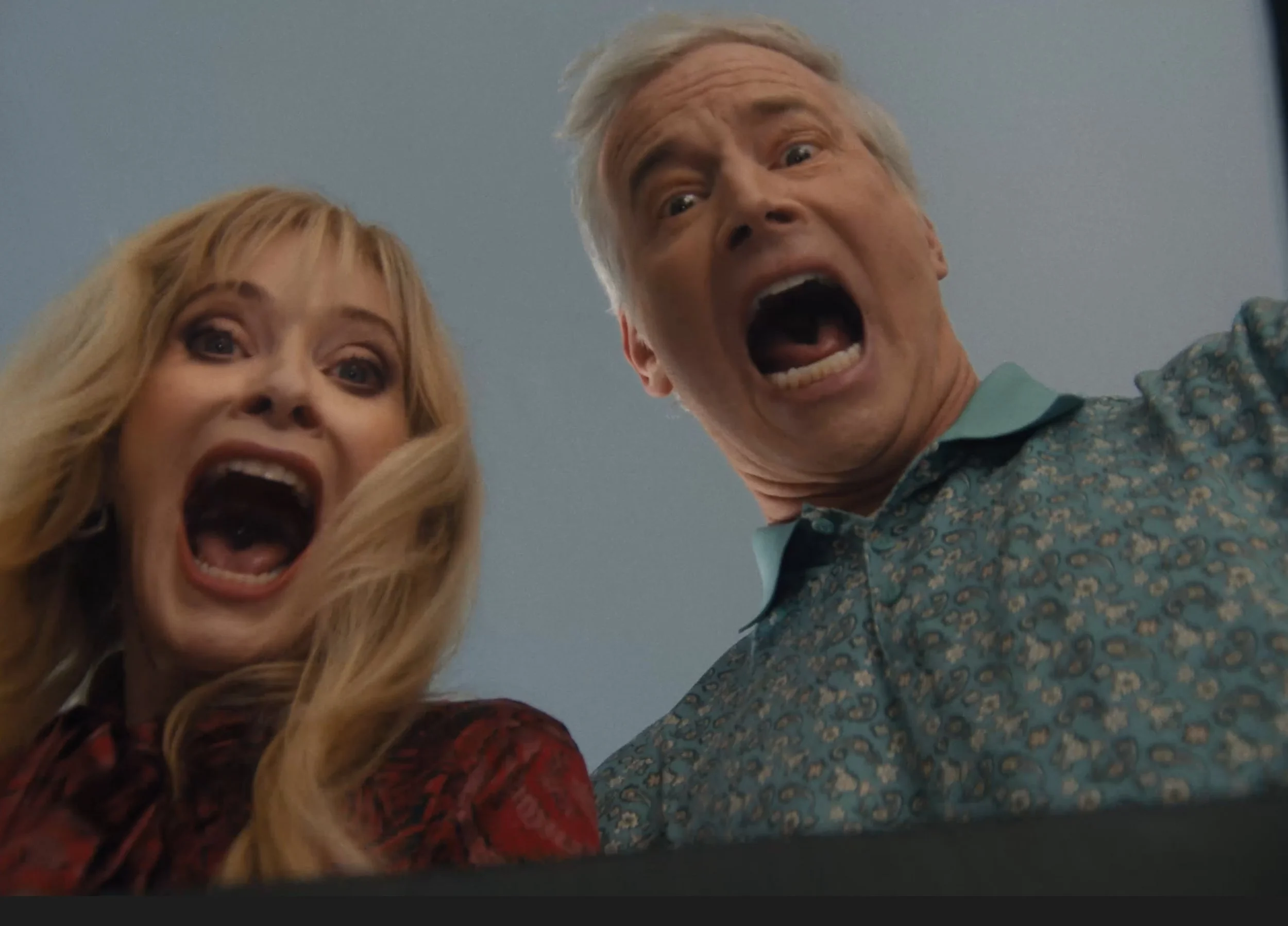
The first segment, centered around a multi-level marketing hustle that feels like Lululemon if it were run by a cult, is where Grind immediately announces how far it is willing to go. This story is broad, goofy, and intentionally stupid in places. Not all of the jokes land, especially when it leans hard into leggings satire, but when the jokes hit, they are fuckin hilarious. This segment goes off the rails fast and never really bothers to recover.
This is also the segment that permanently altered my brain chemistry. If I took anything away from Grind, it is a new, deeply upsetting fear of my penis turning into a bird. I never thought that would be something I had to carry with me, but here we are. Horror cinema remains undefeated.
From there, Grind pivots into its second story, following a food delivery driver stuck in a nightmare loop that feels like Groundhog Day filtered through Saw. This one is less interested in punchlines and more focused on tension and mystery. It is not as funny as the MLM segment, but it is far more engaging. The repetition becomes dread, the rules slowly reveal themselves, and the paranoia builds in a way that really works. The ending is not perfect, but it wraps things up well enough to push us into the next story without losing momentum.
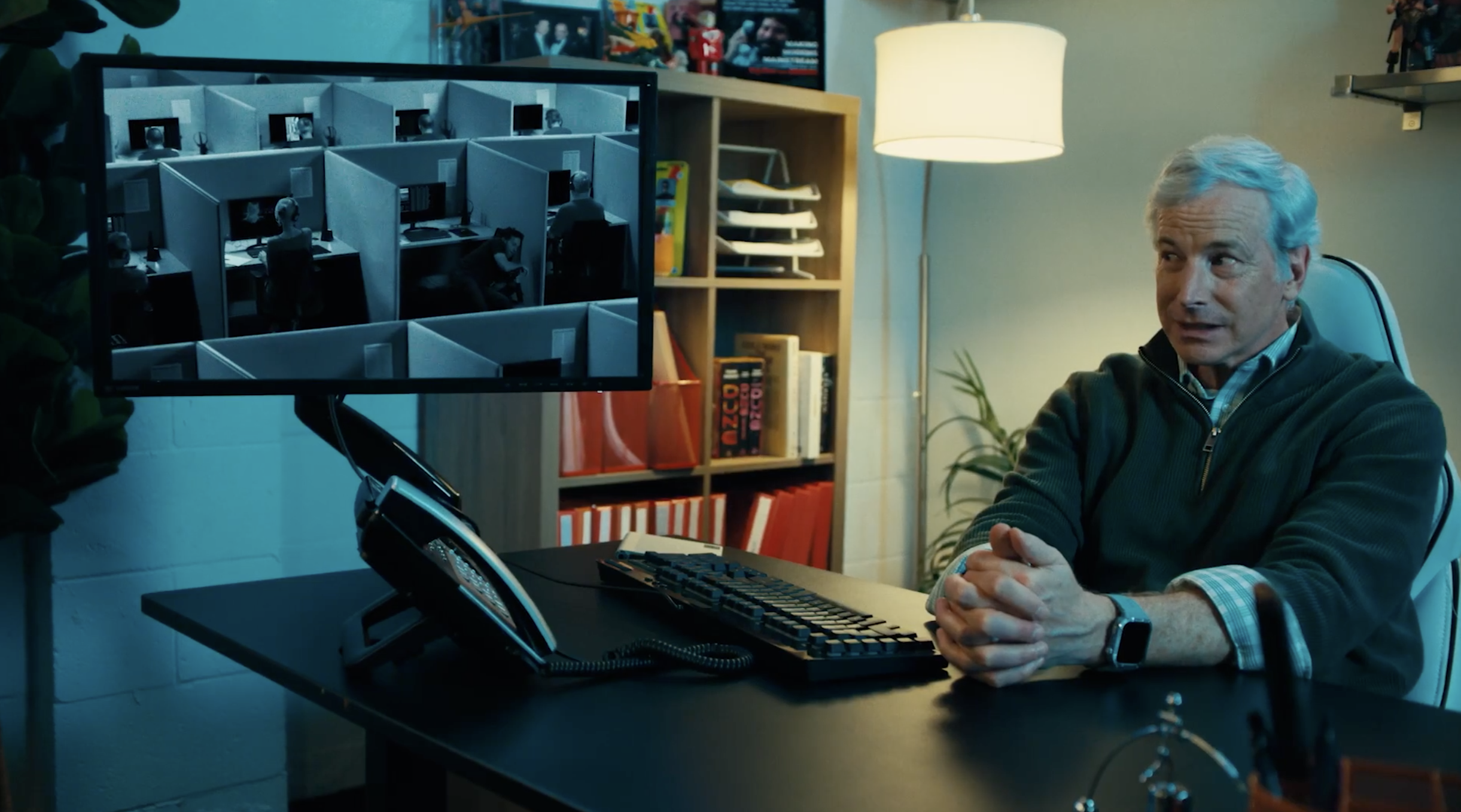
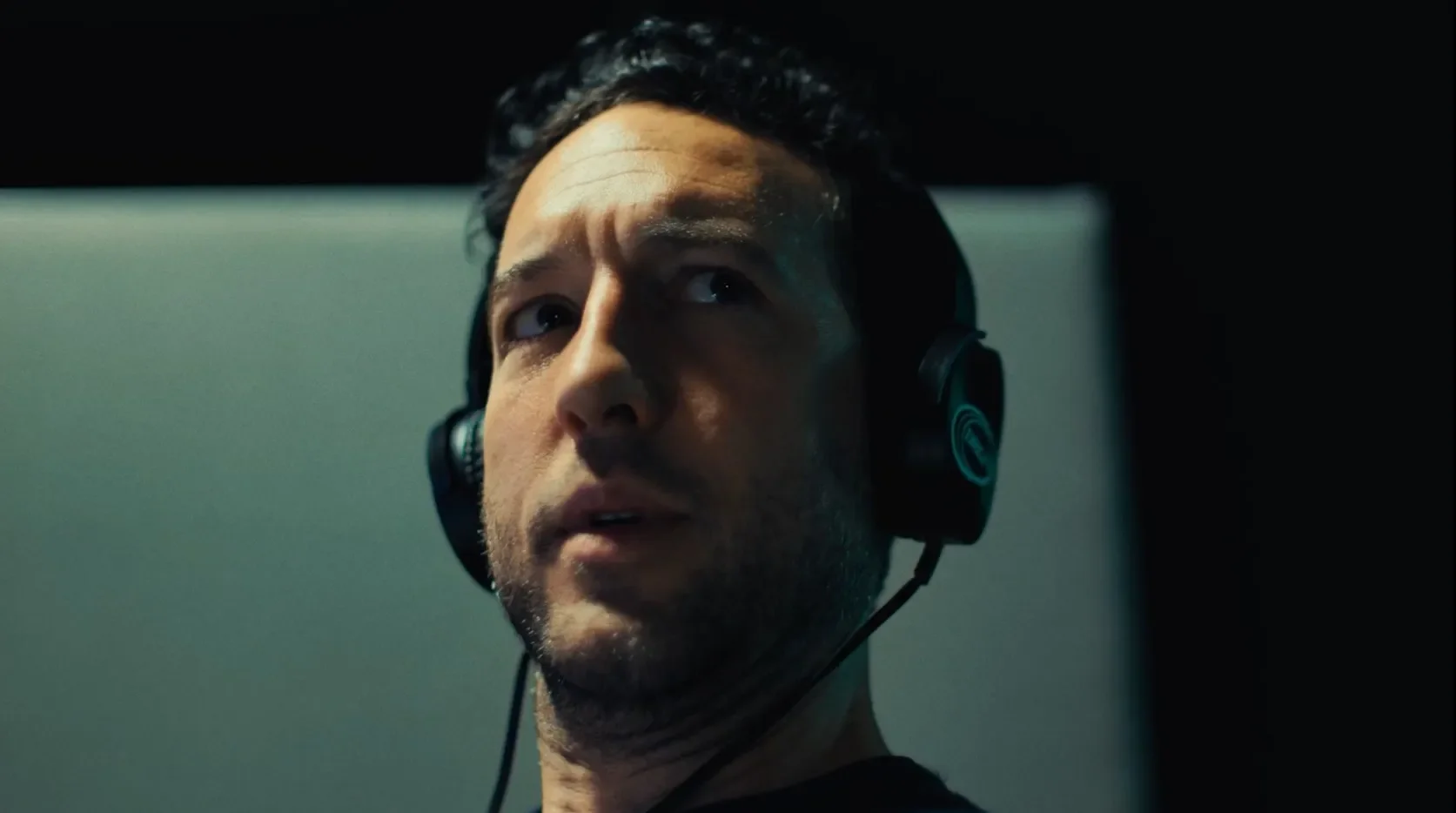
The third segment, focused on content moderation, is the clear standout of the entire film. It is sharp, mean, clever, and painfully relevant. Watching someone whose job is to sift through the worst content humanity has to offer slowly lose their grip on reality is both funny and deeply uncomfortable. Christopher Marquette and Rob Huebel play off each other incredibly well, grounding the absurdity with performances that feel just a little too real.
Some of the videos the moderator is forced to watch are downright hilarious; others feel like something you would stumble across on Faces of Death at three in the morning. Each clip chips away at his sanity, and eventually, you cannot tell what is real anymore. Neither can he. There is even a dogman who looks like Gollum, because of course there is.
This segment feels like a pitch-perfect satire of Black Mirror without the smugness. It is extremely clever, has the strongest ending in the film, and nails the psychological toll of modern labor better than anything else here. It is also the segment that stuck with me the most, largely because it taps into something I have genuinely thought about before. Someone has to watch that content. Grind makes you sit with that reality.
The final story shifts gears again, focusing on a coffee shop attempting to unionize against a massive corporation that looks and feels suspiciously like Starbucks. The humor takes a noticeable back seat here, replaced by a lot of dialogue that often leads nowhere. This segment eventually circles back to the warehouse from the opening, tying the anthology together, but it is easily the weakest of the four. What the story lacks is partially made up for with solid makeup and practical effects, especially with Neptulia, but it still feels like a step down after how strong the content moderation segment is.
That said, Grind deserves credit for how well it connects its stories. Callbacks between segments reinforce that everything exists in the same world, even when the tones wildly differ. Despite being shot by different crews, the film maintains a consistent identity, which is not easy for anthologies.
At its core, this is an indie horror comedy that takes everything you know about side hustles, gig work, and paid tasks and flips them upside down. It is openly angry about capitalism, barely hides its disdain for mega corporations, and treats the erasure of the middle class like the existential horror it actually is. Brea Grant, Ed Dougherty, and Chelsea Stardust are not subtle about their themes, and honestly, they should not be.
My dad referred to Grind as Creepshow for today’s generation of workers, which is both charming and dead on. It is messy, political, occasionally frustrating, often hilarious, and very aware of the nightmare economy we are all stuck in. The final ending is a little weak, but the ride getting there is absolutely worth it.
Grind is not perfect, but it is unruly in a way that feels alive. And if nothing else, it will haunt you the next time you clock in, open an app, or think about how badly you need the money.
Jessie Hobson