
Mr. Wonderful is the kind of indie drama that sneaks up on you. It looks modest on the surface, almost disarmingly casual, but beneath that low-key presentation is a bruised, profane, deeply human portrait of family, failure, and the quiet terror of getting older without having figured anything out.

The film tracks three generations of men orbiting the same emotional black hole. A millennial son on the run from a drug dealer and from his own worst instincts. His father, Brian Fenton, a jaded university professor staring down professional irrelevance, student entitlement, and a thinly veiled institutional shove toward early retirement. And above them all, the family patriarch, slipping into senility, his identity eroding in real time while his children argue about responsibility, guilt, and who has the right to decide what dignity looks like at the end of a life.
What makes Mr. Wonderful hit harder than expected is how unpolished it allows itself to be. The dialogue is raw, conversational, often profane, and unapologetically messy. People interrupt each other. They say the wrong thing. They lash out. They joke when they should stay quiet. It feels lived in rather than scripted, like you are eavesdropping on family arguments that were never meant to be witnessed.
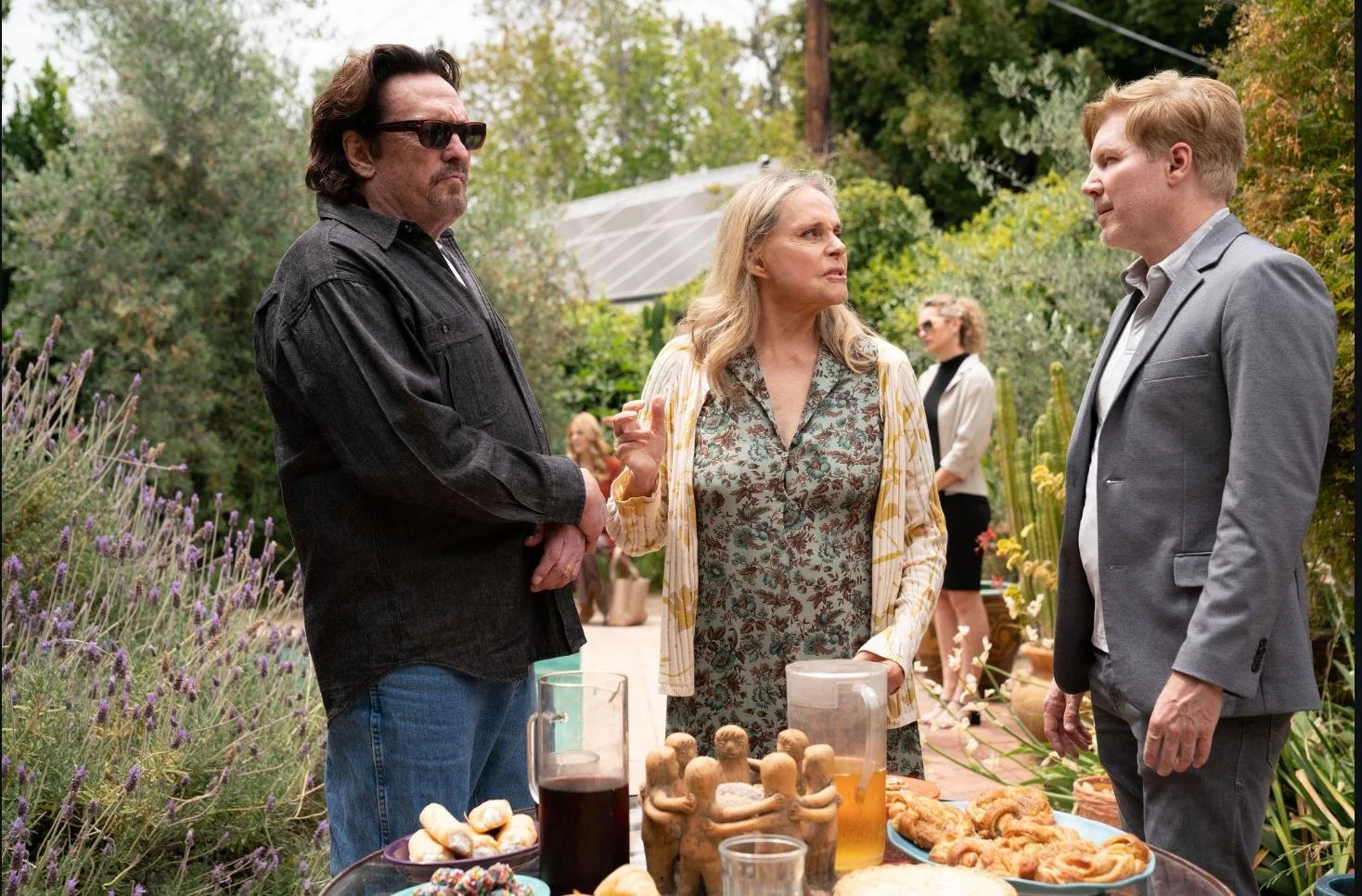
Michael Madsen, in his final screen performance, delivers something quietly devastating. This is not the volcanic Madsen of his crime film heyday. This is a worn-down man carrying decades of compromise, disappointment, and unresolved pride. His performance is restrained, almost fragile at times, and that restraint is what makes it land. Watching him navigate academic humiliation, family pressure, and his father’s decline feels uncomfortably intimate. There is a sense that he understands this character from the inside out, and knowing this is his final role adds an unavoidable weight to every scene.
The film’s academic subplot cuts sharper than expected. The portrayal of higher education as a customer service nightmare, where grades are Yelp reviews, and students wield political connections like weapons, feels bitterly current. Brian’s clashes with entitled students and risk-averse administrators are not played for easy laughs. They are played as slow erosion. This is what burnout looks like when it lasts decades.
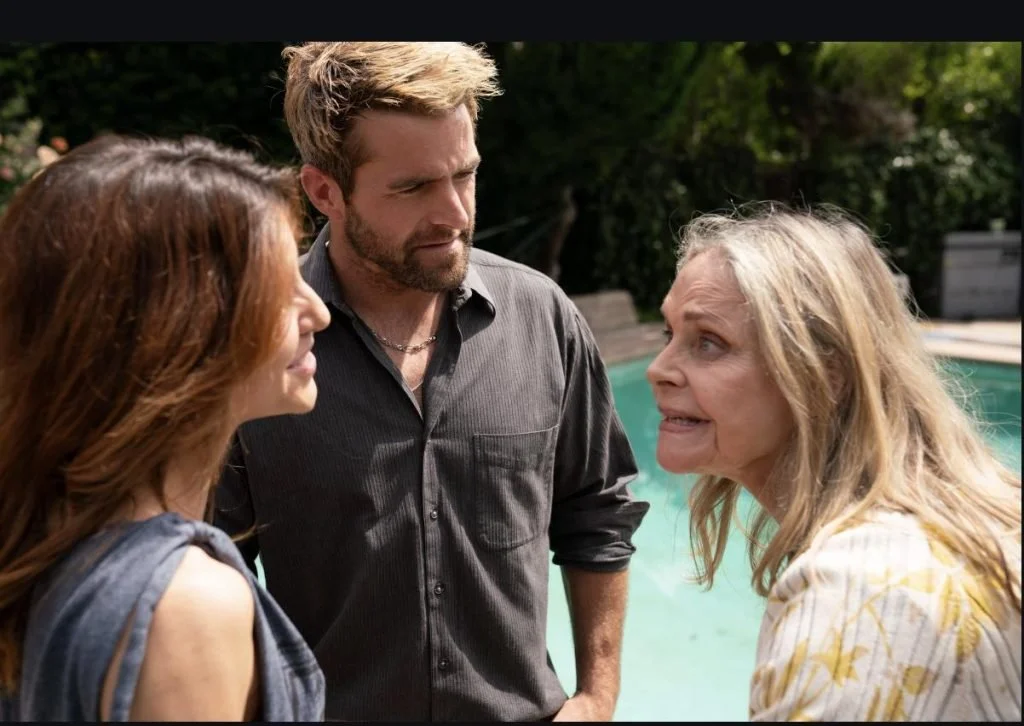
Running parallel is the son’s storyline, which brings chaos, danger, and dark humor into the frame. His relationship with Dawn is volatile, emotionally tangled, and painfully believable. Their arguments loop and repeat, apologies never fully landing, promises always conditional. Add in missing drug money, armed enforcers showing up at the family home, and the film starts flirting with crime thriller territory without ever fully becoming one. The tension never feels flashy. It feels stupid and dangerous in the way real bad decisions usually are.
At its core, though, Mr. Wonderful belongs to the family patriarch and what his decline does to everyone around him. Dementia is not romanticized here. It is confusing, humiliating, cruel, and exhausting. The film captures the small indignities and the sudden outbursts, but also the strange moments of clarity that leave everyone stunned and off balance. When the family finally confronts who this man was versus who he is becoming, the film opens into something unexpectedly tender.
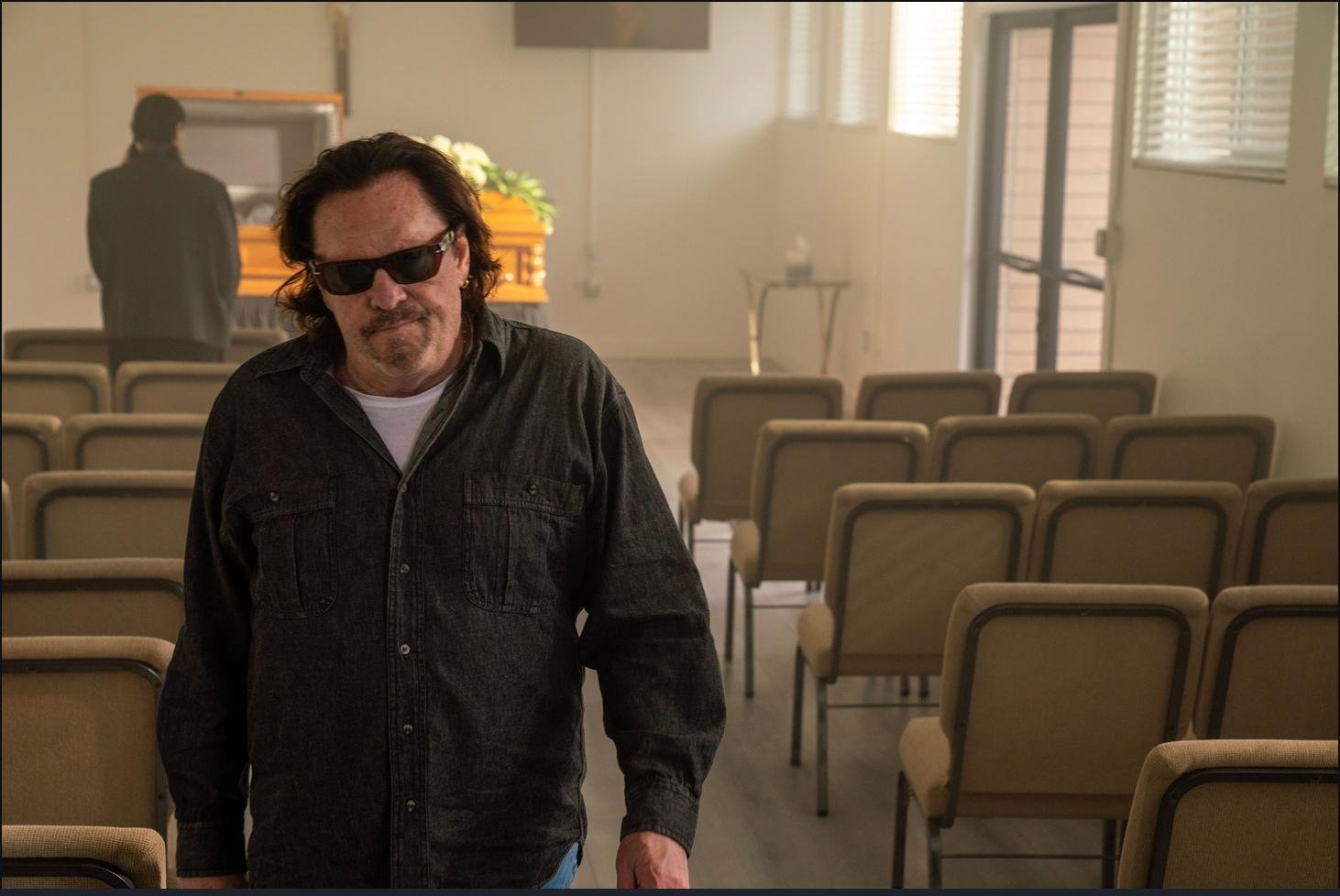
The final stretch, centered around death, legacy, and what we choose to remember, lands with real emotional force. Letters, journals, and forgotten histories surface, reframing a man who seemed unknowable even to his own children. The title Mr. Wonderful shifts meaning entirely. It stops being ironic and becomes quietly sincere, rooted in wonder rather than praise.
Director Mark David keeps the pacing deliberate and patient, letting scenes breathe even when they are uncomfortable. The cinematography, lighting, and score never overreach. They support the performances rather than compete with them. This is a film that trusts its characters and its audience enough to sit in silence when needed.
By the end, Mr. Wonderful feels less like a traditional drama and more like a snapshot of life mid-collapse. Careers end without closure. Relationships survive out of stubbornness rather than clarity. Parents die without answering the questions we wanted answered. And somehow, people keep going anyway.
It is not a neat film. It is not a comforting one. But it is honest. And in its final moments, it earns a quiet, hard-won grace.
Jessie Hobson