
Mile End Kicks had its US premiere on March 12th at SXSW, and even though the film is unapologetically Canadian and deeply rooted in one specific neighborhood of Montreal, something about it felt extremely Austin, Texas, which made it kind of perfect for the festival. This is a hangout movie about music, ego, longing, and being painfully unsure of who you are. SXSW crowds eat that up.
Set in 2011, the film immediately locks you into its era. Solid needle drops do a lot of the heavy lifting, but it is more than just soundtrack nostalgia. It feels lived in. The kind of lived in where you instantly recognize the emotional texture of that time in your life. Late high school, early college, when everything felt like it mattered way more than it probably did. It honestly plays like Almost Famous if it were made in 2011, from a female perspective, and filtered through indie sleaze instead of classic rock.
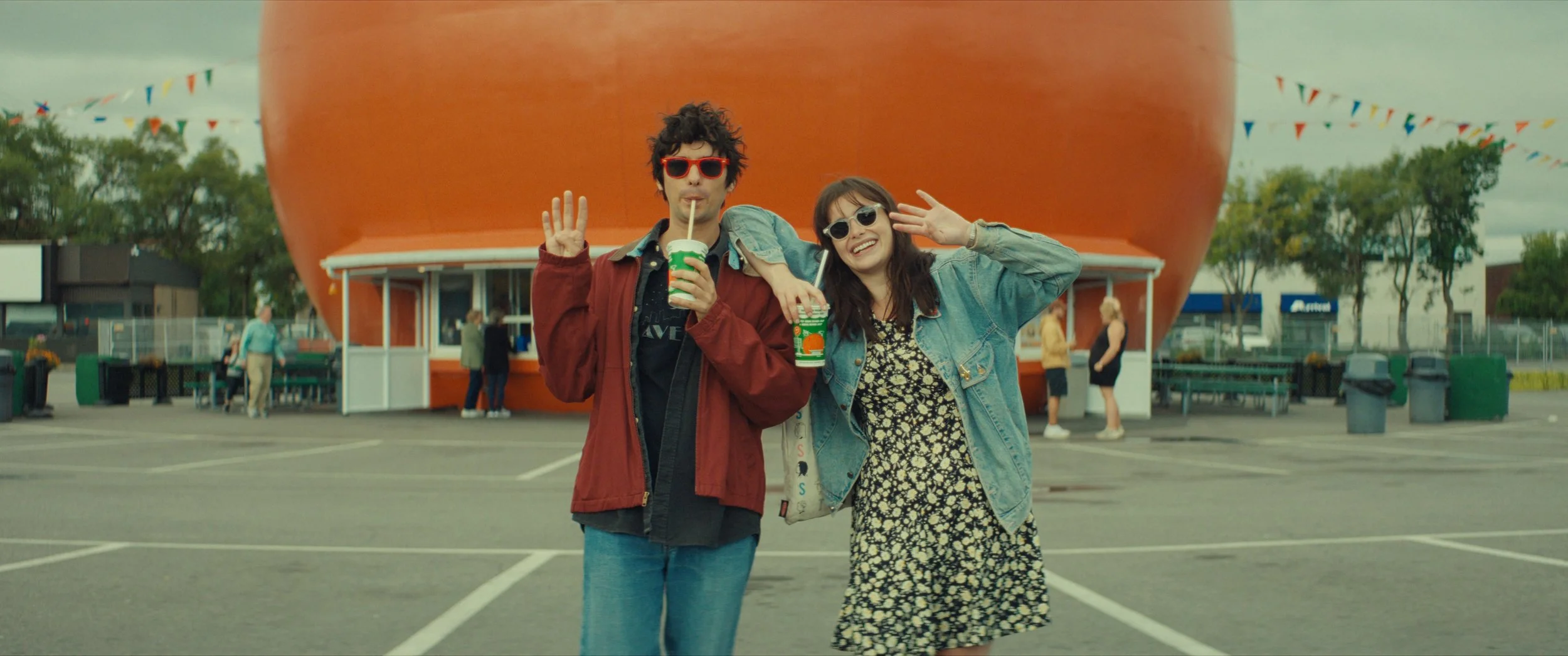
This is very much a love letter to Canada, specifically Montreal, and even more specifically the Mile End scene during that brief moment when indie music felt like the center of the universe. The movie is unapologetically Canadian, from its accents to its references to its overall vibe. It never tries to sand that down for an American audience, which I really respected.
The dialogue feels ripped straight from real life. Like Chandler Levack just hit record on conversations she actually had. People say things like “swag it out” without irony. Gay jokes are made casually, in a way that feels extremely 2011, for better or worse. There is no modern smoothing of the edges here. It feels accurate to the time, not revised by today’s sensibilities.
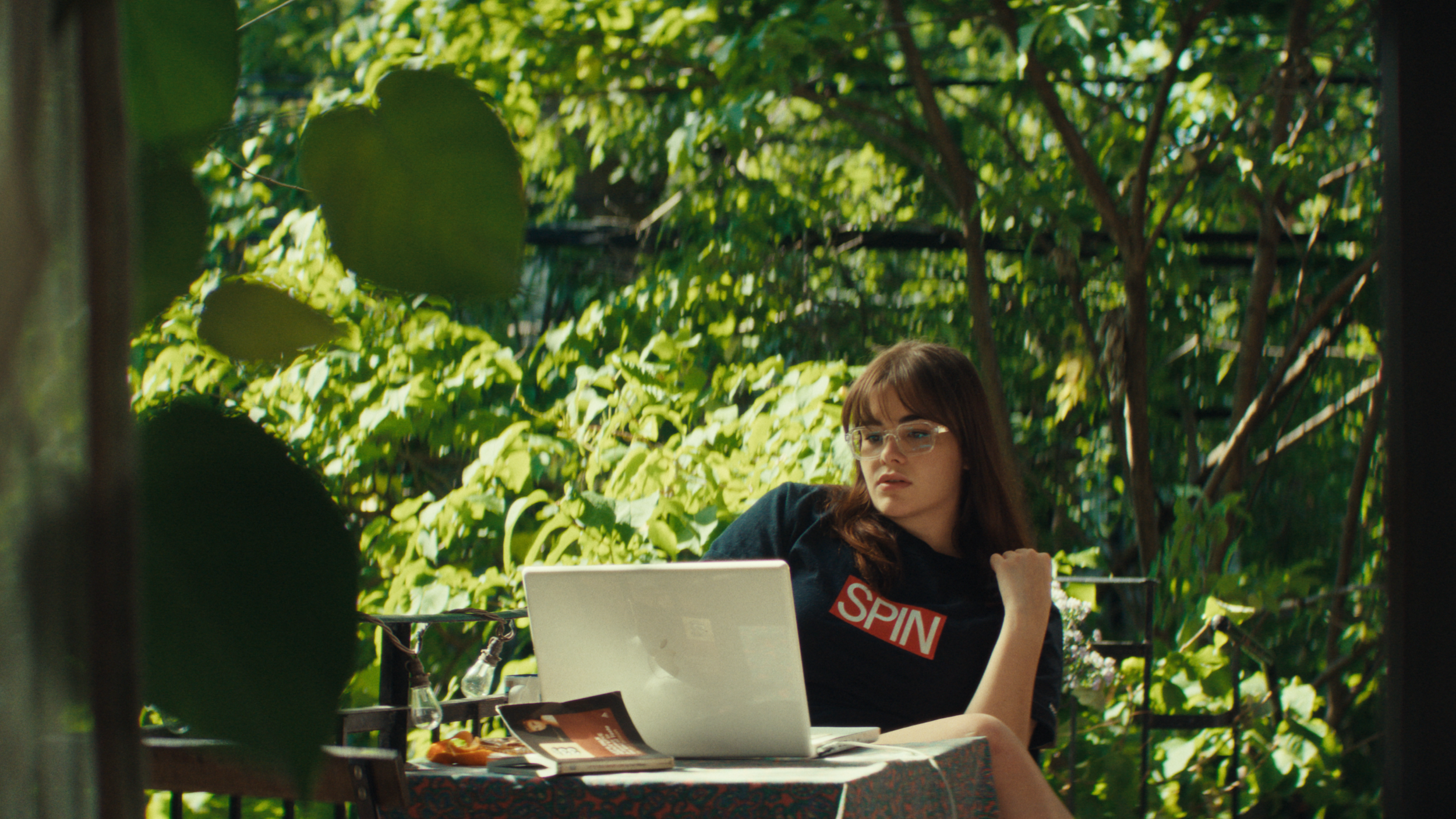
There is a bar and club scene where the lighting literally follows whoever is on frame, which is such a bold and interesting choice. It feels theatrical without being distracting. The cinematography overall is great. The visuals perfectly capture that slightly cringe but endearing 2011 aesthetic. Just enough awkwardness to feel real, not enough to feel mean.
One of the most impressive details is how much care is put into the tech. The iPhones look like they actually did back then. There is a scene where people are using a MacBook to take photos, which immediately sent me spiraling into nostalgia. It made me miss a time when the most important thing in your life was your away message on instant messenger.
The sex scenes are as awkward as they should be. There is one moment where our lead literally stops mid-hookup to put on a curated playlist, which is both deeply funny and painfully real. This movie understands how unsexy trying to be cool actually is.
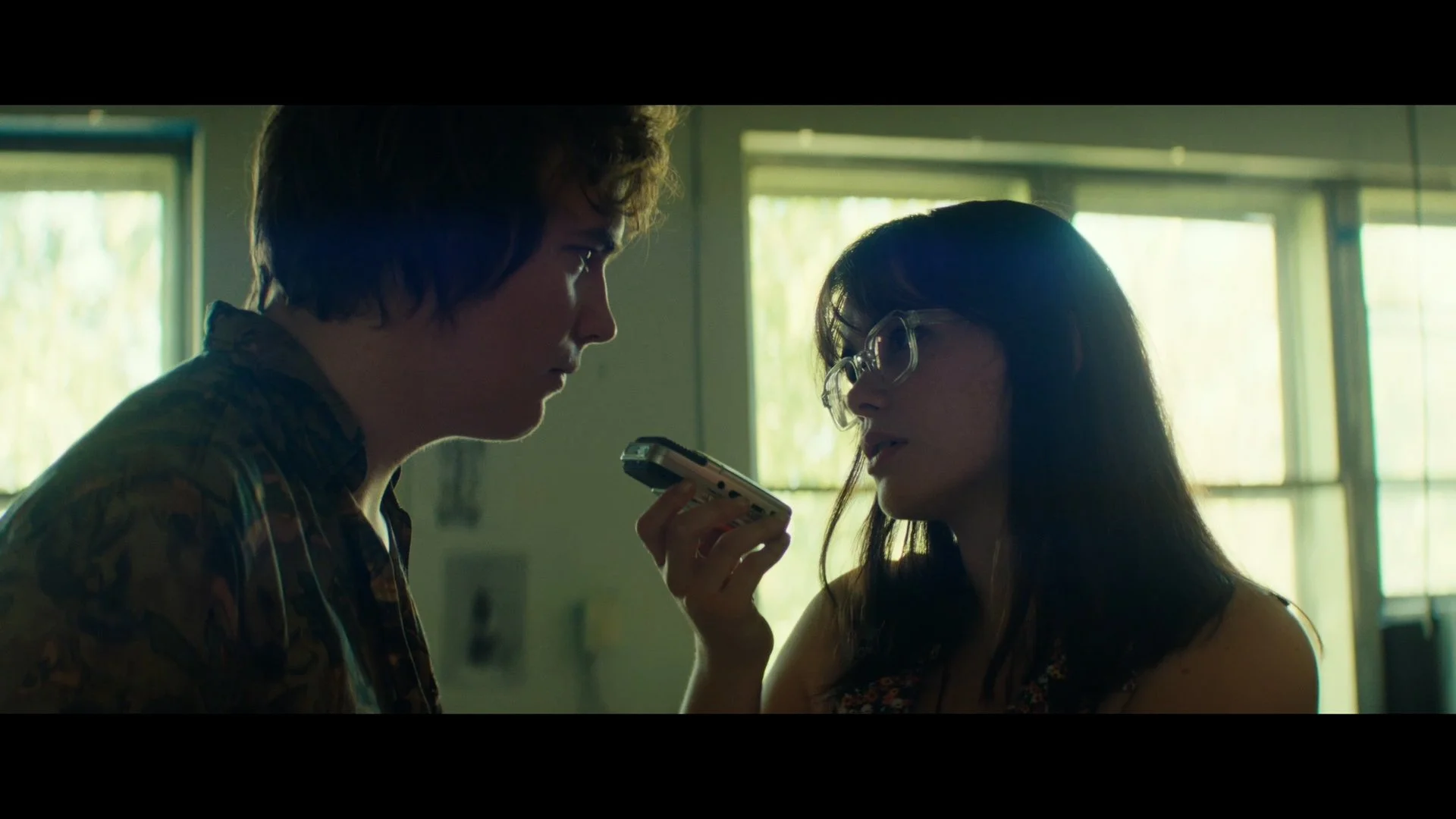
Barbie Ferreira is instantly likable and relatable as Grace Pine, even as she keeps making terrible decisions. She screws people over, sometimes knowingly, sometimes not, and yet I never wanted to abandon her. You can see the trainwreck coming from miles away, and it still hurts when it happens. This was marketed as a rom-com, but it is really a character study of Grace. A complicated woman trying to exist in a male-dominated music world while still figuring out who she even is.
Jay Baruchel shows up as a total prick, and it is genuinely refreshing to see him play someone so unlikable. Grace Pine herself is kind of an asshole, too, which I loved. She reminded me of a female Marty Supreme. Self-aware enough to know she is messing things up, but not quite capable of stopping herself.
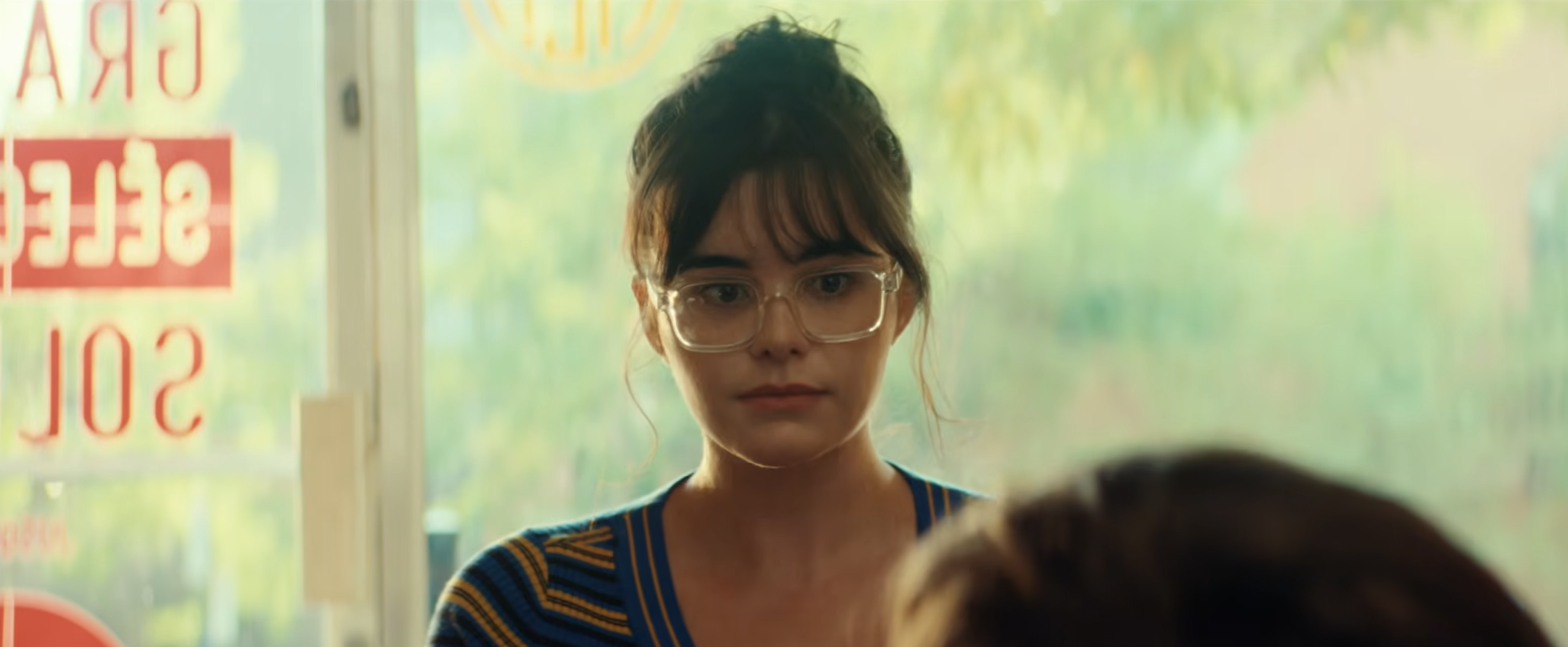
Devon Bostick completely sold me here. I mostly knew him from Diary of a Wimpy Kid, and this performance really shows his range. He somehow makes an autistic stoner feel lovable and sincere. Speaking of him, the running oral herpes jokes did not really land for me, but they did feel era-appropriate in that gross 2011 way.
The band in the film is genuinely good, very much in the Almost Famous tradition of fake bands that feel real enough to make you want to order their vinyl. There is an ongoing question throughout the movie that never really gets answered: do girls want to be in the band, or do they want to sleep with the band? The answer feels like both, and also neither, which feels honest.
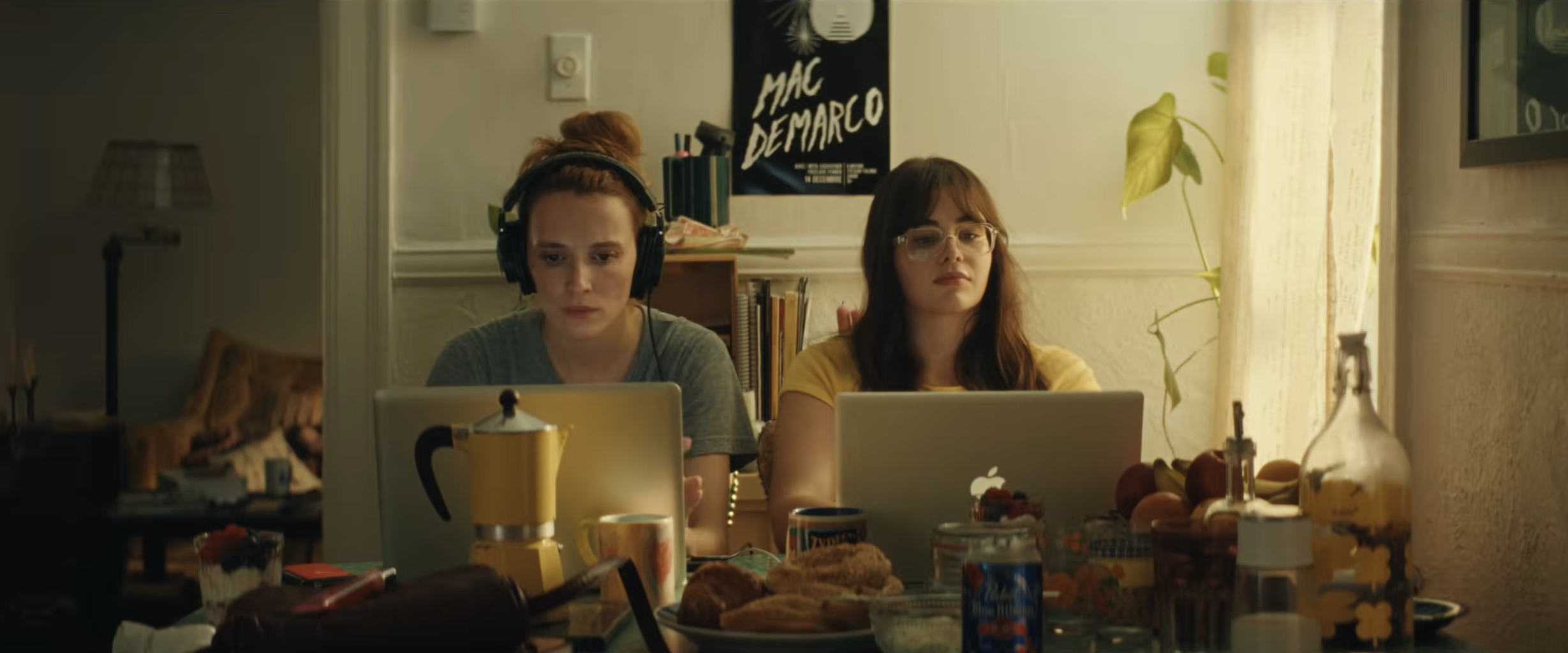
There are strong Garden State vibes here, right down to a scene where characters discuss their favorite songs, very much echoing the Shins moment. There are also shades of Edge of Seventeen in tone. Awkward, sad, funny, and deeply uncomfortable in a way that feels earned.
Supporting performances across the board are solid. Stanley Simons plays a fun, odd character, even if his comedic timing is a little shaky. Juliette Gariépy is a revelation in a completely different way than what I saw from her in Red Rooms, which is wild considering how different those performances are. Isaiah Lehtinen popping up just reminded me that I really need to watch I Like Movies already.
The film does start to feel a little long near the end. You can feel it circling its conclusion, waiting to say everything it wants to say. And while the ending does wrap things up, it maybe ties things a bit too neatly. The bow is a little too cute for a movie that otherwise embraces messiness so well.
Still, Mile End Kicks absolutely worked for me. It is indie sleaze at its finest, exuding 2011 in a way I genuinely did not think was possible without feeling forced. It made me nostalgic, uncomfortable, and seen all at once. Which begs the question the movie quietly asks without answering: Is 2011 a period piece now?
If so, this might be one of the most honest ones we have.
Jessie Hobson