
Luc Besson isn’t interested in giving us just another cape-flapping, coffin-hopping Dracula. With Dracula, hitting theaters nationwide on February 6th, 2026, via Vertical, Besson leans hard into gothic romanticism, tragic obsession, and visual excess, crafting a lavish, blood-soaked love story that wears its heart on its sleeve and occasionally trips over it.
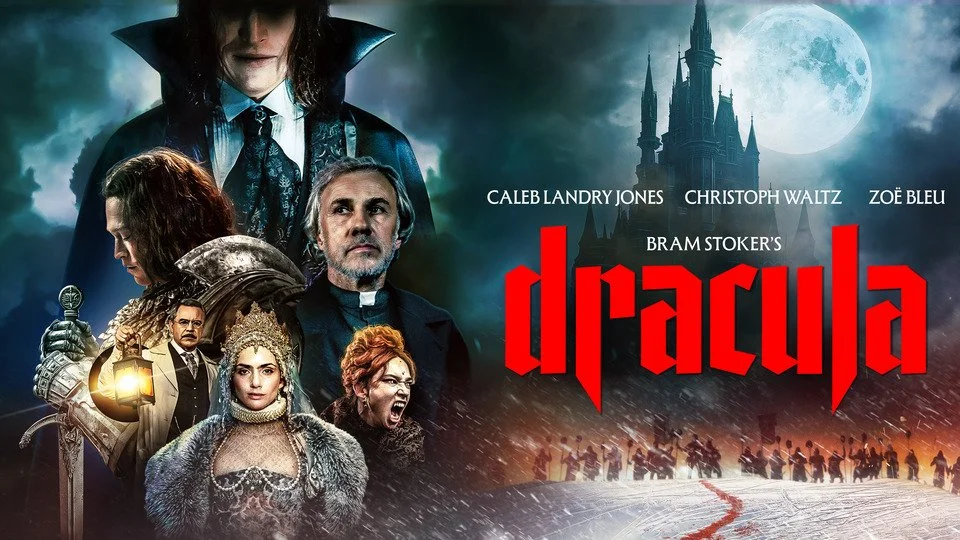
This version of the legend opens with a 15th-century prince, Vlad, played by Caleb Landry Jones, whose world collapses after the brutal murder of his wife, Elisabeta. In a moment of pure operatic rage, Vlad renounces God, damns heaven, and earns himself eternal life as Dracula. What follows is less a traditional vampire tale and more a centuries-long crusade fueled by grief, longing, and a refusal to let love die quietly. As Dracula closes in on a possible reunion with his lost love, now reborn, he finds himself hunted by a relentless priest played by Christoph Waltz, who is more than happy to put an end to his immortal reign.
Let’s get this out of the way early. Caleb Landry Jones is phenomenal. The guy continues to prove he can carry a film of this size and ambition without breaking a sweat. He has the look, the voice, and the emotional range to play Vlad as a grieving lover, a weary immortal, a ferocious warrior, and a monster who still clings to his humanity. Jones moves effortlessly between youth and age, tenderness and brutality. He laughs like he’s wheezing out centuries of pain, and even when the film makes odd choices, he sells them.
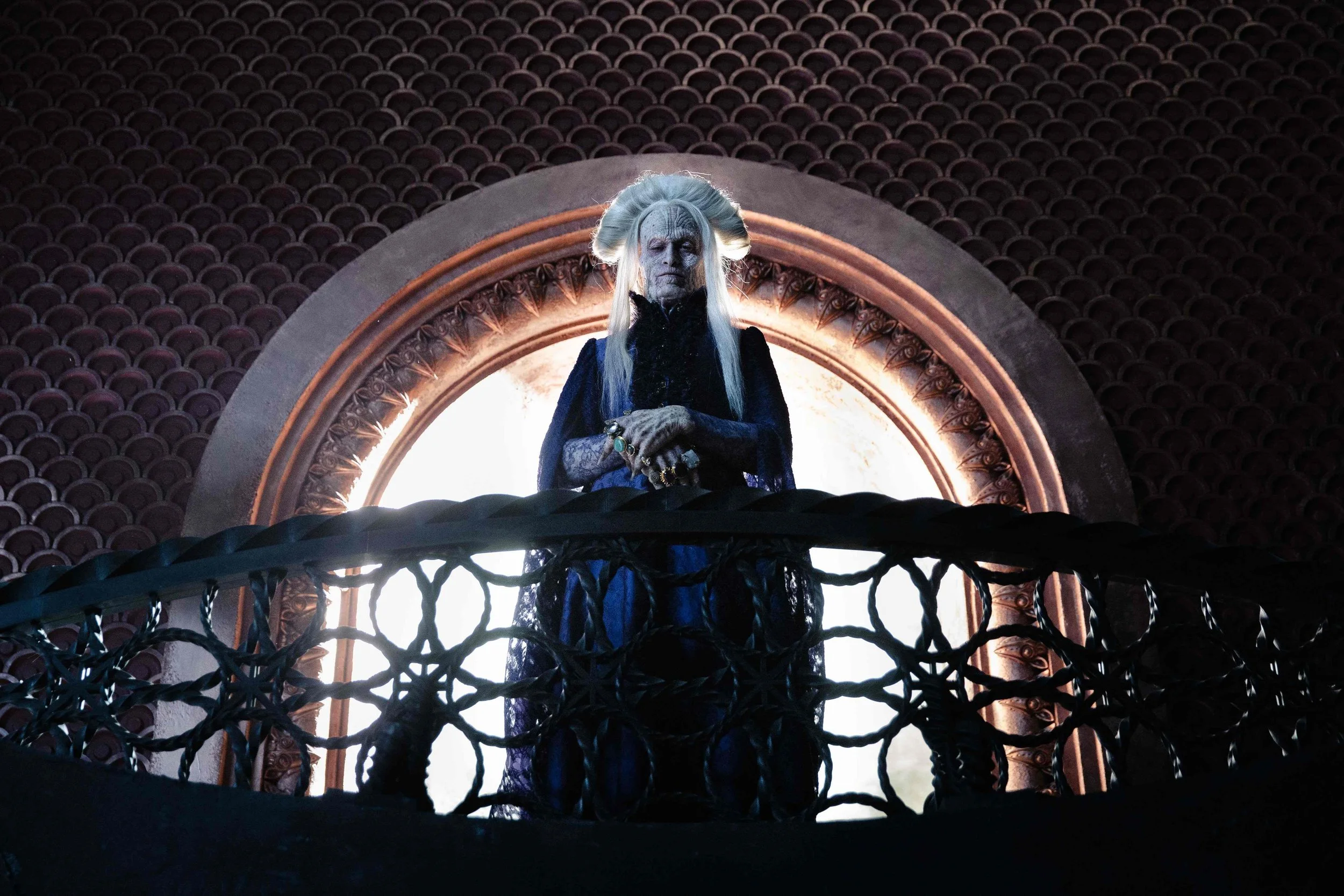
Visually, this thing rules. Vlad’s dragon helmet, complete with horns and teeth, is one of the coolest pieces of character design we’ve seen in a Dracula film, maybe ever. He carries the heads of his enemies like trophies, and it’s metal as hell. The fight choreography is solid, the castle looks incredible, and the set design is packed with gothic detail, right down to the wallpaper. There are moments that feel slightly Tim Burton-y, but thankfully, they pass quickly.
The score is another standout. Heavy on piano, violin, and eerie music box tones, it adds weight to nearly every scene. It’s extraordinarily powerful, constantly reminding you that this is a tragic love story first and a vampire movie second. Killing priests with crosses has rarely felt this operatic.
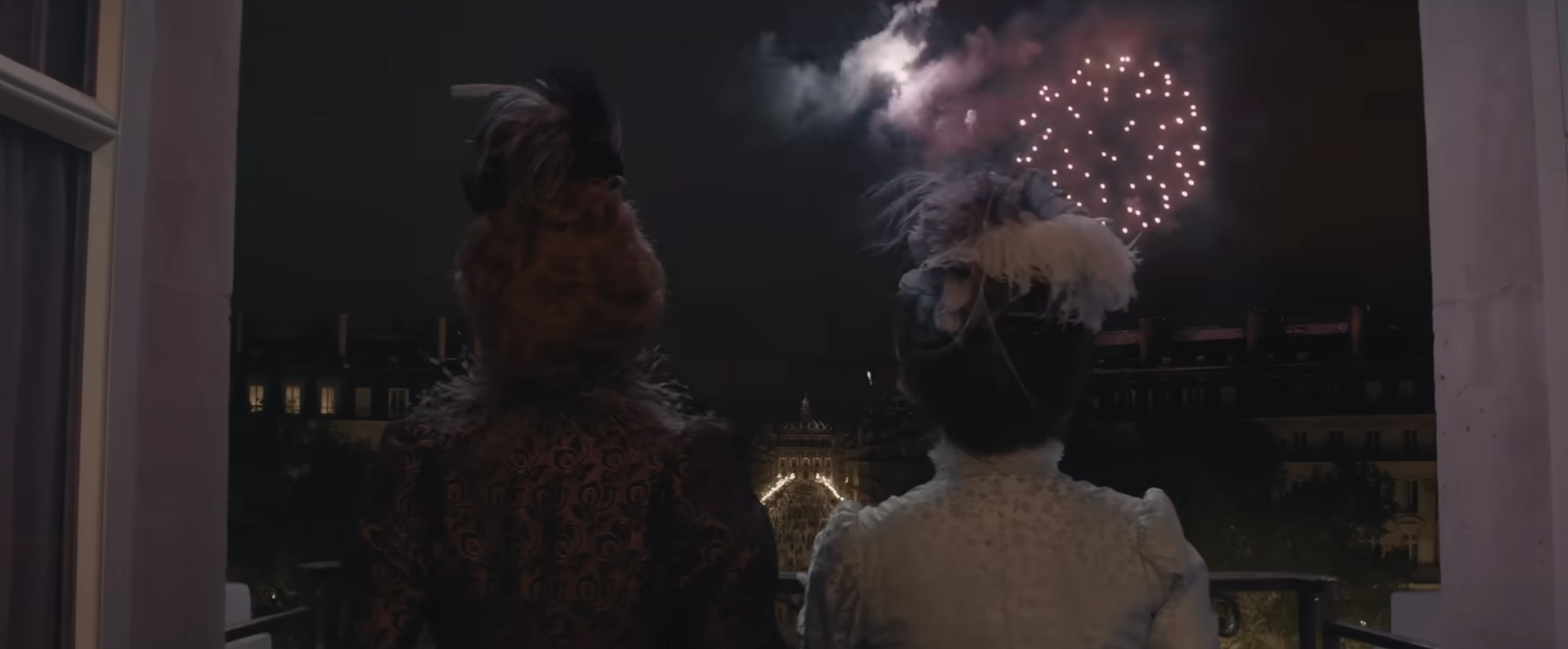
Christoph Waltz, as expected, is always a treat. His priest is sharp, determined, and quietly unhinged, and his eventual face-to-face with Jones crackles with tension. Zoë Bleu, pulling double duty as Elisabeta and Mina, brings an ethereal quality that fits the film’s romantic core, even if the story doesn’t always give her enough time to breathe. Honestly, the film could have spent more time letting their love exist before ripping it away again.
Besson makes a lot of interesting choices here. Some work beautifully, others… less so. The gargoyles acting as little CG helpers for Dracula are a strange addition, evoking memories of the animated Hunchback of Notre Dame. They’re not a dealbreaker, but they do pull you out of the film at times. There are also oddly directed comedic moments that don’t complement the subject matter at all and feel wildly out of place in a story this tragic.
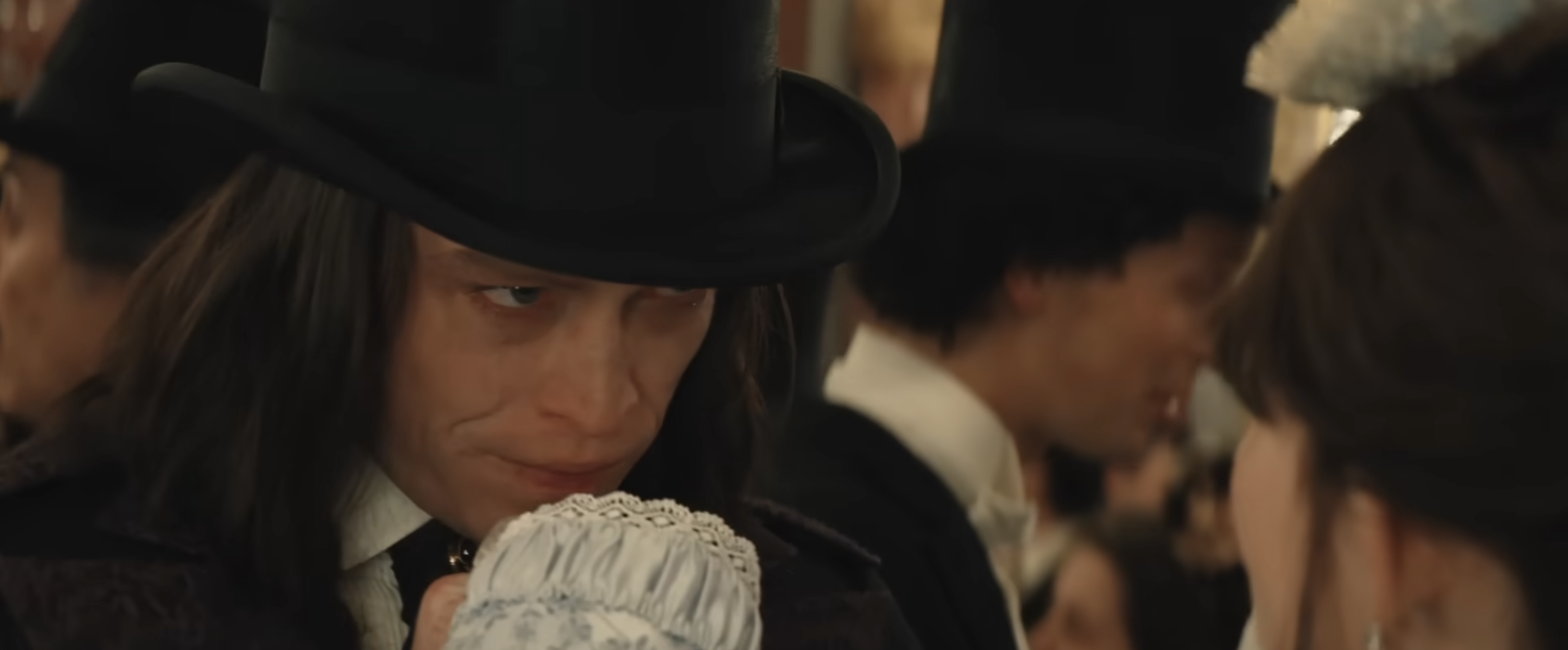
Tonally, Dracula sits somewhere between Bram Stoker’s Dracula from 1992 and the recent Nosferatu. It hits familiar notes but detours enough to feel like its own thing, offering a more humane Dracula who isn’t constantly on the hunt for blood, even though he needs it to survive. This one leans heavily into the love story, the boredom and agony of 400 years of existence, and the quiet horror of immortality.
The pacing is surprisingly brisk for a 129-minute film. The story is always moving, even when the second act struggles to decide what it wants to be. There’s a strong first act and a decent third act, but that middle stretch wobbles, despite the film’s gorgeous art direction and atmosphere. The ending, while serviceable, feels a bit underwhelming compared to the journey getting there.
While Nosferatu still edges it out for us, this is damn close. Dracula is gothic, romantic, violent, weird, and occasionally messy, but it’s also ambitious and visually stunning. Love it or not, you can’t accuse Luc Besson of playing it safe.
Jessie Hobson