
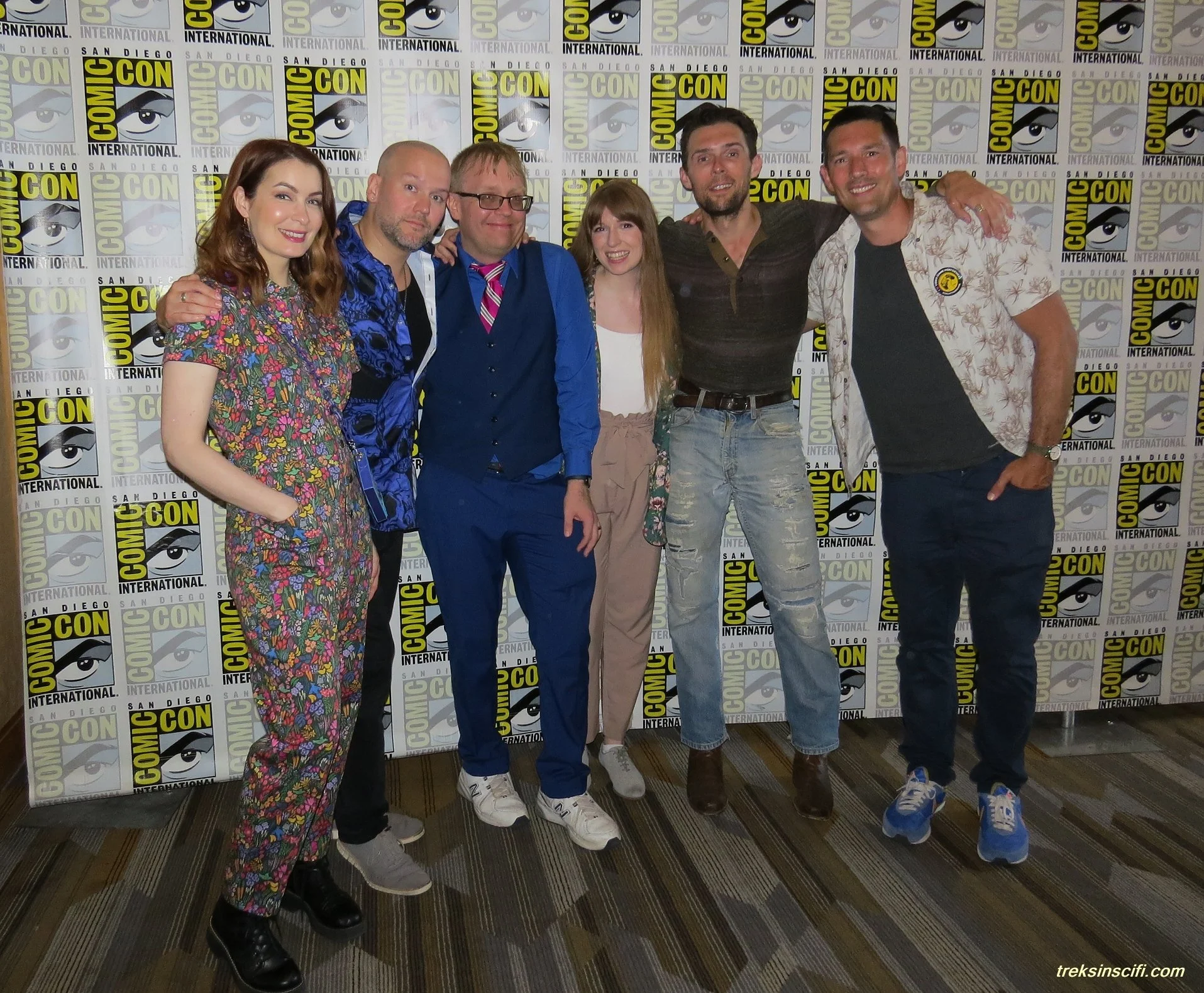
There are interviews where you feel like you are checking boxes, and then there are conversations that remind you why you love talking to artists in the first place. Speaking with Felicia Day about Tim Travers and the Time Traveler’s Paradox was firmly the latter. What began as a discussion about an indie sci-fi comedy quickly expanded into a reflection on creativity, subversion, fandom, and a future that includes both a The Guild film and renewed love for Mystery Science Theater.
In Tim Travers and the Time Traveler’s Paradox, Day plays Delilah, a character she describes as intentionally sharp-edged and unconcerned with being liked. That alone was part of the appeal. “My character doesn’t need to be liked, and she’s not there to serve the main character, and she has a life of her own, and she’s pretty funny,” Day explained. It is a role that actively resists the well-worn trope of the mad scientist’s romantic accessory and instead stands as an equal participant in the chaos.

The film itself is chaos by design. Written and directed by Stimson Snead, Tim Travers follows a self-obsessed inventor who attempts to solve the time traveler’s paradox by killing his younger self, only to fracture reality into multiple versions of himself. For Day, that impulse to dismantle accepted sci-fi logic was deeply appealing. “I am a burn it to the ground kind of lady,” she said. “I love undermining what people believe. I love subverting tropes. I love tearing down institutions and exposing the hypocrisy.”
That philosophy extends to how she approached Delilah. Rather than playing the comedy or the drama, Day focused on grounding the character in truth. “If you take the stakes and make them real for yourself, they’re real for the audience,” she said. The result is a performance that allows the absurdity to coexist with genuine philosophical discomfort. The film is funny, but it also unsettles, and Day believes that balance is what makes it work. “It really has stakes and comedy, and that’s a hard needle to thread properly.”
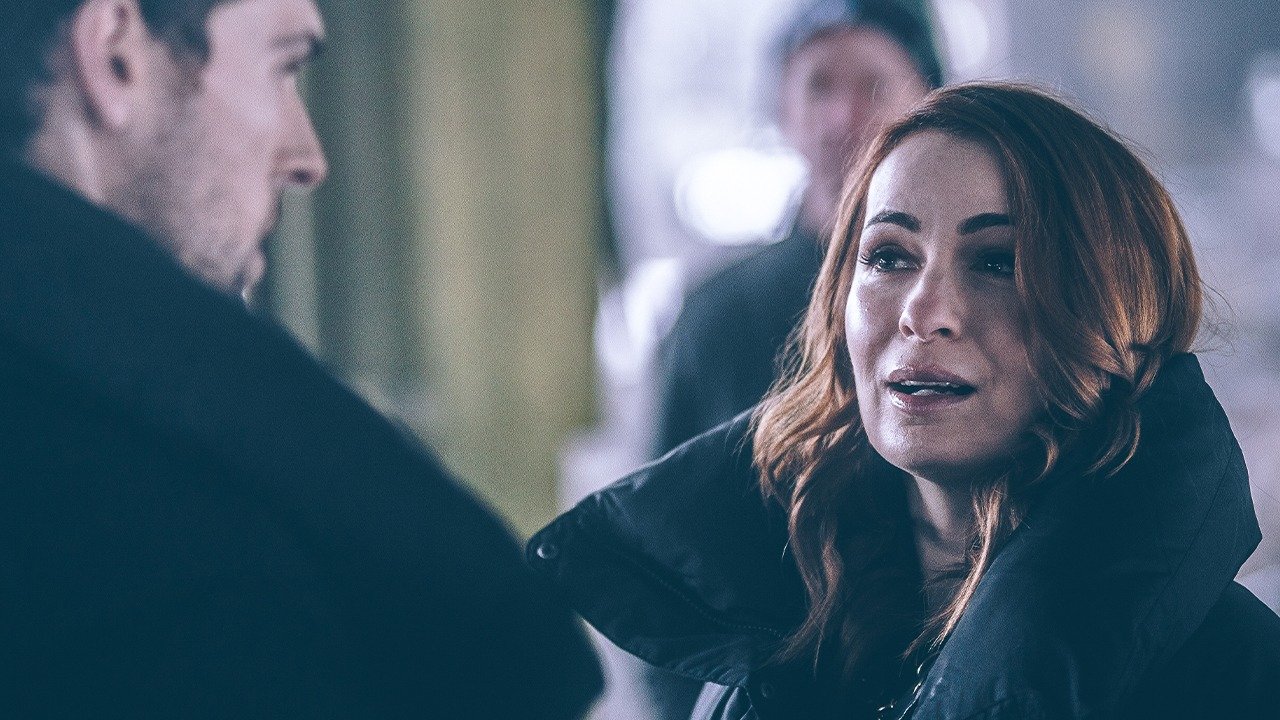
The pace of the film is relentless, moving almost as fast as its brilliant and broken protagonist thinks. For Day, that speed felt familiar. “If you’ve seen any of my writing, I write the same as this movie,” she laughed, referencing The Guild. She traced the rhythm back even further to screwball comedies of the 1930s and 40s, films that allowed women to be sharp, smart, and verbally equal to their male counterparts. “They’re outrageous but grounded, and they have these incredible female characters who just have sass and comeback and are equals in every way.”
That sense of creative authenticity is also why Tim Travers resonated so strongly with her. Shot outside the studio system, the film embraces its low-budget roots rather than hiding them. “It feels real because it was put together by humans,” Day said, contrasting it with what she sees as overly calculated mainstream entertainment. “There’s not truth there.”
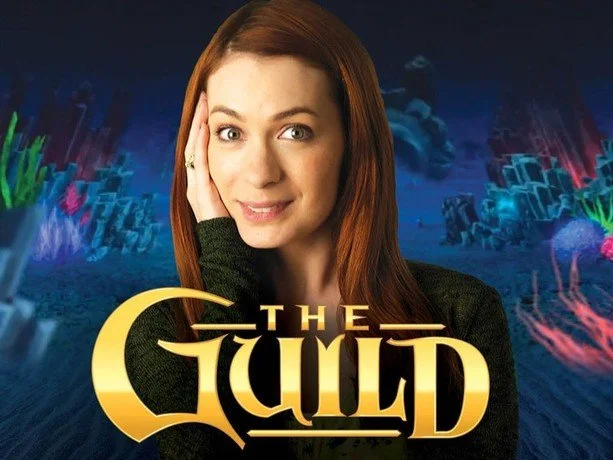
One of the most exciting moments in the conversation came when Day casually dropped a piece of news that longtime fans have been waiting years to hear. She revealed that a The Guild reunion film is officially in the works. “I’m doing a Kickstarter this summer,” she shared, noting that she has been working on the script and planning throughout the past year. For a series that helped define early internet storytelling and fan-driven media, the announcement felt momentous.
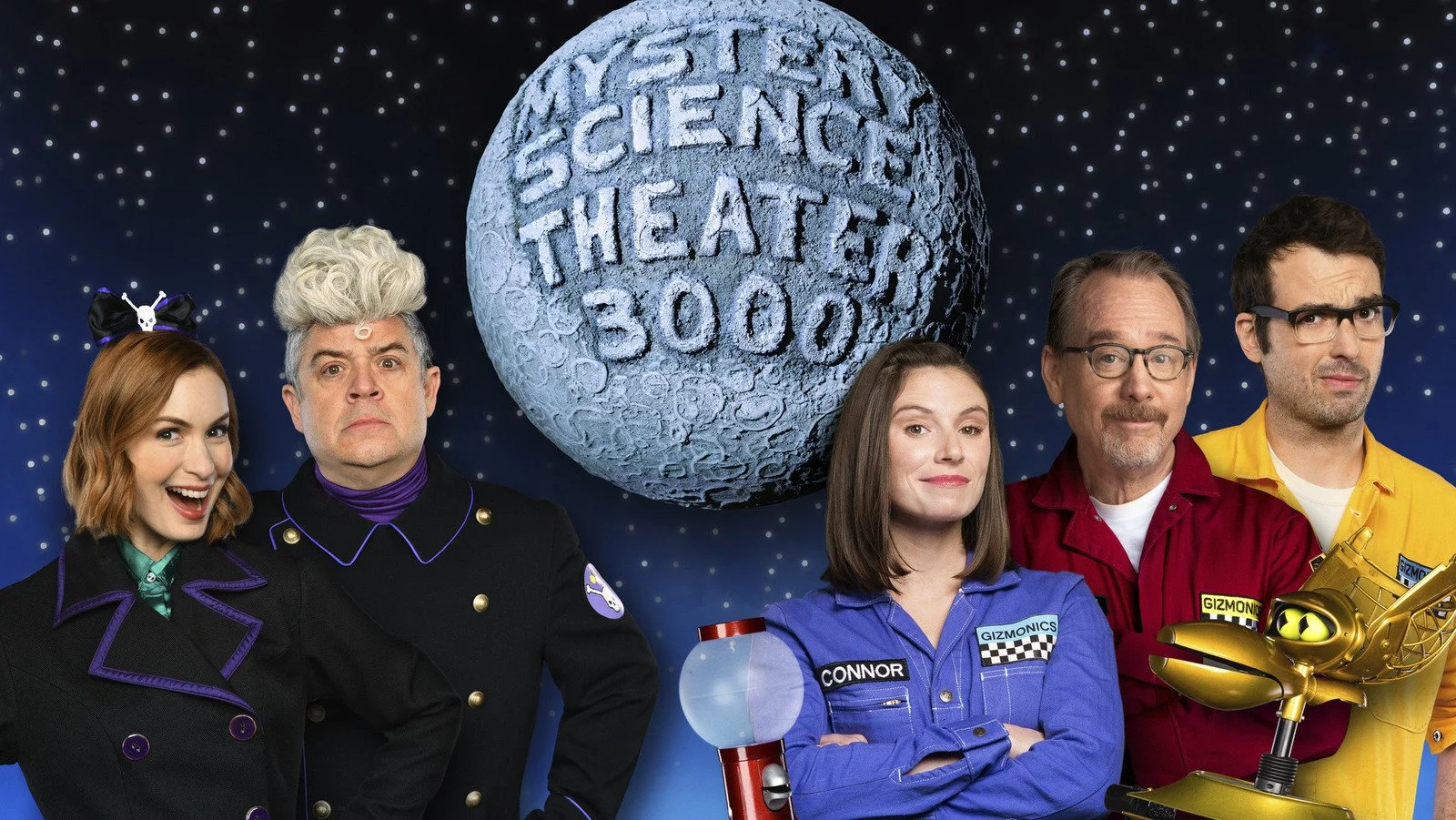
The discussion also drifted naturally toward Mystery Science Theater 3000, particularly the newer iteration that Day was part of alongside Jonah Ray. The tone of Tim Travers, with its affectionate genre deconstruction, feels closely aligned with MST3K’s philosophy. Day agreed, emphasizing that loving critique is the key. “Mystery Science Theater would not be what it is if there wasn’t a fondness for the art of filmmaking and bad movies,” she said. “You can tell somebody’s heart when they’re making something.”
That sense of heart is what ultimately ties everything together. Tim Travers and the Time Traveler’s Paradox is a film made by people who love sci-fi enough to question it, dismantle it, and rebuild it into something strange and sincere. Felicia Day’s involvement feels less like a casting choice and more like a philosophical alignment.
By the end of the conversation, it was clear that this film sits comfortably alongside her larger body of work. It is nerdy without being smug, critical without being cruel, and deeply human beneath its wild premise. Much like Day herself, it embraces the weird, trusts the audience, and leaves you thinking long after the laughter fades.
Jessie Hobson