
I knew within the first minute that I Live Here Now wasn’t interested in easing me in. The title sequence alone set off that quiet, involuntary discomfort I get when a film manages to feel wrong in a very intentional way. The score was the key offender. Its bright, happy melodies were laced with darker signals, like someone humming cheerfully over the sound of something scratching under the floorboards. That feeling of pretty things turning sour makes sense once you learn the sound design was crafted by an artist known for building immersive, unsettling sonic spaces with a distinctly Lynchian edge.
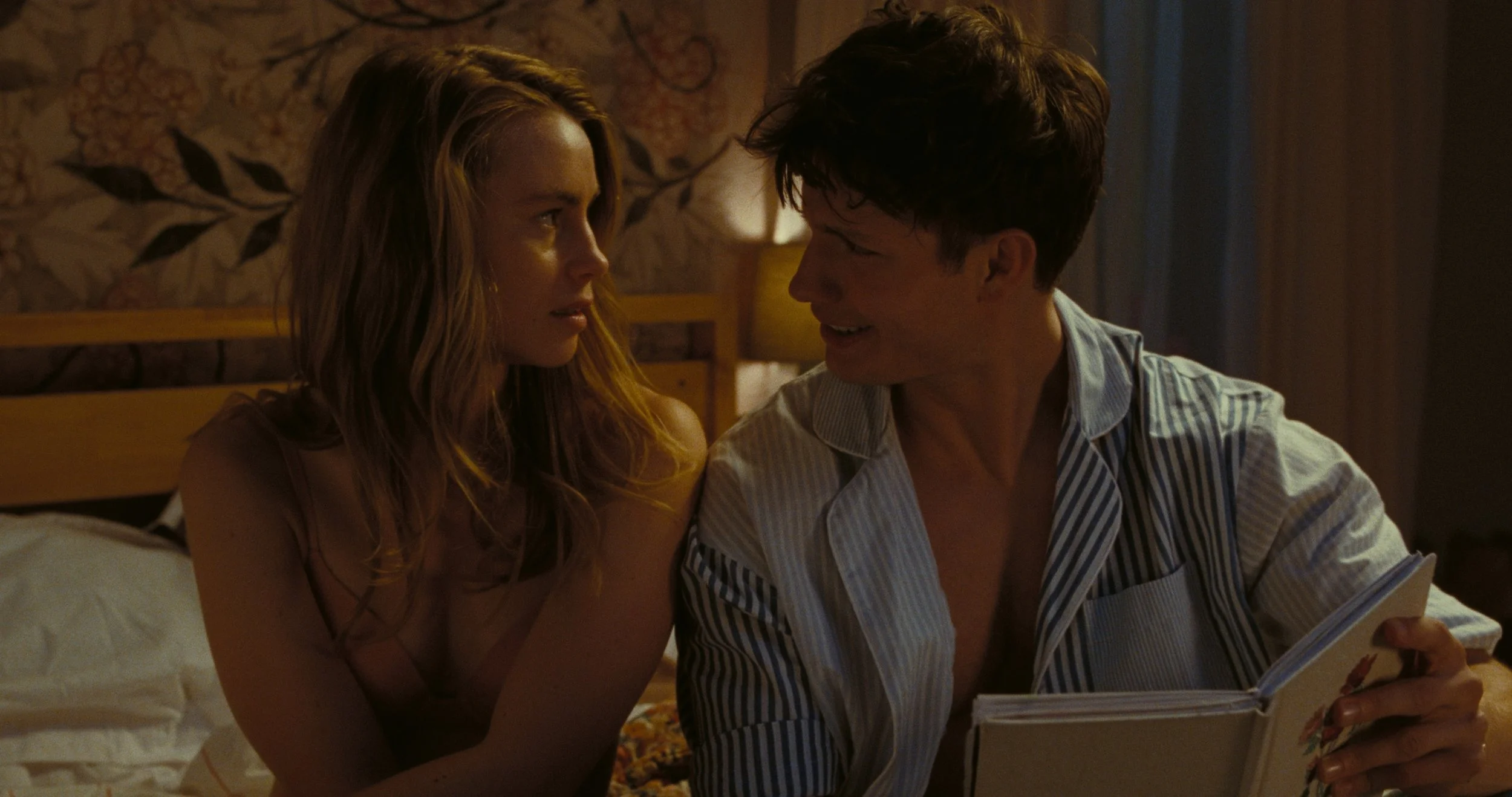
Rose enters the story as a woman already dangling by a frayed thread, and Lucy Fry plays her with a kind of trembling vigilance that made me uncomfortable in the best way. She’s pregnant, terrified, and crawling out of the wreckage of her own past. Her plan to retreat and regroup leads her to the Crown Inn, a crumbling nowhere‑motel where time behaves like it’s been through too many cycles in the dryer. Every hallway feels wrong. Every face feels familiar but misaligned. And the deeper she walks into this place, the more the walls push back at her, reflecting buried memories and unprocessed trauma like an emotional funhouse.
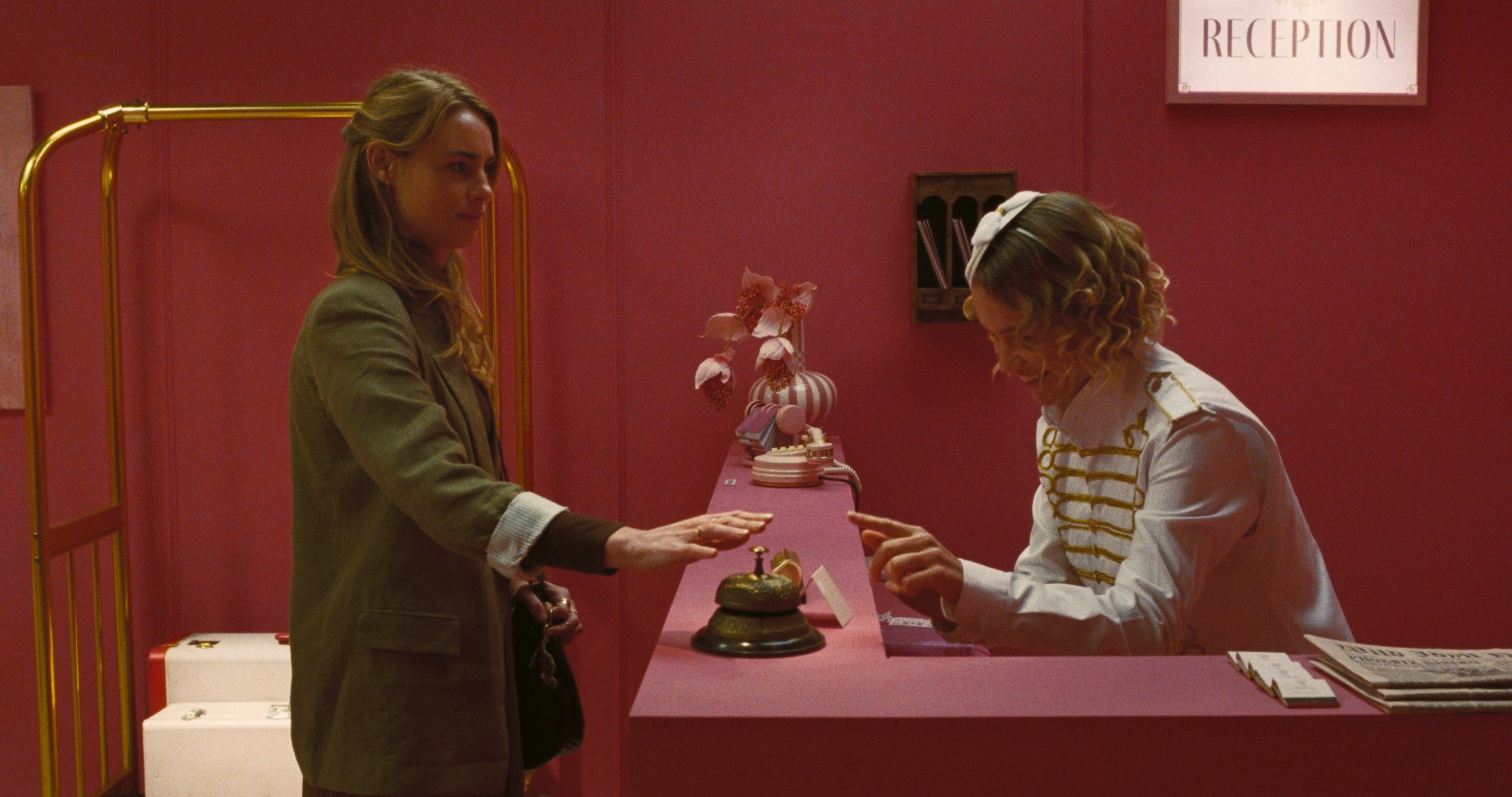
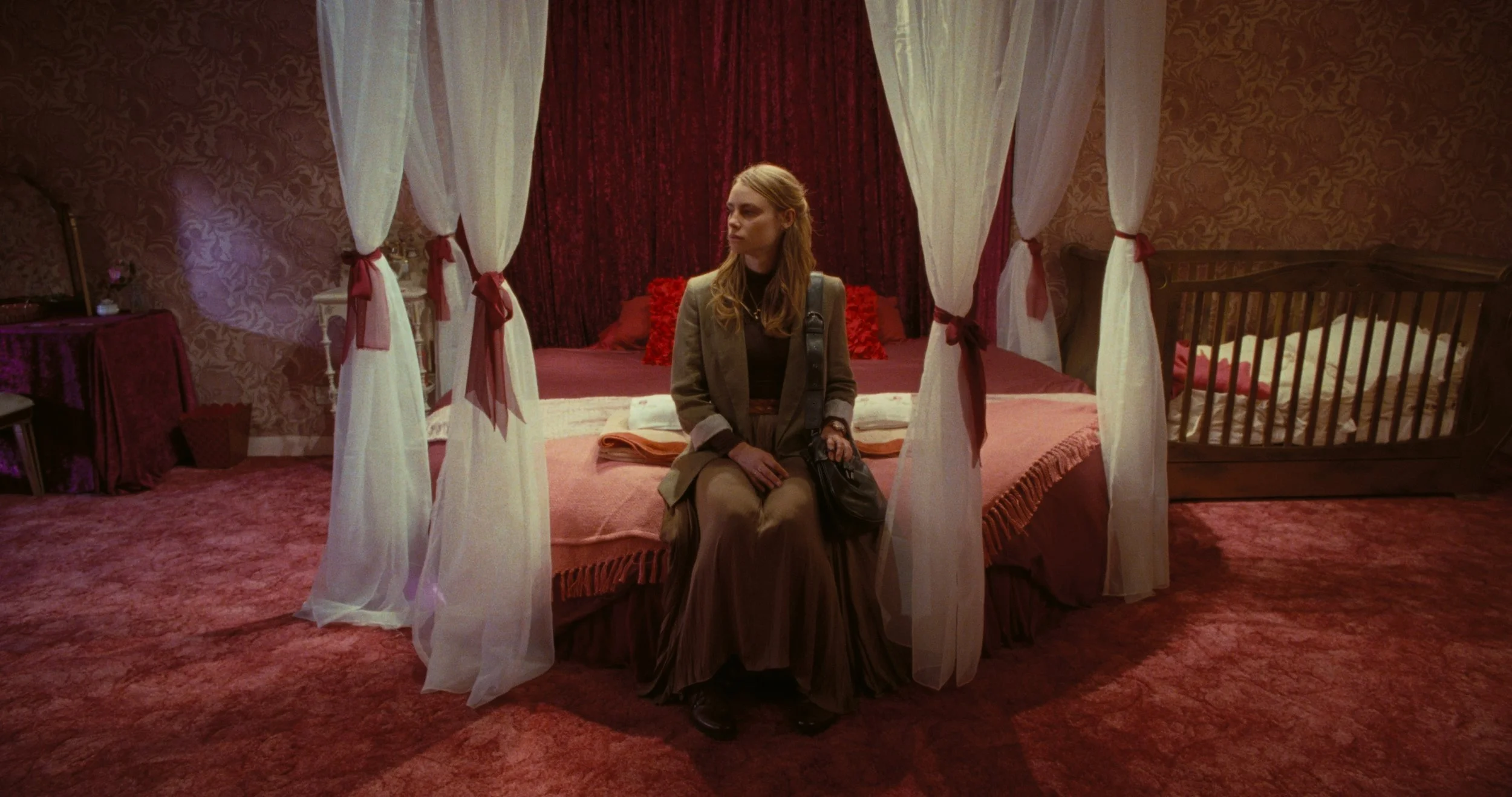
The Crown Inn is stunningly crafted. The production design leans into a surreal maximalism that shouldn’t work but absolutely does. Rooms are drenched in neon blues, greens, and reds until the colors start feeling like characters themselves. Then, just when you think you’ve adjusted, the palette collapses into fleshy neutrals and pale skin tones that made me feel like I’d stumbled into a living organism rather than a building. The filmmakers shot on both 35mm and 16mm to preserve the imperfections of film grain, scratches, and unexpected light leaks. Those textures give the imagery a rawness that enhances every lingering shot of flowers, scars, and too‑close surfaces.
Nothing in this film wants you to get comfortable. The transitions between scenes feel like fever breaks, with clever visual layering that reminded me of handcrafted experimental cinema. At times, one version of Rose seems to hover inside another, like she’s observing her own unraveling. Those layered compositions and tricky perspective shifts give the narrative a strange elasticity, as if memory and reality were being stretched across the same frame.
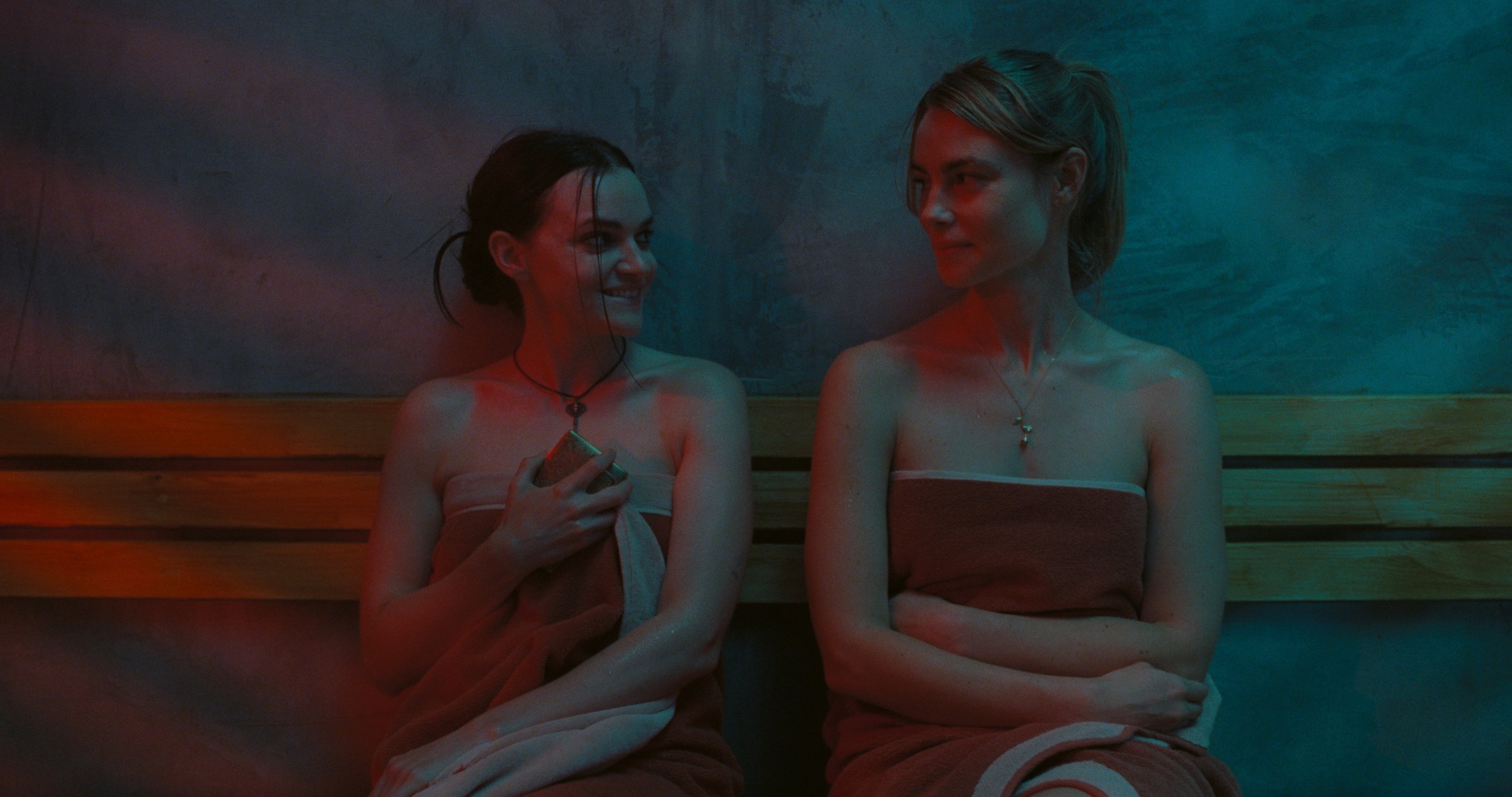
And then there’s Lillian. Madeline Brewer is the magnetic center of the Crown Inn’s chaos. She glides through scenes with an eerie calm, switching from compassionate to predatory with subtle shifts in her eyes. She has that uncanny ability to look like she knows exactly what Rose is hiding, even before Rose does. Brewer’s performance is so sharp it could cut through the film stock itself.
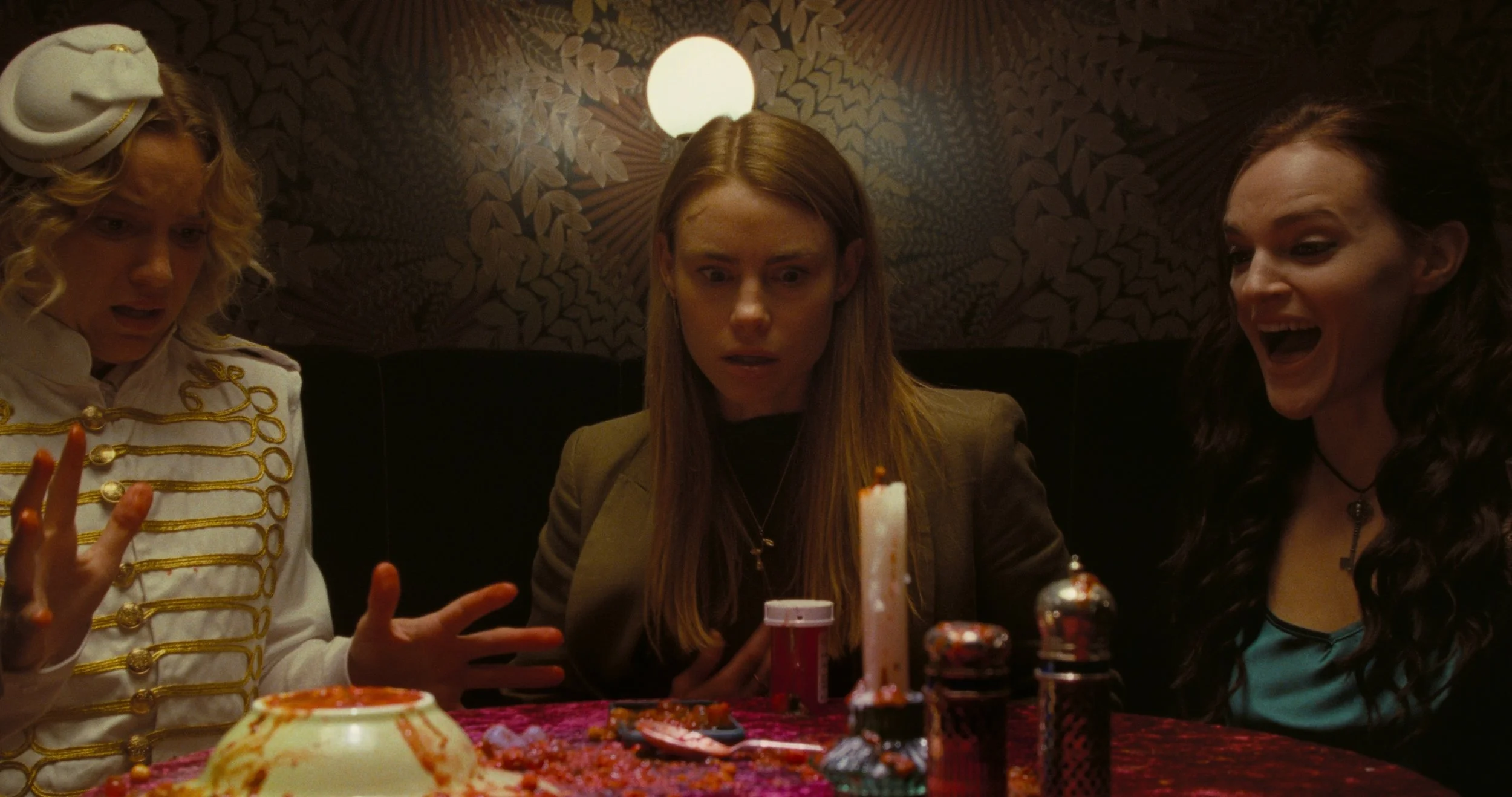
The film breaks itself into chapters, which I appreciated at first. It gave me the sense of tumbling through someone’s fragmented diary entries. But as things escalated, the structure became a little predictable. The fever‑dream sequences and psychological flashbacks have been used often in modern horror, and while they’re executed with style here, they occasionally drift into the familiar. That said, the film’s commitment to its metaphors never wavers. It creates a symbolic ecosystem built around autonomy, generational wounds, and the ways people rewrite their own histories to survive. According to the director’s own account, the story grew from an exploration of cyclical pain and the strange paths we take to circle back to the truths we’ve been avoiding.
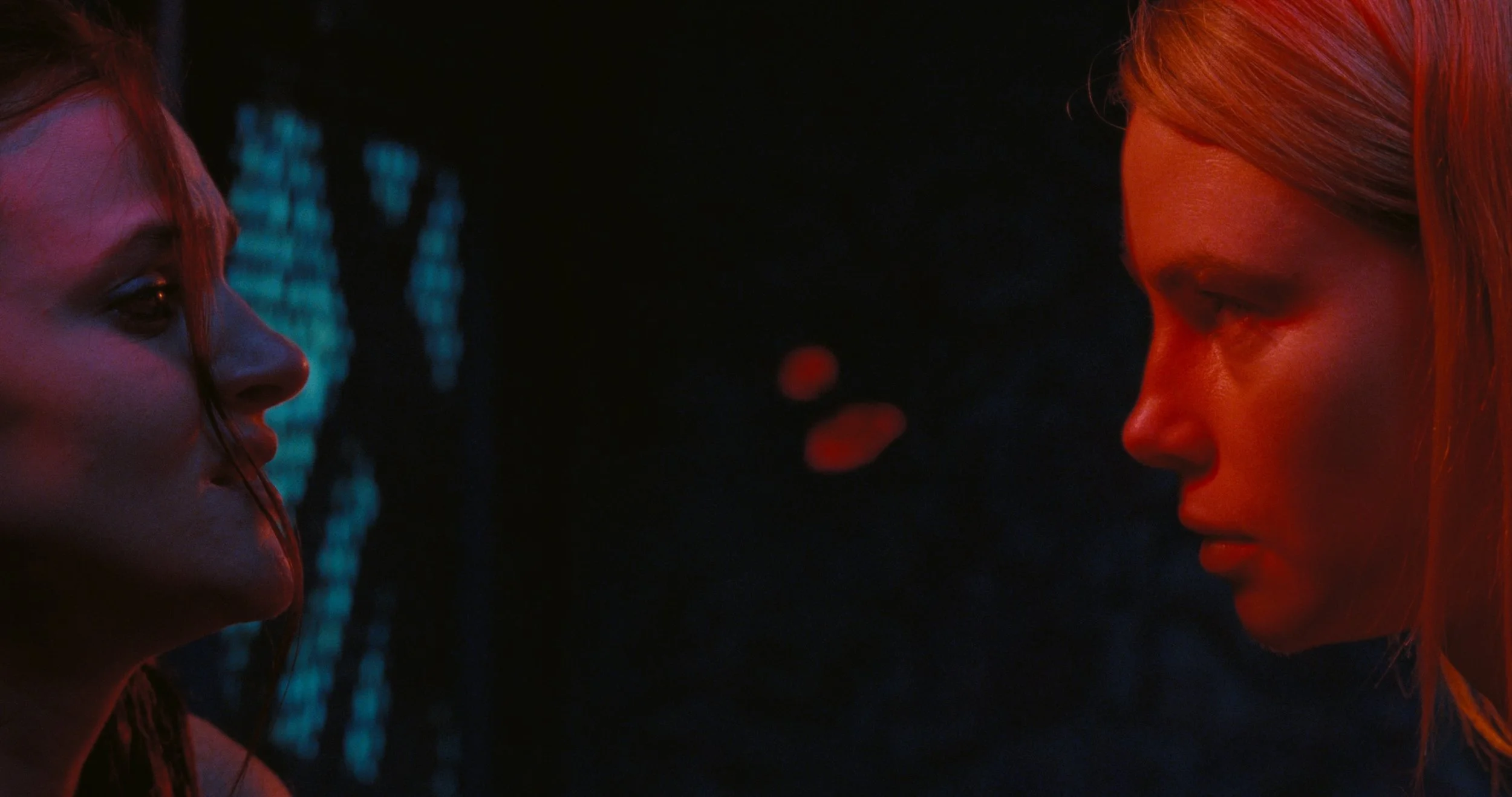
And yes, the body horror hits hard. The egg‑eating sequence made my stomach flip. The birth scene is one of the most viscerally upsetting portrayals I've seen, in part because it never feels sensationalized. It feels like panic made flesh.
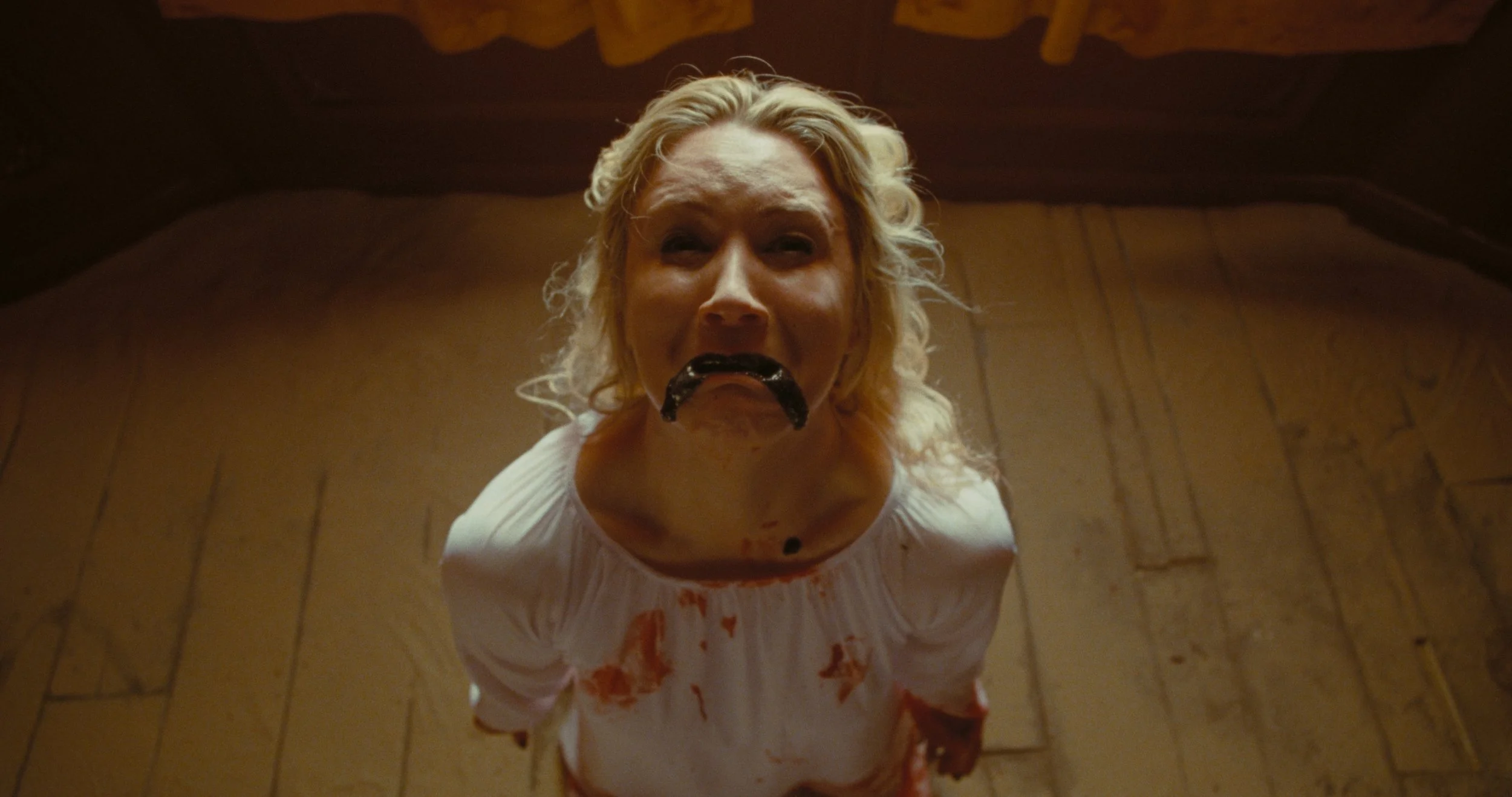
Some of the symbolism is on the nose. Some visual metaphors feel like the film is convinced of its own cleverness. But even when I felt one step ahead of it, the emotional core kept me locked in. I understood Rose’s fear. I understood her avoidance. And I understood that brutal, necessary moment when all the doors in the Crown Inn stop letting you hide.
As a debut feature, this is a hell of a statement. Bold, messy, visually gorgeous, occasionally overwrought, and utterly committed to its own vision. I walked away shaken, intrigued, and strangely moved, already wondering what Julie Pacino does next. If this is her entry point, the follow‑ups are going to be wild, and whatever she makes next, I’m already in line.
Jessie Hobson