
Some short films try to tell a story. This one tries to bottle a feeling.
The Boy With the Floppy Hair plays less like a traditional narrative and more like a whispered confession set to moving images. It is closer to a music video than a plot-driven short, built on impressionistic fragments of New York City and the ache of something that never quite becomes what you want it to be.
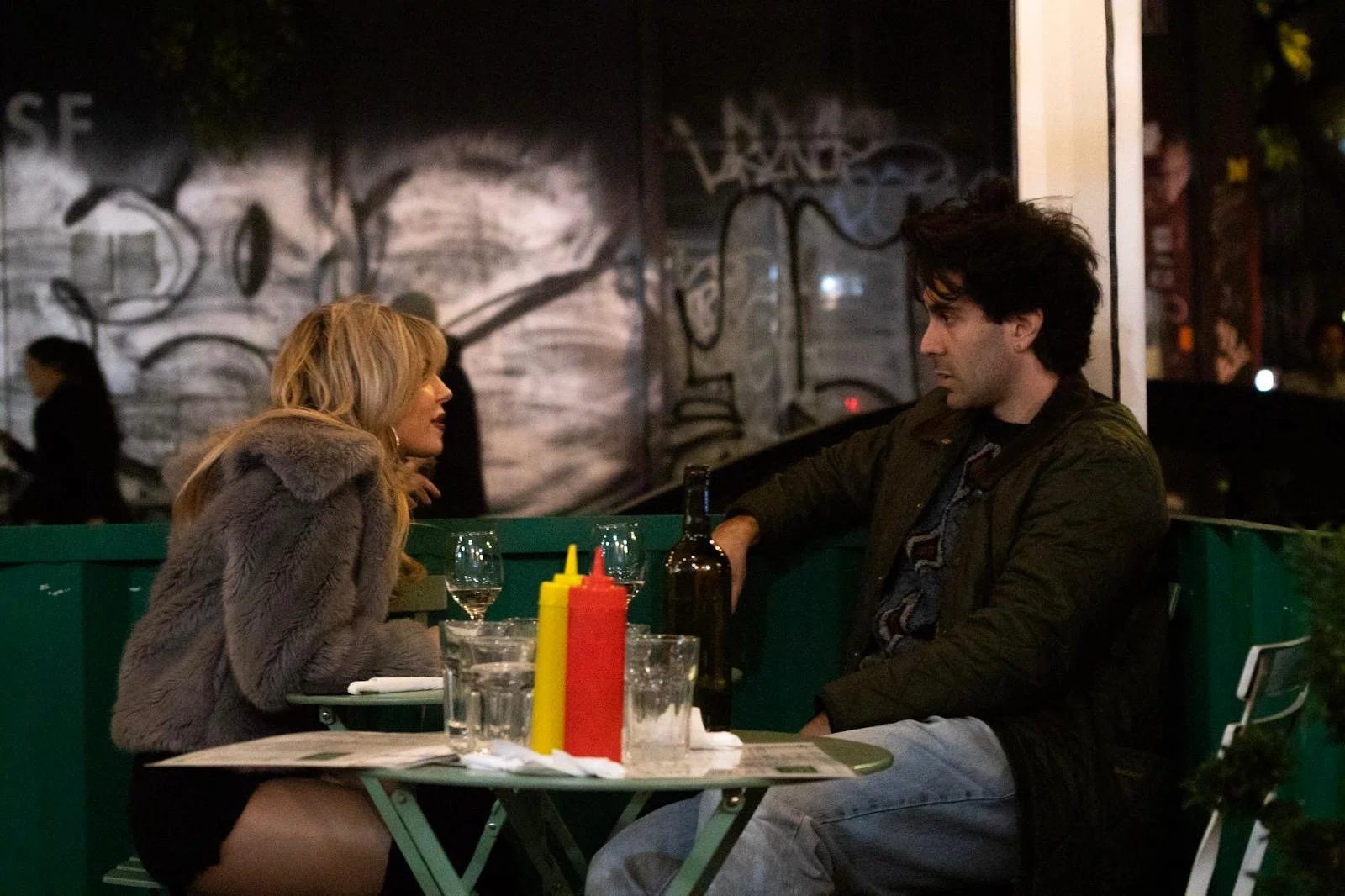
The first thing that grabs you is the voice. Grace Jenkins narrates with a raspy warmth that feels intimate without trying too hard. There is an innocent English twang in her delivery that makes the poem land softly but deliberately. It is poetic in a way that feels disarming. You find yourself wishing she were talking about you instead of some guy in New York. That is the trick of it. The narration does not just describe longing. It makes you participate in it.
Visually, the film leans into a collage of mediums. Shaky cam city streets. Shadows stretching across rooftops. Flowers. Glimpses of smiling, dancing, eating. The texture feels handmade and immediate. It carries shades of In Search of a Midnight Kiss in its scrappy romanticism, and at times echoes the vignette style of New York, I Love You. The city is not just a backdrop. It is a mood. It is a distance. It is possibility and indifference all at once.
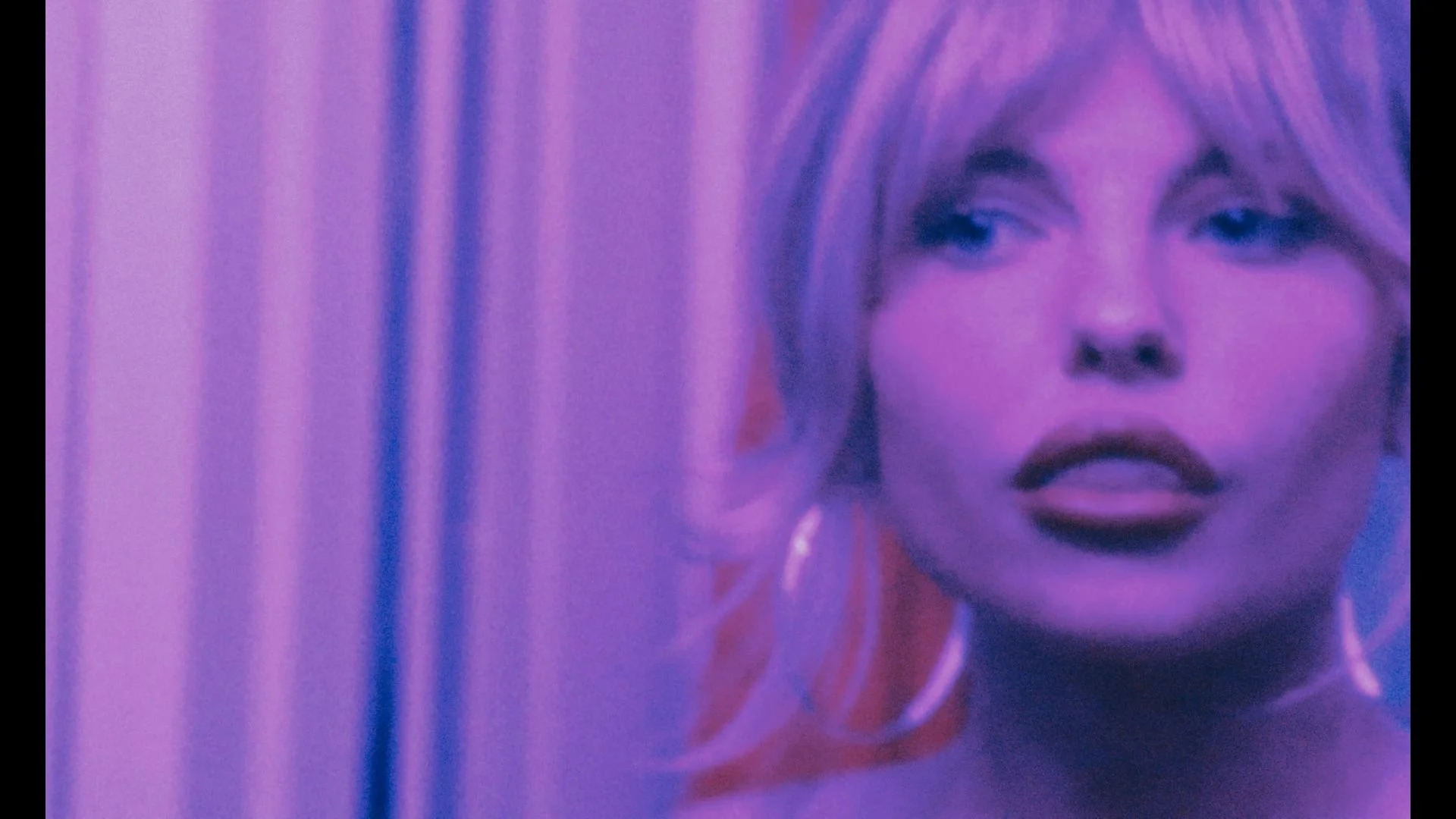
Adam Shauket, the titular boy, is framed almost as an idea more than a person. He looks like he could be the brooding younger cousin of Alex Wolff, all floppy hair and obscured emotion. Jenkins, at times, carries a presence reminiscent of McKenna Grace, delicate but grounded. They are beautiful in that effortless, New York way where everyone seems one subway stop away from becoming a memory.
The poem by Ella Bliss is earnest to its core. It tells a familiar story. Girl meets boy. The boy plays guitar. There is a lamp that changes color, a plant that slowly decays, and a connection that feels fated until it does not. The imagery can be heavy-handed. The symbolism of the dying plant is not subtle. Yet the film’s sincerity keeps it from tipping into parody. It believes in what it is saying. That matters.
What works best is the atmosphere. The rouge lamp fading to warm blue, then yellow. The electric guitar shimmering in a cramped room. The sense that this entire romance exists slightly outside of time. It feels suspended between reality and recollection, like flipping through old photos you do not fully trust but cannot throw away.
Where it struggles is in depth. Because it leans so heavily on mood, the characters remain projections. We are told he is absent, that his interest shifts, that inspiration and apprehension battle inside him. But we never truly see it. The boy with the floppy hair remains a silhouette. That may be the point, but it also keeps the emotional punch at a slight distance.
Still, there is something undeniably charming about it. The film understands the fragile beauty of encounters that are never meant to last. It captures that specific New York fantasy where you meet someone under colored light, mistake their room for yours, and convince yourself the universe is briefly aligned in your favor.
By the end, what lingers is not heartbreak. It is gratitude. She does not know him anymore. She might never know him. But she is happy to have known him at all.
That is the film in a nutshell. Not a grand romance. Not a tragedy. Just a memory that feels almost imagined, yet impossible to forget.
It is slight. It is indulgent. It occasionally leans too hard into its own poetry. But it is also tender and visually alive. For a short that plays like a love letter scribbled in the margins of a notebook, that is more than enough.
Jessie Hobson