
Do Not Enter wastes no time pulling you in. The film drops its characters straight into danger, blending urban exploration culture, livestream bravado, and supernatural terror into a modern horror thriller that feels unsettlingly familiar. That sense of immediacy is exactly what struck Jake Manley and Francesca Reale when they first encountered the project, and it became a major driving force behind their performances.
At its core, Do Not Enter updates David Morrell’s Creepers for a social media generation, centering on a group of young explorers breaking into an abandoned hotel for views, notoriety, and the hope that risk will translate into relevance. For Manley, that modern hook made the story feel less like fiction and more like a reflection of something already happening. He connected immediately to “the relevance of adapting a book like this about urban explorers to be a modern tale of these kids going in there and using social media and YouTube and stuff like that to get clout, get viewers, find money.” What made it click for him was how believable it all felt, adding that it is “something very relatable to today’s audiences and something that I could see happening because these people exist and they do things like that.”
Reale echoed that sentiment, honing in on the emotional undercurrent beneath the scares. For her, the film isn’t just about chasing views, but about being seen. She explained that the idea of “doing whatever you can to get the views and get that notoriety and build community and feel seen is a very real topic of conversation right now,” especially for younger people navigating life online. Even as the film leans into genre thrills, that human need for validation keeps everything grounded.
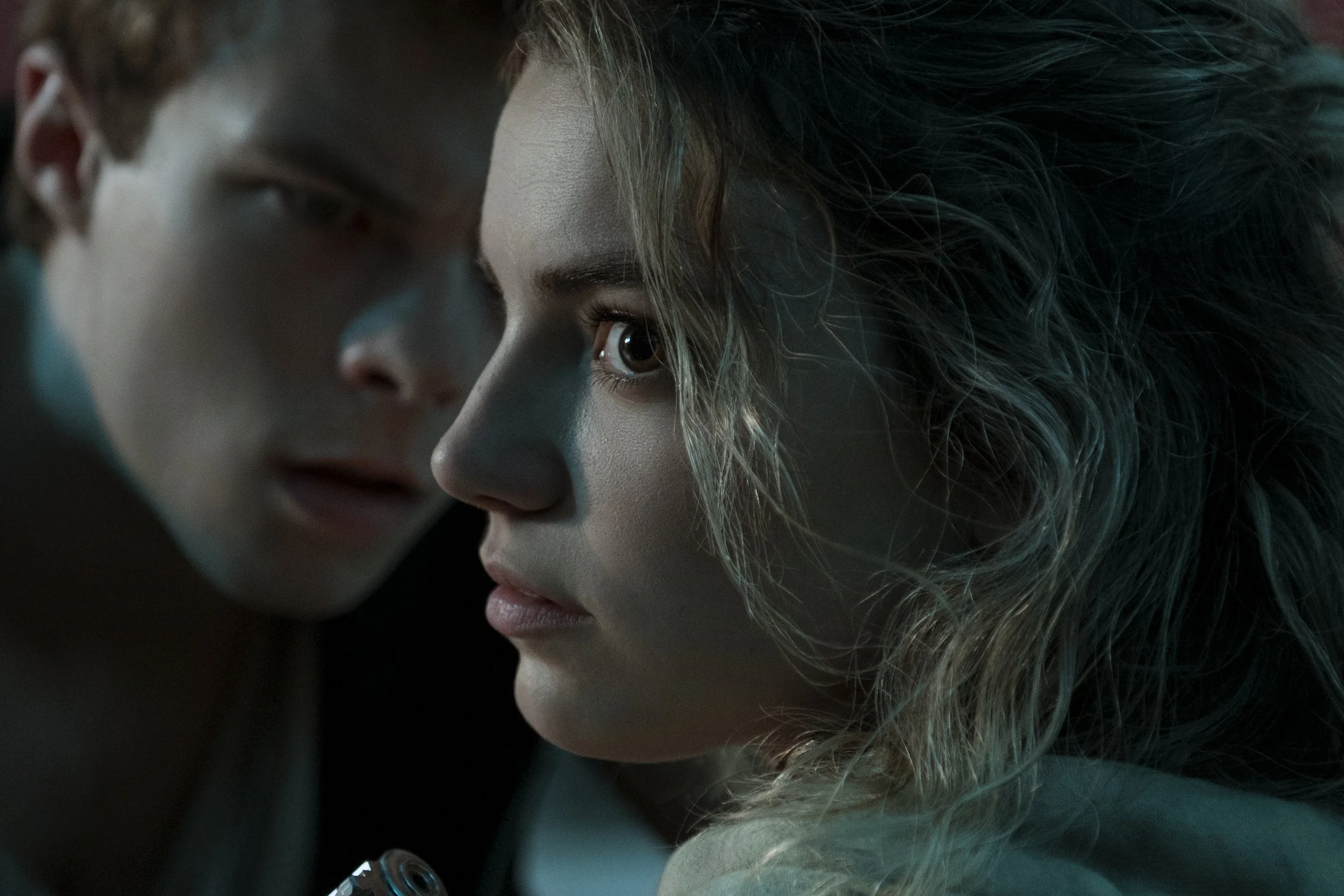
That grounding is also what allows Do Not Enter to have fun with itself. While the film delivers its share of fear, both actors were quick to point out its surprising sense of humor. Reale noted that one of the biggest draws for her was realizing that the movie didn’t forget to have fun, explaining that some of her favorite horror films are the ones “where you can also kind of laugh and scream along and really engage.” That balance of comedy and terror gives the audience permission to breathe, then pulls the rug out from under them.
The realism extends beyond the script and into the performances. Do Not Enter walks a tightrope between gritty, lived-in behavior and high-intensity supernatural horror, and Manley approached that challenge by thinking like the audience. He described trying to play “logic police,” making sure every choice felt justified even within a heightened reality. He explained that the cast spent significant time before shooting talking through the script and their characters, making adjustments so reactions felt truthful. That flexibility carried onto set, where changes were encouraged if something felt more honest in the moment.
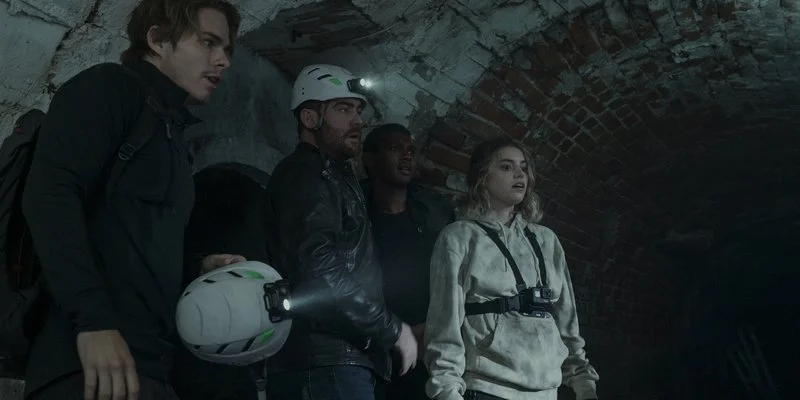
That trust between cast members became essential once cameras rolled. Reale emphasized how important genuine relationships were to making the chaos believable, explaining that because everyone got along and trusted each other, scenes could unfold as real conversations rather than forced reactions. That sense of connection allows the film’s quieter moments to land just as effectively as its biggest scares.
Visually, director Marc Klasfeld brought a clear and confident style shaped by his background in music videos. Manley responded strongly to that certainty, saying he loves working with directors who know exactly what they want because it makes it easier to fully commit. While the visuals were meticulously planned, the actors still felt trusted to do their jobs, creating an environment that balanced guidance and freedom.
One of the most striking elements of Do Not Enter is its creature work, anchored by Javier Botet’s physical performance. Reale spoke with real admiration about watching him work, calling his approach a master class in movement and control. Coming from a dance background herself, she was especially impressed by how Botet used subtle shifts in posture and gesture to amplify fear, transforming from a kind presence into something deeply threatening. Manley agreed, summing it up simply by saying that if you want the best, you get the best.
Even off camera, the experience left a mark. When asked about souvenirs, Manley laughed about buying handmade figurines from a nearby mining town rather than swiping something from set, while Reale admitted she took her character’s pants because they were too good to leave behind.
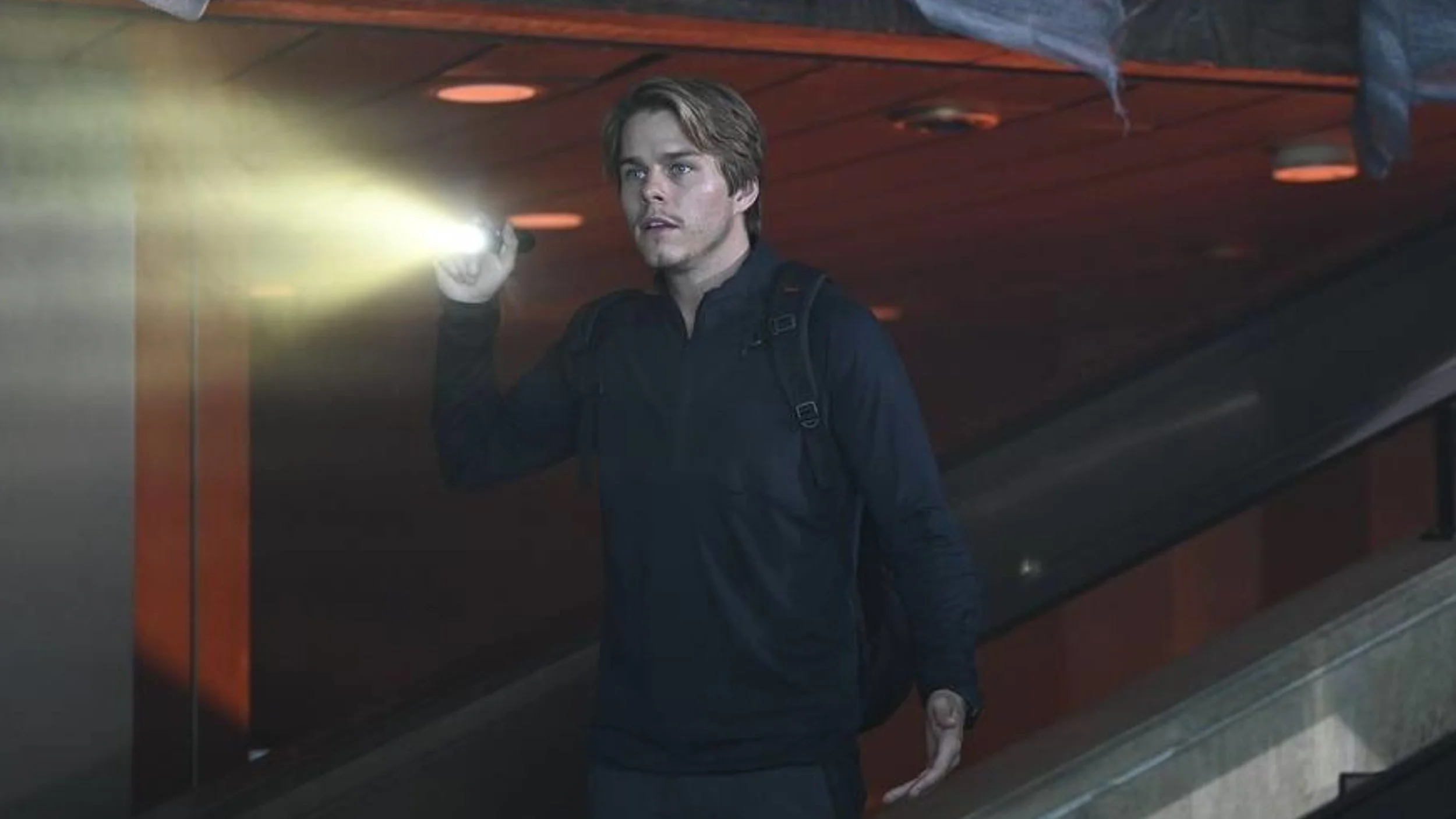
That mix of professionalism, humor, and genuine enthusiasm carries directly into the film itself. Do Not Enter succeeds not just because it embraces modern horror trends, but because its cast fully commits to the humanity underneath the scares. As Manley put it, the worst feeling as an audience member is watching something that doesn’t make sense. Here, he said, “I buy into it,” and that belief is what makes the fear stick.
Jessie Hobson