
We Bury the Dead opens on an unexpected note: Kid Cudi and Ratatat’s “Pursuit of Happiness” echoes through the darkness. It is a bold way to begin a zombie film, but the choice pays off by immediately tapping into a reservoir of millennial nostalgia. The soundtrack throughout does something similar, unlocking memories as it slips between moody ambience and familiar needle drops. From the first scene, the film signals that it is not interested in rehashing the usual undead formula.
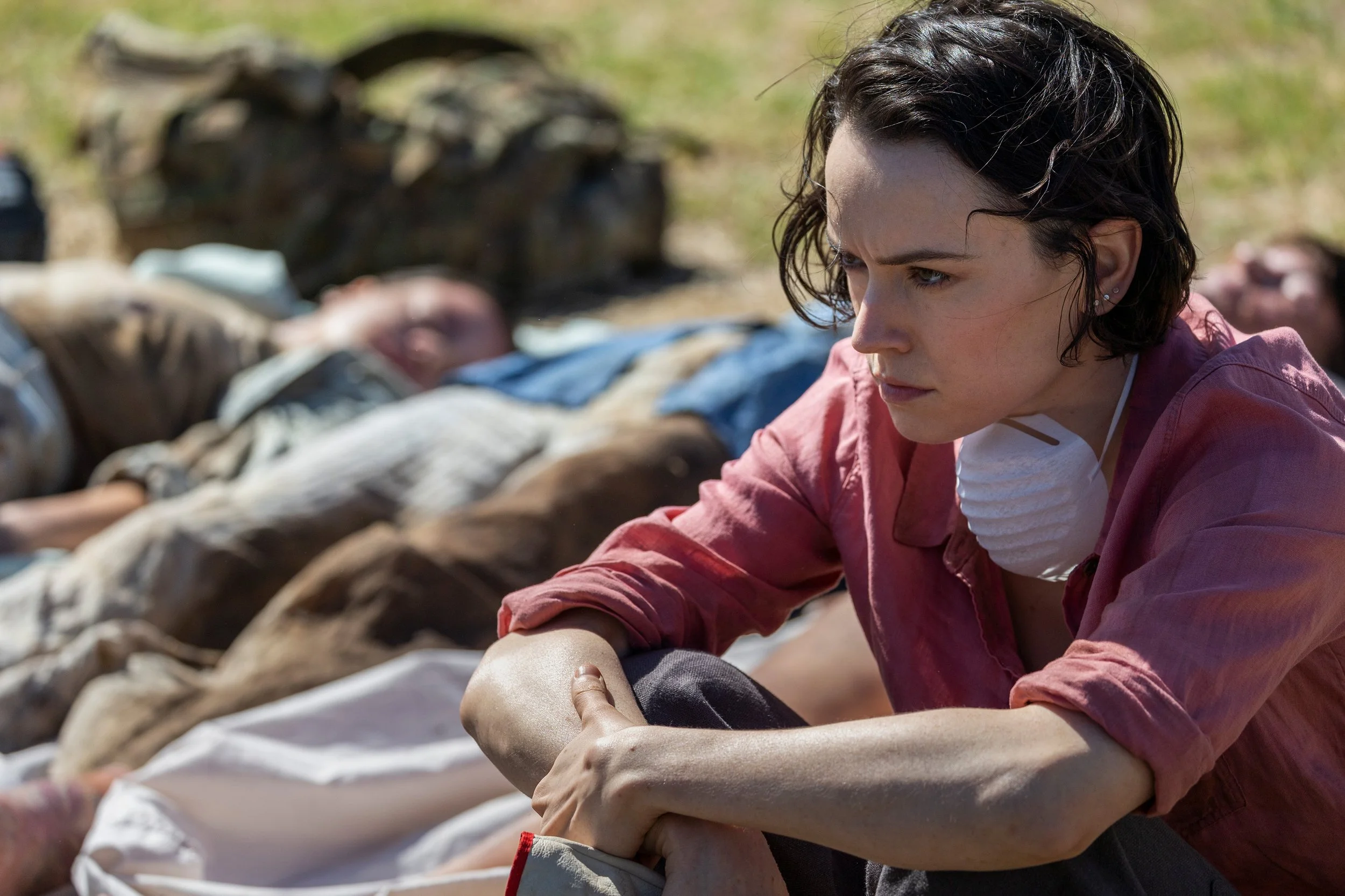
Zak Hilditch’s story presents a new kind of zombie movie. The setup is simple on paper. After a catastrophic military experiment wipes out Tasmania, volunteers are brought in to help bury the dead, some of whom do not stay buried. Ava, played with focused intensity by Daisy Ridley, joins the retrieval effort not out of service but in the hope of finding her missing husband. What unfolds blends genre tension with a heavy emotional undercurrent rooted in grief, which aligns with Hilditch’s own inspirations for the film.
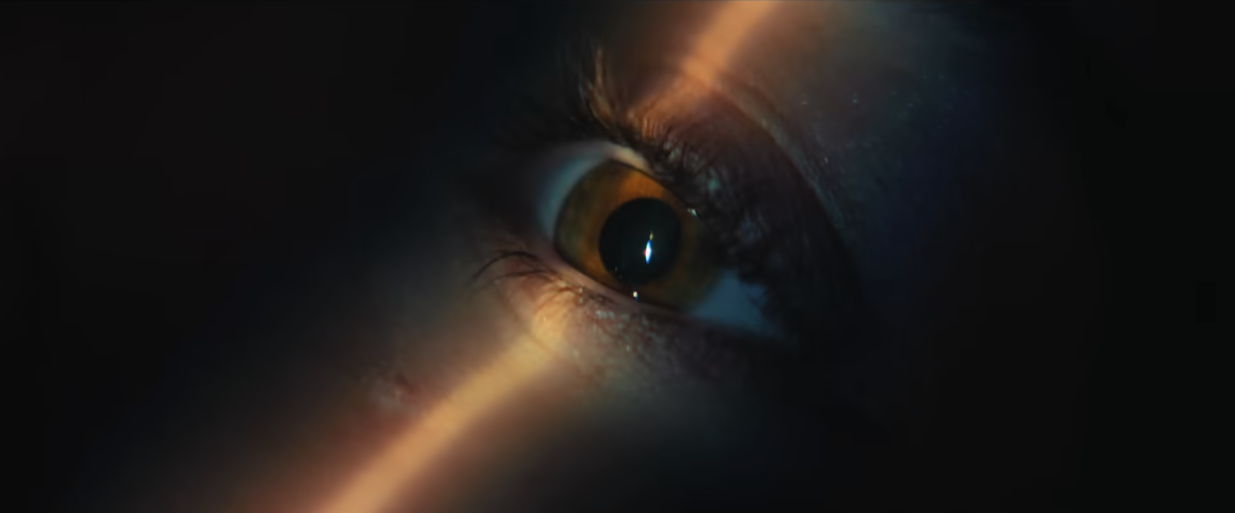
The mystery surrounding why only some victims return is a clever device. Viewers learn information at the same pace as Ava and her companions, which keeps the film grounded in uncertainty. This approach gives the world a lived-in eeriness rather than the usual chaos-driven zombie aesthetic. Adding to that effect is the makeup work. The undead are frightening in a quiet, unsettling way, often blank-eyed and grinding their teeth with no recognition of the living around them. The designs are simple but striking, and the restraint makes them far more memorable than elaborate creature effects would have.
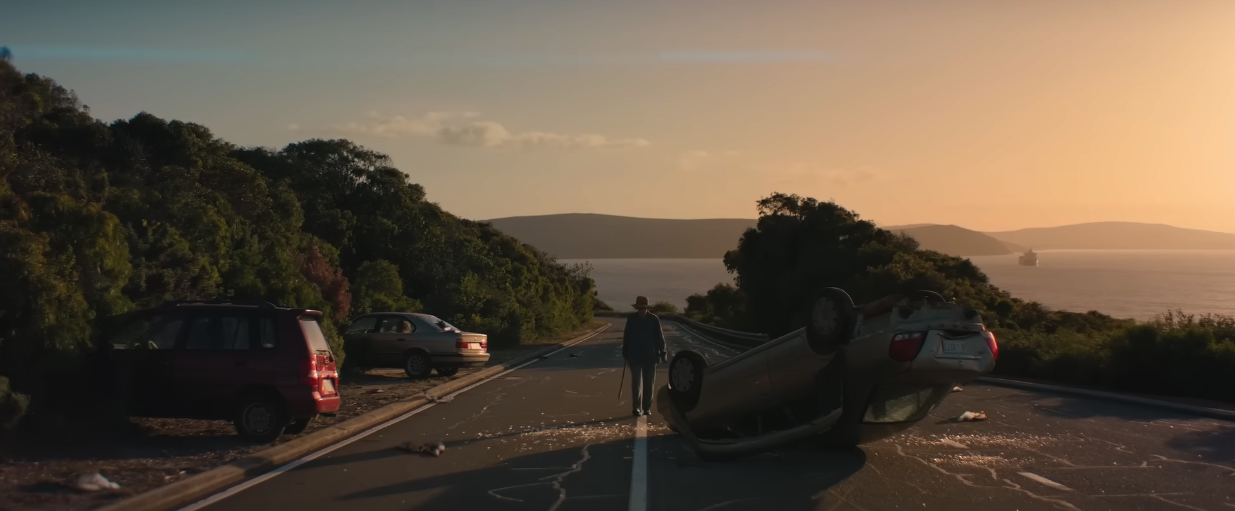
Visually, the film is beautiful and unnerving at once. The Australian countryside is captured in wide, sweeping shots that would feel serene if not for the smoke hanging in the air and the occasional orange haze staining the horizon. The tension between natural beauty and looming catastrophe gives the story a constant sense of imbalance.
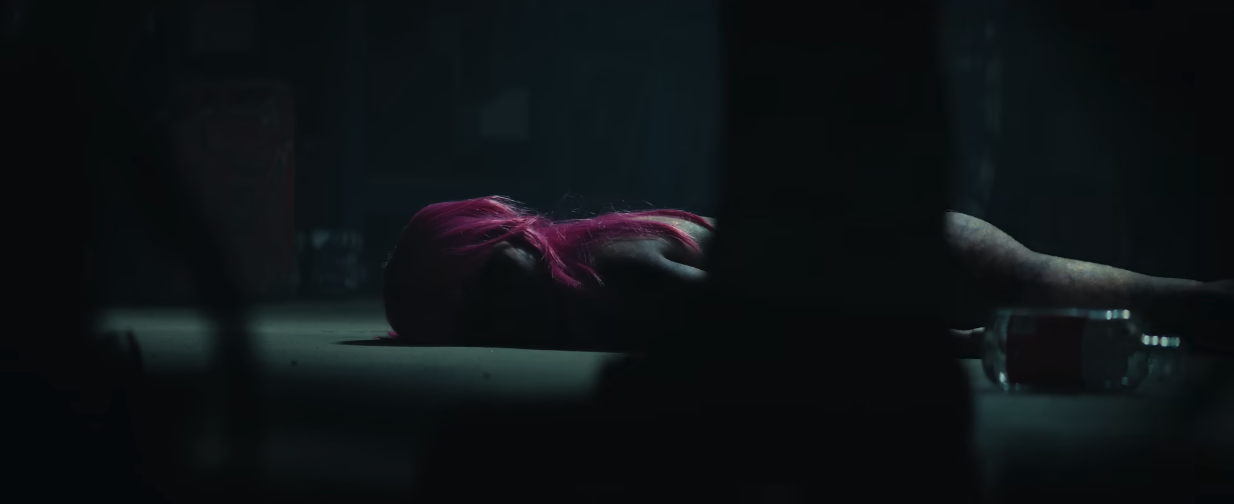
At about the halfway point, We Bury the Dead takes a sharp turn. The narrative shifts from a controlled post-apocalyptic drama into something closer to a psychological thriller. It is strange, disorienting and entirely welcome. The film becomes less about external threats and more about what grief can twist a person into, mirroring themes directly tied to Ava’s emotional state. This pivot adds depth and keeps the viewer engaged through the film’s moodier middle stretch.
It is easy to imagine this story functioning as a video game or as a side mission in a larger zombie survival title. The pacing, atmosphere and structure all lend themselves to exploration, danger and discovery. It also speaks to how well-crafted the world is, both visually and tonally.
The third act wobbles as the film tries to escalate toward a climax that matches its ambitions. After such a wild emotional and conceptual ride, there is a moment where it feels like the story is simply searching for the finish line. The audience may begin to wonder whether the film can resolve everything it has put into motion.
And then the finale lands. Clever, thoughtful and rooted in the film’s exploration of closure, it ties the narrative threads together with more grace than expected. Ending on Metric’s “Help I’m Alive” feels like a final nod to the emotional and generational sensibilities the film has been in conversation with from the start.
We Bury the Dead gives the zombie genre a somber, introspective angle. Rather than relying on spectacle, it leans into atmosphere, dread and the personal pain of its characters. Ridley delivers a standout performance that carries the film’s emotional weight, supported by striking cinematography and a score that amplifies its haunting tone. While not flawless, the film’s risks pay off far more often than they falter. Hilditch has crafted something distinctive within a crowded genre.
In an era when truly original zombie stories are rare, We Bury the Dead feels like a genuine achievement.
Jessie Hobson