
The Strangers Chapter 3 opens with a cover of The Sound of Silence, beginning with “hello darkness, my old friend,” which feels almost too appropriate considering we are returning to the same story for the third and final time. The screen reads “three years ago” as a young woman walks into a motel lobby. Fans who stuck around through the previous film’s post-credits scene will immediately recognize what is being set up here. The knocking begins. Is Tamara here? The answer, of course, does not matter.
The opening stretch is brutal and isolating, establishing the film’s fixation on cruelty before fading into a definition of a serial killer and the title card. From there, Chapter 3 begins exactly where Chapter 2 left off. There is no breathing room, no reset. Whatever momentum the second chapter built is carried straight through, for better or worse.
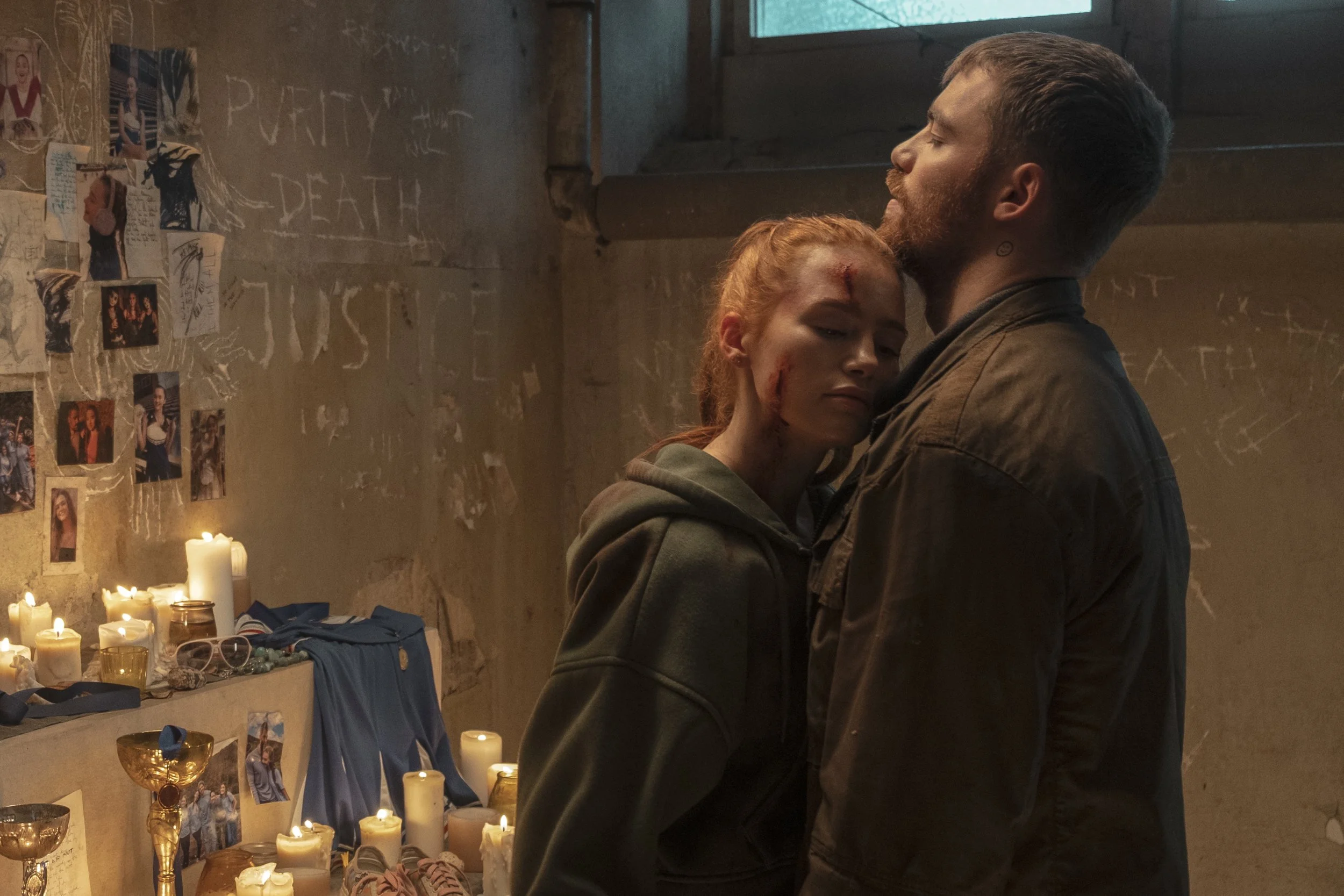
Madelaine Petsch’s Maya spends much of the film hiding, running, bleeding, and barely holding herself together. She is still very much in survival mode, and Petsch sells every exhausted breath of it. The film places her in new environments this time around, most notably a church, which adds texture and atmosphere after so much time spent in the woods previously. A quiet exchange inside the church stands out as one of the stronger character moments in the trilogy.
Gabriel Basso continues to be deeply unsettling. His presence feels restrained but loaded, and the film smartly lets him sit in silence when it counts. Richard Brake enters the story and immediately turns every scene he is in into something uncomfortable. Brake is one of those actors who does not need to raise his voice or swing an axe to feel dangerous. A smile and a stare are enough.
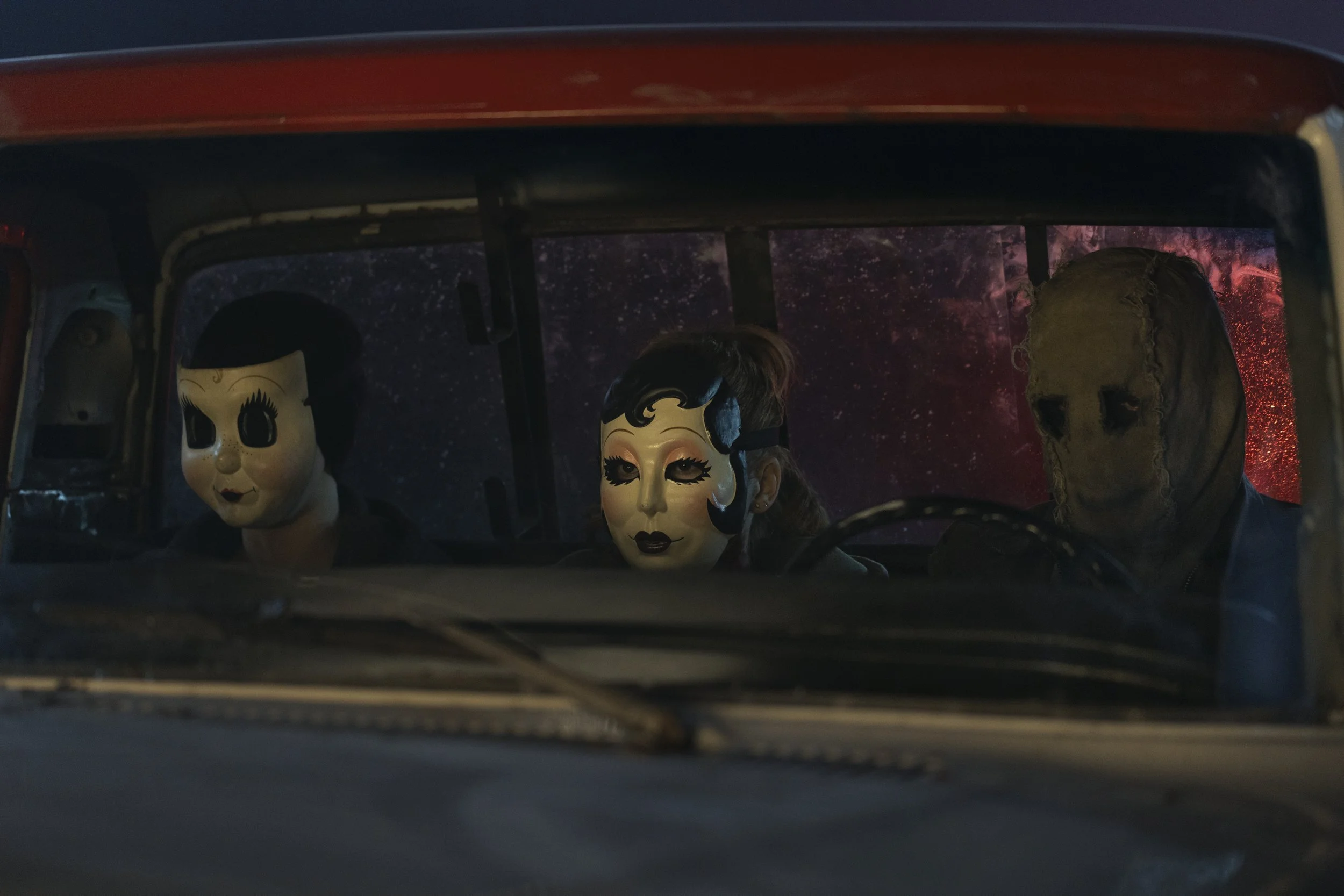
As Chapter 3 unfolds, the film leans heavily into backstory. We are shown more of the Strangers than ever before, including formative moments that help explain how this trio came to be. The effects team deserves credit here, especially in the way certain characters are aged down and blended across timelines. It is technically impressive and often convincing.
Whether that information is necessary is another story.
One of the film’s more uncomfortable stretches involves Maya being forced into close proximity with the Strangers in ways that feel intentionally degrading. These scenes are meant to unsettle, and they succeed, but they also cross into territory that feels prolonged rather than purposeful. There is a difference between discomfort that serves a story and discomfort that simply lingers.
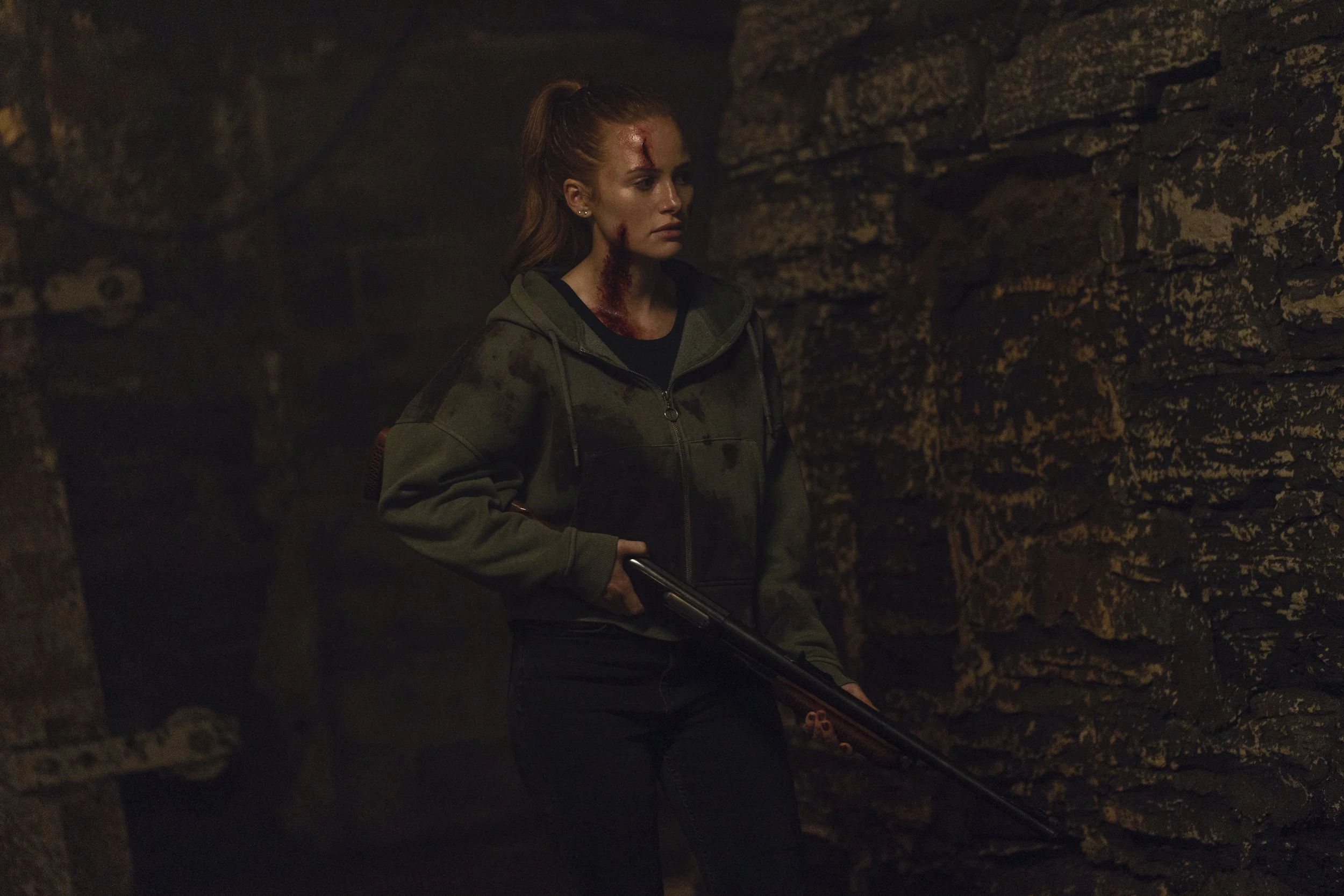
Visually, Chapter 3 is often strong. Sweeping shots of the Oregon town are genuinely beautiful, and the production design continues to ground the film in a tangible, lived-in space. The practical effects work is solid, with blood and wounds that feel ugly and real. That said, some baffling needle drops work against the tension rather than enhancing it. When music choices pull focus from what should be harrowing moments, something is off.
The performances remain the film’s saving grace. Petsch gives a fully committed turn that never feels false, even when the script pushes her into extreme territory. Gabriel Basso is quietly haunting, and Richard Brake does exactly what you want Richard Brake to do. Ema Horvath is also exceptional, bringing a strange warmth and eeriness that makes her presence linger longer than expected.
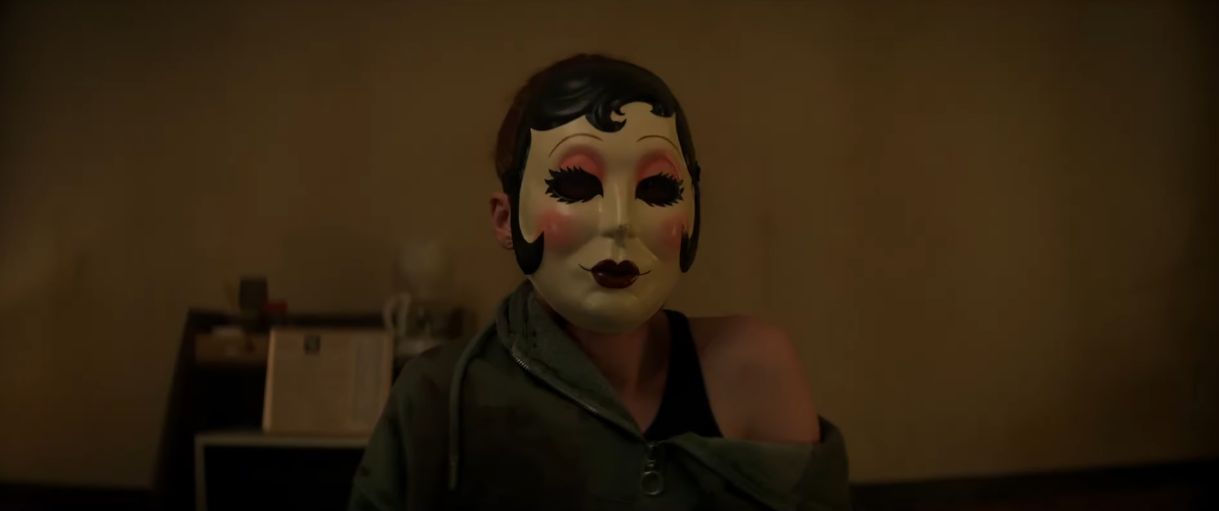
By the time the film reaches its final stretch, it is clear Chapter 3 wants to leave an impression. It tries to do something different, and that alone deserves some credit. Unfortunately, the choices made along the way often undermine the impact the film is reaching for.
The Strangers Chapter 3 is not without value. The acting is strong across the board, and there are moments where the atmosphere and craft align just right. But as a finale, it adds little to the franchise and arguably weakens what made The Strangers effective in the first place.
This trilogy steadily improves from film to film, yet it never justifies its own existence. Chapter 3 is worth watching for the performances alone, especially if you are already invested, but it ultimately feels like an unnecessary final chapter to a story that worked best when it said less.
Now I need to rewatch the original just to cleanse my palate.
Jessie Hobson