
Some documentaries exist simply to catalog a thing that happened. What’s the Story, Wishbone? exists to explain how something that should have been impossible not only worked, but worked so well that it is still lodged deep in the collective memory of an entire generation. This is the story of a television show that took an absurd amount of effort, coordination, and risk, yet somehow made all of that chaos look effortless on screen.
Directed by Joey Stewart, who cut his teeth on the original series, the film functions as both a masterclass in behind-the-scenes television production and a deeply nostalgic gut punch for anyone who grew up watching PBS in the nineties. From the opening moments, it is clear this is not a surface-level retrospective. This is the definitive account of how Wishbone came to life, told by nearly everyone who had a hand in making it happen.
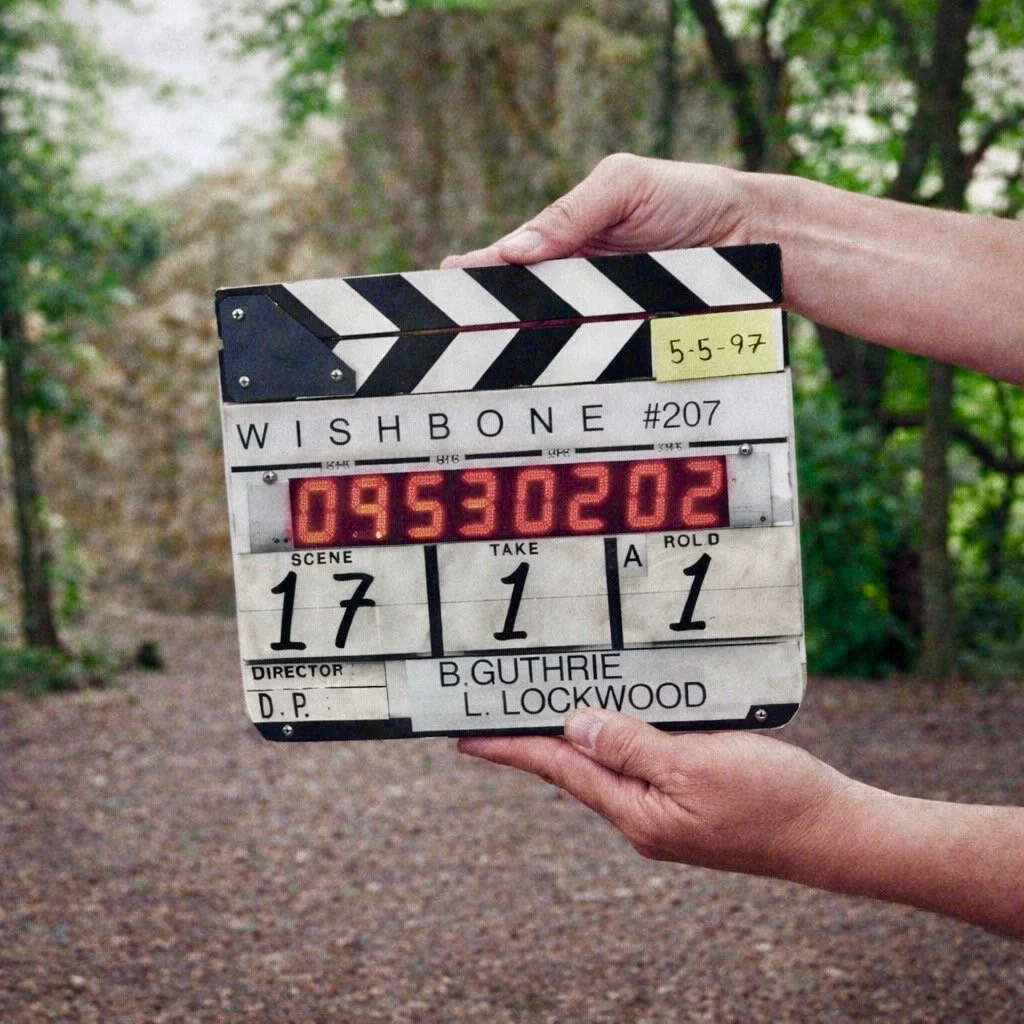
The most impressive thing about What’s the Story, Wishbone? is how much it reveals while never becoming overwhelming. The documentary is broken into clearly defined segments that cover everything from casting and costuming to writing, production design, and the very real logistical nightmare of working with a dog at the center of every scene. The film explains how the team managed the nearly impossible task of producing episodes at a relentless pace, often finishing one completely before immediately rolling into the next, ultimately delivering an enormous batch of episodes under conditions that would make most modern productions collapse.
The interviews are the backbone of the documentary, and they are consistently excellent. Writers, producers, actors, dog trainers, production managers, and designers all get space to explain what their specific role was and how it connected to the larger machine. This gives the film a rare sense of completeness. You are not just told that Wishbone was ambitious. You are shown exactly how that ambition translated into daily work and problem-solving.

One of the true highlights is the sheer volume and quality of archival material. Scripts, audition tapes, production photos, old news footage, and behind-the-scenes video are woven seamlessly into new interviews. Nothing feels tossed in for padding. Every clip has purpose, and when archival interviews appear, they blend naturally with modern commentary rather than feeling like historical cutaways. It adds an enormous amount of texture to the viewing experience and elevates the documentary well above the standard nostalgic talking heads formula.
There was a genuine emotional pull in discovering that Wishbone was produced in Texas, far from the usual entertainment industry machinery. Realizing this beloved series was basically made in my own backyard added a whole new layer of charm. The scale of the operation compared to its cultural impact is staggering, and the documentary does a great job highlighting how unusual this truly was.
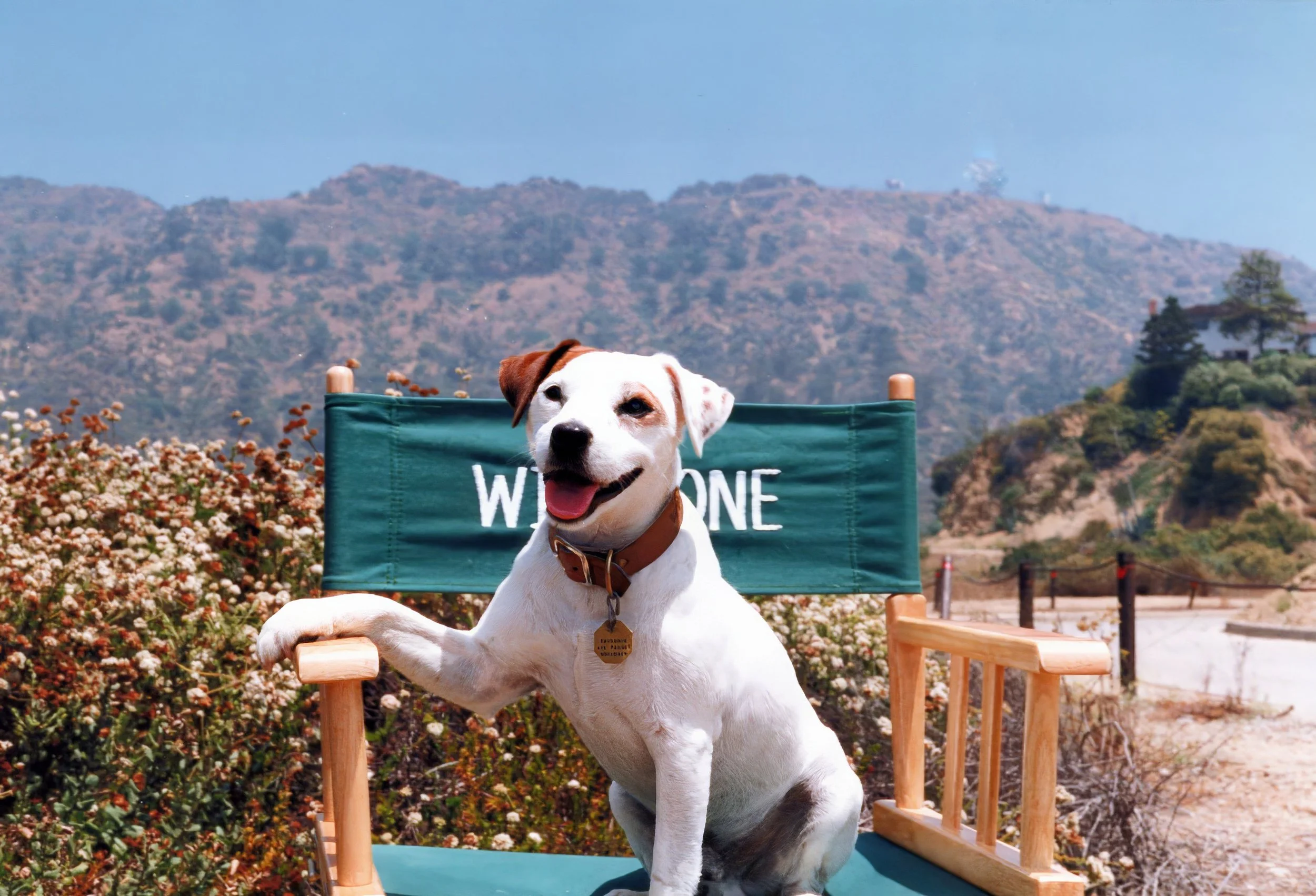
There is also a constant undercurrent of affection that runs through every interview, especially when people talk about the dog himself. The care and respect everyone had for Wishbone is undeniable. The sections breaking down how scenes were blocked around the dog and how the production accommodated his needs are fascinating, and they also explain why the show never felt like a gimmick. Everyone involved was committed to doing it right.
If you ever wondered how the book cover recreations were made, the documentary spends time there too, and outside of the dog-focused segments, it is one of the more interesting parts of the entire film. It perfectly captures the love and attention to detail that defined the series as a whole.
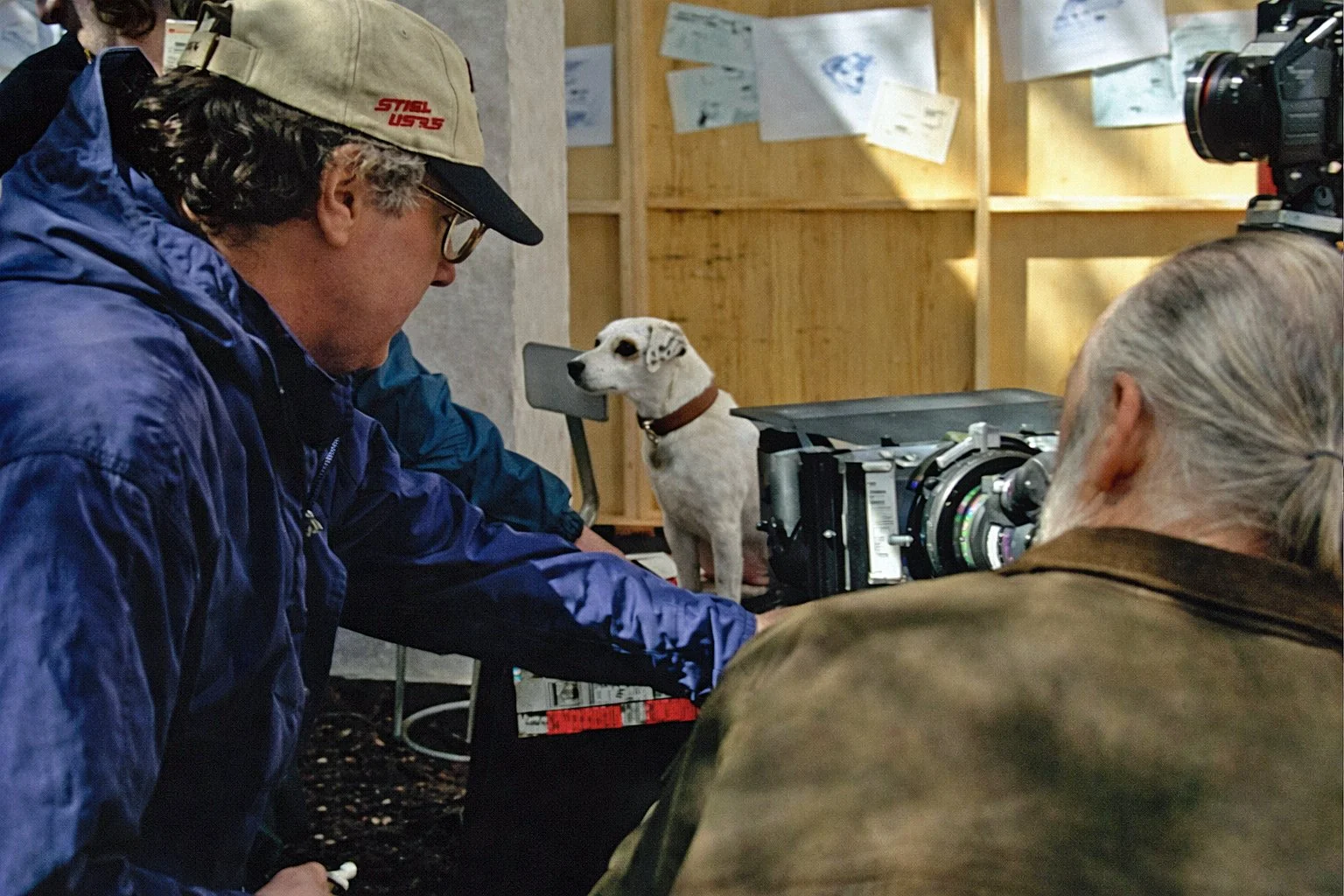
Watching What’s the Story, Wishbone? is an intensely nostalgic experience, but it never lives exclusively in the past. It actively reframes PBS programming as something daring, creative, and deeply important. When everything wraps up, it is hard not to feel compelled to immediately revisit old episodes. In my case, it led to an evening spent rewatching Wishbone and Ghostwriter and realizing just how formative that programming was.
The film is not without minor flaws. There are a few notable absences among the immediate cast, and while the ending of the series is addressed, it feels like an area that could have benefited from deeper exploration. The same goes for merchandising and cross-promotional efforts, which are acknowledged but not fully unpacked. Additionally, more closure regarding the dog’s life after the show would have been welcome. A short post showing an update from his trainer or archival footage would have landed emotionally.
Those nitpicks aside, this is the rare documentary that actively enhances your relationship with its subject. If you loved Wishbone even a little, this will absolutely heighten that affection. If you did not want a Jack Russell Terrier by the end of it, I would question whether you were paying attention.
What’s the Story, Wishbone? is bursting with heart, craft, and sincerity. It captures lightning in a bottle twice, once by explaining how the original series did it, and again by proving that the love for this strange, wonderful show has never faded. Now, somebody please give this exact creative team the keys to Are You Afraid of the Dark? or Goosebumps next.
Jessie Hobson