
Some films feel like relics. Others feel like they were just waiting for the right moment to be rediscovered. Stereotypically Me, a 24-minute satirical short written and directed by Linda Nieves-Powell, firmly lands in the second category.
Originally shelved after its 2013 debut, the film now plays less like a time capsule and more like a sharp, self-aware commentary that somehow aged into relevance. If anything, it feels more honest now than it probably did then.
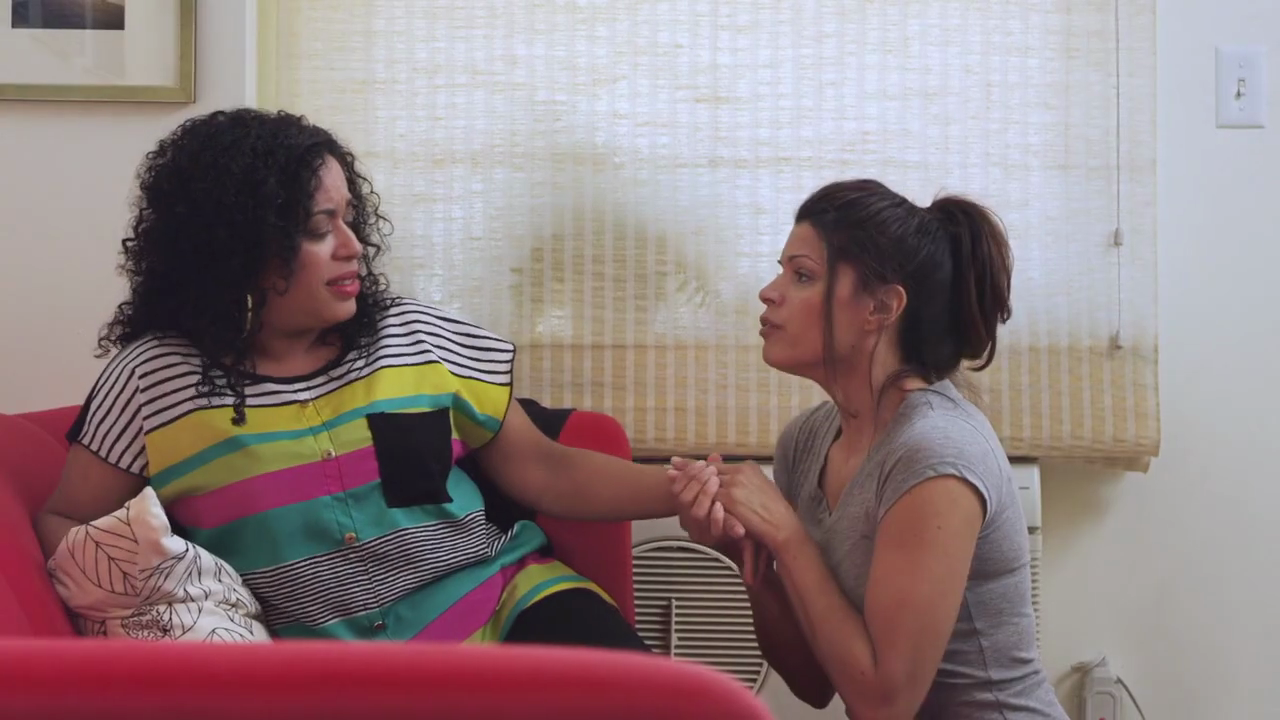
The premise is deceptively simple. A Latina screenwriter, Lydia Maldonado, is told by an industry gatekeeper that her characters are “not likable enough” and “too ghetto,” and that she should aim for something more “ethnically ambiguous.” From there, the film cracks open into something more inventive. Lydia’s muses become literal, stepping out of her imagination and into her apartment, each one battling for survival, relevance, and screen time.
It begins with a clever fake-out. The film opens in screenlife mode before quickly expanding into a full cinematic space, a tonal shift that mirrors Lydia’s own internal fracture. It is a small stylistic choice that adds texture right out of the gate, signaling that this story is not interested in playing things straight.
At the center of it all is Marisol, played with electric confidence by Liza Colón-Zayas. Marisol is everything the industry note rejects. Loud, specific, unapologetically Latina. And that is precisely why she is indispensable. When Lydia contemplates cutting her, Marisol pushes back with the film’s core truth: “I am stuck in your brain cells because you think that’s who you are. I’m in your DNA.”
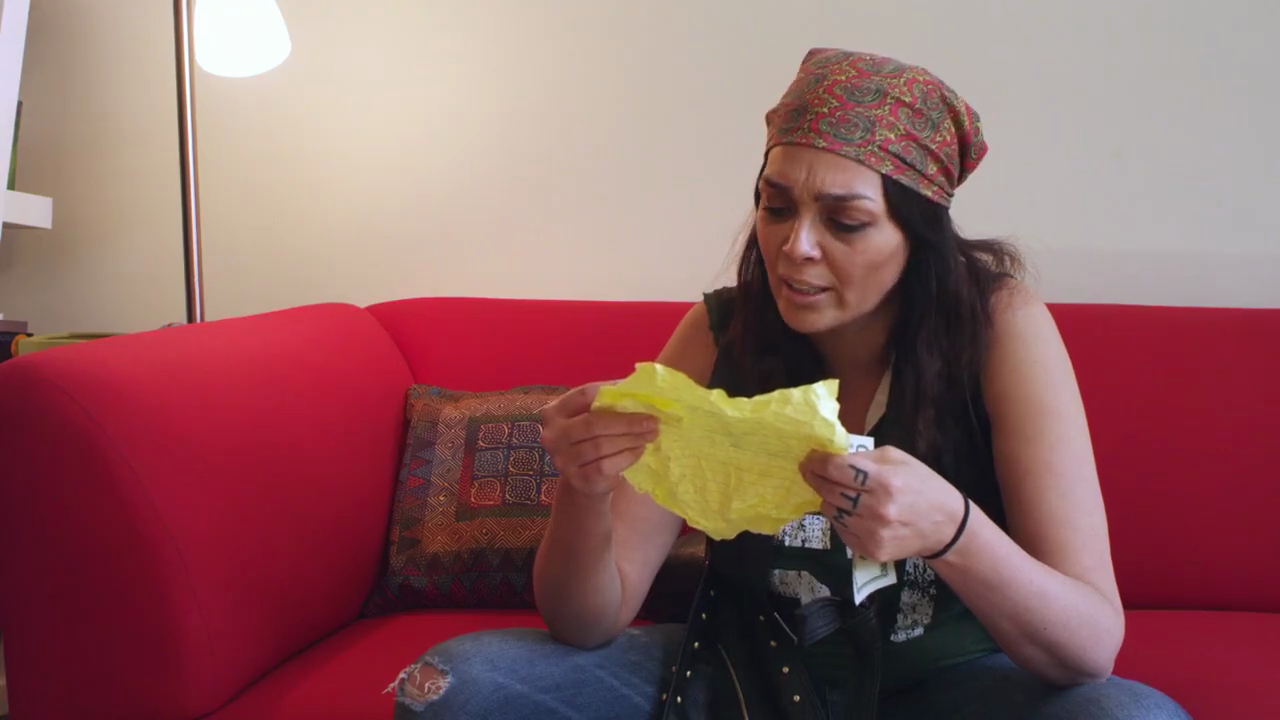
That line hits. Because Stereotypically Me understands something many industry conversations dance around. Representation is not just about what gets shown. It is about what gets erased in order to be accepted.
Andrea Navedo plays Lydia with a grounded anxiety that keeps the film from floating too far into sketch comedy territory. Her performance anchors the chaos. She is not just choosing between characters. She is negotiating her own identity as filtered through audience expectations, marketability, and survival. And survival is the keyword here.
The script is at its sharpest when it leans into satire that feels painfully close to reality. Notes about being “relatable to middle America” or needing to drop culturally specific details are not exaggerated. They are familiar. The film turns those notes into literal antagonists, embodied in cleaner, more “palatable” muses who promise success but feel hollow.
The introduction of Amanda, the polished, industry-friendly replacement muse, is where the film really locks into its groove. She arrives with the promise of “a hit screenplay” and “Oscar potential,” speaking the language of prestige while draining the individuality out of Lydia’s voice. It is both funny and a little terrifying.
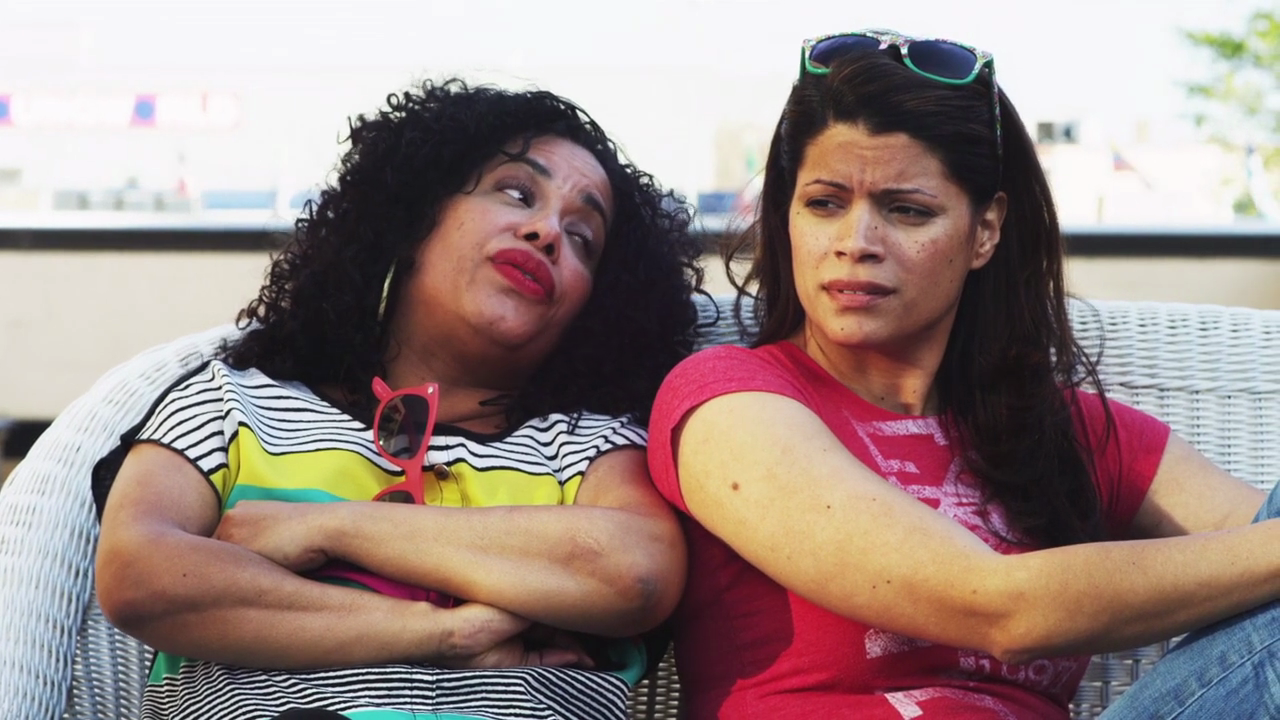
What gives the film its lift is how it balances that critique with humor that feels lived-in. The “chancleta” argument alone is worth the watch. It is ridiculous, specific, and completely grounded in cultural truth. The characters argue over whether something like a slipper joke is universal or only funny “to us,” exposing the gap between authenticity and accessibility.
And that is where the film quietly becomes something deeper than satire.
Because beneath the jokes, there is a real grief running through it. The idea that in order to succeed, a writer may have to kill the very voice that made them want to write in the first place. Marisol even warns Lydia that if she dies, “a little you has to die, too.” It is played for laughs, but it lands like a gut punch.
The ensemble is stacked, and everyone understands the assignment. Elaine Del Valle, Michelle Concha-Herko, and the rest of the cast bring distinct textures to each competing “voice,” turning Lydia’s mind into a chaotic writers’ room where every pitch is also a fight for existence.
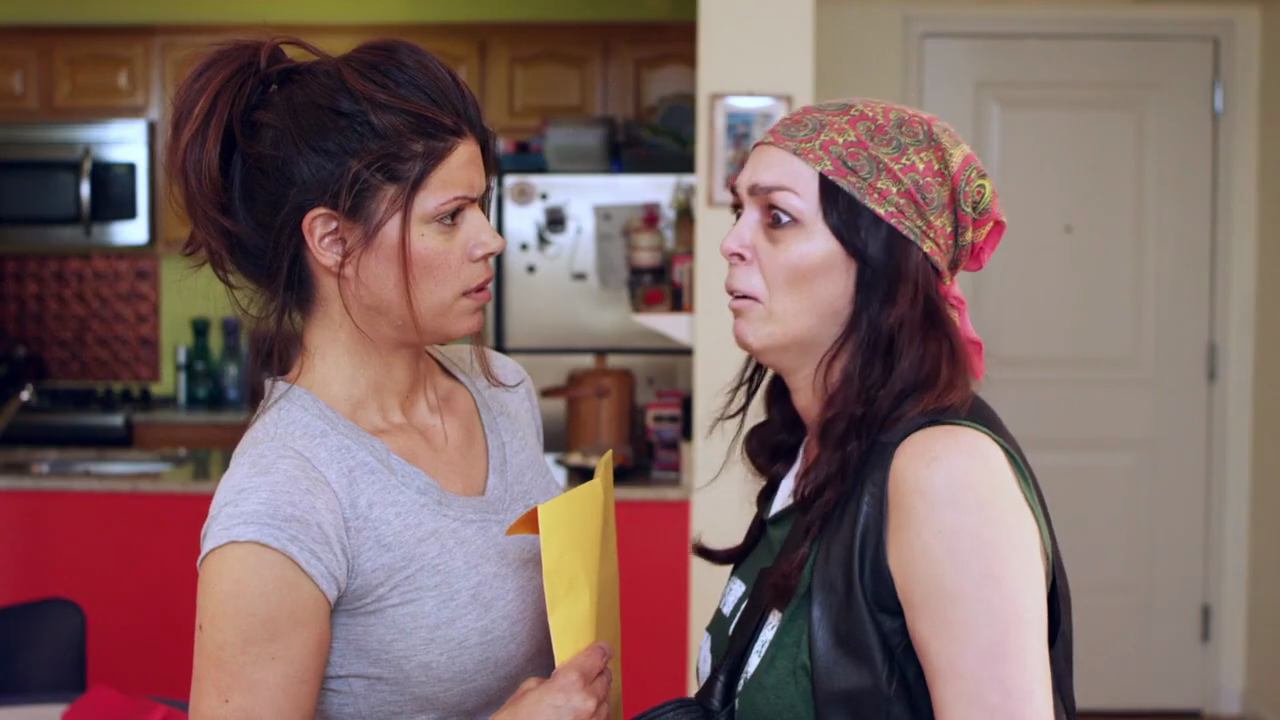
And yes, it is hard not to notice Liza Colón-Zayas here in a different gear. Long before her Emmy-winning turn on The Bear, she is already doing something special. Her Marisol is funny, messy, defiant, and impossible to ignore.
If the film has a weakness, it is that it sometimes leans into its sketch-like structure a bit too comfortably. Some of the side muses feel more like punchlines than fully realized arguments, and the pacing can feel slightly uneven as new characters pile in. But even those rough edges feel thematically appropriate. Lydia’s mind is cluttered, contradictory, and overwhelmed. The film mirrors that.
By the time Stereotypically Me lands on its final note, it does not offer a neat resolution. Instead, it suggests something harder. That maybe there is no pure version of self that survives untouched. That identity, especially as a creator of color, is always a negotiation. A conversation. A chorus of voices trying to decide who gets to speak. And maybe that is why the film lingers.
It is funny. It is sweet. It has bite. But more than anything, it feels honest. It captures that push and pull between authenticity and acceptance in a way that is both specific and universal.
To borrow a metaphor, this is not a clean, simple dish. It is a full plate. Messy, layered, full of flavor. The kind of thing that would lose everything interesting about it if you tried to make it more “palatable.” Linda Nieves-Powell did not just make a short film. She made an argument. And more than a decade later, it still tastes fresh.
Jessie Hobson