I kept hearing Robbie Smith being thrown around as “the next David Lynch,” half joking, half serious. After watching I Don’t Like It Here, I get it. Not because Smith is copying Lynch, but because he clearly understands how to weaponize mood, discomfort, and fragmented storytelling in a way that gets under your skin and stays there.
Right out of the gate, the film hooks you with grimy VHS footage that feels like something you shouldn’t be watching. It’s not just aesthetic either. The tape inserts are loaded with off-screen screams, wet, unpleasant sound design, and flashes of violence that never fully give you the relief of clarity. It’s the kind of horror that thrives on what you don’t see. Mixed into that is a steady, Carpenter-like score that hums beneath everything, building dread without ever needing to scream for attention.
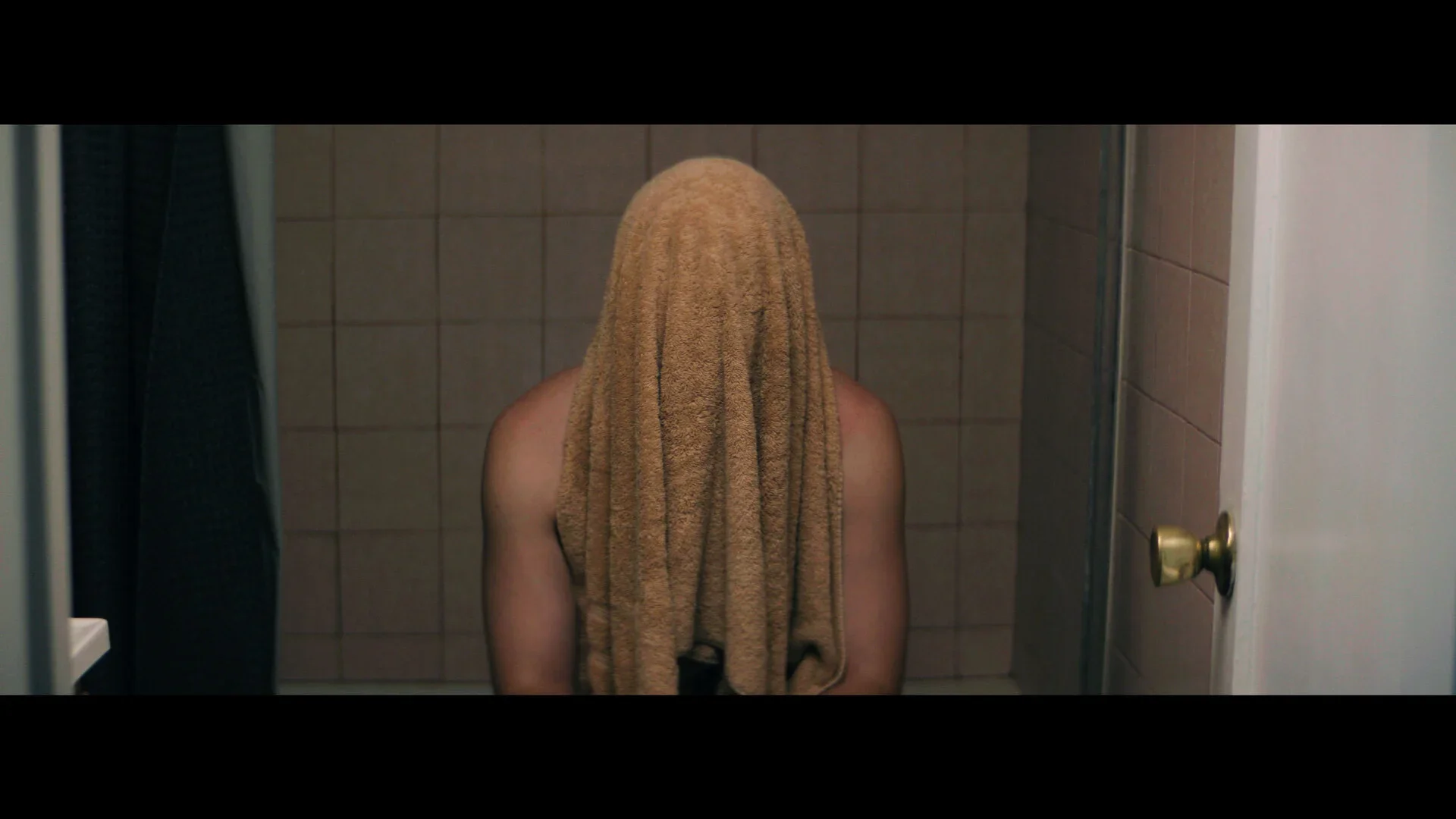
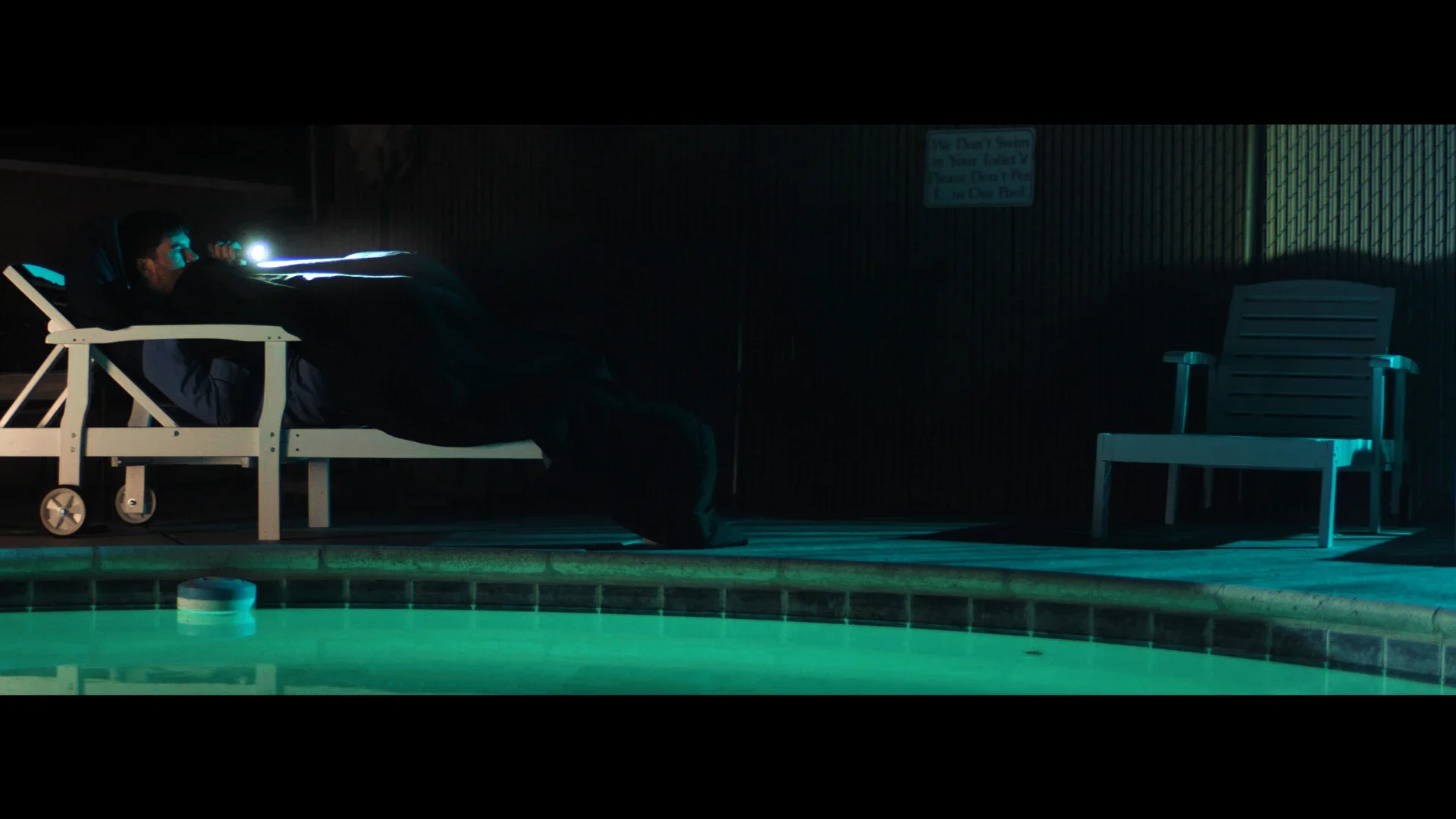
Visually, this thing punches way above its weight. Shot throughout California on a microscopic budget of under $20K, it still manages to feel intentionally composed and, at times, genuinely beautiful. The film has a strong sense of place, leaning into empty desert spaces and decaying interiors to create a world that feels abandoned but not quiet. There’s always something lurking just off-frame. Smith knows how to stage space, and more importantly, how to make you fear it.
Narratively, the film starts as a moody, ambiguous character piece. We follow Paul Verow, a recently paroled outsider returning to a hometown that clearly doesn’t want him back. The setup is simple but effective. Smith lets the tension simmer, occasionally puncturing it with quick, jarring glimpses of a masked figure in black carrying out brutal killings. These moments feel like transmissions from another movie bleeding into this one.
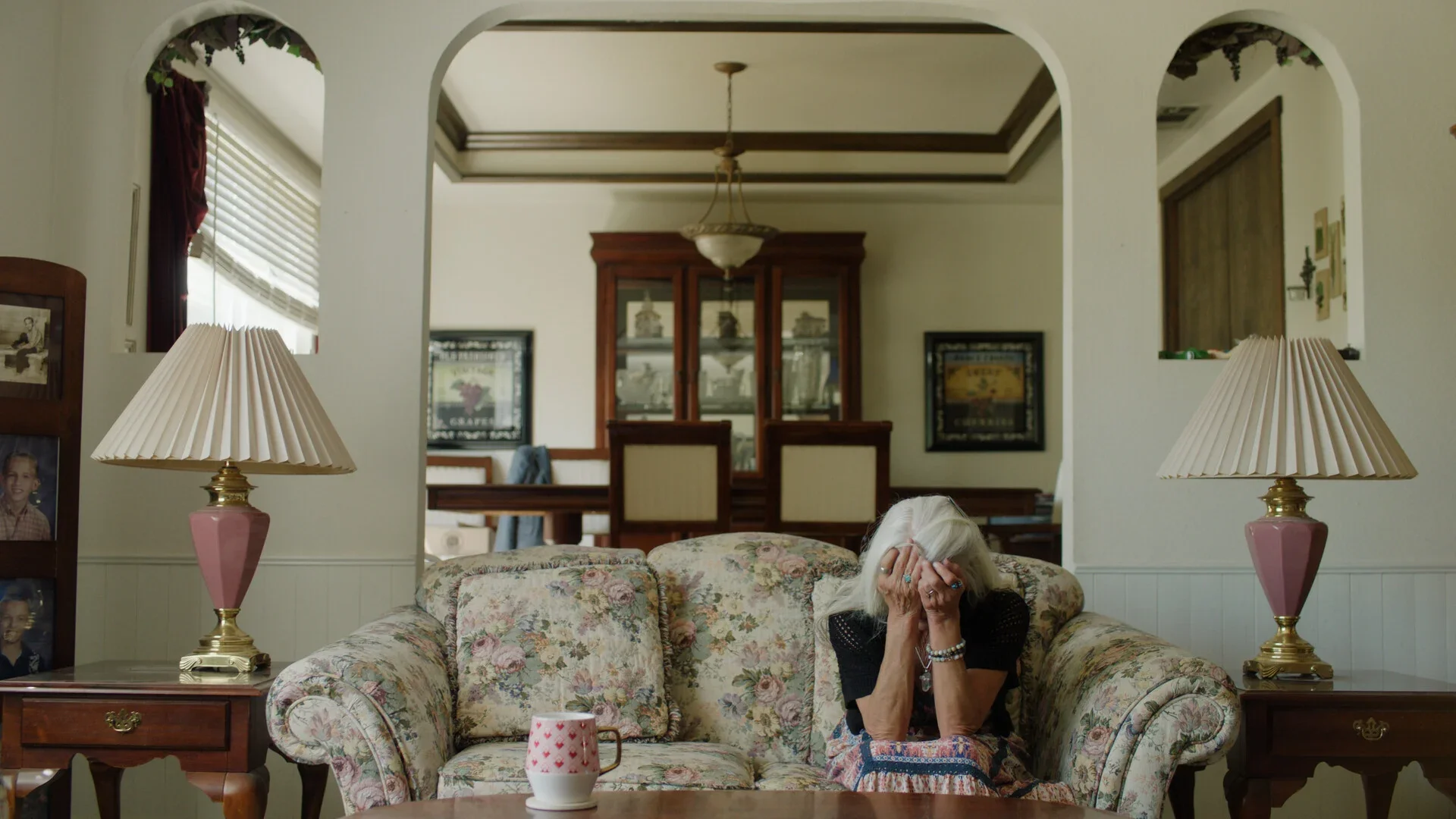
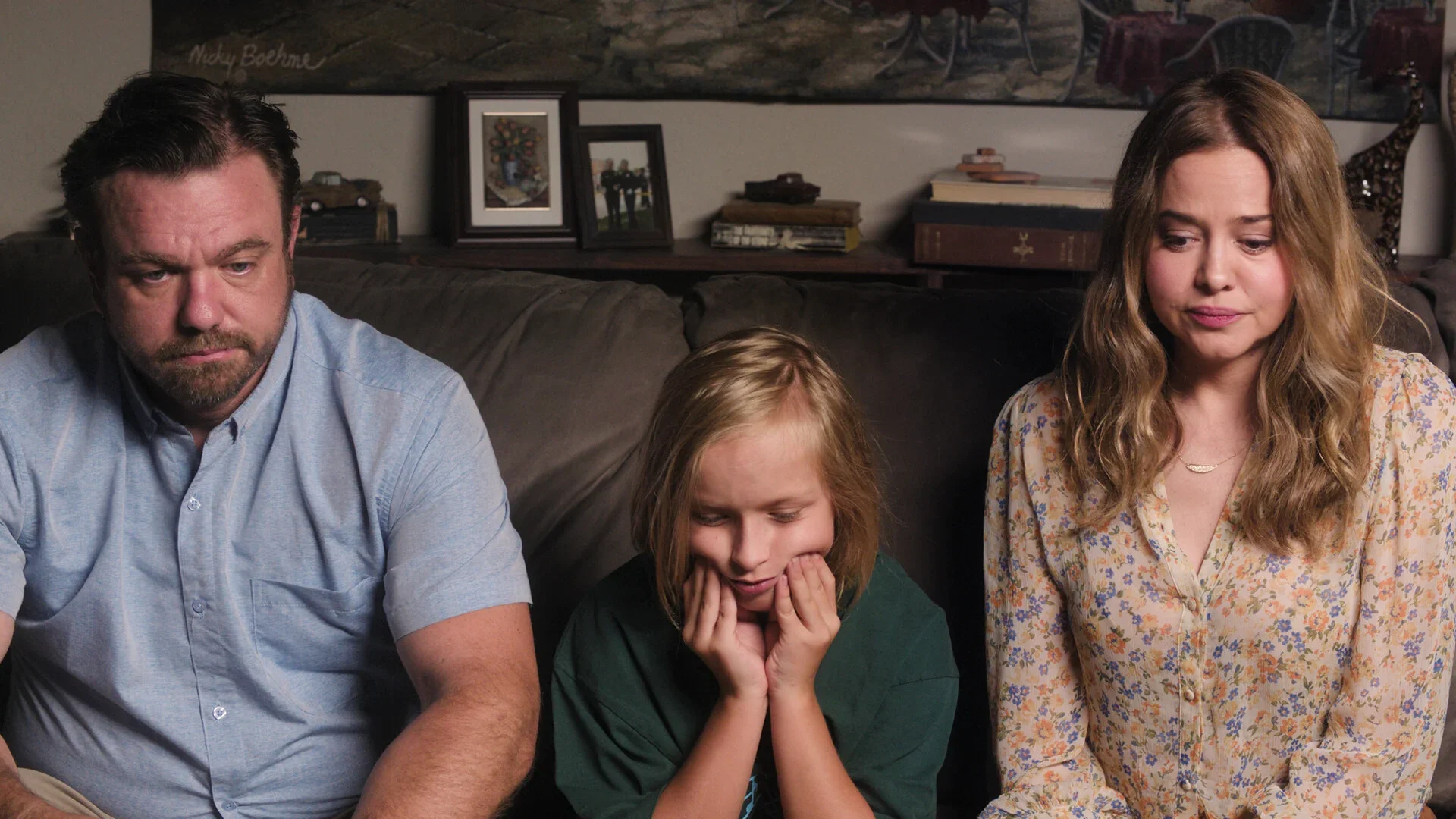
Then, about 25 minutes in, the film does something bold. It pivots hard into a full-on true crime mockumentary. Talking heads, archival-style footage, 911 dispatch audio, crime scene B-roll, newspaper clippings. The whole thing. And somehow, it works. Actually, it works really well.
The documentary portion feels eerily authentic, to the point where you start questioning what is real and what isn’t. The interviews sell the illusion, even if there are maybe a few too many of them to keep track of cleanly. Still, the density adds to the realism. Like you’re drowning in information without ever getting the full truth.
And then there are the tapes. These sequences are some of the most unsettling in the film. Distorted audio. Moaning, whispering, gasping. There’s technically a subtle sound bed underneath, so it’s not pure found footage, but it enhances the dread instead of breaking immersion. These moments dig into something primal and gross in a way that feels intentional rather than edgy for the sake of it.
What makes I Don’t Like It Here stand out is how well these different modes talk to each other. The narrative gives you a mystery. The documentary reframes that mystery with context and makes it worse. Then the film snaps back into story mode for a finale that actually earns its payoff. And that payoff works.
No cheating, no lazy twist. Just a solid reveal backed by strong lighting choices and practical effects that hit harder than you’d expect from a film at this scale. It’s messy, violent, and tactile in all the right ways.
Even the details are on point. The end credits feature hand-painted names, which is such a small touch but perfectly in line with the film’s DIY, slightly unhinged personality.
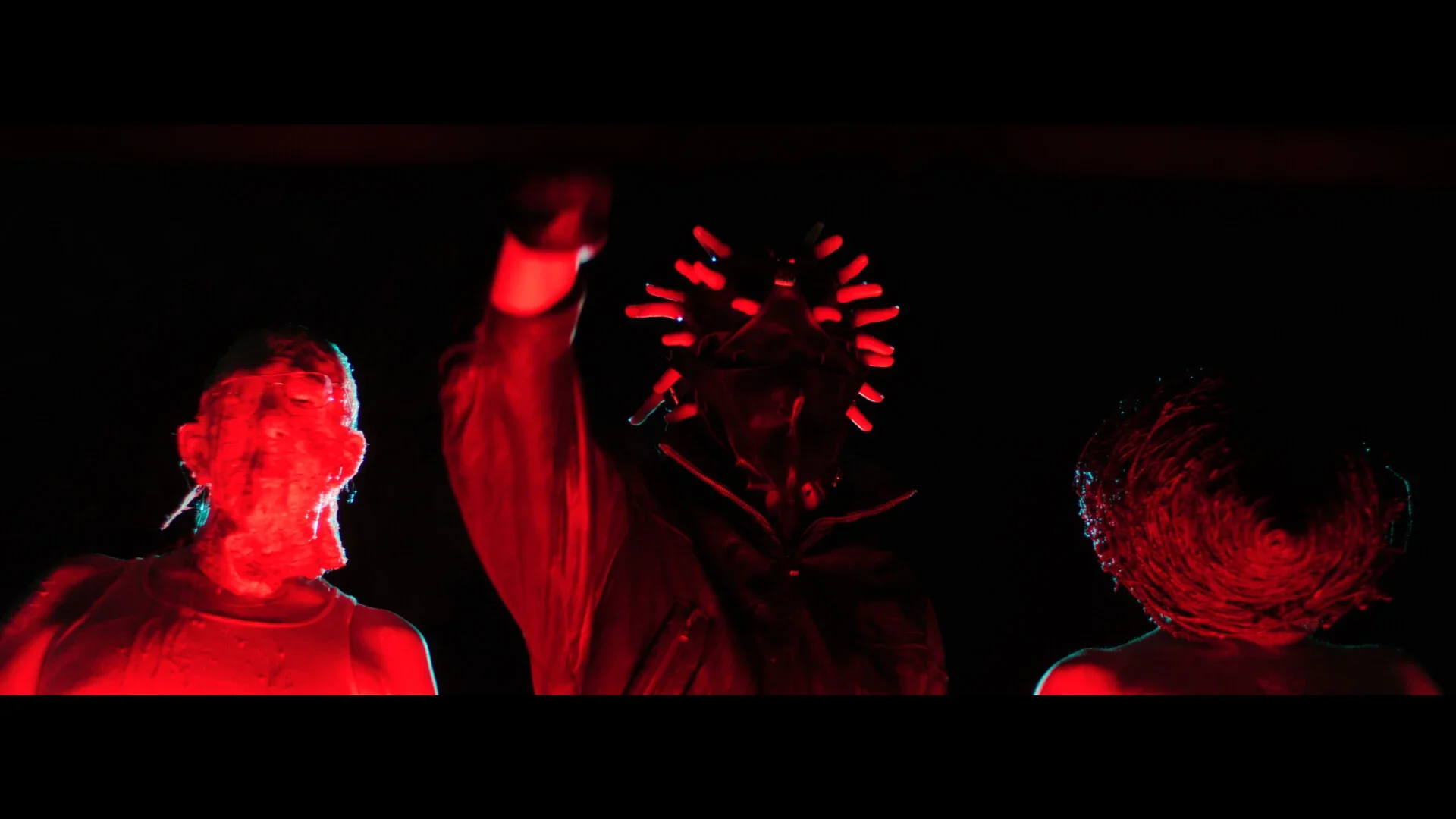
At its core, this is an experimental horror film that understands structure more than most polished studio releases. It knows when to pull you in, when to disorient you, and when to let the horror fully bloom. That balancing act between ambiguity and payoff is tough, and Smith mostly nails it.
Is it perfect? No. The mockumentary section can feel a bit overcrowded with interview subjects, and the hybrid format might not work for everyone. But if you’re willing to meet it halfway, there’s something genuinely haunting here.
I Don't Like It Here is currently streaming on Screambox, and for anyone who appreciates indie horror that takes risks and sticks the landing, it's well worth a watch. Robbie Smith may not be the next Lynch, but he's carving out a voice that's distinctly his own—strange, unsettling, and impossible to ignore.
Jessie Hobson