
There’s a specific kind of dread that comes from watching someone make a bad decision that feels almost reasonable. Self Driver thrives in that space. It starts grounded, almost painfully familiar, before tightening the screws until you realize you’ve been dragged somewhere much darker than expected.
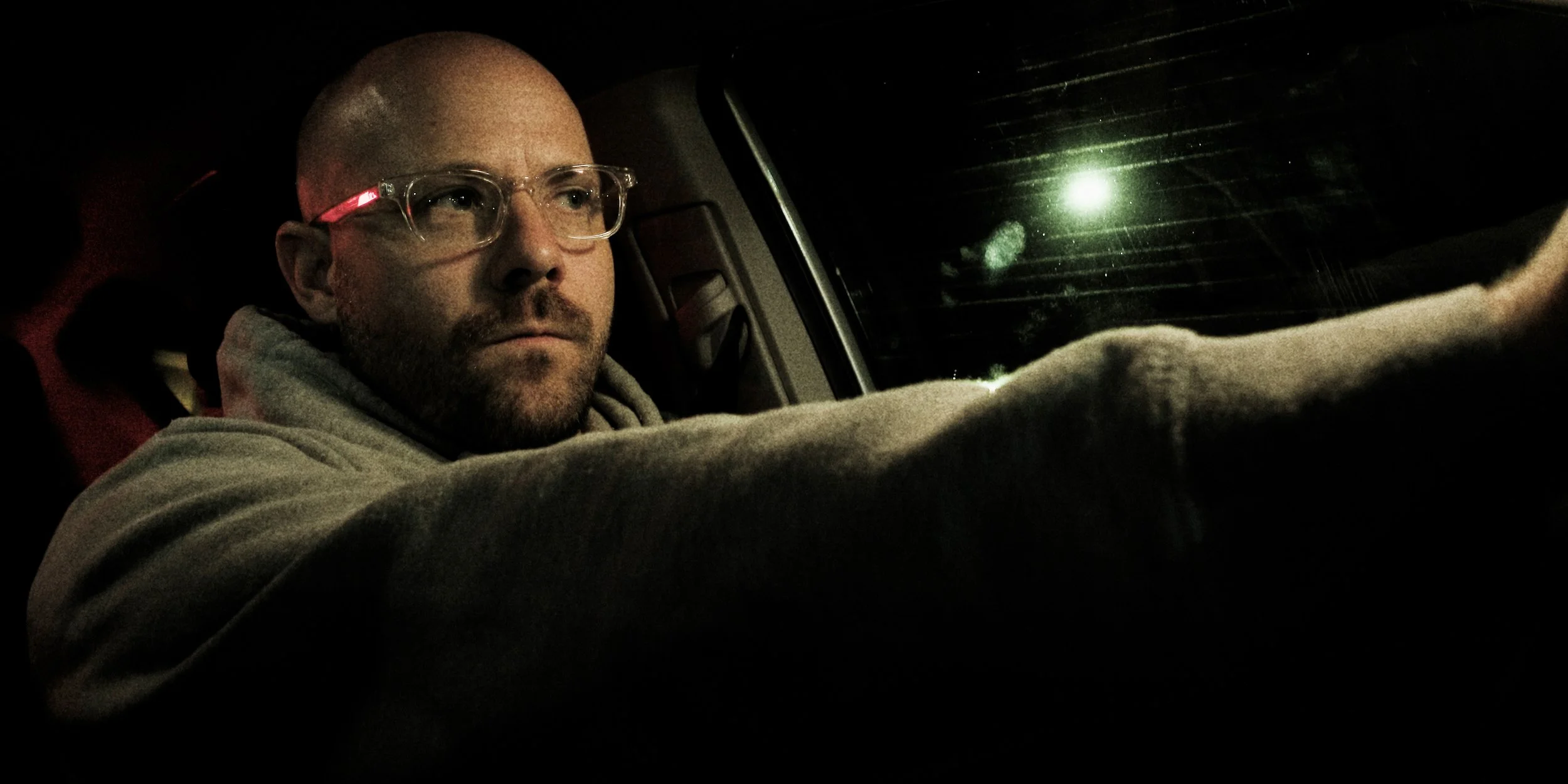
The setup is simple and effective. A down-on-his-luck cab driver, drowning in bills and the quiet panic of modern living, gets pulled into a new rideshare-style app that promises quick money with a few extra rules. It feels like a lifeline. It is not.
What immediately works is how relatable everything feels out of the gate. The film takes its time, maybe a little too much time, but it earns your investment. You sit with this guy as he struggles with customer service calls that go nowhere and tries to land exactly on a $30 gas fill, only to go a few cents over. It’s small, frustrating, lived-in stuff. The kind that builds instant empathy. By the time the mysterious app enters the picture, you already understand why he says yes. From there, Self Driver becomes something else entirely.
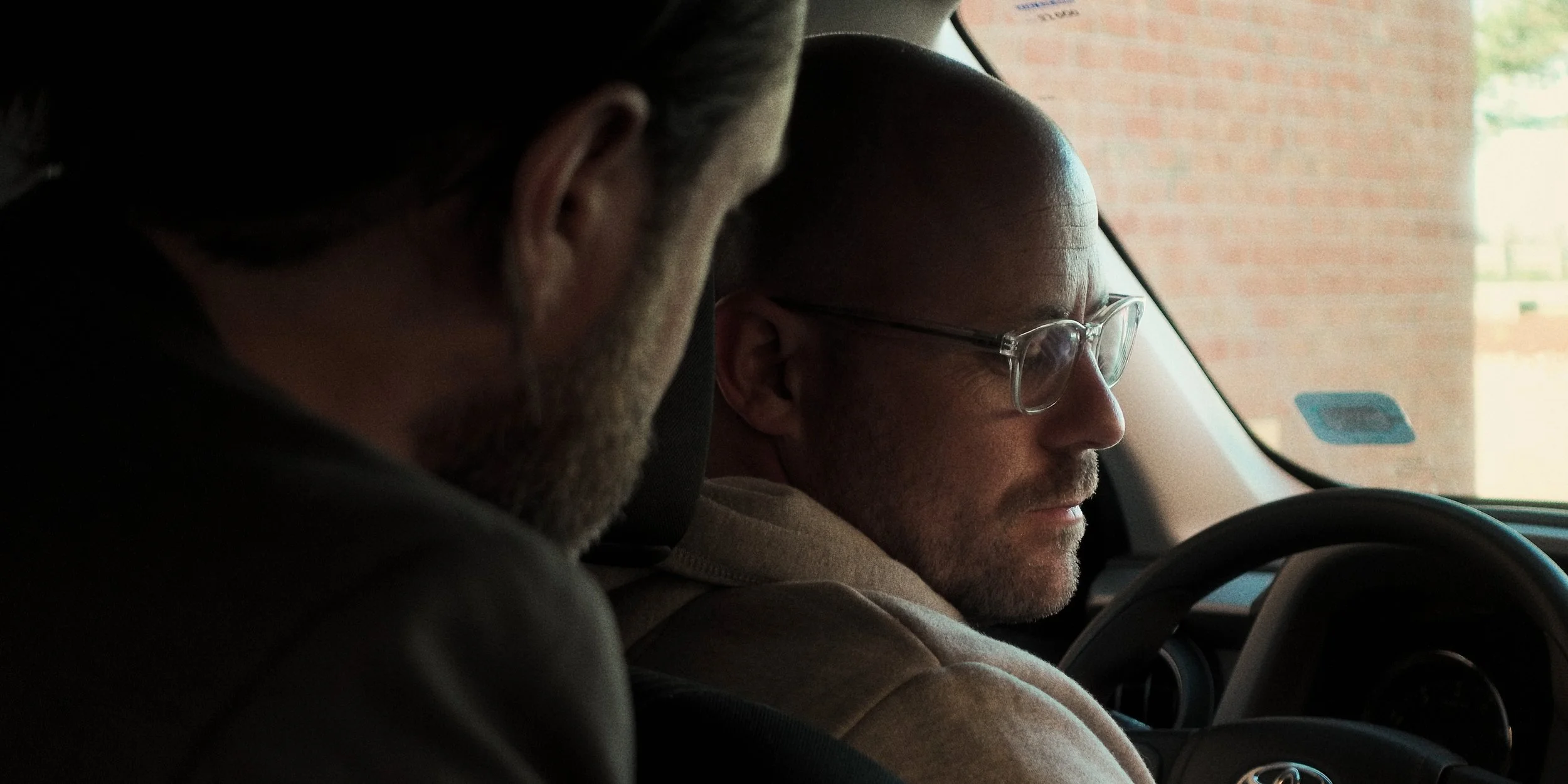
The structure leans into a chamber piece rhythm, with each new passenger acting as a chapter and a test. The rules of the app evolve as the night goes on, and not in a good way. Each ride adds a new layer of discomfort, raising the stakes just enough to keep you off balance. The film starts flirting with something like Nerve before sliding into territory that feels closer to Cheap Thrills, where morality becomes negotiable if the price is right. And it works.
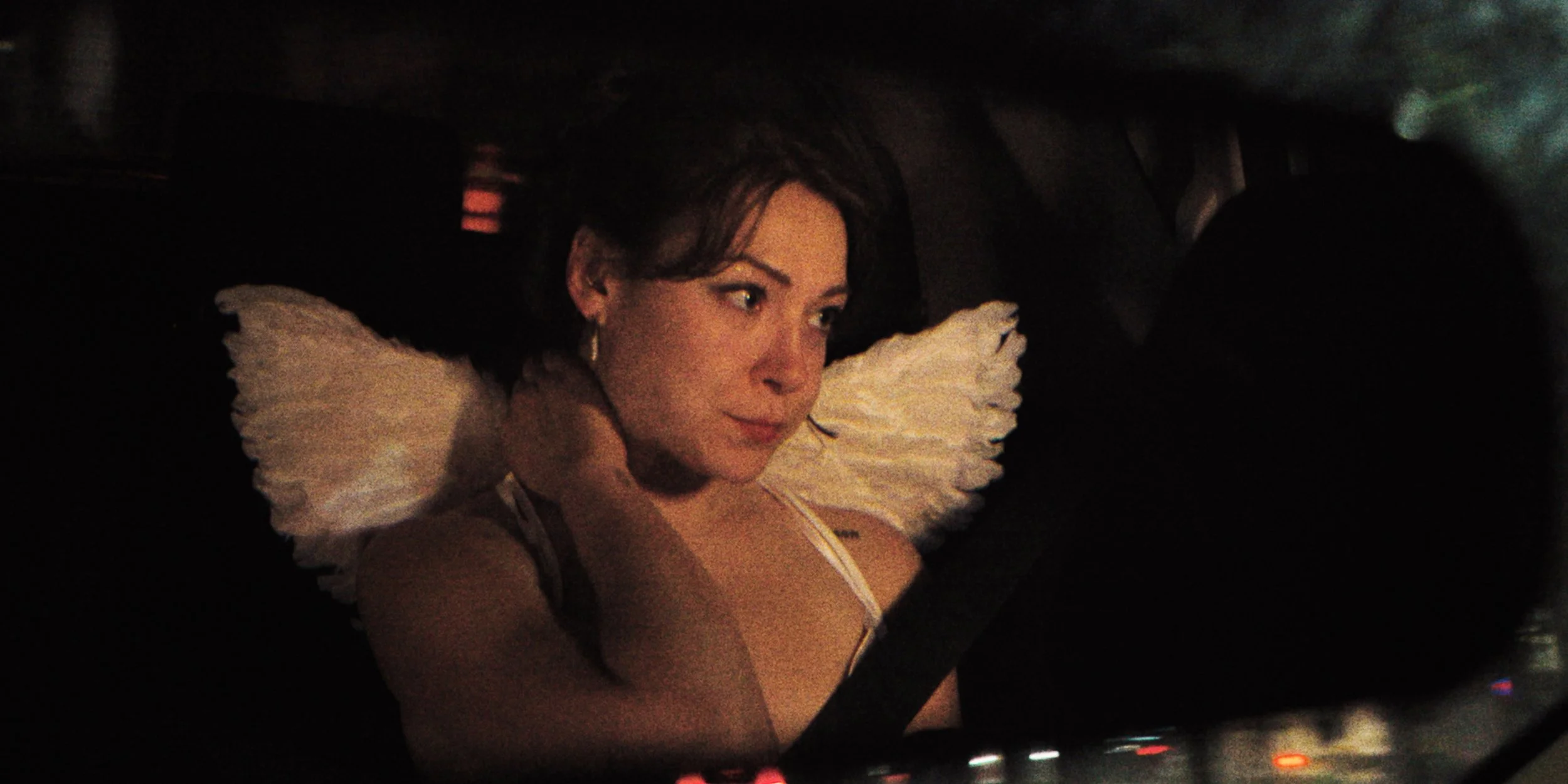
A big part of that comes down to performance. Nathanael Chadwick carries the film with a quiet, anxious energy that never lets you relax. You feel every decision through him, even when you’re begging him to stop. The supporting players, popping in and out of the car, bring their own tension spikes, especially one standout passenger who calls himself “the cuckoo.” His conversation with the driver is oddly philosophical, unsettling in a way that sticks with you longer than you expect.
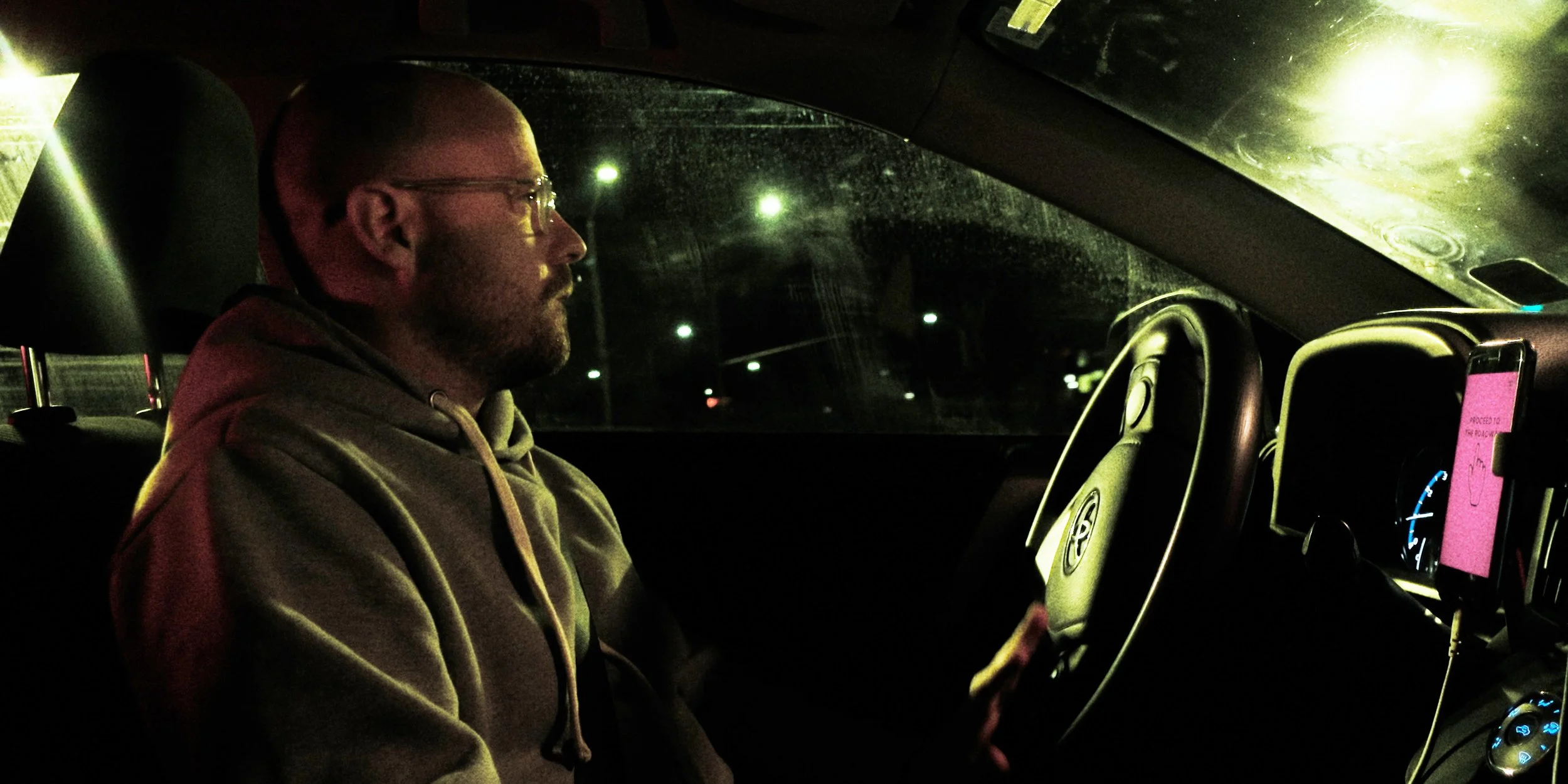
As the night spirals, the film tightens its grip. The tone shifts from grounded realism to something far more sinister, but it never feels like a jump. It’s a slow boil. The rules get sharper, the asks get uglier, and the line keeps moving. The question stops being how much money he can make and becomes what he’s willing to do to keep going.
Technically, the film leans into its low-budget, guerrilla style and turns it into an advantage. Shot on the streets at night with a stripped-down setup, there’s an authenticity to the city that gives the film texture. It feels alive. The score quietly builds tension underneath it all, never overpowering but always present, pushing you further into the unease.
If there’s a knock, it’s that the opening stretch may test some patience. The slow start is intentional, but not everyone will click with the pacing right away. Still, once the engine turns over, it doesn’t let up.
What really lands is the sense of escalation. Every pickup feels like a gamble. Every drop-off feels like a compromise. By the time the film reaches its final stretch, you’re fully locked in, not because you want to see what happens, but because you need to know how far this is going to go.
Self Driver is a dark, lean thriller that understands exactly what it’s doing. It takes a familiar gig economy nightmare and pushes it to its logical extreme, asking a question that feels uncomfortably relevant: if you had nothing left to lose, what would you agree to?
It’s a wild ride and a genuinely tense one. One of the better entries in the “rides gone wrong” subgenre, and an easy recommendation if you like your thrillers stripped down, mean, and uncomfortably close to reality.
Jessie Hobson