
What can you really say about David Morse that has not already been said? The man is one of the best in the game, plain and simple. From The Green Mile to The Rock, Contact, and The Hurt Locker, Morse has quietly built one of the most respected careers in film. He does not just show up; he elevates everything he is in. Getting the chance to sit down and talk with him was not just cool; it genuinely felt like a blessing.
With Broken Land, Morse steps into the role of Carson, a reclusive rancher living on the Texas border, a man shaped and shattered by his past. On paper, Carson might not immediately jump out as a flashy role, but that is exactly what drew Morse in. He admitted that the character is hard to explain at first glance, saying he “doesn’t sound compelling,” yet for Morse, there was something undeniable there. What hooked him was the idea of a man with “a heartbreaking history” who had once been something special, only to be crushed by circumstance, left believing he is beyond saving. That internal collapse becomes the heartbeat of the performance, especially as Carson begins to discover a kind of hope that he never thought possible.
That evolution is what makes Morse so effective here. Carson is not played as a hardened stereotype. Instead, Morse reframes him entirely, explaining that he never saw the character as cold or tough in the traditional sense. He saw him as protective, someone “protecting something really wounded in himself,” someone who has already endured enough pain that he cannot afford to be hurt again. It is that emotional shielding, that quiet retreat from the world, that defines Carson more than anything else. And as the story unfolds, it is not some grand heroic arc that pulls him back. It is human connection.
A huge part of that comes from Morse’s on-screen dynamic with Jaklyn Bejarano, who plays Irene. Morse was quick to highlight her impact, describing her presence as “so beautifully alive,” noting that her performance actively helped shape his own. You can feel that push and pull in the film, a gradual breaking down of walls, where silence and glances often say more than dialogue ever could. It is a testament to Morse’s style as an actor, always grounded, always listening, always reacting.
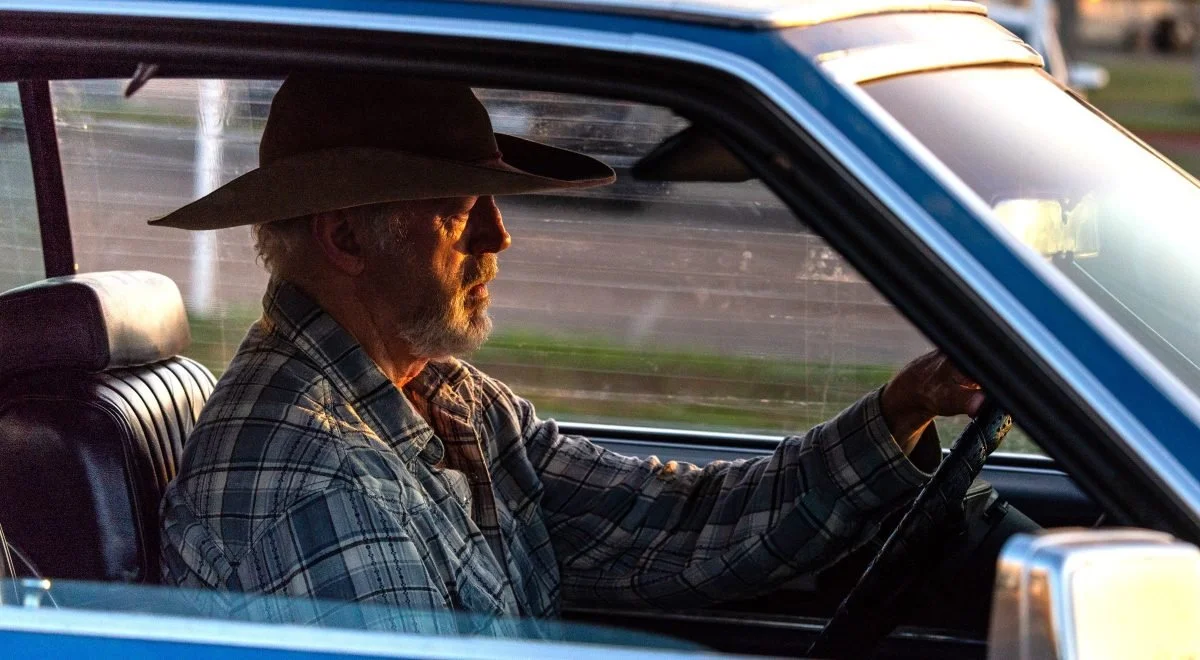
The environment plays just as big a role. Broken Land was shot on a real ranch in South Texas, and that authenticity seeps into every frame. Morse leaned fully into that experience, actually living and working in the environment during production. He spoke about handling the animals, spending time with the land, and letting it all soak in, saying that being there physically added immensely to his connection to the role. What once felt foreign to him became something he deeply understood. Before filming, he admitted he had driven through similar terrain and could not wait to leave, wondering why anyone would live there. But after immersing himself in it, that perspective completely flipped. He found himself appreciating the beauty and the rhythm of that world, saying he grew to “really get it” and even love it.
That shift feeds directly into the performance. The land itself feels like a character, worn down yet stubbornly alive, mirroring Carson in a lot of ways. It is that kind of layered storytelling that Morse has always gravitated toward. When talking about his career, he made it clear that he has never been interested in simple characters. He is drawn to people who go through something, who cannot easily be labeled as good or bad. As he put it, the more complicated a character is, the happier he is to play them. Carson fits squarely into that lane, another deeply human figure added to a long list of unforgettable performances.
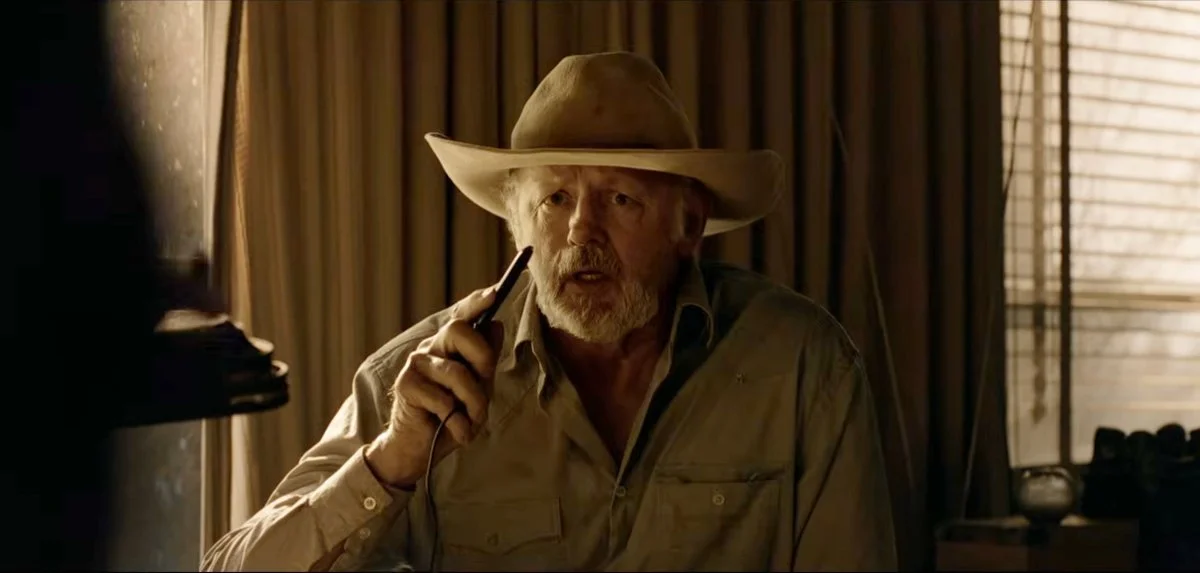
Still, Broken Land stands out because of its quiet power. It does not rely on spectacle or heavy-handed messaging. Instead, it leans into something more intimate, the unexpected connection between two people who, by all logic, should never understand each other. Morse described that element as the core of what he hopes audiences take away. He wants viewers to feel like they have gone somewhere new, met people they might not otherwise encounter, and experienced a kind of connection that surprises them. At its heart, he sees the film as an exploration of “this unexpected sort of love that happens between two people you just couldn’t imagine it between.”
That is where Morse thrives. He brings empathy into spaces where it would be easier to lean into judgment. He finds humanity in characters who are broken, guarded, or lost, and reminds us there is always something more beneath the surface.
Talking with David Morse, it is clear he is still just as passionate about the work as ever. No ego, no pretense, just a deep respect for storytelling and the people behind it. And with Broken Land, he delivers once again, another performance that does not scream for attention but absolutely earns it. Some actors chase moments. David Morse creates them.
Jessie Hobson