
Spending time talking with Alec Bonk and George Fearing, it becomes immediately clear that Blind Cop 2 is not just a weird idea that somehow worked. It is the result of a very specific mindset, one that treats even the most absurd concept like it matters. That approach is what gives the film its strange balance of over-the-top humor and genuine emotional weight, and hearing them break it down only reinforces how intentional all of it really was.
At its core, the idea itself feels like a joke that somehow got out of hand in the best way. Bonk traces it back to something much smaller, explaining that he originally made “a Blind Cop trailer in high school… a trailer to a movie that never existed,” and it stuck with him long enough to eventually evolve into a full project. What started as a one-off concept turned into a full-blown feature once he and his collaborators realized they could push it even further, leaning into both the absurdity and the nostalgia. Rather than just parody the endless wave of sequels and reboots, Bonk saw an opportunity to comment on it in a way Hollywood could not by making “a sequel to a movie that doesn’t exist.”
That mindset carries through the entire film, but what is interesting is how quickly it stops feeling like a parody when you talk to the people who made it. Bonk makes it clear that even though the concept is ridiculous, the goal was never to treat it like a joke. The team approached the film with a kind of seriousness that feels almost counterintuitive, leaning into the idea that if they committed fully, the humor would come naturally. As he puts it, the philosophy on set was simple. “We’re going to treat this like the most serious thing we’ve ever made.” That mentality is where George Fearing steps in and completely reshapes the tone of the film.
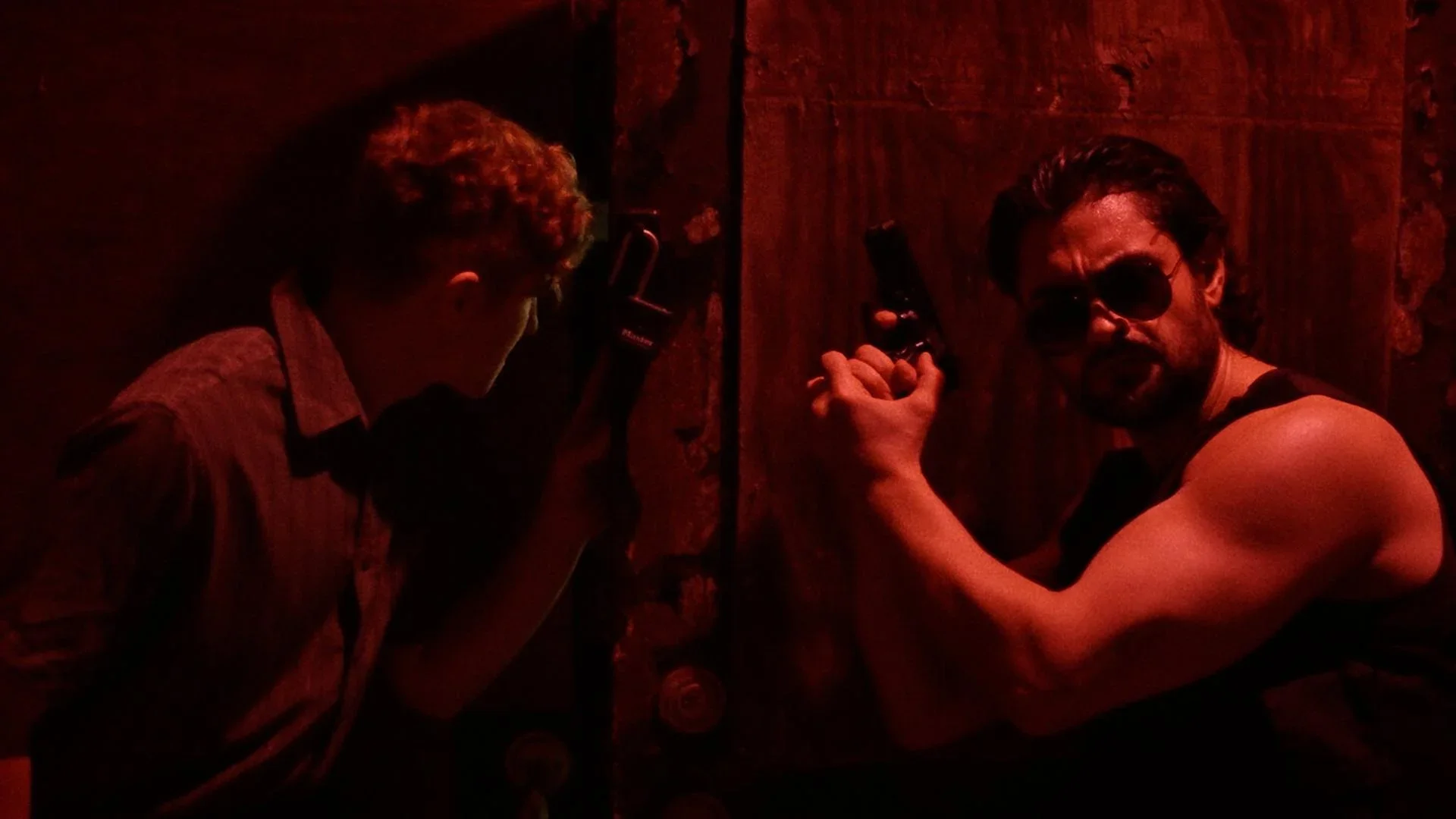
Meeting Fearing, it is almost funny how different he is from the character he plays. Blind Cop is loud, intense, and completely unhinged in the best way, while Fearing comes across thoughtful, measured, and deeply invested in the craft. That contrast explains a lot about why the performance works. Instead of leaning into the joke, he approached the role with total sincerity, explaining that he never saw another way to play it. “I don’t know how to play this any other way than life or death… it needed to be that serious for it to work,” he says, emphasizing that the absurdity comes from the situation, not the performance.
That approach becomes the backbone of Blind Cop 2. The humor lands because nobody is trying to sell it as humor. Fearing describes it in the simplest way possible. Playing it completely straight is what draws people in, and anything less would have undercut the entire film. It is a risky choice, but it is also what separates the movie from something that could have easily fallen apart.
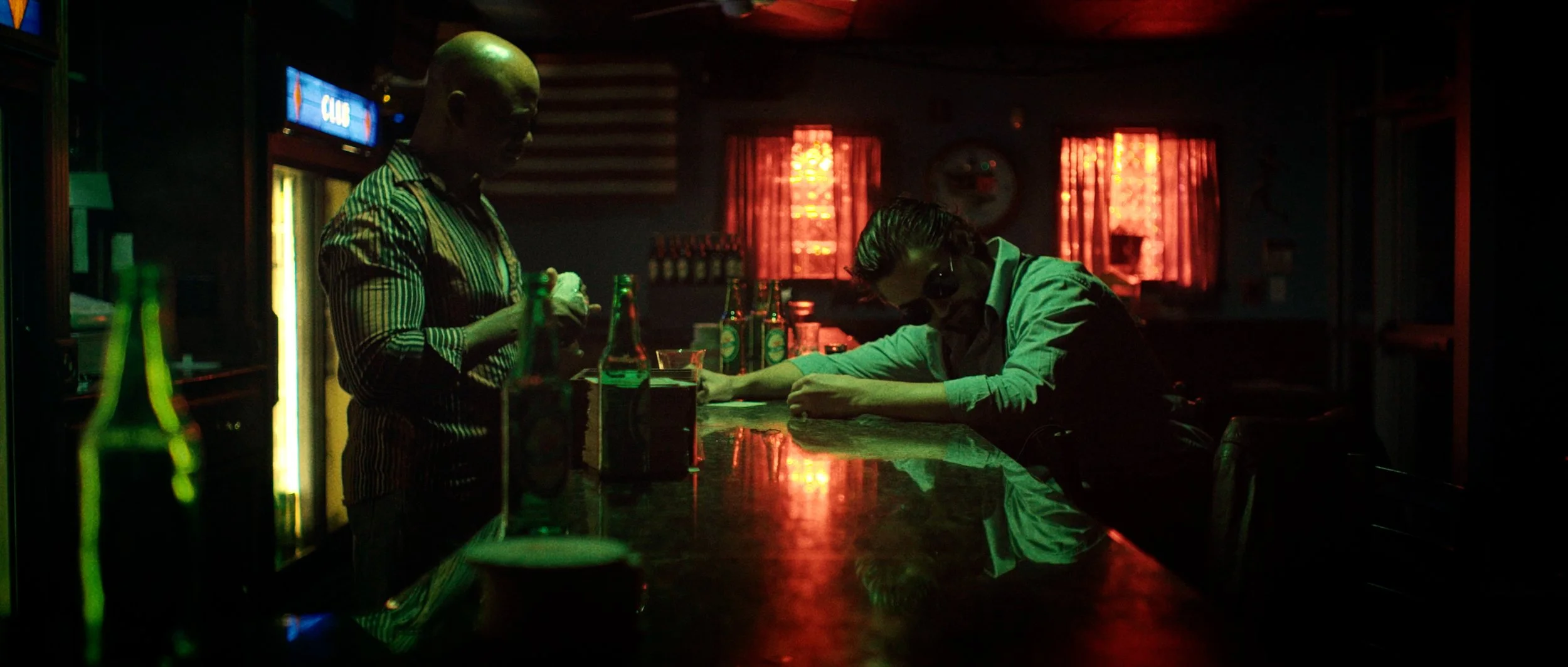
For Bonk, that shift happened naturally once Fearing stepped into the role. Early versions of the script leaned more into parody, something closer to exaggerated comedy, but that changed as the project evolved. He admits that casting Fearing pushed the film into a new lane entirely, allowing them to “lean into that” seriousness and build something that could stand on its own as an action film, even within the constraints of what he openly calls a “very, very microbudget.” And that microbudget reality is part of what makes the whole story even more impressive.
Bonk pulled this film together right out of college, alongside a team of collaborators who stuck with the project for years. What could have easily been a quick indie experiment turned into a six-year production built on pure commitment. Locations were improvised, permits were often nonexistent, and entire sequences were shot guerrilla-style just to make the scale feel bigger than it should. At one point, Bonk even laughs about filming dangerous driving scenes in real traffic, with actual cars passing around them, because they simply committed to doing it for real.
Fearing leaned fully into that physical side of the role as well, performing his own stunts and embracing the chaos of production. For him, the action was not just spectacle. It was a way to stay present in the moment, describing stunt work as something that takes you completely out of your head and forces you to react instinctively. That energy translates directly into the film, where the action feels raw and immediate rather than overly polished.
But what really grounds everything is the shared understanding between Bonk and Fearing of what these types of stories are actually about beneath the surface.
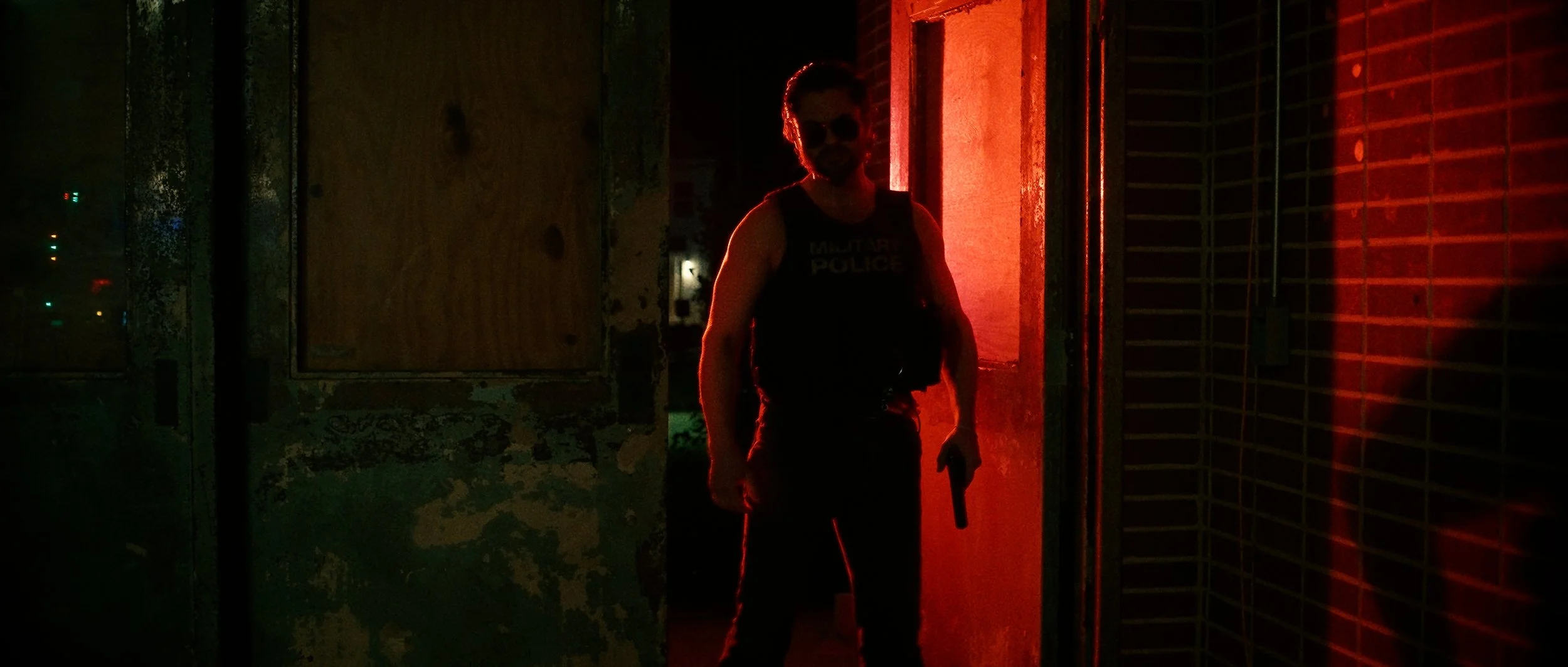
Fearing points out that so many classic action heroes carry this weight without it ever being explored, referencing how characters from films like Predator or Dirty Harry are shaped by trauma that is rarely addressed. With Blind Cop 2, they saw an opportunity to dig into that idea and expand on it. It is not just about the action. It is about understanding why these characters exist in the first place, and what drives them.
That perspective is what gives the film its emotional core, even when it is operating at its most ridiculous.
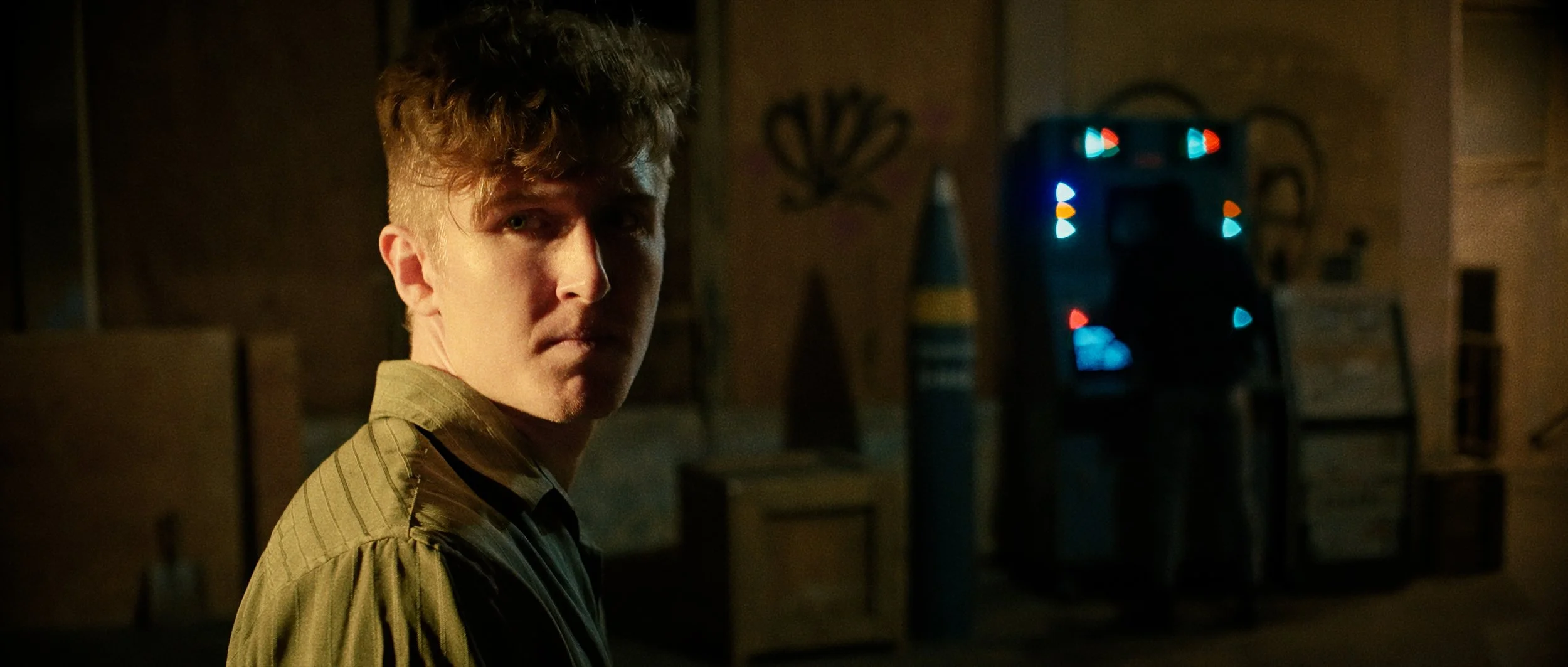
It also explains why the relationship between Blind Cop and Schmidty lands as well as it does. While the film is packed with big moments and wild ideas, both Bonk and Fearing recognize that the heart of the story comes from that dynamic. It is a gradual shift from distance to connection, something Fearing highlights as the real driving force behind the narrative. That evolution gives the movie a grounding point, allowing everything else to orbit around something human.
By the time the conversation wrapped, what stood out most was how much both of them care about what they made. This was not a quick project or a stepping stone. It was years of work, built piece by piece with a team that refused to let it go until it felt complete. Bonk emphasizes that persistence, pointing out how easy it would have been to walk away earlier, but instead they kept pushing every detail until it landed the way they wanted.
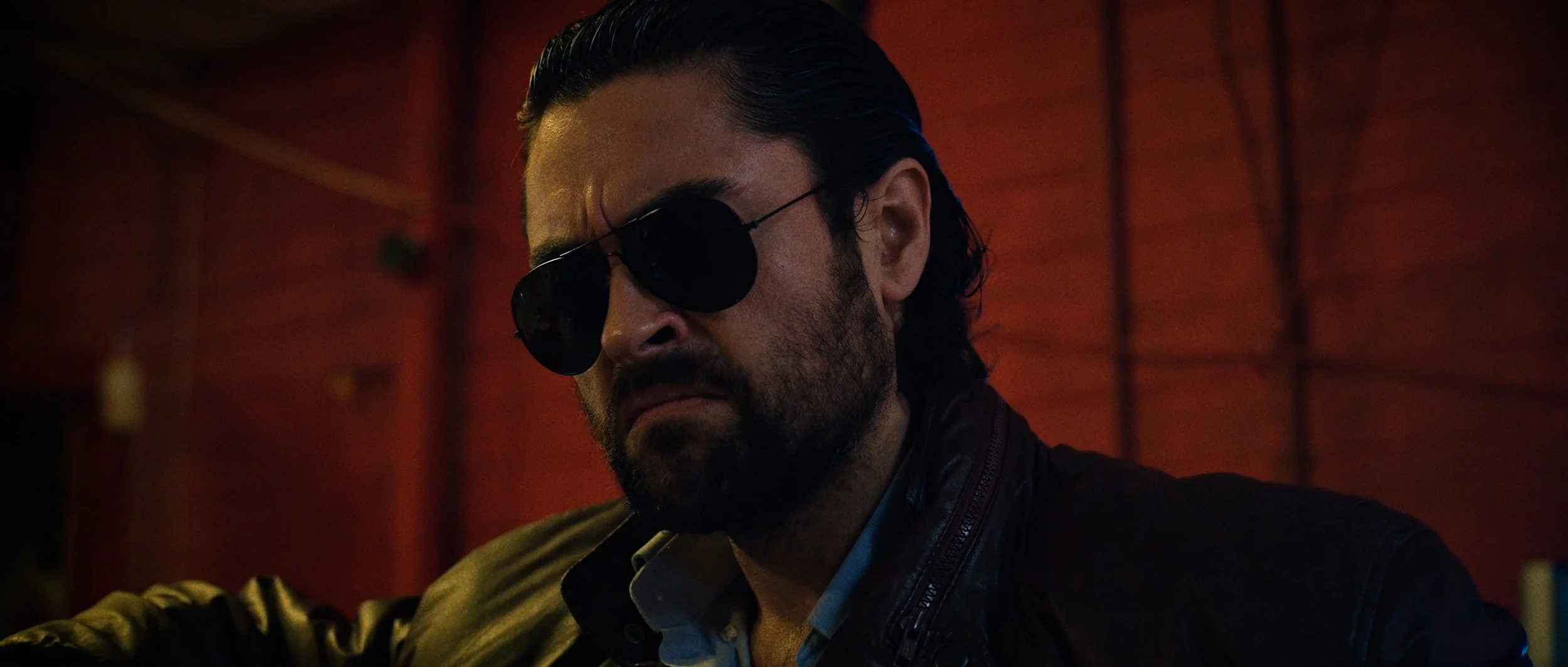
That level of commitment is what ultimately defines Blind Cop 2. It is chaotic, ridiculous, and completely committed to its own logic, but it is also built on a foundation of genuine passion.
And after spending time with Bonk and Fearing, it is hard not to feel that energy. I had a great time talking with both of them. There is something undeniably exciting about seeing a filmmaker pull something like this off right out of college, and even more so watching an actor like Fearing disappear into a character that could have easily been one-note but ends up feeling much more layered.
I am officially a fan. They may say they are unsure about doing another one, but honestly, I hope they change their minds. Either way, whatever comes next is absolutely worth watching.
Jessie Hobson