
What starts as a conversation about a horror movie quickly turns into something a lot more personal, a lot more honest, and honestly, a lot more powerful than you might be prepared for going in. And that tracks perfectly with Shadows of Willow Cabin, Fria’s feature debut that blends supernatural horror with something far more unsettling: real human trauma.
Fria did not set out just to make a horror film. He was chasing something deeper. As he told me, horror has always felt like the perfect vehicle to explore things that are harder to say out loud. He said he has always believed the genre is a way “to present deep truths, deep secrets, deep themes without hammering them over the head.” But in the process of making Shadows of Willow Cabin, something unexpected happened. The horror didn’t need to be forced. It was already there.
Because at its core, the film is about being trapped with your own reality. Or as Fria put it, “being trapped with your own trauma and not being able to run from it anymore is terrifying just as a concept.” That idea ends up being the backbone of the film, and it is where Shadows of Willow Cabin separates itself from standard genre fare. That authenticity comes directly from Fria’s own life.
During our conversation, he opened up about the long road that led him here. It is not a straight line. It starts with dance, moves through musical theater, and into acting, where he spent years chasing a version of success that ultimately did not fit. He explained that acting, while exciting at first, became “a very harmful thing for me psychologically and mentally.” That internal pressure spiraled, leading to substance abuse and a life that, by his own description, felt disconnected from who he really was.
At the same time, he was grappling with his identity. What began as experimentation in the middle of that chaos lingered longer than expected. He admitted that back then, he framed it as something else entirely, even referencing a line in the film that came directly from his own mindset, saying he “always thought of it more as an experiment.”
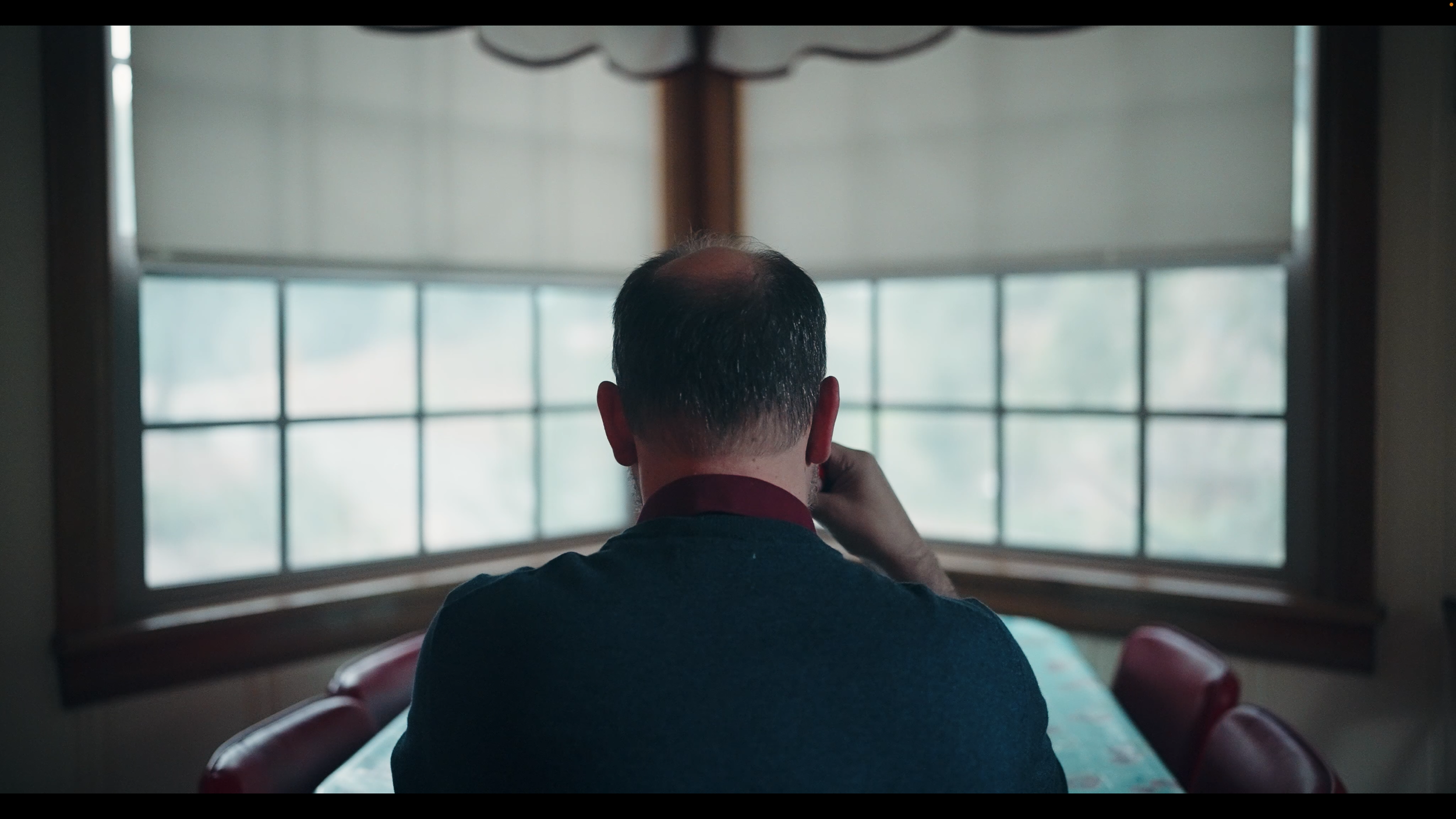
It was only after getting sober, with the help of therapy and a supportive partner, that things started to come into focus. He described it as unraveling years of shame, finally reaching a place of clarity about who he really is. And it was in that moment that Shadows of Willow Cabin was born.
The original idea was something smaller, even a bit playful. A haunted cabin, a couple, a ghost. But as Fria dug deeper, he realized that surface-level horror was not going to cut it. He needed something real to anchor it. So he made a choice that changed everything. He decided to pull from his own experiences, even if he initially thought he could keep that part hidden. That decision turned the script into something far more raw, far more personal.
What emerged was a story about two damaged people forced to confront themselves and each other, unable to escape the emotional weight they carry. It is intimate, messy, and honest in a way that feels lived in.
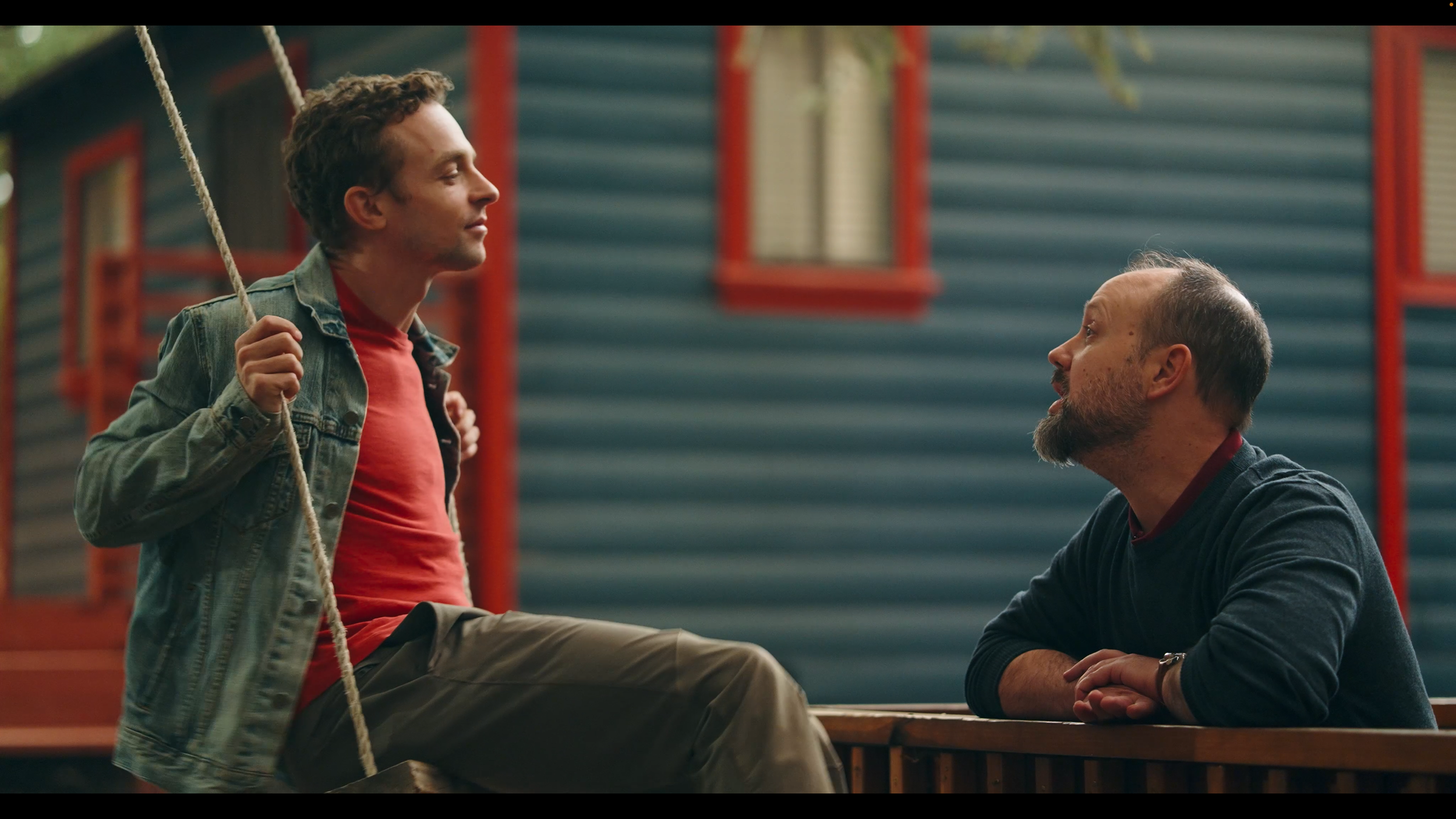
And in a twist that feels almost too fitting, Fria said it was not until after writing the film that he fully understood what it meant for him personally. The realization hit while working on a director’s statement, where he suddenly found himself writing something he had not said out loud before. He laughed about it in the moment, saying it just came out and left him asking himself where it even came from. But that moment cemented what this film truly was. It was not just a story. It was a turning point.
That level of vulnerability carries over into every part of the production. Fria wore just about every hat imaginable, writing, directing, producing, editing, and even stepping into art direction. Some of that came out of necessity, working with a tiny team of just seven people. But a lot of it came from his own creative drive. He described it as simply wanting to realize what he had in his head as completely as possible, diving into everything from prop design to learning editing software from scratch just to keep the project moving.
It sounds intense, and it was. But it also gave him something invaluable. He now understands every piece of the filmmaking process at a deeper level, something he sees as essential going forward.
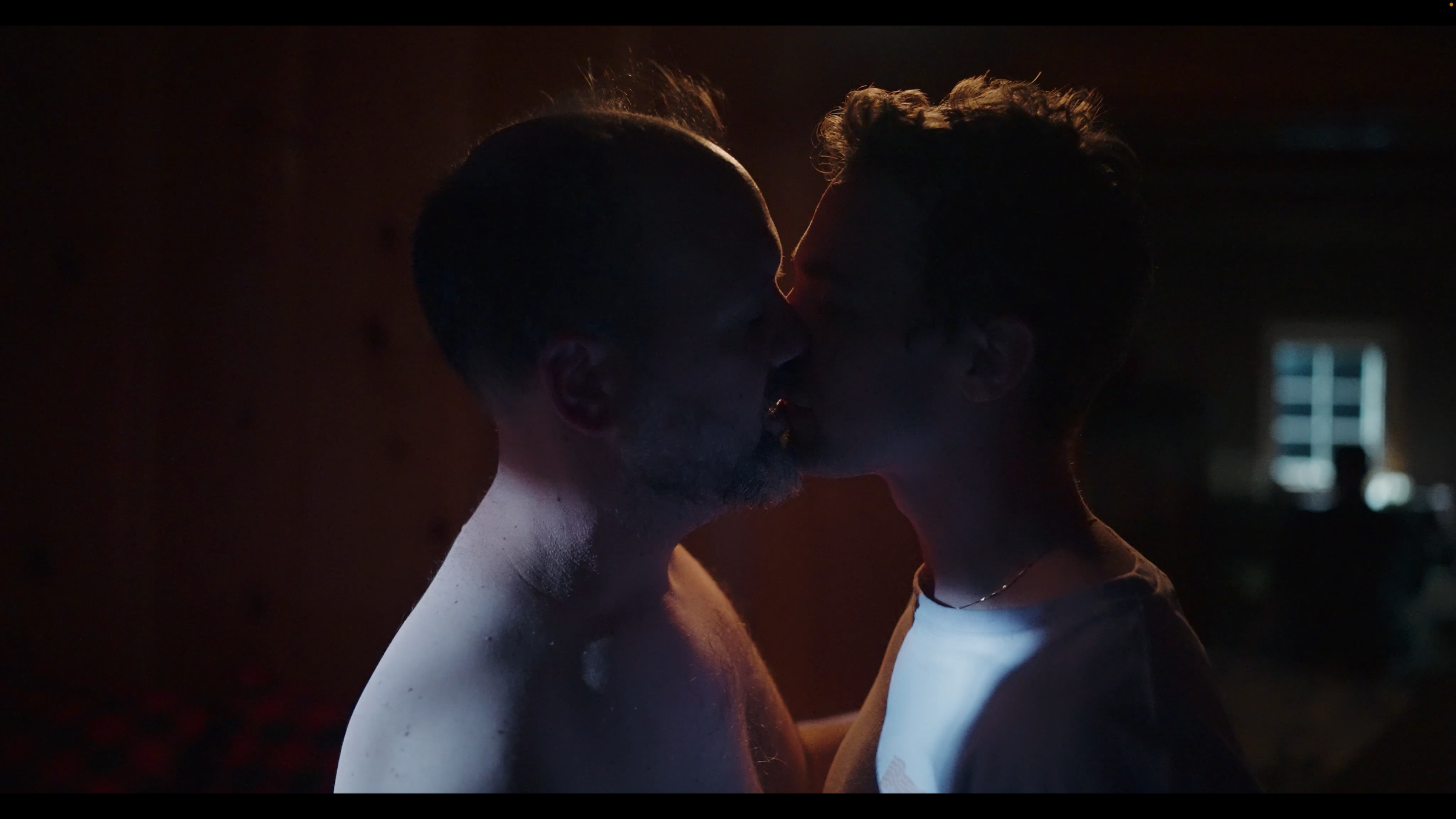
Where Fria really shines, though, is in how he works with actors. After years as a dubbing and voice director, he has developed what he jokingly calls a kind of “psychic connection” with performers. It is not about dictating a performance. It is about guiding actors in a way that allows them to find the truth organically. That approach pays off in a big way here, with Bryan Bellomo and John Brodsky delivering performances that are vulnerable, messy, and deeply human.
Fria acknowledged that the characters are flawed, even unlikable at times, but that is part of the point. The goal was not perfection. It was honesty. And by the end, you are not judging them. You are rooting for them.
When the film finally reached audiences, that honesty connected in a way Fria was not entirely prepared for. There was a lot of uncertainty going into those first screenings. Questions about whether the story would land, whether people would connect, whether his vision would resonate. Add in the emotional vulnerability behind the project, and it was a lot to put out into the world. What he got back was something else entirely.
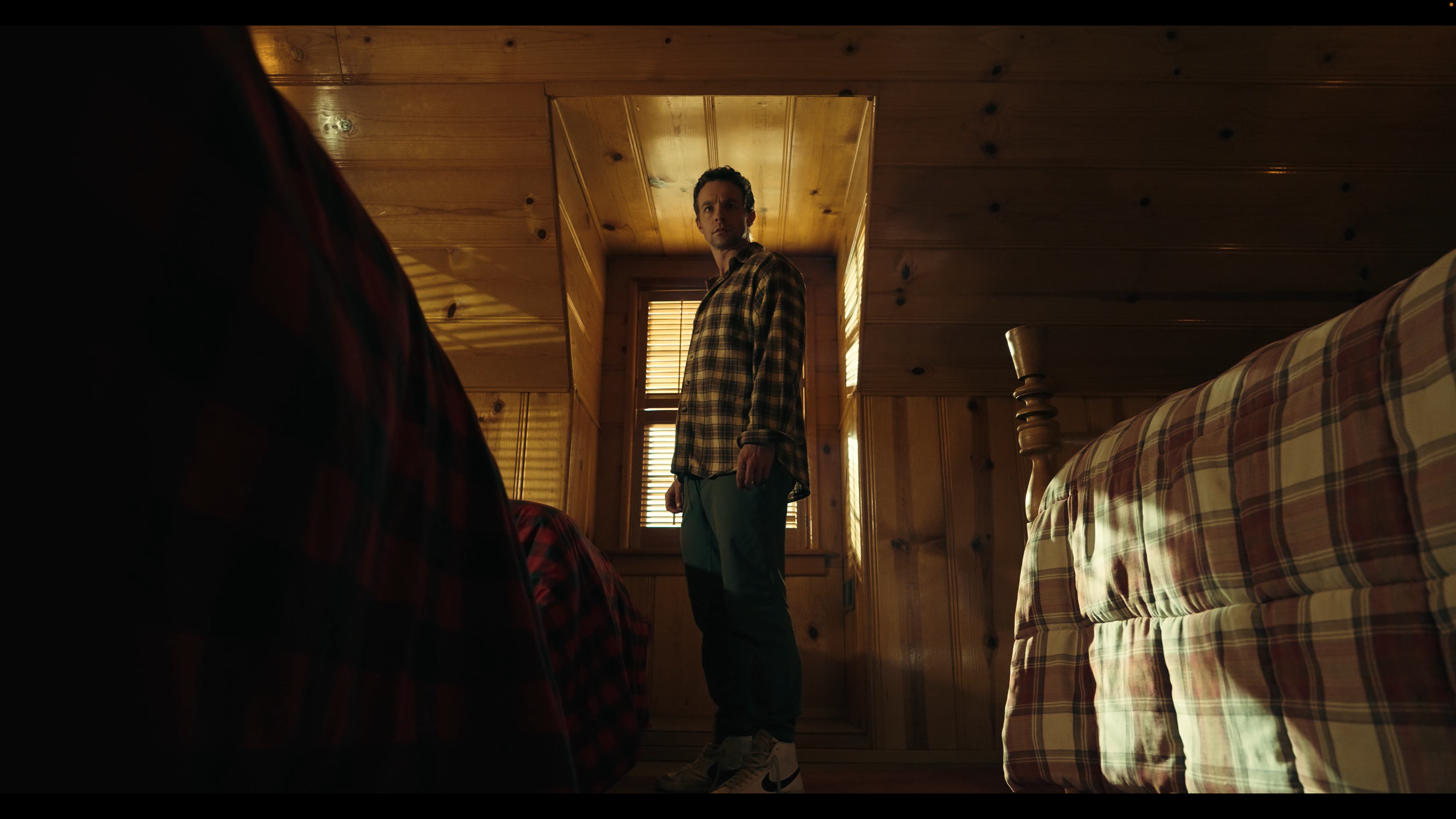
He described being met with open arms, saying he was not expecting that level of response. More importantly, people wanted to talk. Not just about the scares, but about the themes, the characters, and the ideas behind it all. And for Fria, that is the real win. He said the one thing he wanted most was to spark conversation, and seeing that happen has been the most rewarding part of the entire process.
That is what Shadows of Willow Cabin ultimately does best. It makes you think. It invites discussion. It challenges you in ways that go beyond the surface-level thrills.
On a personal note, I can say this was one of the more genuine conversations I have had in a while. Joe Fria is the real deal. Open, thoughtful, and clearly driven by a need to tell stories that matter. We covered a lot, but somehow it still feels like we only scratched the surface. Next time, I am definitely circling back to his Goosebumps work, because yeah, the guy is that talented.
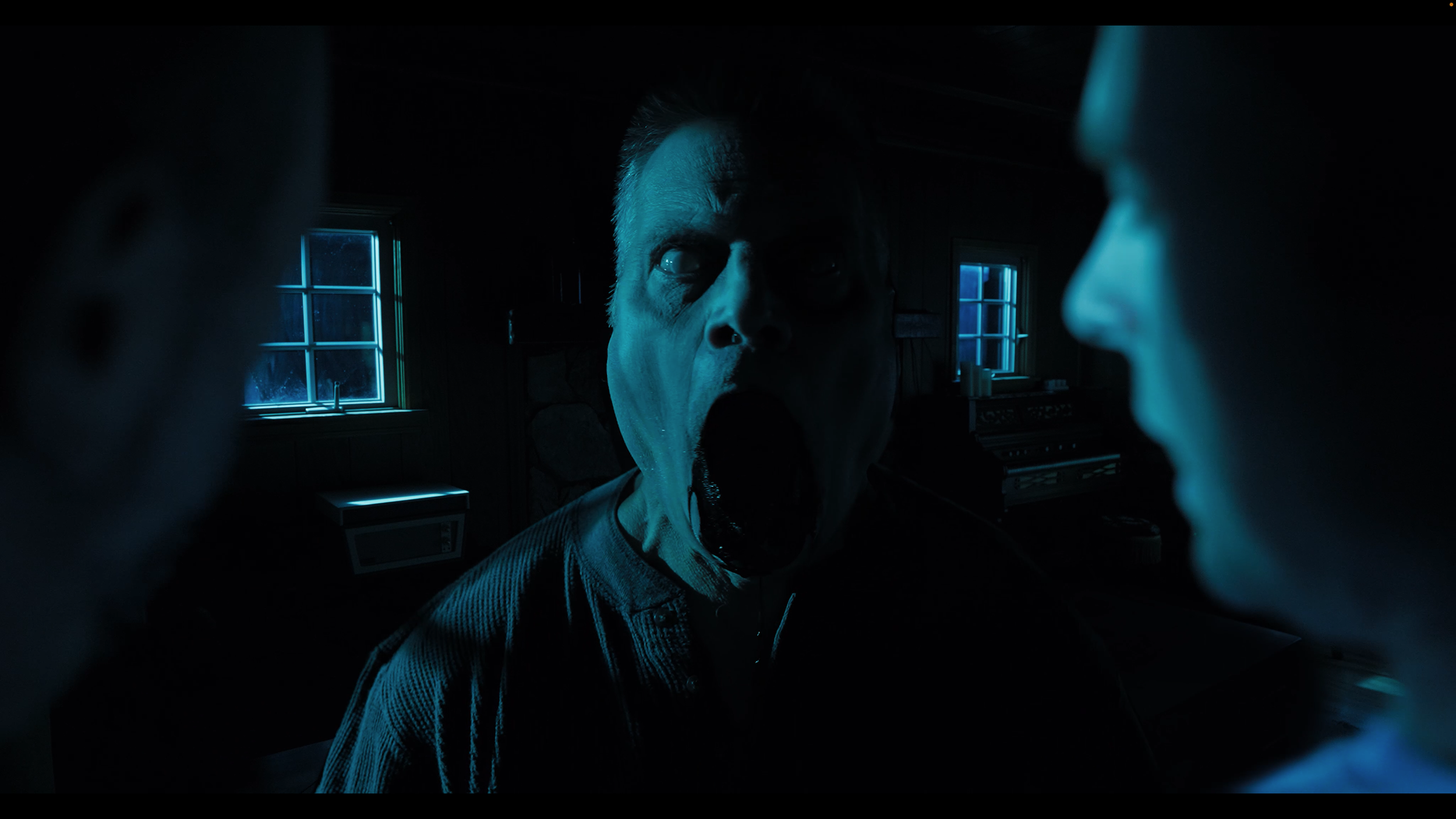
For now, Shadows of Willow Cabin stands on its own. And if this marks the start of Joe Fria’s run as a feature filmmaker, we’re looking at something seriously exciting ahead. Shadows of Willow Cabin is on digital 29 June from GrimmVision.
Jessie Hobson