
Beyond Sasquatch is not the movie its title promises, and that turns out to be both its greatest strength and its biggest gamble.
On paper, this sounds like a late-night creature feature mashup. Astronauts. Jupiter. Bigfoot. But Gregory Hatanaka quickly pulls the rug out from under those expectations. What unfolds instead is a low-budget, introspective blend of science fiction, psychological horror, and grief-soaked character study that uses the Sasquatch myth as a symbol rather than a spectacle.
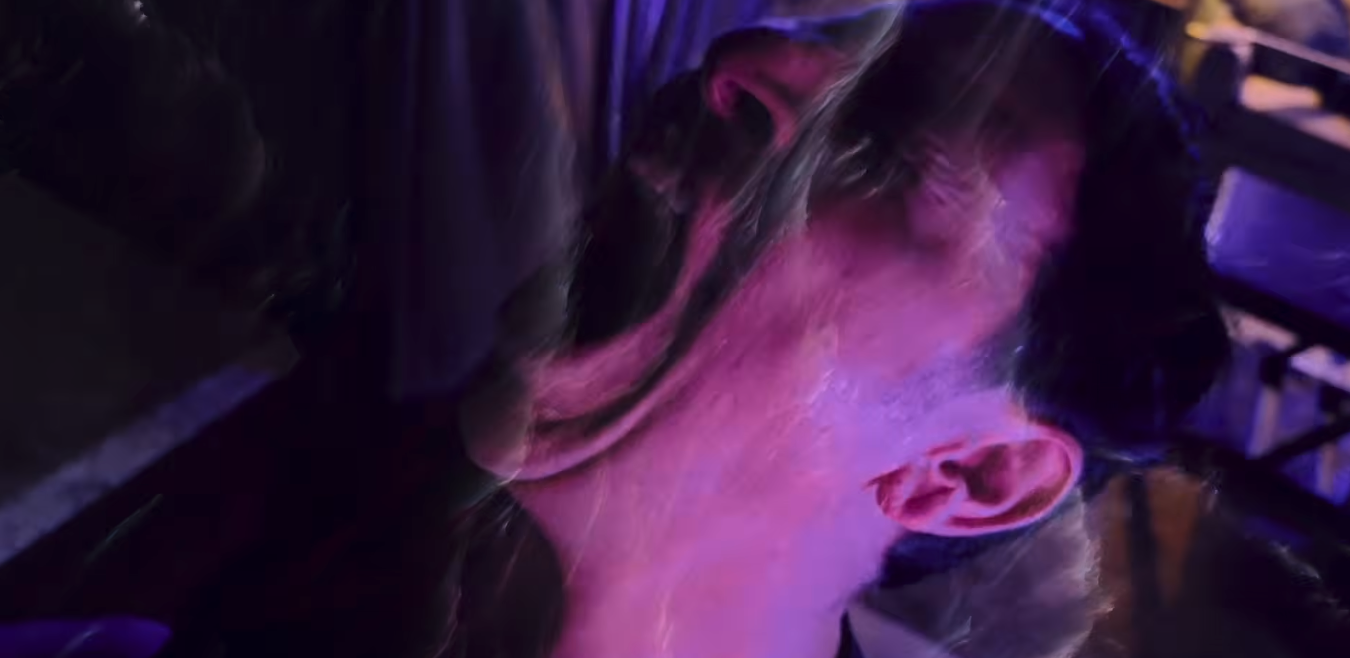
The story follows three women reconnecting after a classified space mission that clearly fractured something inside them. Nightmares, memory gaps, paranoia, and emotional numbness. This is less about what they brought back from Jupiter and more about what followed them home. The film is obsessed with trauma and the way the mind protects itself by distorting reality. The Sasquatch is not stalking cabins or tearing people apart for shock value. It manifests as something internal, emotional, almost spiritual. A presence born from unresolved experience rather than rage.
That approach will immediately divide audiences. If you come in expecting a traditional monster movie, you might feel frustrated by its restraint and ambiguity. The pacing is slow, sometimes stubbornly so. Scenes linger. Conversations feel improvised and raw. Explanations are scarce, replaced by repetition, dream logic, and suggestion. This is a film that asks you to sit with discomfort rather than solve a mystery.

Where Beyond Sasquatch succeeds most is in atmosphere and performance. Tessa Raine and Sofia Papuashvili carry the emotional weight convincingly, grounding some very abstract ideas in genuine exhaustion and vulnerability. Their characters feel worn down by something they cannot articulate, which fits perfectly with the film’s themes of suppressed memory and emotional invasion. The cast as a whole feels naturalistic, even when the dialogue veers into experimental territory.
Visually, the film leans into minimalism. There is a raw, almost DIY quality to the cinematography that works in its favor. Instead of flashy effects, the film relies on sound cues, repetition, and quiet unease. The recurring imagery of heat, dreams, and thresholds reinforces the sense that reality is slipping sideways. When the Sasquatch finally asserts itself, it lands less as a jump scare and more as an emotional revelation.
That said, the film is not without its flaws. The narrative can feel scattered, especially in the middle stretch where repetition threatens momentum. Some scenes push the symbolism so hard that it risks alienating viewers who need firmer narrative footing. The dream technology subplot is fascinating, but it sometimes feels underdeveloped compared to the emotional arcs it is meant to support.
Still, there is something refreshing about a movie this unconcerned with genre convention. Beyond Sasquatch is not trying to please everyone. It wants to exist in the weird space between science fiction theory, psychological breakdown, and cosmic dread. The Sasquatch itself becomes a mirror. A manifestation of what we carry when we come back changed and pretend we are fine.
This is a film for viewers who enjoy slow-burn genre hybrids, ambiguous storytelling, and horror rooted in emotion rather than action. It may not roar, but it lingers. And long after the credits roll, you might find yourself questioning whether the creature ever mattered as much as the damage left behind.
Jessie Hobson