
Virginia Madsen has always understood that the most powerful moments on screen do not come from volume or spectacle, but from listening. That instinct anchors her performance in Sheepdog, a film that resists easy answers and instead sits patiently with pain, grief, and the long road toward healing.
Speaking with Madsen about the film was a genuine pleasure. As a longtime admirer of Candyman, and having previously interviewed Tony Todd, getting the chance to talk with Madsen felt like a fitting way to close out 2025. Add in her remarkable work in Sideways, and the conversation carried the weight of a career defined by emotional intelligence and fearless vulnerability.
In Sheepdog, Madsen plays Dr. Elecia Knox, a trauma therapist at a VA hospital working with combat veterans. The role came with real responsibility, and she did not take it lightly.
“First it’s always the writing,” Madsen said, “but there was a higher purpose here. I’m pretty protective when it comes to this subject, and it was very, very personal to me.”
That personal connection shaped every aspect of her approach. As a Gold Star family member, Madsen was determined that the film reflect truth rather than sentimentality.
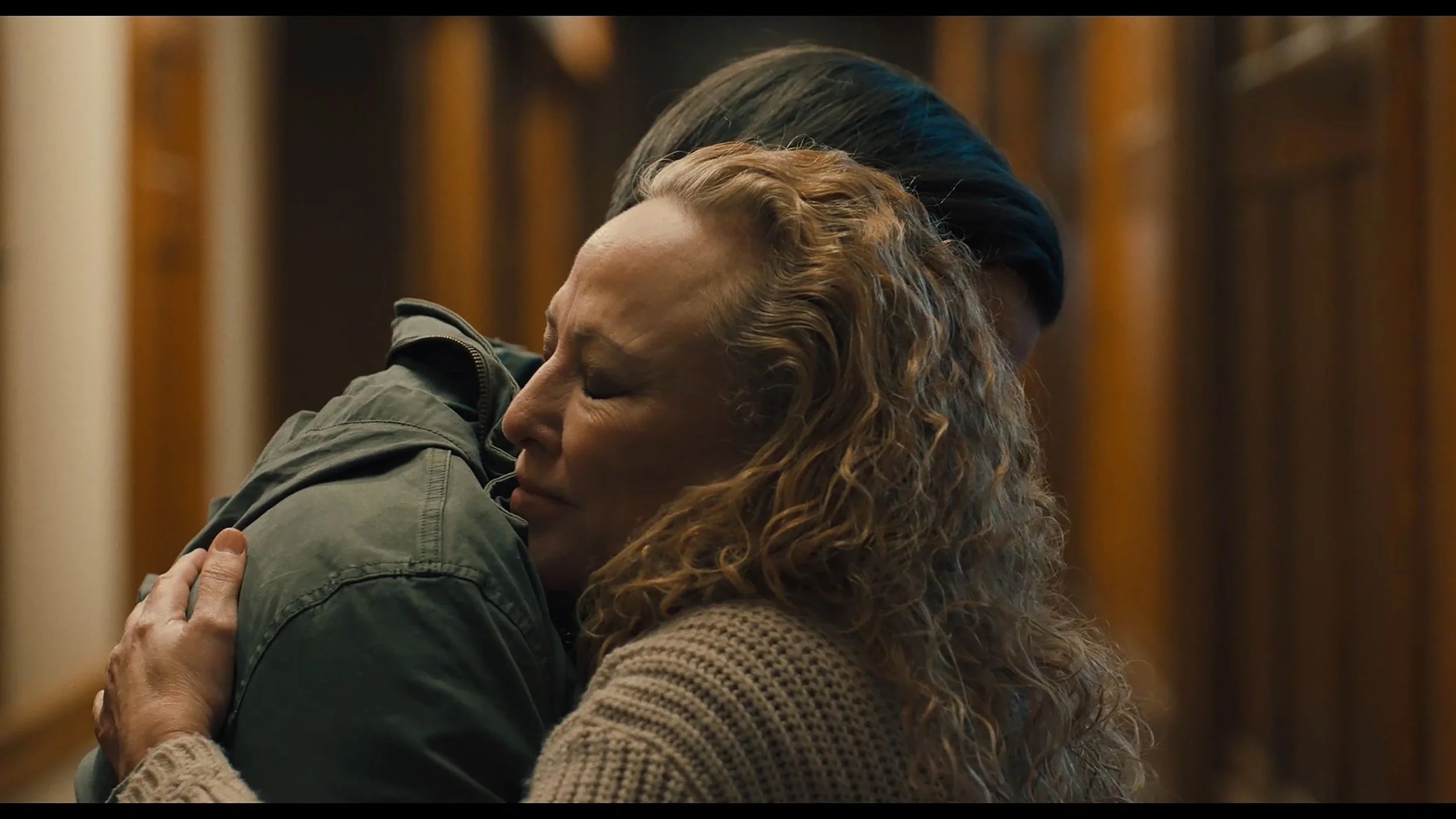
“I didn’t want to get it wrong,” she explained. “If I wanted to help and honor my family, I had to make sure that this was truthful.”
What ultimately convinced her was the sincerity behind the project. Writer and director Steven Grayhm spent more than a decade developing Sheepdog, building it from real conversations with veterans and families who gave permission for their stories to be reflected on screen. Madsen sought out real-life counterparts to her character to ensure that Dr. Knox felt grounded, human, and credible.
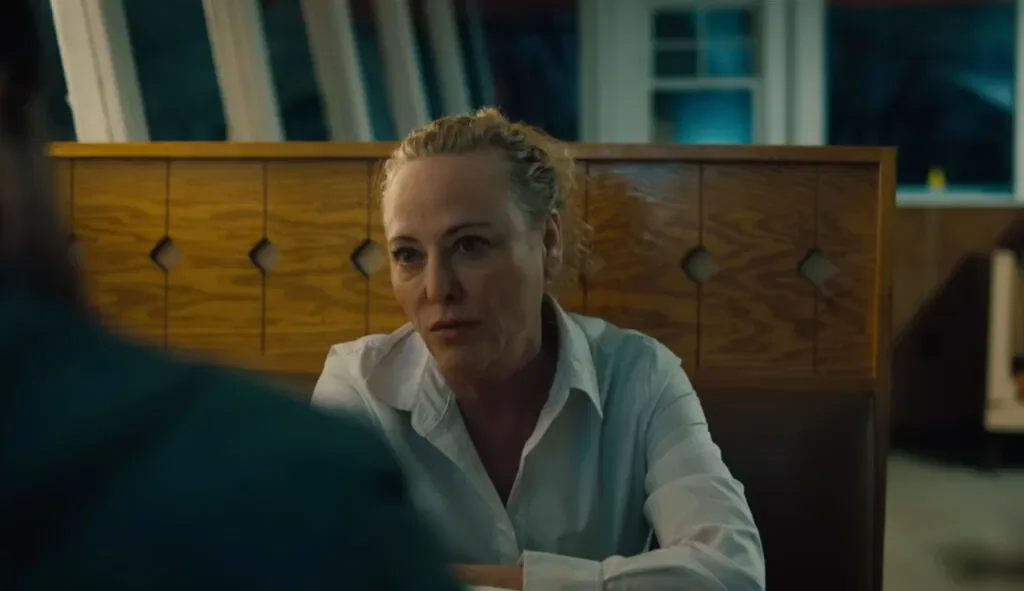
That commitment shows in a performance defined by restraint. Dr. Knox does not lecture or diagnose the audience. She listens. Madsen allows silence to do much of the work, creating space for both the characters and the viewers to breathe.
“There was going to be some self-care involved,” she said. “This was going to be very emotional for me, and it better be right. I felt a great responsibility not only to my family but to many others whose story I would be telling.”
As the film began screening at festivals, that responsibility transformed into something unexpectedly healing. Veterans, Gold Star families, and military audiences stayed after screenings to talk with her, not as fans, but as people who recognized themselves in the story.
“They embraced me,” Madsen recalled. “They knew what to say. It was okay for me to talk about it, and that became part of their healing and part of mine.”
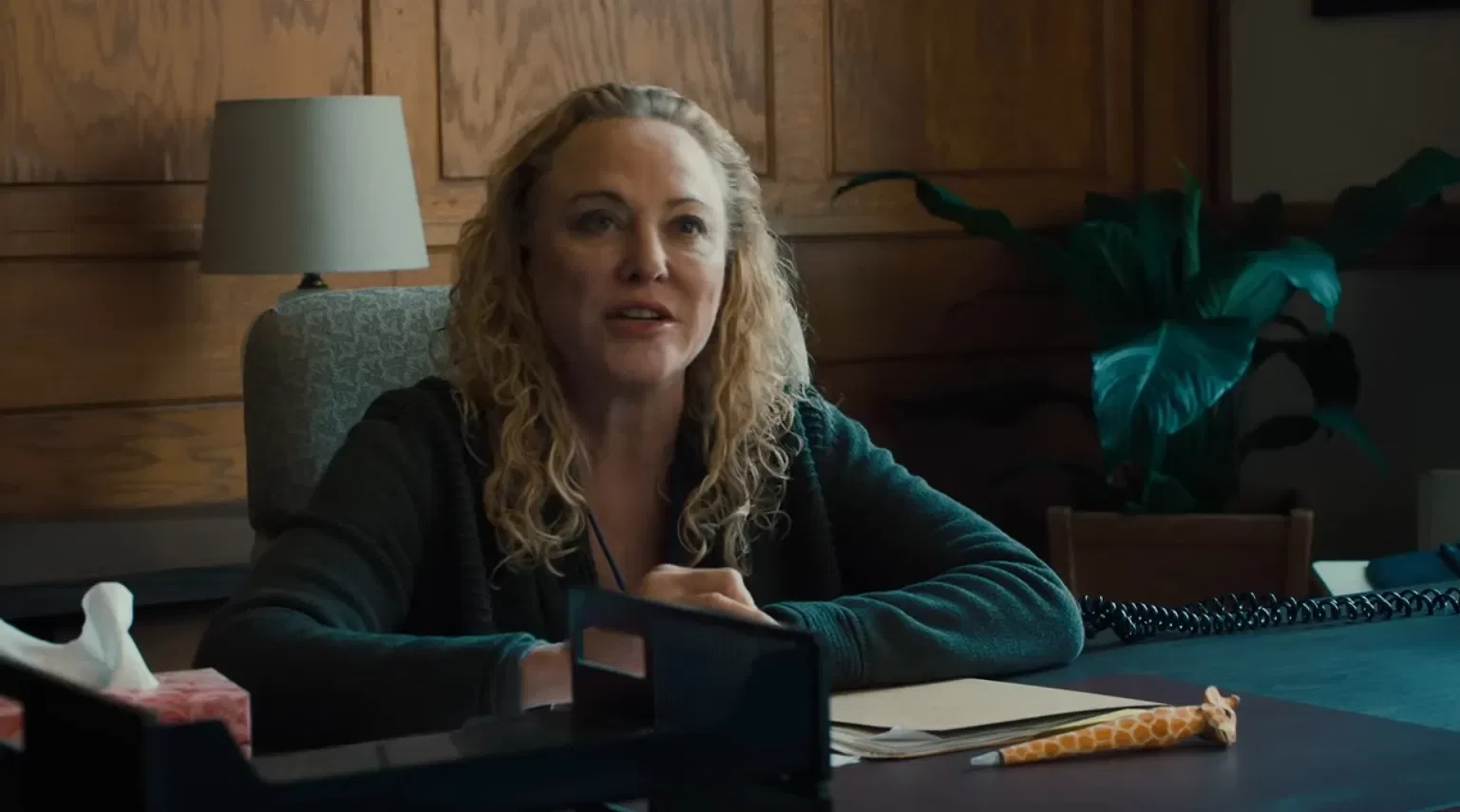
Much of that response stems from what Sheepdog chooses not to show. There are no combat sequences, no reenactments of war. Instead, the film focuses on what happens after, the internal battles that continue long after the uniform comes off.
“So many veterans told us they don’t watch war movies,” Madsen said. “They’ve already been there. They want people to think about what happens when they go home. The war at home.”
That idea connects directly to the film’s emphasis on post-traumatic growth, a term Madsen says reshaped how she understood trauma itself.
“I’d never heard that phrase before,” she said. “What a revelation. There is recovery.”
While Sheepdog is firmly grounded in drama, its tension is psychological, something Madsen has explored before. When asked if that internal fear reminded her of earlier work like Candyman, she returned to the importance of story above all else.
“You can have all the blood and gore you want,” she said, “but unless the story grabs your heart, it’s not going to leave you with anything.”
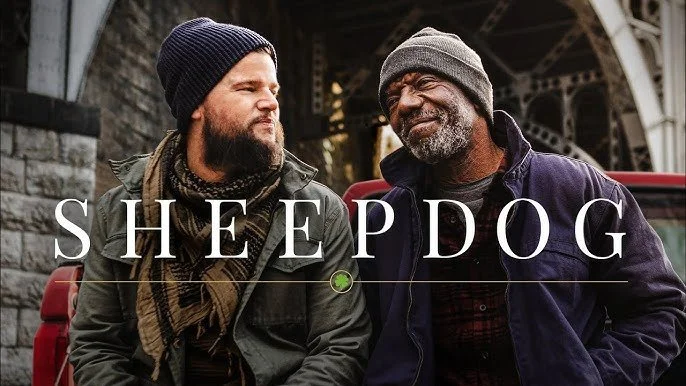
That philosophy has defined Madsen’s career and finds one of its purest expressions here. Sheepdog is quiet, patient, and deeply human, much like her performance. When the film finally lets go of its audience, it does not demand a reaction. It invites reflection.
“Now it’s out in the world,” Madsen said. “And all you can say is, I hope it helps.”
It does. And in a career filled with unforgettable work, Sheepdog stands as a reminder of what Virginia Madsen does best: listening, trusting the story, and letting truth speak for itself.
Jessie Hobson