
There is something quietly unnerving about the way Allan Hawco enters a scene in In Cold Light. It is not loud. It is not theatrical. It is controlled. A steady gaze beneath a cowboy hat. A presence that suggests this man has already decided how things are going to end.
Directed by Maxime Giroux and written by Patrick Whistler, In Cold Light follows Ava, played by Maika Monroe, as she steps out of prison intent on reclaiming her criminal empire. Instead, she is framed for murder and forced into a tightening spiral of violence that includes a ruthless crime boss portrayed by Helen Hunt and the complicated presence of her father, played by Troy Kotsur. The film moves at a lean 96 minutes, and within that pressure cooker, Hawco’s Bob Whyte operates with chilling certainty.
When we spoke, Hawco immediately dismissed the idea of approaching Bob as a crime thriller archetype. “You can’t play a concept or an idea of what that person’s image would be or what the archetype could be like,” he told me. “That would be the death for me. The death of having an honest experience with the person.”
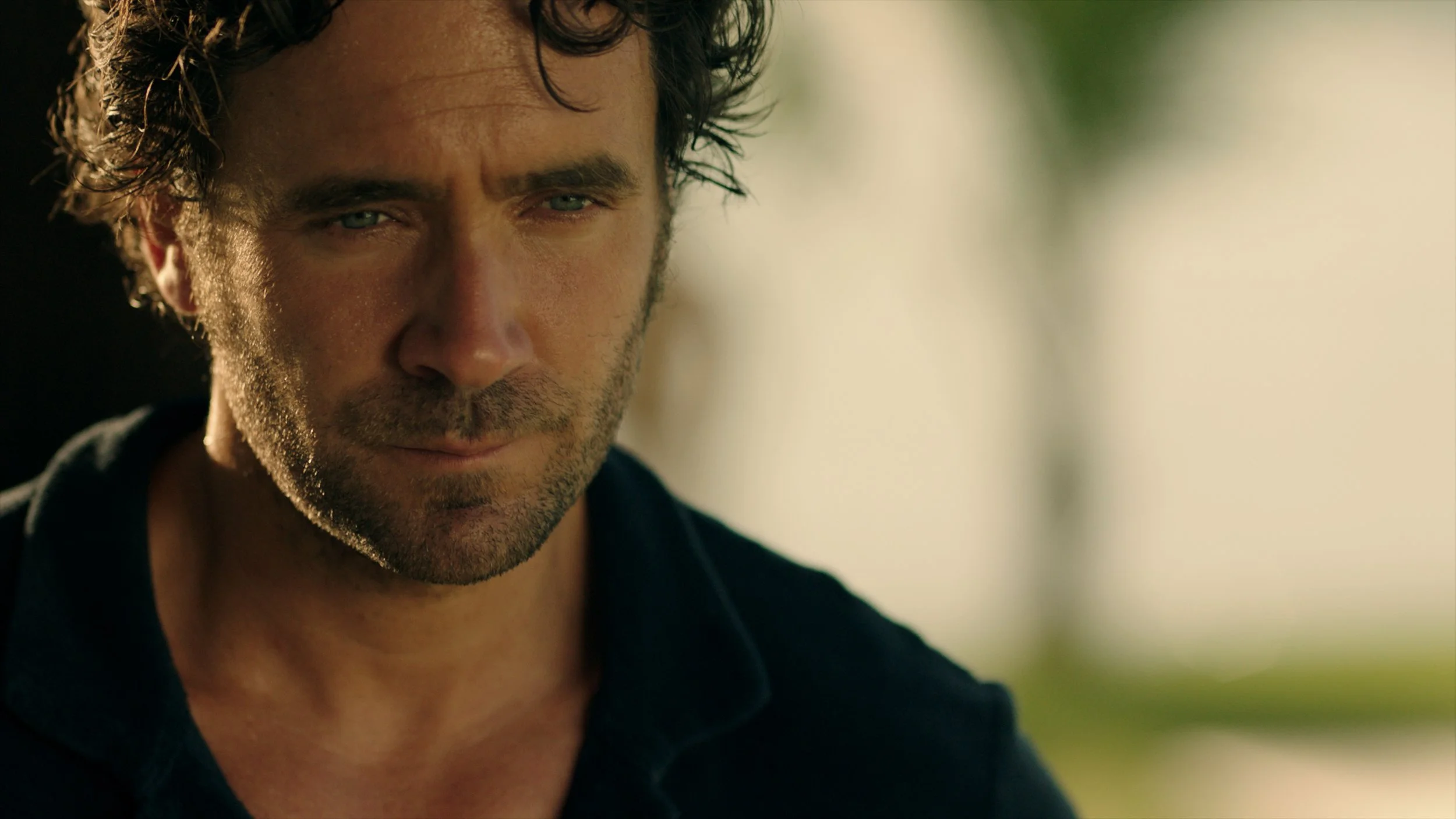
For Hawco, the work begins beneath the surface. Rather than performing “evil,” he looks for justification. “You can’t play evil,” he explained. “No human, even if they do know that they’re that person… that’s got to be somewhere inside you that you really don’t want to look at.” That philosophy gives Bob his unsettling weight. He is not exaggerating. He is grounded, rational in his own mind, and disturbingly calm about the moral compromises he has made.
Even the character’s visual identity emerged through collaboration rather than ego. Hawco described meeting with the costume designer and simply trusting her instincts. “She was like, ‘This is what I’m thinking.’ And I said, ‘Yeah, I’ll just do that.’ And that helps define who I am and then live in it.” He laughed at the contrast between himself and Bob, admitting, “Me as a human being wearing that cowboy hat would feel ridiculous. But for Bob Whyte, that’s who he is.”
What elevates the performance further is the invisible architecture Hawco built behind the scenes. As a writer, he creates private histories for his characters, stories no one else needs to know but that inform every glance and pause. “I write a whole story for myself so that when I’m there, no one knows it but that it belongs to me,” he said.
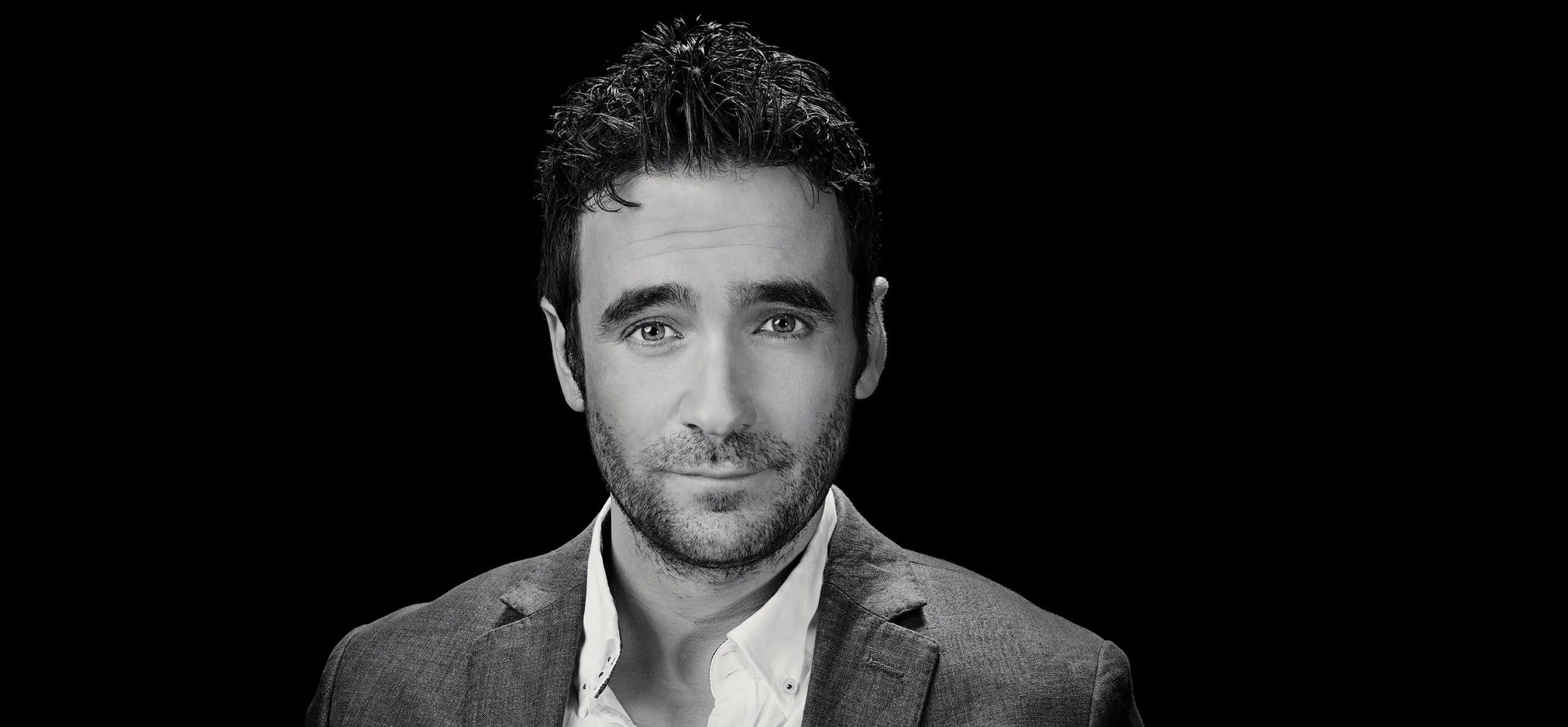
For Bob, that story was dark and deeply twisted. Hawco imagined a secret involving his son and the death of his daughter, a hidden act that bound father and son together in guilt and complicity. “They were stuck together with this weird fate… a super twisted, justified bond that they had that no one would ever know.”
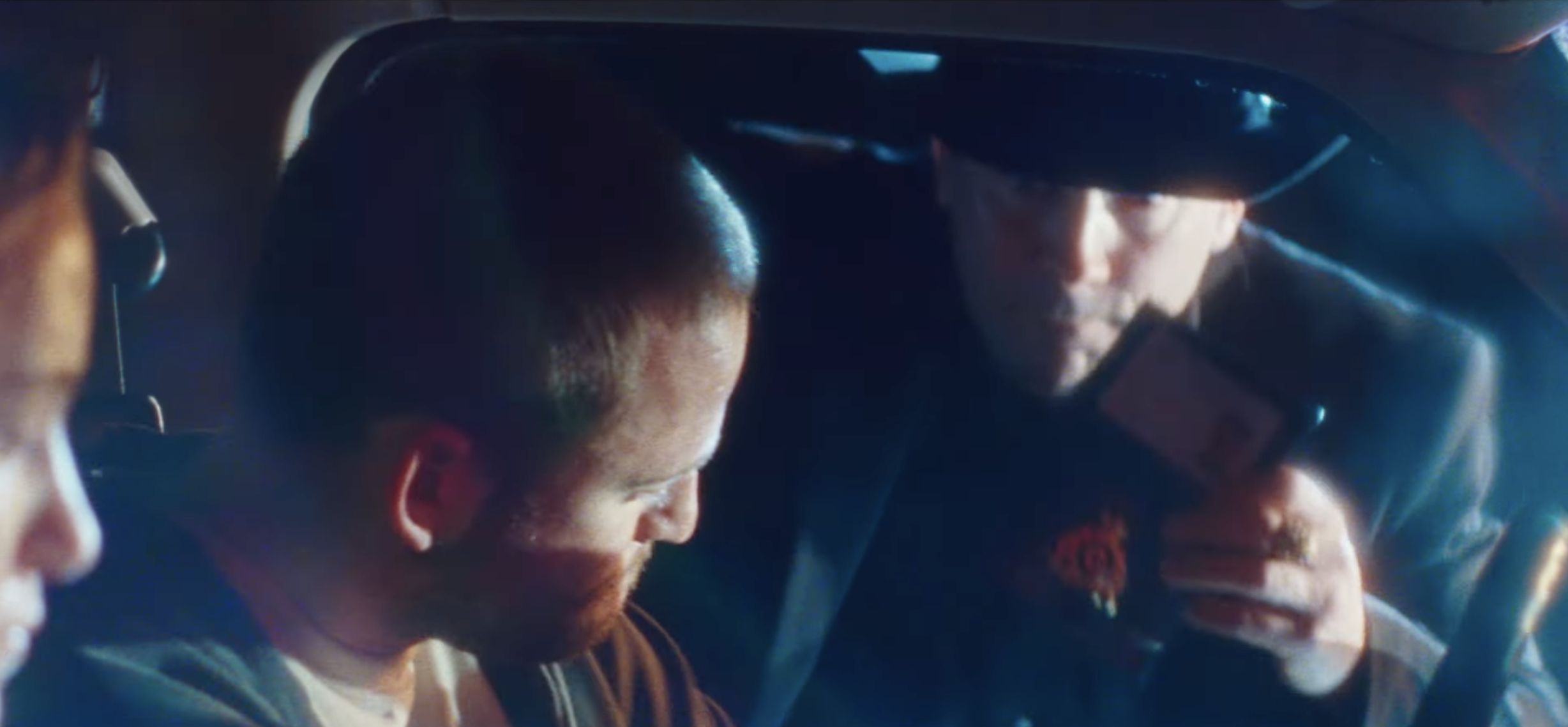
There is a pivotal scene inside a car between Bob and his son where the audience cannot hear the dialogue. It plays from Ava’s perspective. Hawco poured that entire imagined history into the silence. “You don’t need to hear what I’m saying,” he said. “You just need to see that this twisted father-son relationship is about murder.” It is a striking example of restraint, both from the actor and from Giroux’s direction.
That restraint extended to the filmmaking itself. In Cold Light was shot on film, a rarity that Hawco found both thrilling and grounding. “You hear that canister of film go in the camera, you’re like, ‘Oh, this is for real.’ You better show up. You better be ready.” The physical stakes of film stock sharpened the focus on set, reinforcing the film’s taut, deliberate tone.
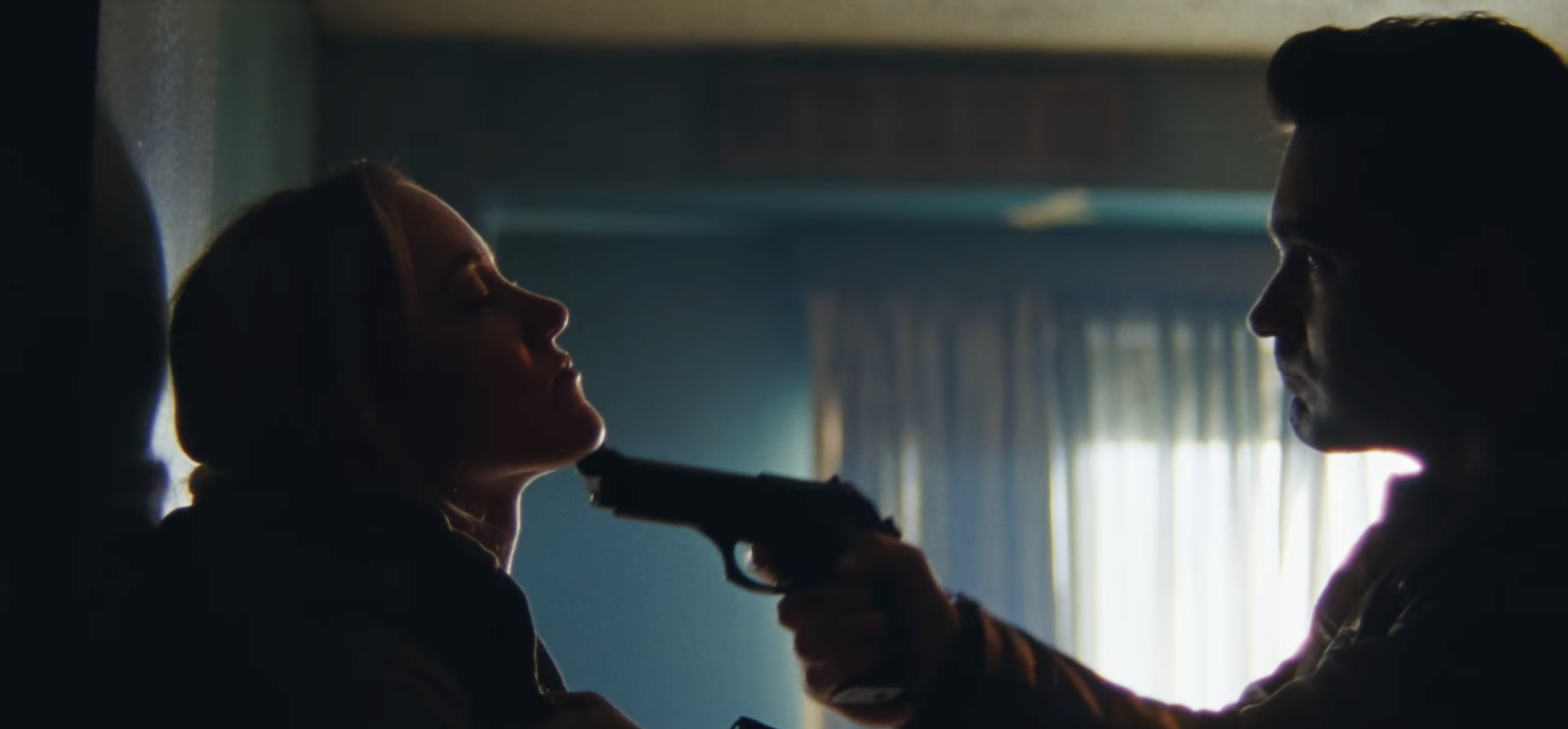
For someone who has often led and shaped his own projects, stepping into this production purely as an actor was freeing. “When I’m on a movie that’s not mine, I want to be on the ride,” he explained. “All you can do is live in the moment with the people that you’re with and do the thing you have to do.” Working opposite Monroe, Kotsur, and Hunt only heightened that commitment. “You’re sitting at a table with Troy and Micah, and you’re like, ‘Oh, okay.’ It’s a group of people that are really dialed in.”
When I asked where Bob Whyte falls among the many characters he has portrayed, Hawco did not romanticize him. “He’s a horrible human being,” he said candidly. “I don’t know what you have to do in your life to get there.” Yet after watching the finished film, he found himself intrigued by the result. “I actually don’t know who that guy is at all. It’s me kind of, but it’s also not me.”
I had a great time speaking with Allan Hawco. His thoughtfulness about craft and character adds layers to what could have been a straightforward antagonist role. I loved his character in this film, and after talking shop with him, I am even more curious to revisit the rest of his work.
And if Bob Whyte ever earned a spin-off, I would gladly step back into that morally gray world to see how far that twisted history really goes.