
Talking to Ernie O'Donnell was one of those full-circle moments that sneaks up on you.
I grew up on Clerks and Chasing Amy. Chasing Amy, especially, was in constant rotation for me in high school. I used to fall asleep to it more nights than I can count. Rick Derris was always one of my favorites. There was something about that energy, that lived-in chaos, that made the world of Kevin Smith feel real. So getting the chance to speak with O’Donnell, not just about those films but about his work in What Lives Here, felt like getting to peek behind the curtain of something that shaped my love for movies in the first place.
And he did not disappoint.
In What Lives Here, O’Donnell plays Carson, a character who helps ground the film’s mix of horror and human behavior. When I asked what drew him to the project, his answer was immediate and honest.
“I mean, I love horror movies to begin with, so I mean that's a given,” he said. “They're fun to do. Um always wanted to get uh killed or chopped up or mutilated on some level.”
That enthusiasm is not ironic. It is genuine. His entry into the indie horror space started years back, but What Lives Here came through longtime friend and filmmaker Troy Burbank, someone O’Donnell clearly respects. He described Troy as “a hustler man, and he's a go-getter… he just plows through these movies, doesn't let anything stop him.” That admiration for the grind, for the scrappy determination it takes to actually finish a film, runs deep.
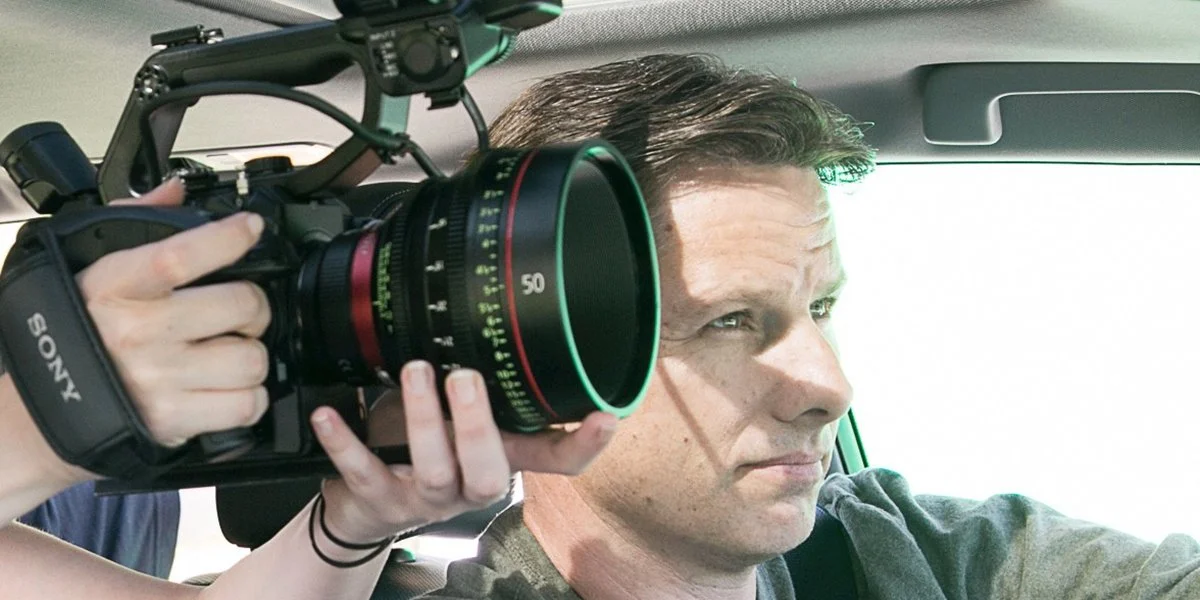
What struck me about What Lives Here is how naturally it balances horror with humor. The bar scenes feel authentic. The conversations feel like ones we have all either had or overheard. It never slips into parody and never winks too hard at the audience. When I brought that up, O’Donnell credited the collaborative energy on set.
“The key is to put together a cast of characters and actors one that are comfortable with each other,” he explained. “Troy gives us the availability… to improv a little bit and see if things work or see if they don't work. And that's where that natural magic comes from.”
That freedom to breathe shows up on screen. He even admitted that the comedic tone evolved organically during filming. “As we were making it… I was like, ‘This is this a horror or a horror comedy now?’… but I think it benefited the film a lot.” It gives the movie texture. It feels like people you know stumbling into something terrible, not cardboard cutouts waiting for a kill scene.
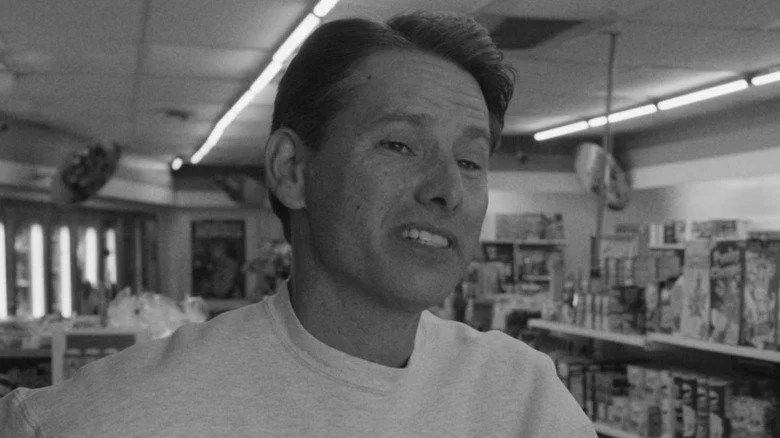
And audiences are responding. “What Lives Here is doing really well. We've been hitting the number one slot on Tubi multiple times,” he told me. “I talked to the distributor… and he's like, ‘My god, this film is doing so good on Tubi.’” For an independent horror film built on hustle and favors, that kind of traction means everything.
Our conversation drifted naturally into the realities of indie filmmaking. There is no illusion about the work involved. “You rely on your friends, your family. You call in a ton of favors. You work crazy hours… and then you're doing this at night or on the weekends.” He did not glamorize it. He respected it. There is something deeply gratifying, he said, about knowing you and your community willed something into existence.
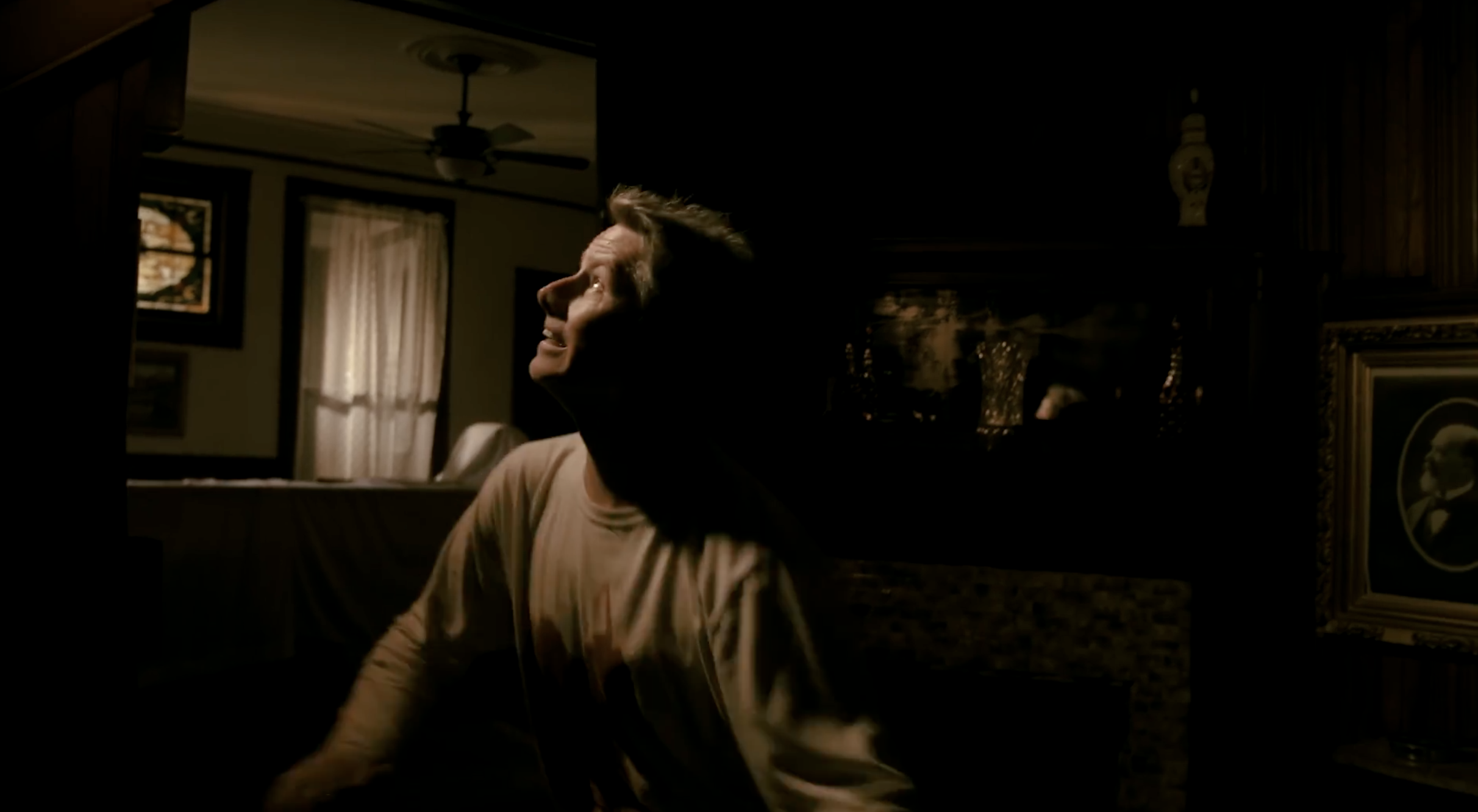
He also emphasized something that stuck with me. If you are not having fun, why are you doing it? “We're making movies for God's sake… It's the playground.” That word, playground, perfectly sums up his relationship with horror. It connects back to his youth, experimenting with makeup effects, getting messy, building something from imagination, and using cheap materials. “Who doesn't like to play in blood and guts and gore and run around the woods or get chased by somebody?” he laughed. It is not just about shock value. It is about recapturing that creative spark.
Of course, it would have been impossible not to touch on Red State. While Chasing Amy may be my personal favorite, Red State remains one of the boldest pivots in Kevin Smith’s career. O’Donnell remembered reading the script for the first time and being stunned. “I read it, and I was like, ‘Oh my god. This is great. Nothing like I've ever seen him write before.’”
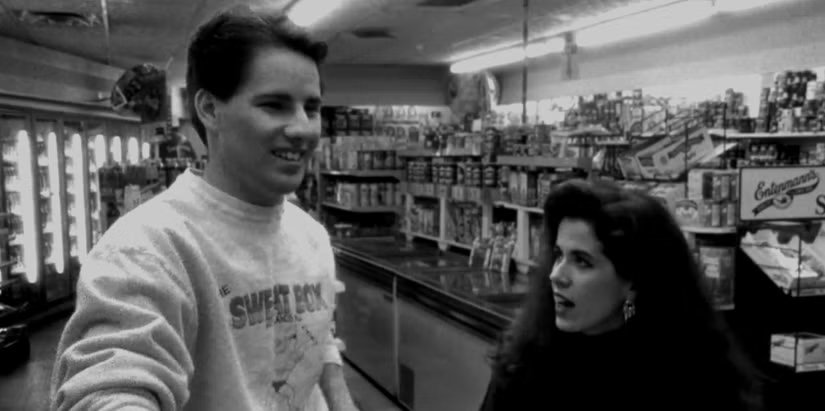
Being on set, he said, felt electric. Watching Michael Parks work was “a masterclass.” He compared it to seeing Denzel Washington deliver radically different takes of the same scene. It was a reminder that even in genre filmmaking, craft matters. Presence matters.
He shared a story that perfectly captures the spirit of that production. During the assault scene, the armored vehicle stalled. On most sets, that is a nightmare. On this one, the crew simply pushed it up the hill so the shot could happen. No complaining. No ego. Just belief in what they were making. That dedication mirrors the same indie grit driving What Lives Here.
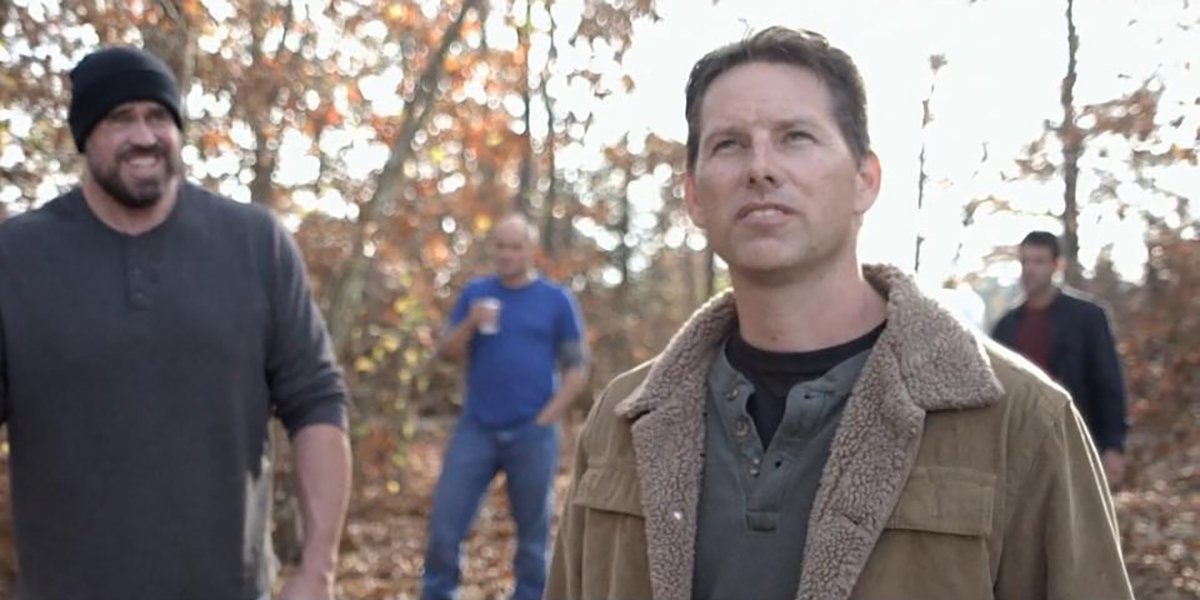
Throughout our talk, O’Donnell kept circling back to one piece of advice. Just make something. “Just make it. Who cares? Just make something.” He spoke about how long it took him to direct his own short, how easy it is to wait for the perfect moment. But there is no perfect moment. There is only doing the work, failing, learning, and doing it again.
What impressed me most was not just the resume, though it is a strong one. It was the attitude. Here is someone who has been part of a cultural phenomenon, who has watched Kevin Smith build an empire from a convenience store, and yet he is just as excited about a scrappy horror film climbing the charts on a free streaming platform. There is no cynicism there. No detachment. Just appreciation for the process.
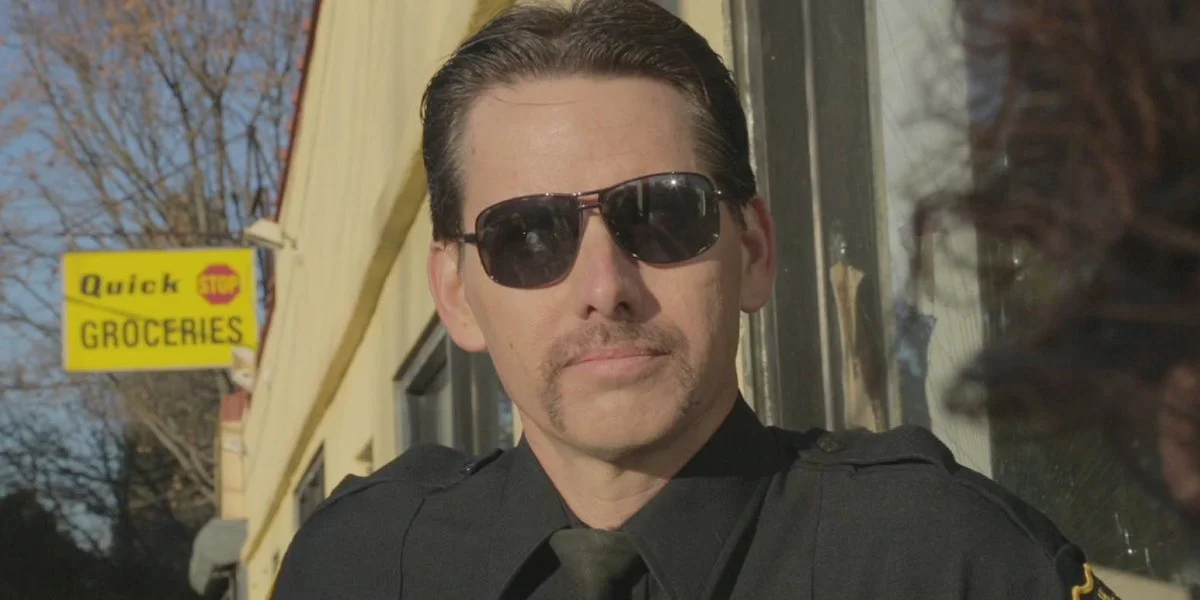
As a fan, it was surreal to talk to someone whose performances were part of my formative movie-watching years. As a filmmaker and critic, it was inspiring to hear someone with that history still championing indie cinema, still rooting for the underdog, still finding joy in fake blood and long nights on set.
Ernie O’Donnell may always be Rick Derris to a lot of us. But What Lives Here proves he is far from living in the past. He is still in the trenches, still playing, still helping carve out space for the next wave of horror storytellers. And getting to talk with him about that journey was, for me, nothing short of a privilege.
Jessie Hobson