
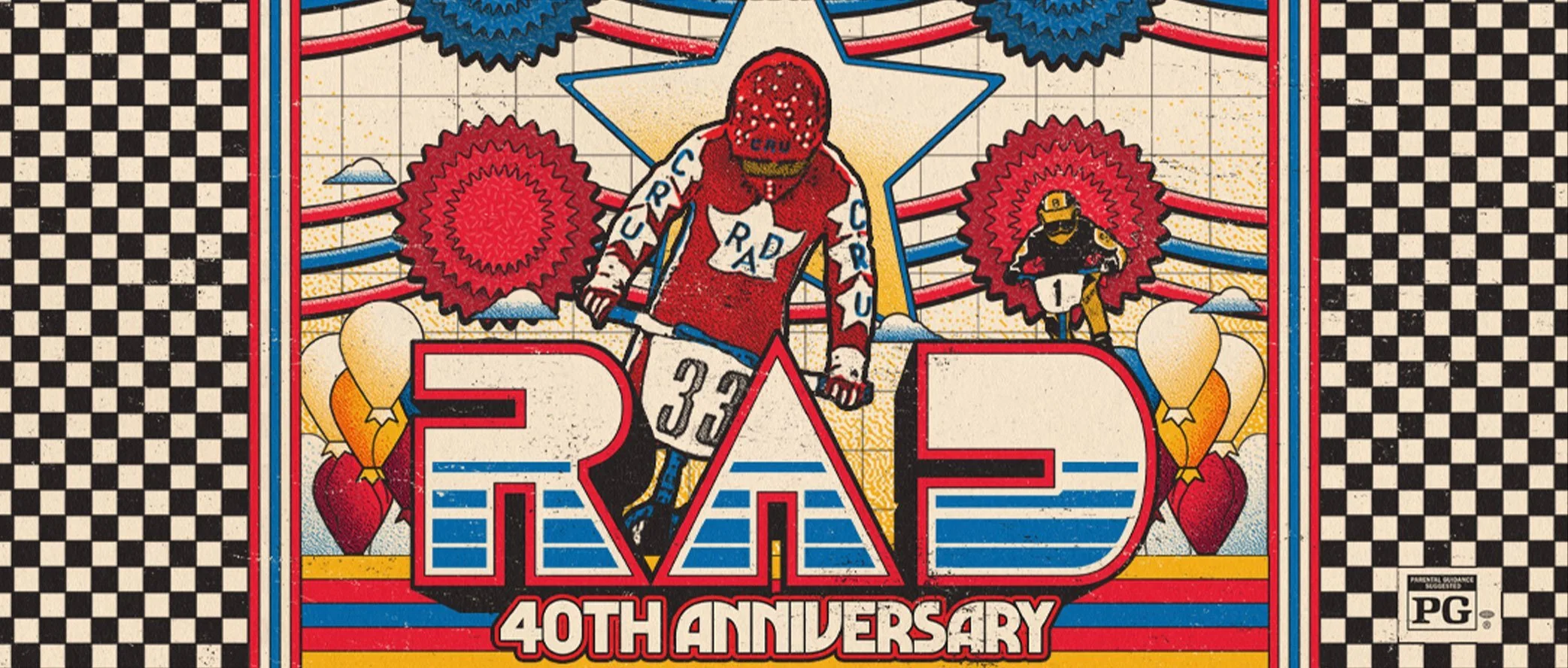
Forty years later, Rad is still doing what it has always done best. It gets people out of their seats, back on their bikes, and talking about why this scrappy BMX movie refuses to fade away. What began as a modest 1986 sports film has become a genuine cult fixture, passed down through generations and rediscovered in waves. With the Rad 40th Anniversary screenings bringing the film back to theaters in freshly restored 4K, the timing feels right to reflect on how this movie was made, what it meant then, and why it still matters now.
Sitting down with Bill Allen, Eddie Fiola, and Billy Henrickle felt like stepping into a living time capsule, one that also happens to still be moving forward. The film’s legacy is inseparable from all three of them, even though they entered Rad from very different angles. Allen was front and center as Cru Jones, Fiola was one of the elite riders pushing BMX stunts into dangerous new territory, and Henrickle now carries that legacy forward as the filmmaker behind Effortless: The Eddie Fiola Story, a documentary debuting alongside the anniversary celebration.
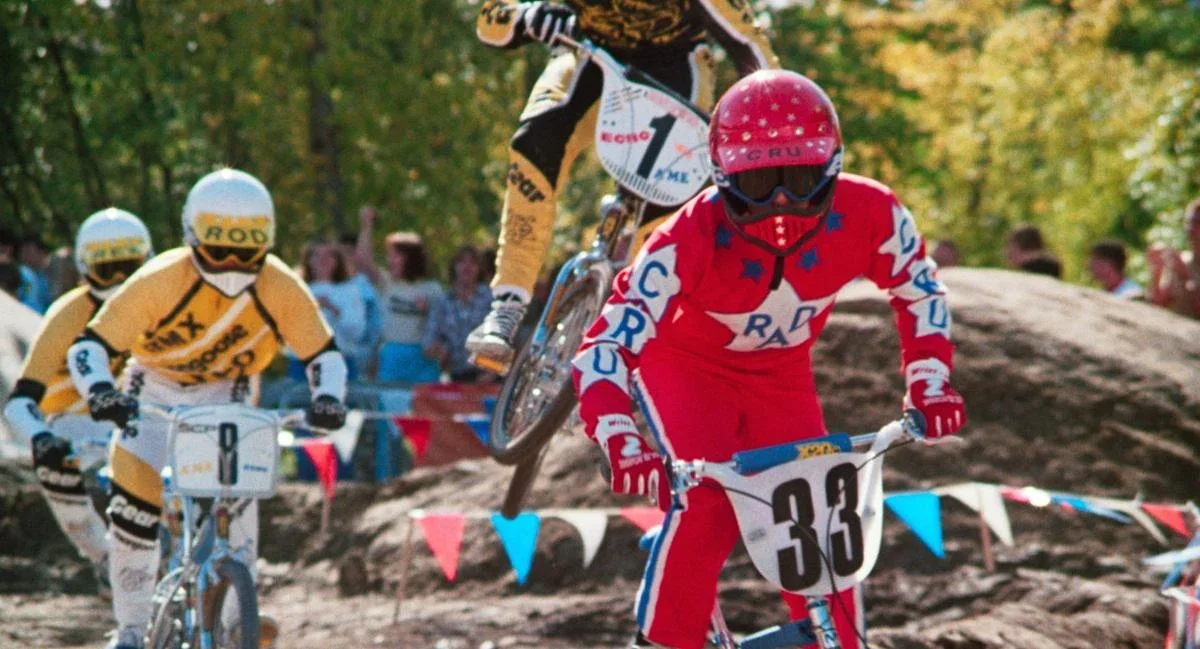
Rad was made at a time when BMX had barely been explored on film, and the division between actors and stunt riders was much more defined than audiences might realize. Allen recalled that the set naturally split into two worlds. “There were the actors, right? Talia, myself, Jack, Ray, Lori, and then there were the stunt riders,” he explained. The bridge between those worlds was director Hal Needham, whom Allen described as their “fearless leader.” Needham leaned heavily on the riders to understand what was even possible on two wheels, especially since, as Allen pointed out, “Hal was not a bicycle guy.”
That reliance created an unusual dynamic where the stunt performers carried real authority. Fiola remembered how BMX days operated on a completely different rhythm from acting days. “If there was an acting day, BMXers were not involved with it,” he said. “But when we did the BMX stunts, all the actors were there. They were there to watch and to see how and what we did and make sure that what they were doing was correct.” In other words, when the riding happened, the riders became the teachers.
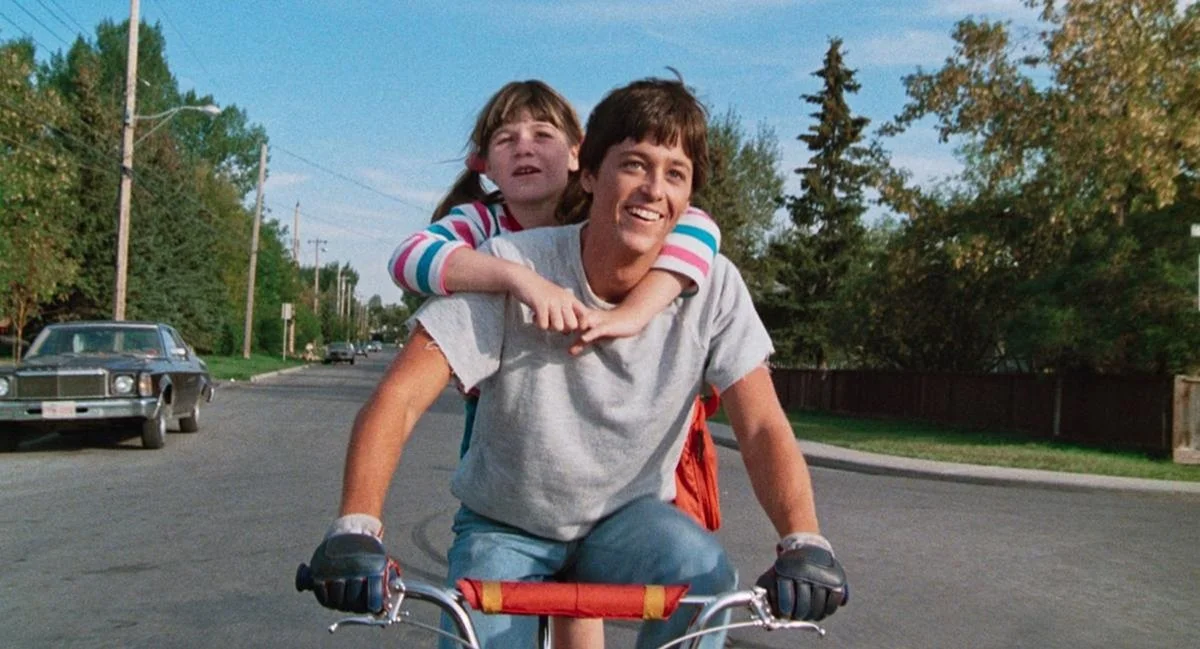
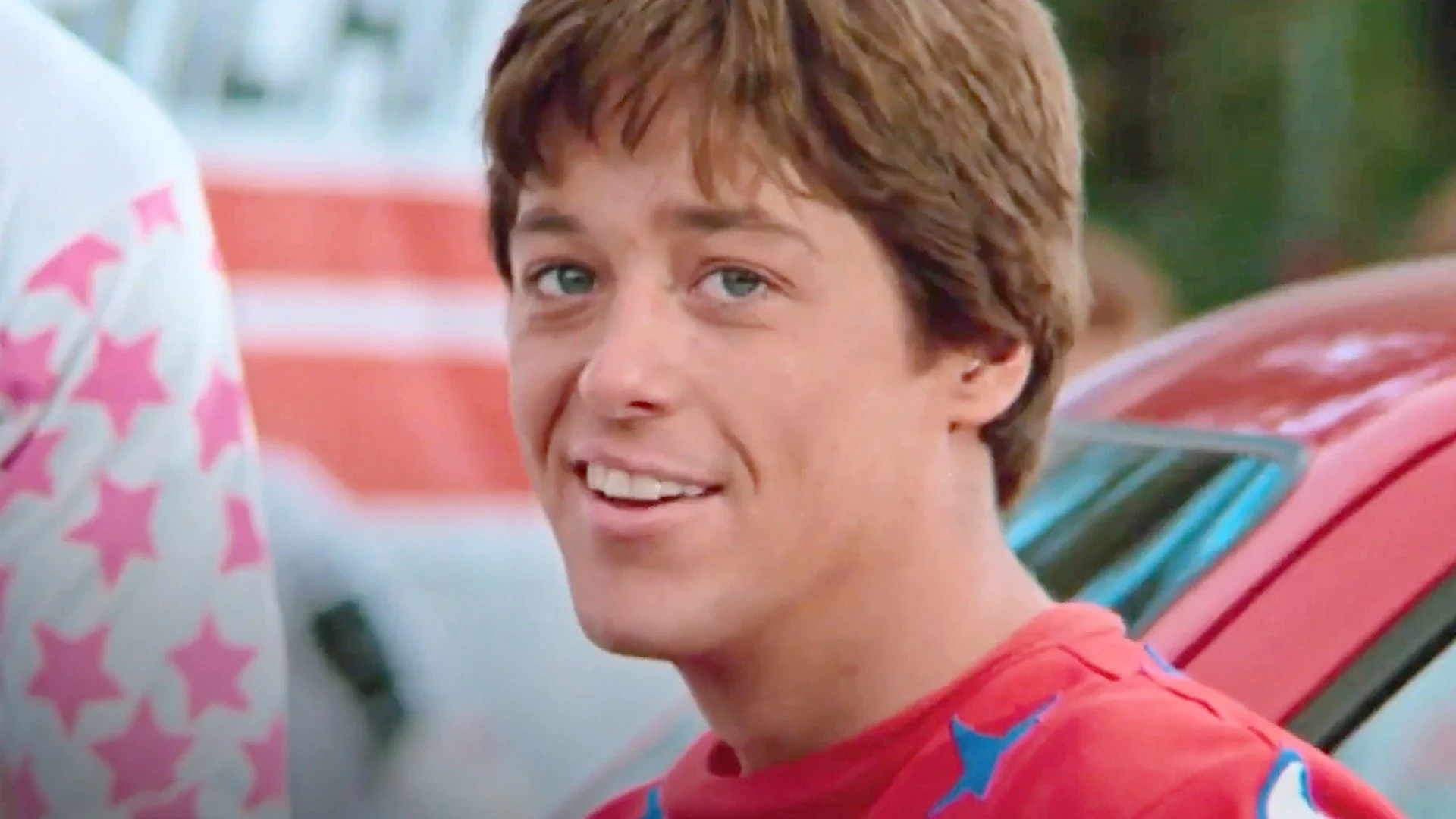
For Allen, having world-class BMX legends behind the scenes changed everything. Knowing Fiola and the rest of the stunt team were handling the most dangerous moments allowed him to approach Cru Jones with confidence. “It made me relax knowing Hal was the king of stunt doubles and that he had all these guys,” Allen said, noting that several different riders were used depending on the trick. That safety net mattered, especially when injuries were a regular part of the job. “All these guys without a doubt spent time in the ER,” he added, acknowledging the physical toll the film demanded from its riders.
Fiola did not sugarcoat that reality. “We broke bones. We bled. It was blood, sweat, and tears,” he said plainly. For Allen, the arrangement made sense. As the lead actor, getting injured could shut the entire production down. “Hal’s job as a stunt coordinator was to protect the actors,” Allen explained. “You hurt the lead actor, now the shoot has to shut down.”
Four decades later, that collaboration still resonates, especially through Henrickle’s work on Effortless. As a filmmaker exploring Fiola’s career, Henrickle sees Rad as an important chapter, but not the whole story. “It’s a big part of Eddie’s story,” he said, while emphasizing just how much Fiola accomplished both before and after the film. Championships, skate park dominance, and decades of stunt work on major Hollywood productions all followed. Still, Rad remains the project most people associate with him, partly because, as Henrickle noted, Fiola doubled not just Allen, but Lori Loughlin and other characters as well, while also appearing as himself.
Henrickle’s admiration for both Fiola and Rad runs deep and feels personal. “I was a huge fan of Rad,” he said. “Not just of Eddie, of Bill. It’s just an amazing movie.” Being able to integrate Rad footage and interview its key players for Effortless felt less like career advancement and more like a full-circle moment.
The conversation naturally turned toward how stunt work has evolved since Rad, and the answers were unexpectedly sobering. Fiola pointed to emerging technology as both impressive and unsettling. “AI is getting so realistic that it’s going to be scary for any stunt person trying to get into the business today,” he said, questioning why studios would risk injuries if visual effects could make stunts look just as real. Still, he believes there will always be directors who want authenticity and physical reality on screen.
Allen, however, brought a heavier perspective shaped by personal loss. Reflecting on the death of his close friend Brandon Lee, Allen emphasized that safety must always come first. “We’re making movies here. We’re not waging war. We want everybody to survive,” he said. While acknowledging that safety standards have improved, he was blunt about how devastating on-set tragedies remain. “We don’t want another Brandon. We don’t want another Alec Baldwin happening.” For Allen, Rad stands out because of its spirit rather than its violence. It celebrates movement, joy, and effort without glorifying harm.
That ethos carries into Effortless, which Henrickle described as uniquely easy to shoot in some ways because Fiola still rides. “Eddie still does probably ninety percent of the things he could do back then,” he said, recalling a shoot at Tony Hawk’s ramp where Fiola was still catching serious air. Even after double hip surgery, Fiola himself jumped in to clarify, “I have two hips and I’m riding a halfpipe with Tony Hawk.”
When asked what they hope younger audiences take away from Rad and Effortless, the answers landed somewhere beautifully simple. Allen invoked Freddie Mercury before the sentiment snapped into focus. Fiola summed it up best. “Get out and ride your bike,” he said. “Exercise. Play. Have fun. There are so many things you can do other than looking at your phone.” He even joked about wishing for a “no tech Tuesday,” a day where you unplug and earn your day outside.
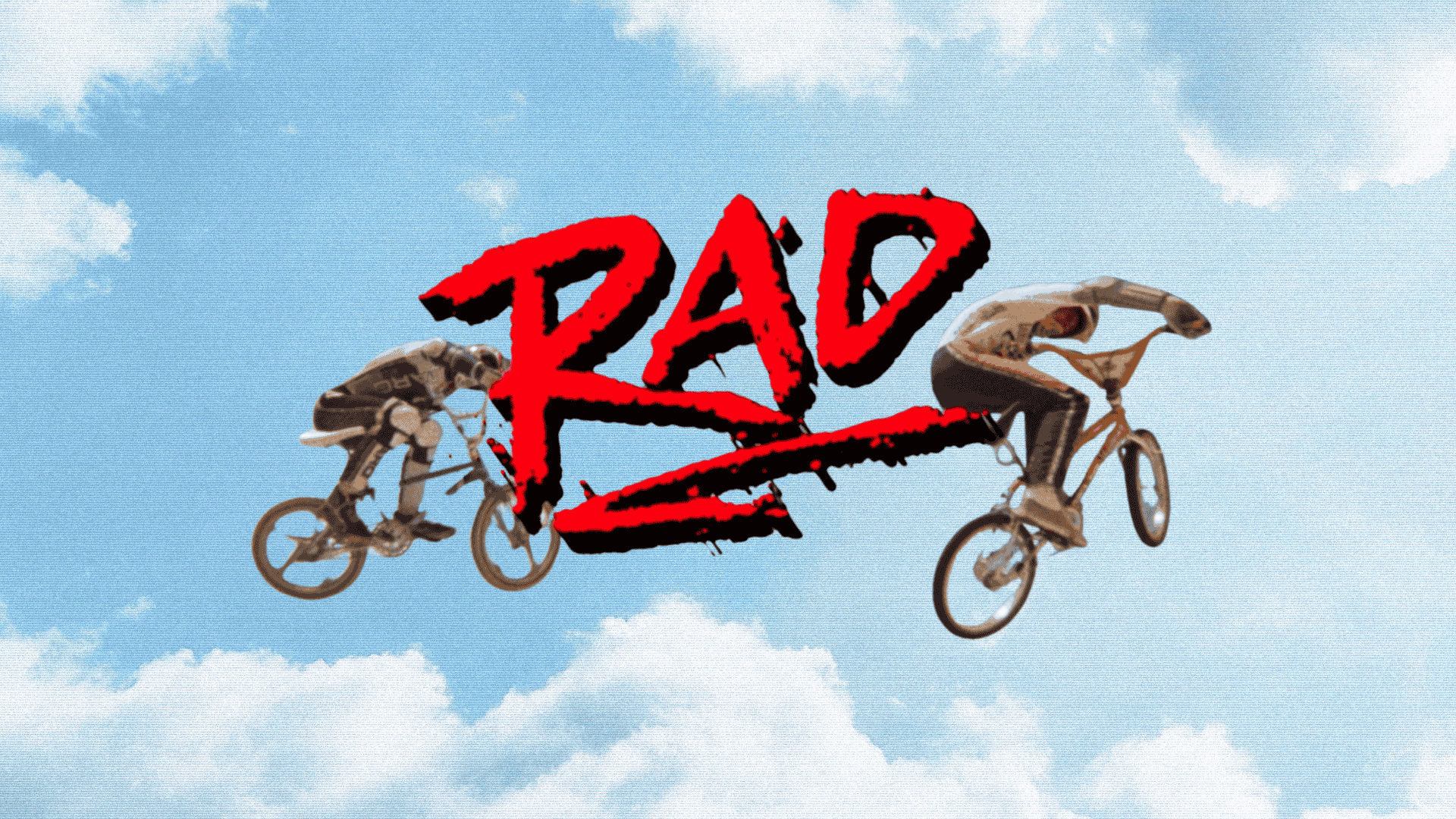
Spending time revisiting Rad reminded me why movies like this endure. While it was never a defining childhood film for me, I still remember watching it for the first time and being struck by its sincerity. It is always fun to revisit something so unapologetically earnest, especially when the people who made it still believe in what it stood for. Forty years later, Rad is not just surviving on nostalgia. It is still inviting people to show up, try hard, and maybe ride a little faster than they think they can.
Jessie Hobson