
There is something deeply unsettling about the way Sheila McCarthy moves through The Well. Not loud. Not showy. Just steady. In Hubert Davis’s bleak, water-starved eco thriller, McCarthy plays Gabrielle, the leader of a remote cult compound that offers safety at a terrifying cost. It is the kind of performance that sneaks up on you, the kind that understands power does not need to raise its voice.
When I told McCarthy how charismatic but unsettling Gabrielle felt, she laughed before leaning into what mattered most to her, saying she never approached the character as a traditional villain. Instead, she saw someone operating from desperation, explaining that she really thought of Gabrielle as a person trying to survive in an impossible situation. That perspective shaped everything. Rather than playing menace head-on, McCarthy treated the role like an emotional puzzle, always asking herself what Gabrielle was not good at, what her failings were, where her Achilles heels lived.
That approach fits perfectly within The Well, a film set in an apocalyptic future where clean water is scarce, and trust is even rarer. When Sarah, played by Shailyn Pierre Dixon, stumbles into Gabrielle’s domain, the film shifts into something quieter but far more dangerous. McCarthy described those scenes as living entirely inside the world Davis created, noting that when you are making a film like this, you are not experiencing the tension the audience feels. You are just working moment to moment inside the reality of the character.
One of the smartest choices in McCarthy’s performance is restraint. Gabrielle’s authority is rooted in language and stillness rather than overt violence, and that was no accident. McCarthy said she is drawn to performances that feel like someone “sitting on a powder cake about to burst,” where you never need to see the explosion because the tension is already terrifying enough. Her goal was to let that tension breathe, trusting silence to do the heavy lifting.
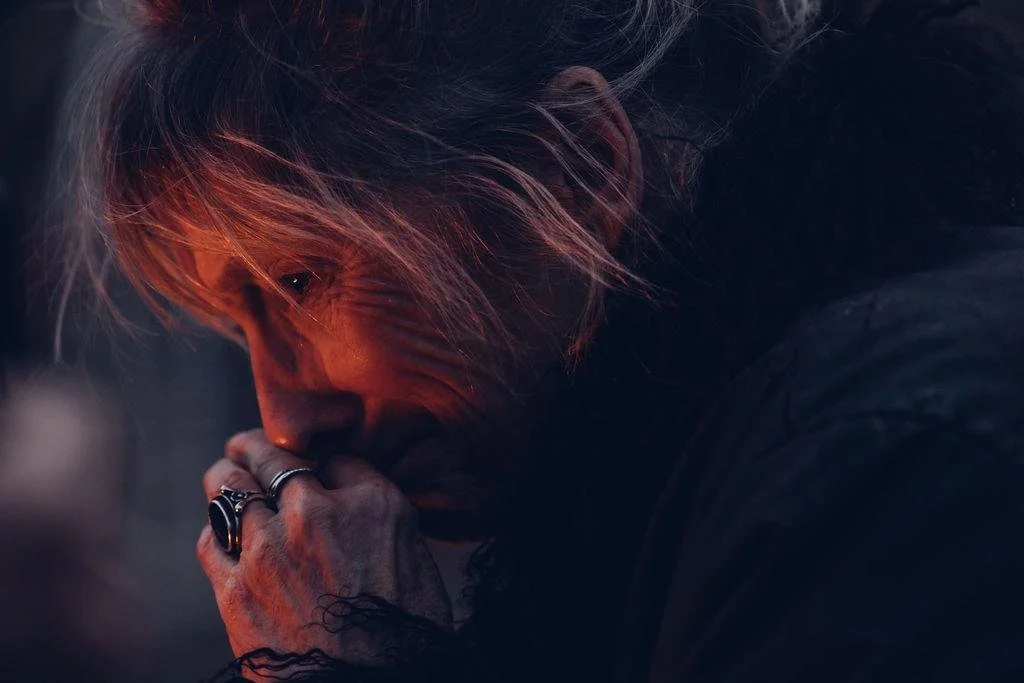
Much of that tension plays out across Gabrielle’s interactions with Sarah, which feel less like confrontations and more like psychological chess matches. Working opposite Pierre Dixon proved energizing for McCarthy, who said the young actor inspired her with an openness and steadiness that reminded her of herself decades earlier. She described their scenes as a tennis match, each pushing the other forward, and spoke warmly about watching Pierre Dixon step into the confidence of someone who seemed completely unblocked creatively.
Despite how real Gabrielle feels, McCarthy did not consciously model her on real-world cult leaders. Instead, she pulled from something more personal and more universal. She talked about remembering how the most terrifying authority figures in her life were often the quietest ones, teachers or parents whose voices dropped instead of rising. That quiet, she said, represented deep, dark waters of terror. Gabrielle lives in that space.
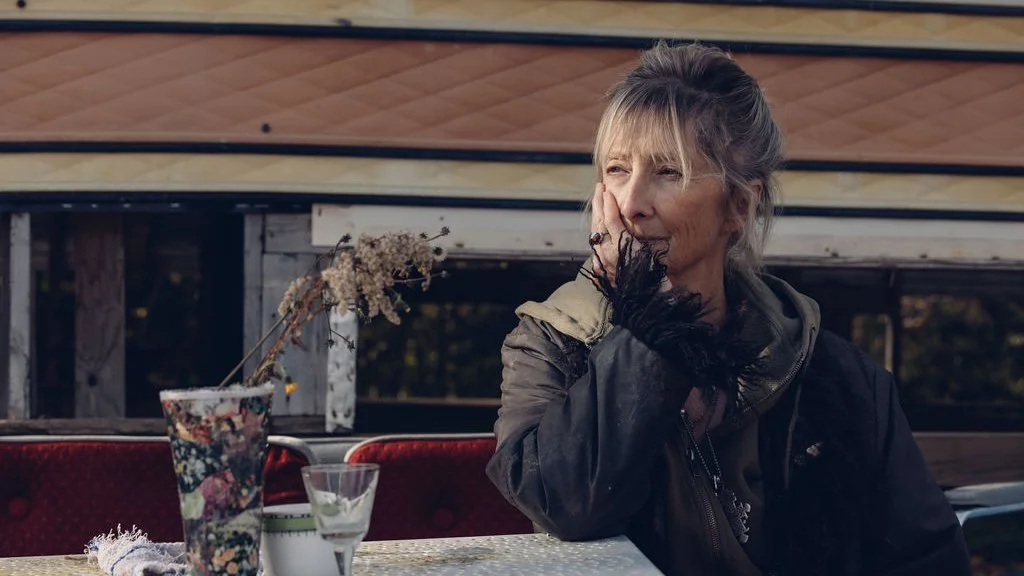
What makes the performance even more compelling is how much fun McCarthy seems to be having with it. After decades of playing underdogs, wallflowers, and quietly strong characters, stepping into a role with this kind of authority felt like entering a playground. She called it playing queen, and you can feel that enjoyment ripple through the film. These genre roles, especially horror adjacent ones like The Well, give her plenty to chew on, and she embraces the eccentric colors they offer.
That sense of freedom did not come easily. McCarthy was candid about how her relationship to acting has changed over time. Early in her career, she was preoccupied with being right, making the right choices, and doing good work. Now, she simply wants to have fun. She spoke about finally feeling a looseness in her work, a comfort with the idea that a project will begin, will end, and that it does not need to carry the weight of the world. It is a perspective that only comes with time, and one she wishes she could share with her younger self.
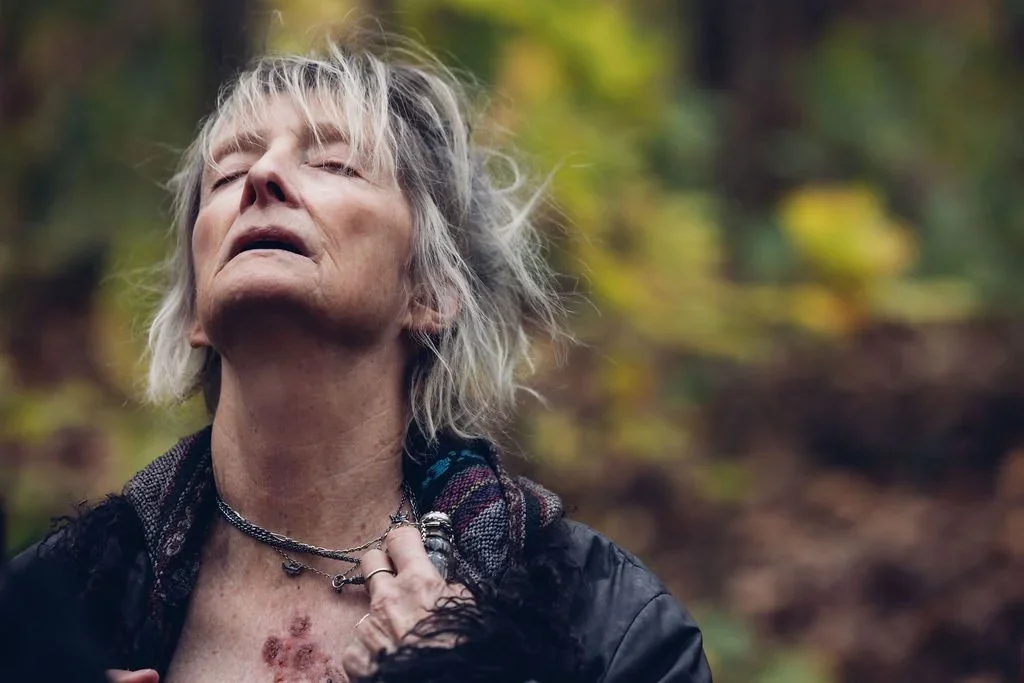
At 70, McCarthy is not slowing down. She spoke enthusiastically about recent and upcoming projects, from Anything for Jackson to Women Talking, the latter of which she described as life-changing. Working alongside Sarah Polley, Jesse Buckley, Claire Foy, Rooney Mara, and Frances McDormand felt like the Olympics every day, an experience that reshaped how she saw her craft and her career.
And yes, on a personal note, talking movies with McCarthy was just as much fun as dissecting performance theory. Any conversation where you can bounce from eco horror to action franchise trivia is a good one. I have always preferred Die Hard 2 over the original, and not for ironic reasons, plus Sheila McCarthy is in it. Sometimes the math is that simple.
That warmth and generosity match what she brings to The Well. McCarthy delivers a performance built on control, quiet terror, and deep empathy for a character who truly believes she is doing the best she can. She does not ask you to forgive Gabrielle, but she does invite you to understand her. As she said herself, you do not play the badness. You just play the person. Everything else takes care of itself.
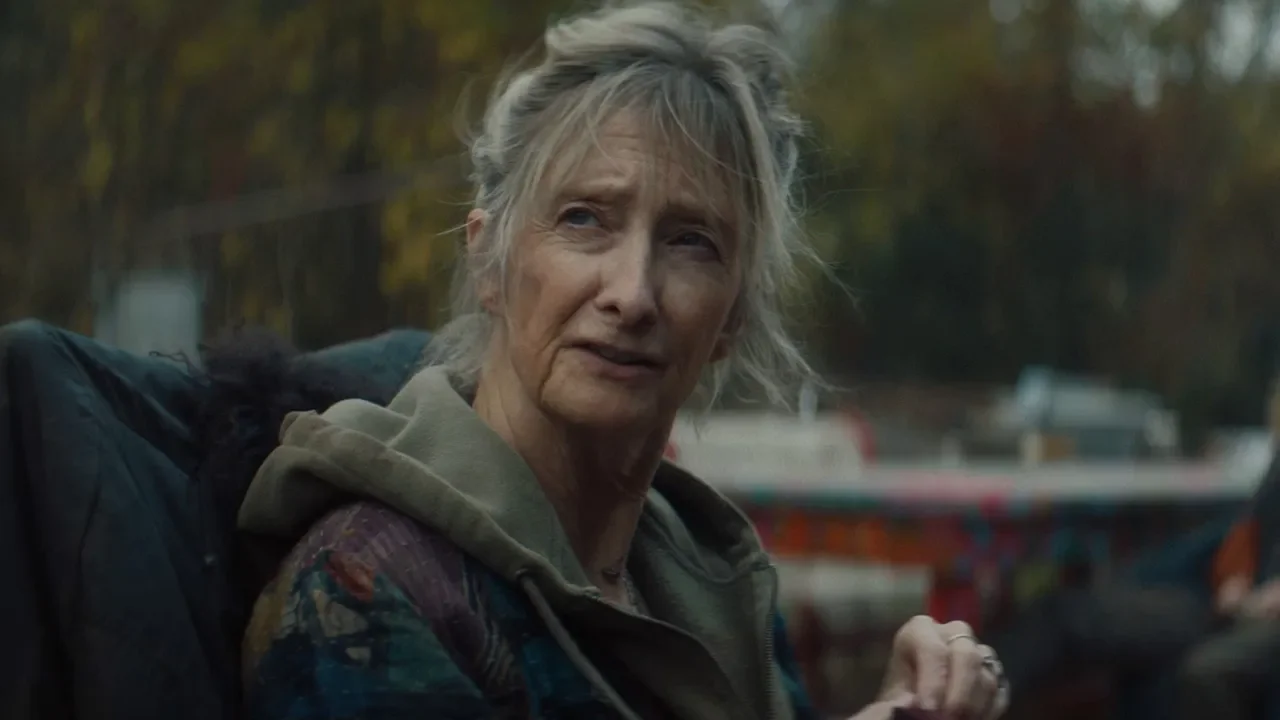
In The Well, Sheila McCarthy delivers a performance built on control, quiet terror, and deep empathy for a character who believes she is doing the best she can. She does not ask you to forgive Gabrielle, but she does ask you to understand her. That kind of nuance does not come from playing the badness. As McCarthy put it, you just play the person. Everything else takes care of itself.
Jessie Hobson