
There are a few people in this industry who quietly sharpen you just by sitting and talking with them. Lin Shaye is one of those people. This was my second time interviewing her, and once again, she reminded me why she has endured for decades. Not just as a performer, but as someone who understands story, character, and the exact moment where comedy and horror overlap.
I have known Lin Shaye primarily through comedy for most of my life. From scene stealers to full-blown character turns, she has always carried a kind of sharp warmth. Watching her evolution into a full-on horror icon has been one of the great genre pleasures of the last decade. With Scared to Death, that evolution feels locked in. The train does not stop here.
In Scared to Death, Shaye plays Max, a cantankerous horror director who might be even scarier than the supernatural chaos unfolding around her. What immediately appealed to Shaye was how unapologetically outspoken Max is. As she put it, she loved that Max “had a mouth on her” and was “not afraid to say what she felt.” That freedom mattered. Shaye openly admitted that while we all try not to be nasty, there is something honest and cathartic about being able to say what needs to be said, even if it comes out rough.
Max is not written as a villain, though she often behaves like one. Shaye approached the role by grounding her in intention rather than cruelty. She explained that Max “wasn’t really a bad person, she just acted badly some of the time.” That distinction is crucial. It is also what makes the performance work. Watching Shaye, you never feel like she is playing attitude for its own sake. There is always something underneath it.
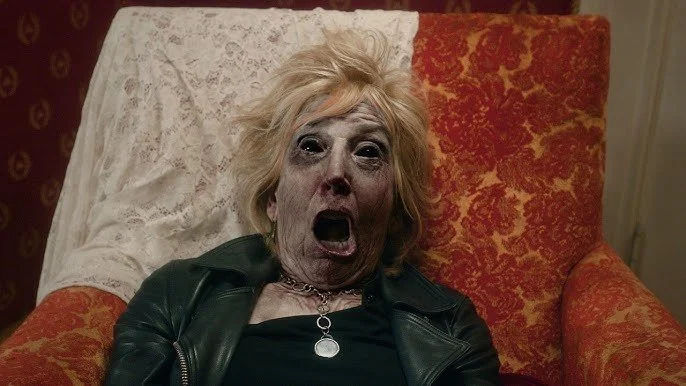
That layering extends to Max’s appearance. Shaye has spent a good part of her career embracing characters who are worn down, overlooked, or quietly desperate. Here, Max thinks she is cool. She puts on her lipstick. She wears her leather. She struts. Shaye laughed as she talked about how fun it was to feel attractive on screen, to dress up, to play someone who believes in her own image, even if the film slowly peels that confidence away.
And that confidence does crack. One of Shaye’s priorities was ensuring the film gave Max moments of vulnerability. She specifically asked for scenes where the character breaks down, pointing to a phone call moment in the film that reveals something raw beneath the armor. Shaye believes that even the nastiest person becomes more compelling when we understand why they are that way. Without those glimpses, she said, it would just be “acting nasty all the way through,” and that is not interesting.
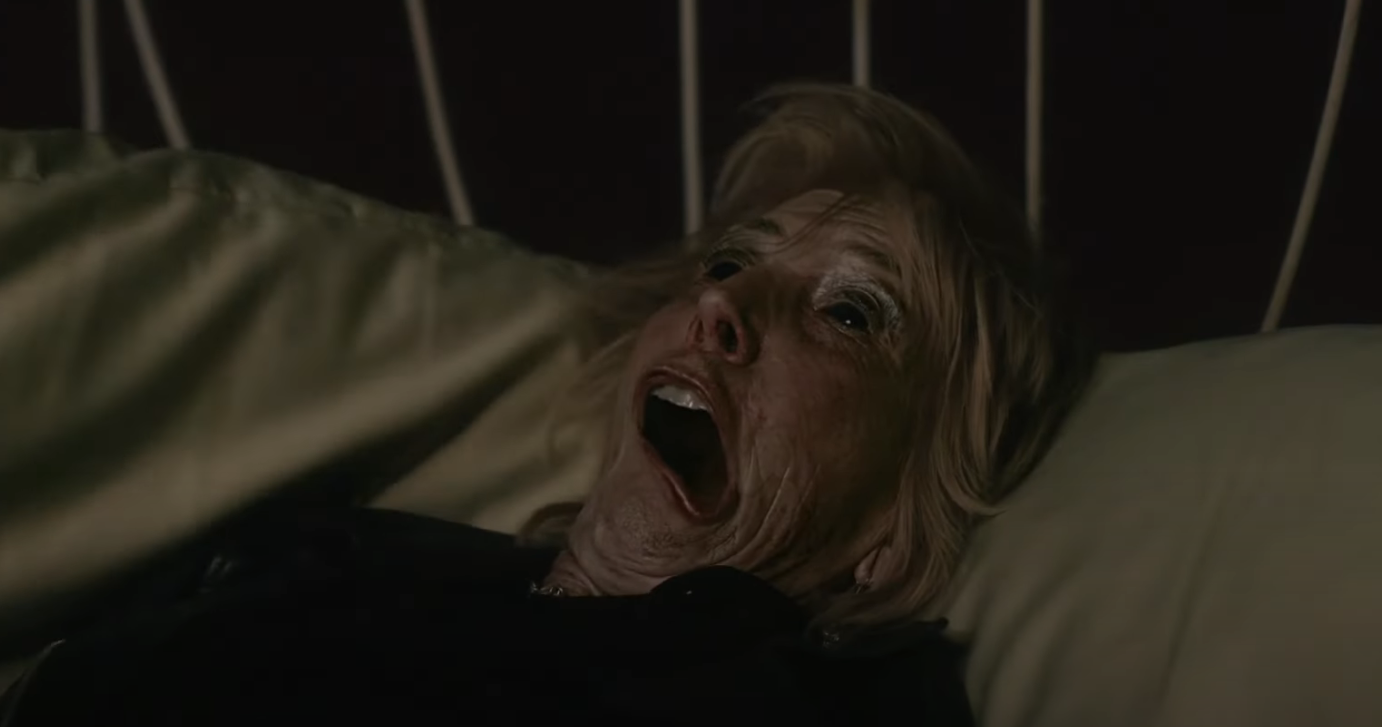
This balancing act is especially tricky in a horror comedy that is keenly aware of its own genre. Scared to Death is a horror film about making a horror film, complete with haunted house tropes and genre-savvy humor. Yet Shaye did not overthink the meta angle. She focused instead on relationships, especially the push and pull between Max and the people around her. Character comes first. The horror and comedy grow out of that.
When it comes to genre itself, Shaye is refreshingly honest. She acknowledges that stories repeat, that we are often telling the same few tales over and over. What matters is the dance within the story. Finding the rhythm where horror, comedy, and truth coexist. For Shaye, that means embracing mistakes, letting Max trip, letting her be wrong, and letting the audience see it.
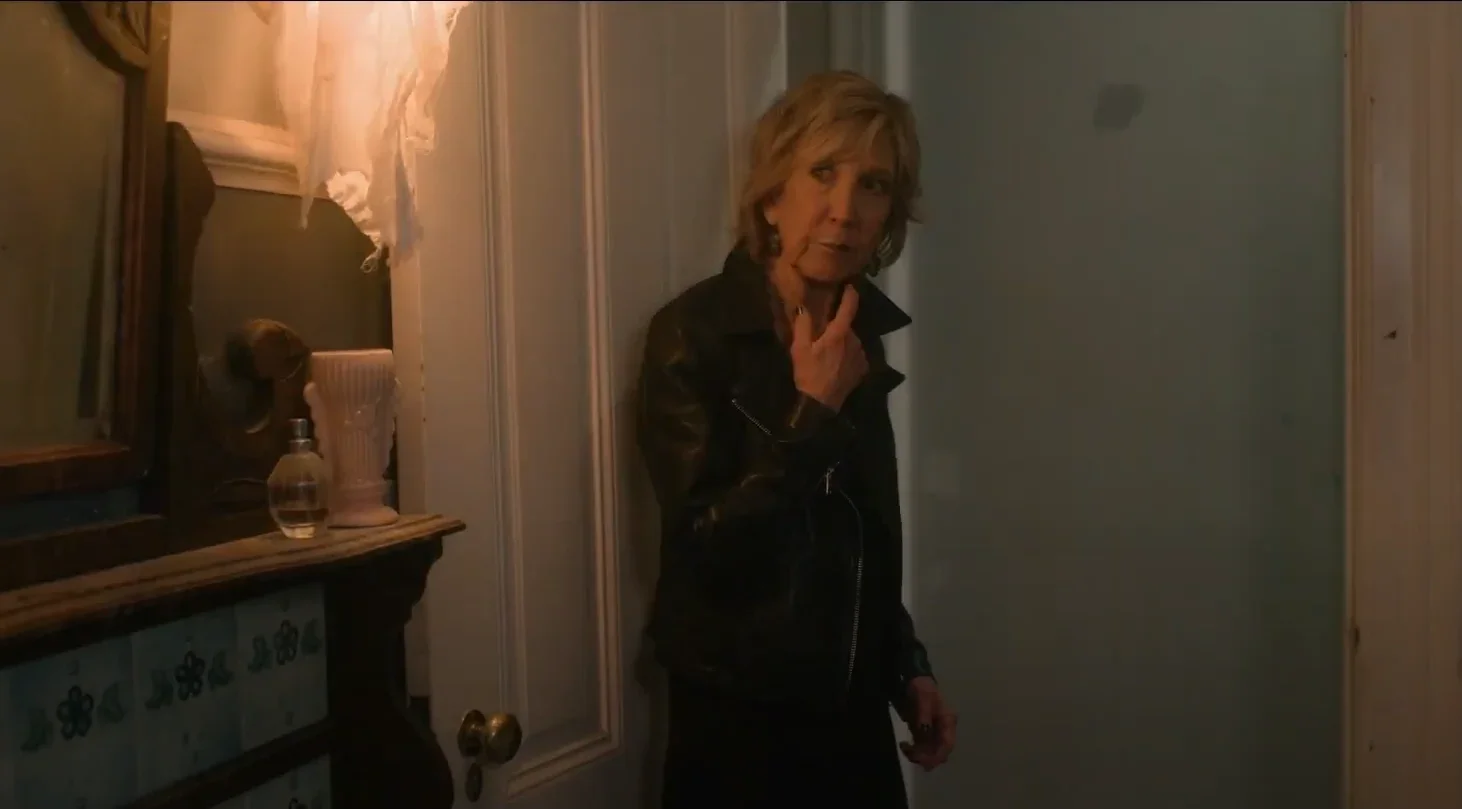
Despite being equally revered for comedy, Shaye does not separate a scare from a punchline as much as people might expect. She does not chase punchlines. She stays true to the writing and collaborates when something feels off. If it comes down to it, she delivers what the director wants, but her long career has earned her a voice, and most filmmakers are smart enough to listen.
Watching Lin Shaye in Scared to Death, you feel the full weight of that experience. She is funny without trying. Intimidating without being cartoonish. Vulnerable without losing power. It is the kind of performance that only comes from someone who knows exactly who she is.
And speaking with her again, years after our first interview, it felt full circle. She is still gracious. Still engaged. Still razor sharp. Lin Shaye does not just survive in horror. She shapes it.
Jessie Hobson