
Laura Irene Young’s I Swiped the Wrong One is a gentle, funny, and surprisingly heartfelt romantic comedy that explores the modern struggle of finding love in the age of apps, algorithms, and endless scrolling. Shot in the Pittsburgh area under a SAG-AFTRA micro-budget agreement, the film proves that honesty, humor, and good storytelling can go a long way, even without the gloss of a Hollywood production.
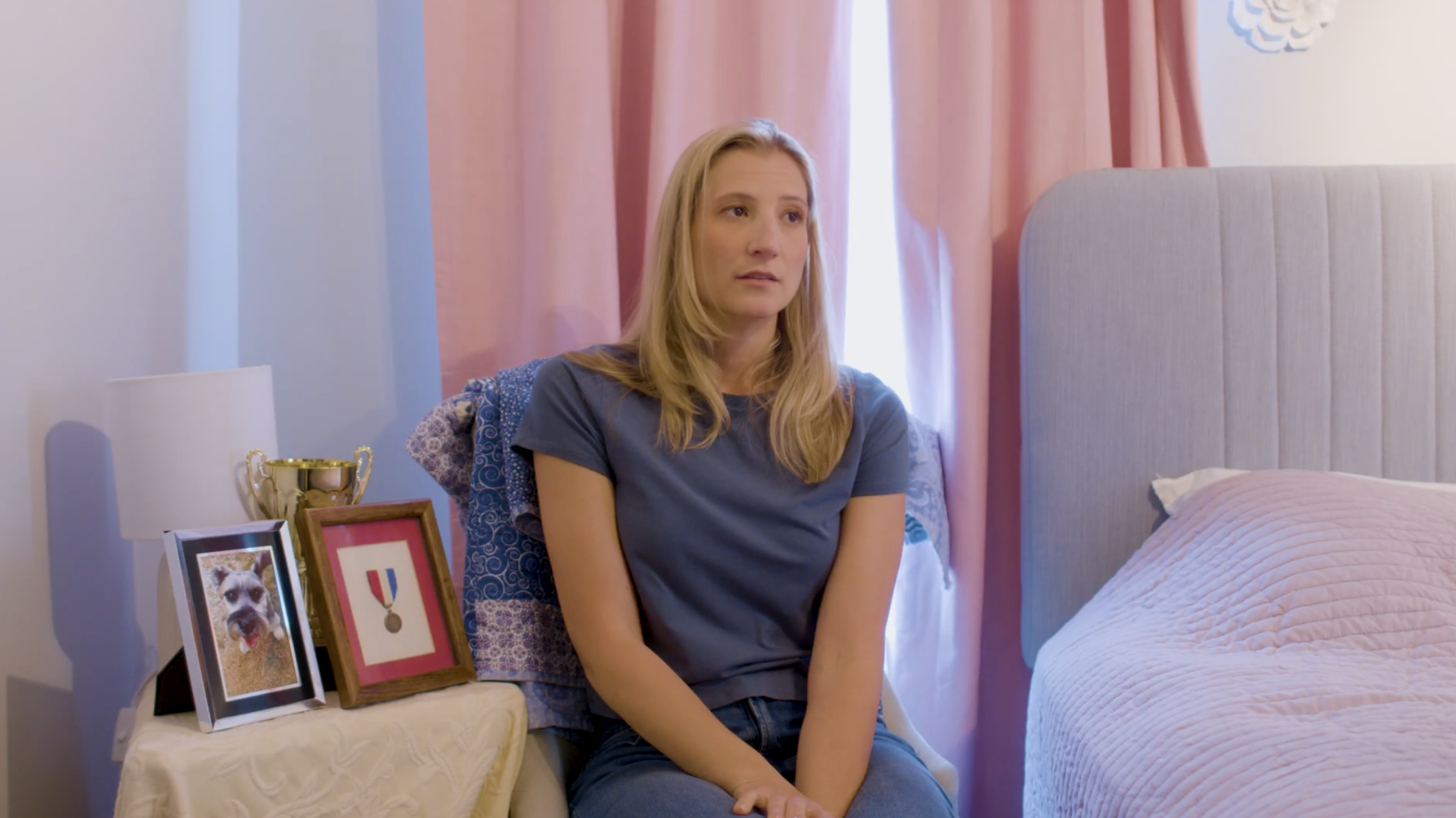
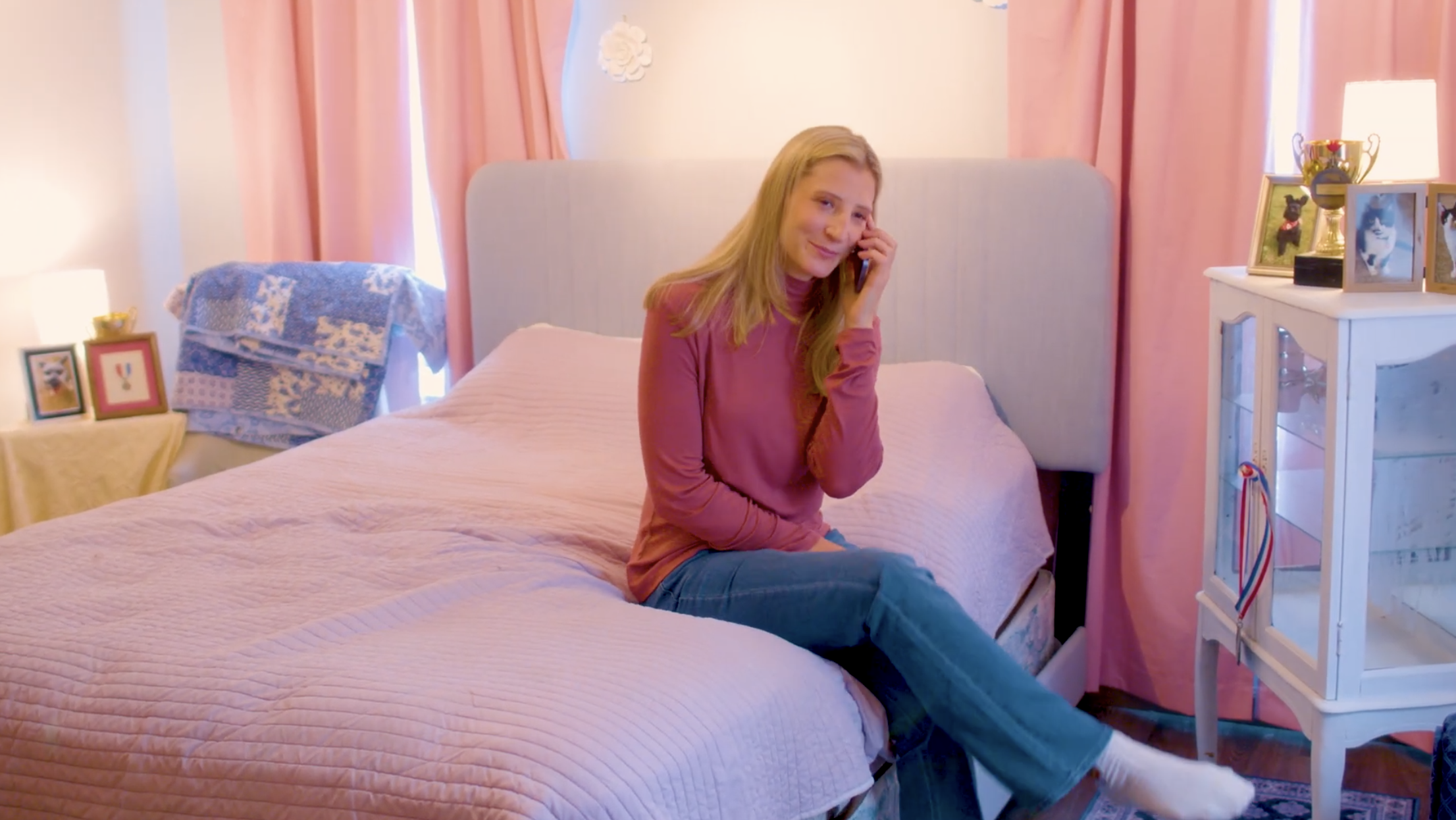
The story follows four thirtysomething characters who are each dealing with loneliness, new beginnings, and the awkwardness of digital dating. Amanda, played by Rachel Pfennigwerth, is a former political aide whose Washington, D.C. career comes to an abrupt end after her congressman boss becomes involved in scandal. Forced to move back in with her parents in Pittsburgh, Amanda is soon confronted by the humorous and slightly painful reality of starting over. With her parents pushing her to “get back out there,” she reluctantly turns to dating apps, leading to a series of awkward and often very funny encounters.
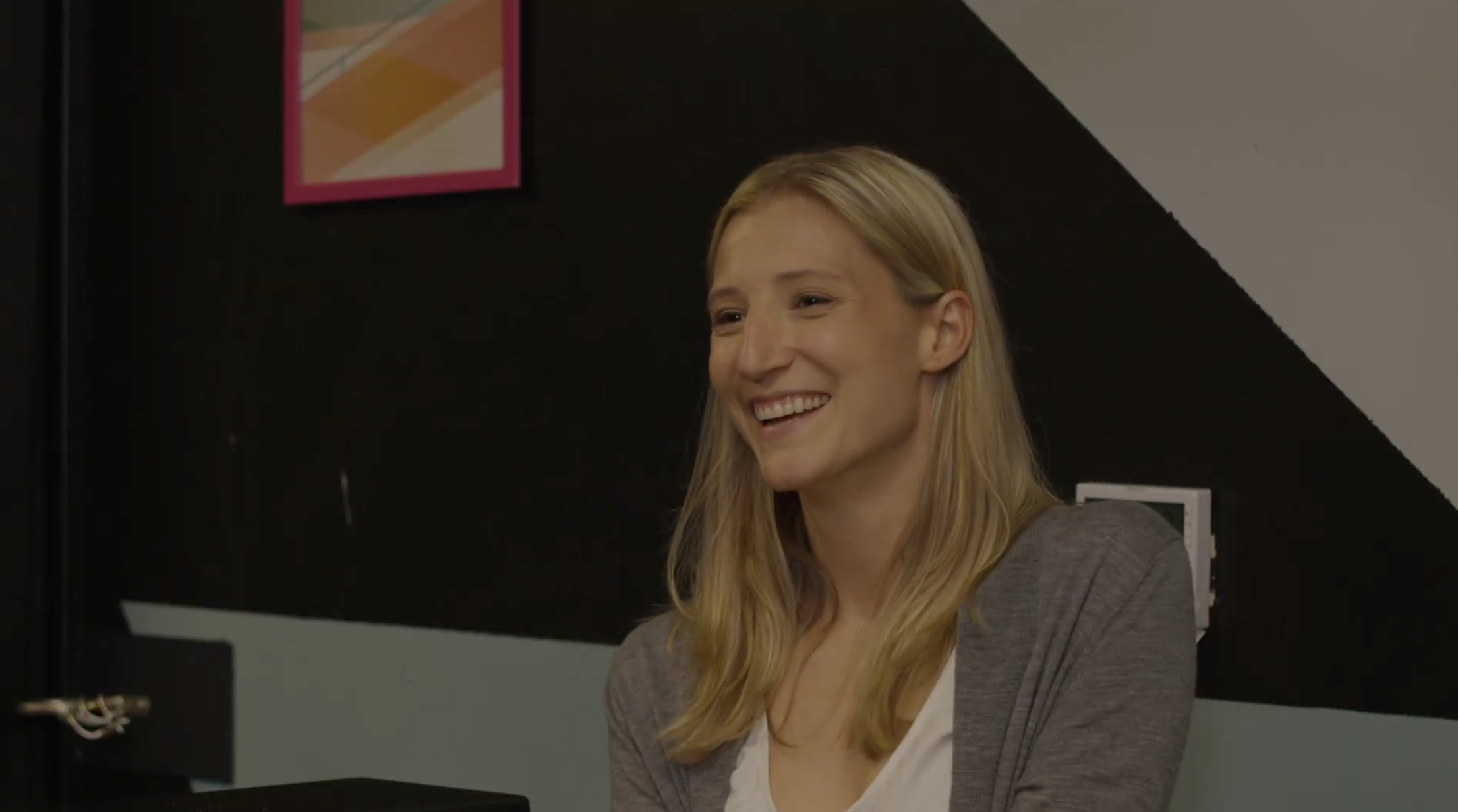
Dustin Andrews plays Michael, a recently divorced man struggling to find his footing after the collapse of his marriage. He is well-meaning, a little wounded, and unsure if he is ready to date again. Emily Moore, as Ashley, captures the frustrations and absurdities of the app-based dating scene with perfect comedic timing, while Nicholas Zarzeczny’s Matthew adds a grounded, self-deprecating charm that balances the ensemble.
Joe Fishel’s screenplay mines humor from everyday interactions and the uncomfortable truths of dating in the digital age. There are some sharp observations about how people curate their online selves and how easily miscommunication can derail connection. Many of the best moments are character-driven, like Amanda’s parents giving her wildly outdated advice or Ashley enduring a hilariously bad coffee date that feels painfully authentic. The humor is rooted in recognition rather than exaggeration. These people feel like real adults navigating familiar chaos rather than sitcom caricatures.
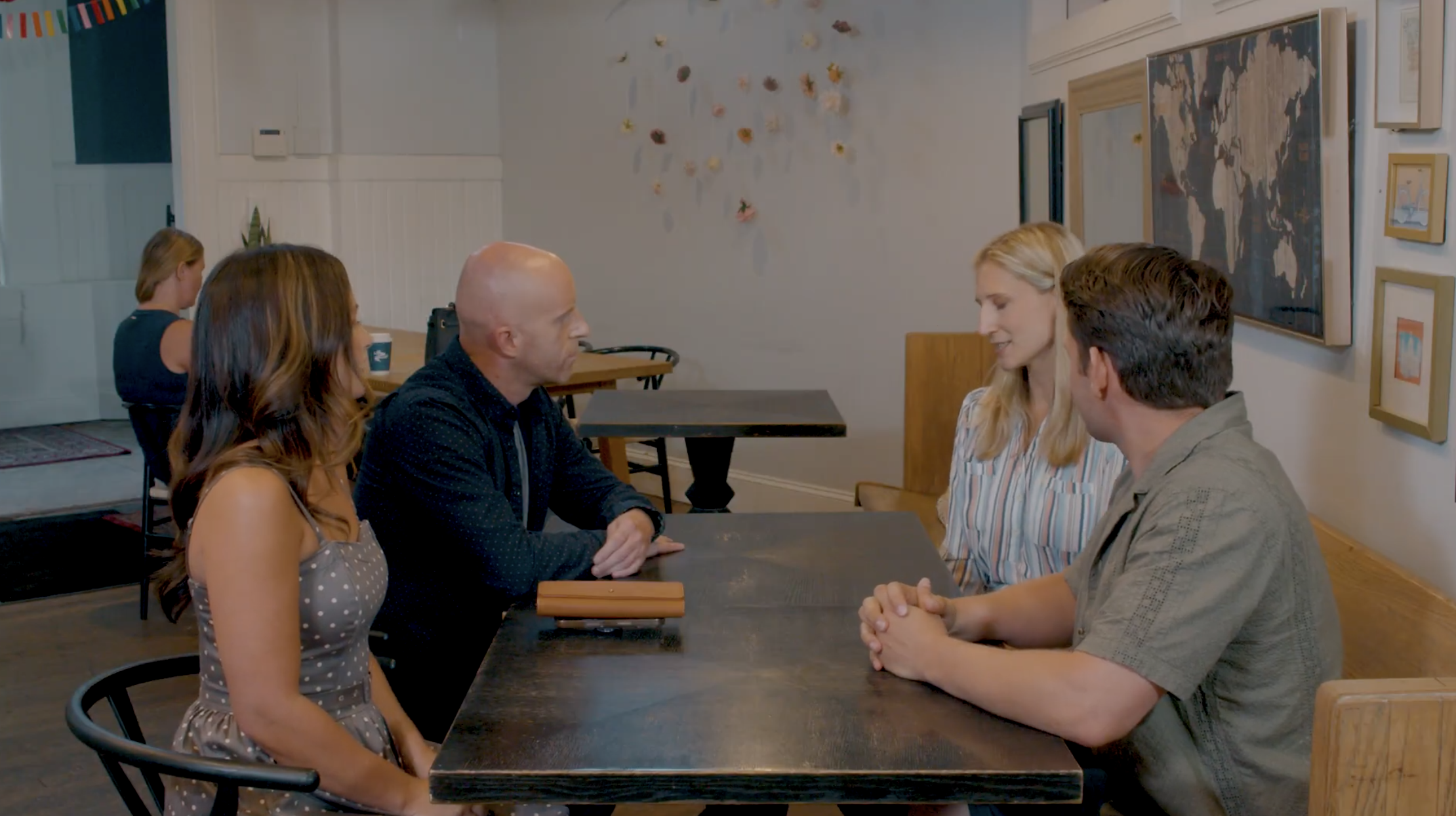
At times, the dialogue leans toward exposition, explaining things the audience already understands. A few scenes would benefit from a lighter touch, letting subtext or visuals carry the emotion instead of spelling everything out. However, these moments are forgivable, especially considering the film’s micro-budget scale. What stands out most is the sincerity behind the words.
The performances are uniformly likable, even when uneven. Pfennigwerth brings warmth and relatability to Amanda, showing both her vulnerability and quiet resilience. Andrews finds a natural rhythm as Michael, portraying the kind of everyman audiences root for. Moore gives the film its comedic edge, while the supporting cast, especially Julia Silverman and Ron Lake as Amanda’s well-meaning parents, delivers some of the funniest and most human moments. Their blend of meddling and affection feels instantly familiar to anyone who has ever had family “help” with their love life.
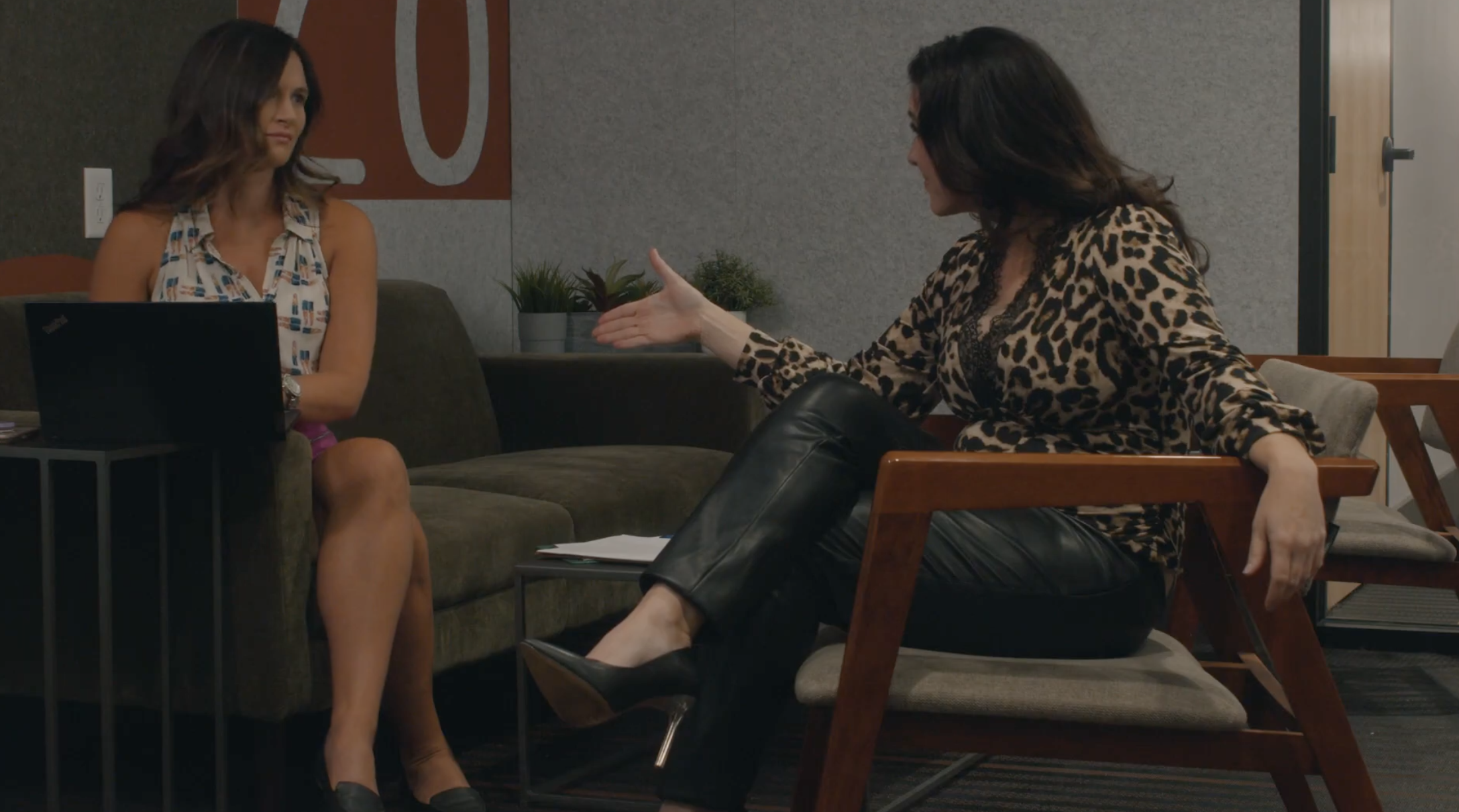
Visually, I Swiped the Wrong One keeps things simple. The cinematography favors steady two-shots and static frames that highlight the actors’ performances rather than flashy visuals. While this sometimes gives the film a slightly flat, stage-like look, it also creates a sense of intimacy and focus. A bit more camera movement could have added energy to certain sequences, but the film’s grounded aesthetic suits its tone and story.
Where the movie truly succeeds is in its tone and emotional honesty. It does not chase the exaggerated fantasy that many romantic comedies rely on. Instead, it leans into realism, showing that love can be awkward, unpredictable, and sometimes disappointing, yet still worth pursuing. The ending avoids a neat fairy-tale resolution, choosing instead to celebrate growth, self-awareness, and the courage to keep trying. It is a choice that feels genuine and refreshing.
I Swiped the Wrong One is a modest film, but it radiates warmth and sincerity. It is the kind of story that reminds viewers that romance does not always arrive in perfect packaging and that connection often comes from imperfection itself. Despite its rough edges in pacing and polish, it remains a thoroughly enjoyable watch that captures the funny, cringeworthy, and heartfelt realities of dating in today’s world.
Verdict: A sincere and charming indie comedy that may not break new ground, but finds humor and heart in the awkwardness of real life.
Jessie Hobson