
Blue Emanuelle isn’t interested in tidy plotting or clean explanations. It cares more about mood. About how something feels while it’s happening. Directed by Jamie Grefe, the film moves like a half-remembered dream, circling longing, memory, and that strange ache of wanting something you can’t quite put into words. Set mostly inside a secluded guest house on the edge of Los Angeles, it turns into a quiet meditation on isolation, desire, and the pull of something you don’t fully understand.
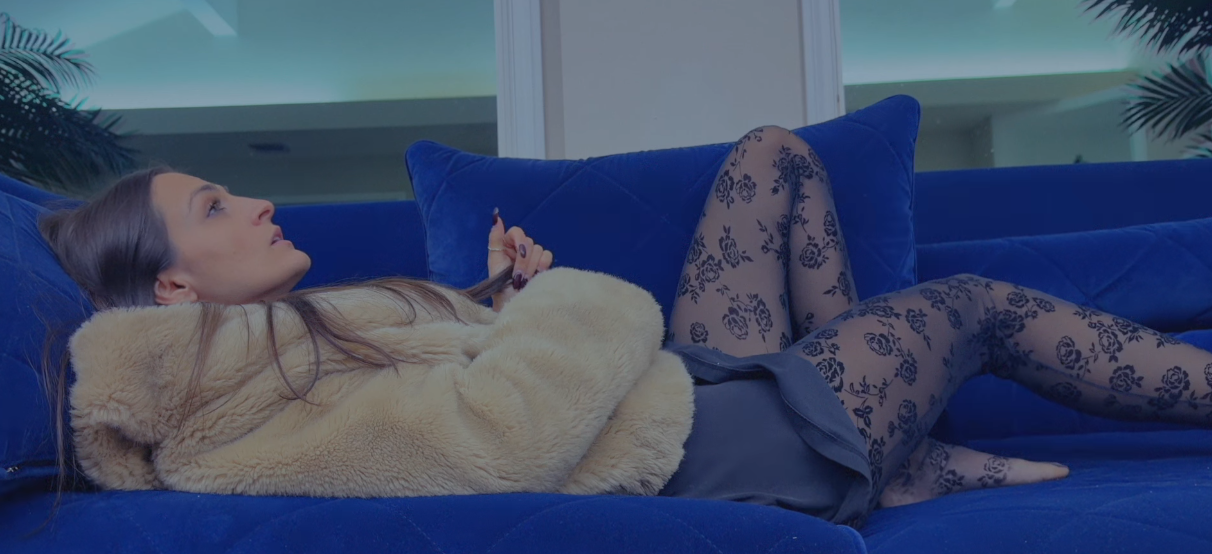
Martina Monti plays Emanuelle Rogers, a traveling journalist who arrives in L.A. for a fashion show and ends up staying in a house that feels slightly removed from reality. The house becomes more than just a location. It starts to feel alive. Not haunted in a traditional sense, but emotionally charged, like it’s holding onto things. Memories. Regrets. Pieces of people who walked through it before.
Inside, Emanuelle meets Nadia, played by Sofia Papuashvili, with a kind of restrained, almost ghostly calm. Nadia seems like she’s already been claimed by the space, drifting through its rooms as if she belongs to it. Their connection isn’t built through heavy dialogue. It’s in the pauses. The looks. The way they exist in the same frame. Grefe leans into that quiet and lets it do the talking.
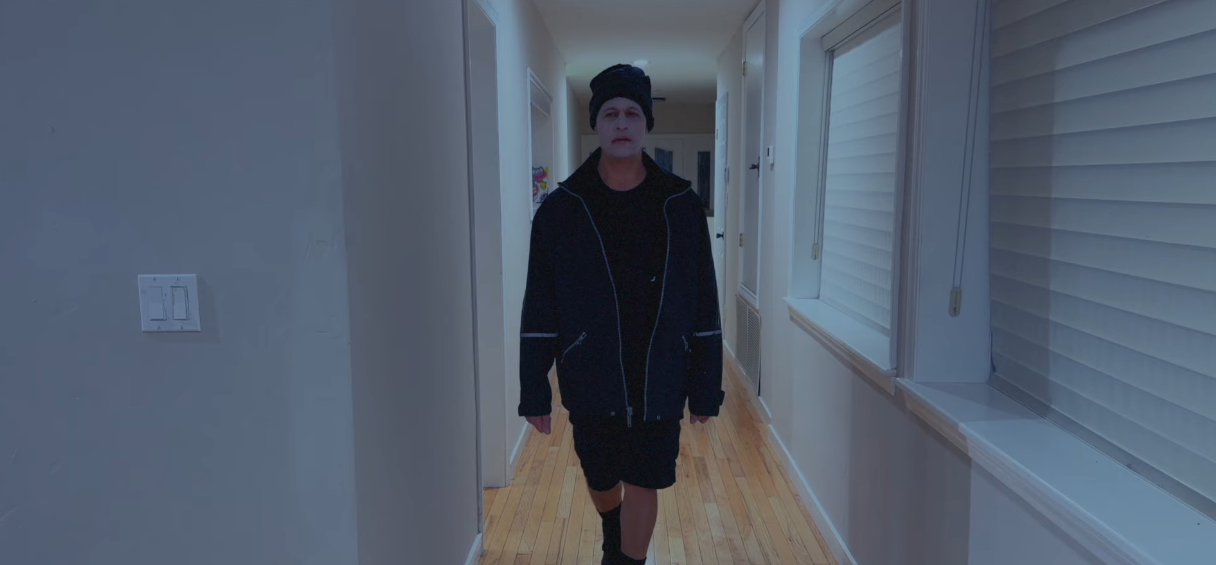
Visually, the film commits hard to its tone. The wash of blue throughout gives everything a romantic but suffocating edge. It’s sensual without feeling cheap, suggestive without crossing into exploitation. Desire here isn’t loud. It’s hazy. Abstract. Chris Spinelli shows up as the mysterious Mr. Somewhere, bringing a subtle but unsettling energy that cuts through the softness and reminds you something isn’t quite right.
Story-wise, this isn’t going to work for everyone. It doesn’t hand you answers, and it doesn’t rush to explain itself. It’s more about emotional drift than narrative payoff. If you’re waiting for a clean thriller arc, you might get frustrated. But if you’re willing to sit with it, to let it wash over you instead of trying to solve it, there’s something compelling there.
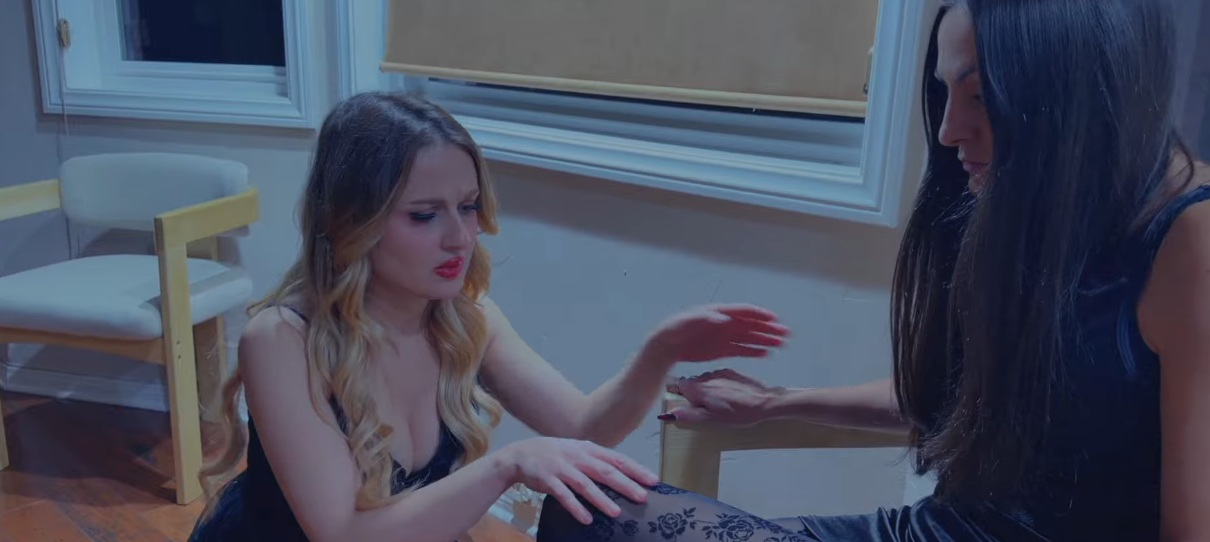
Blue Emanuelle lives in that space between romance and melancholy. It’s about being untethered. About getting lost, and not being entirely sure if that’s a bad thing. Like the house at its center, the film doesn’t spell out the rules. It just opens the door and lets you decide whether you’re willing to step inside.
Jessie Hobson