
The Way Things Used 2 B wears its heart on its low-rise jeans. Written and directed by Kurstin Moser and Ciara Naughton, the short comedy is a clear love letter to early-2000s rom-coms, leaning hard into nostalgia, character-driven humor, and the comforting predictability of the genre. For anyone who grew up dreaming of kissing Jude Law in a rainy British village or riding off into the sunset with Matthew McConaughey, this one knows exactly who it’s playing to.
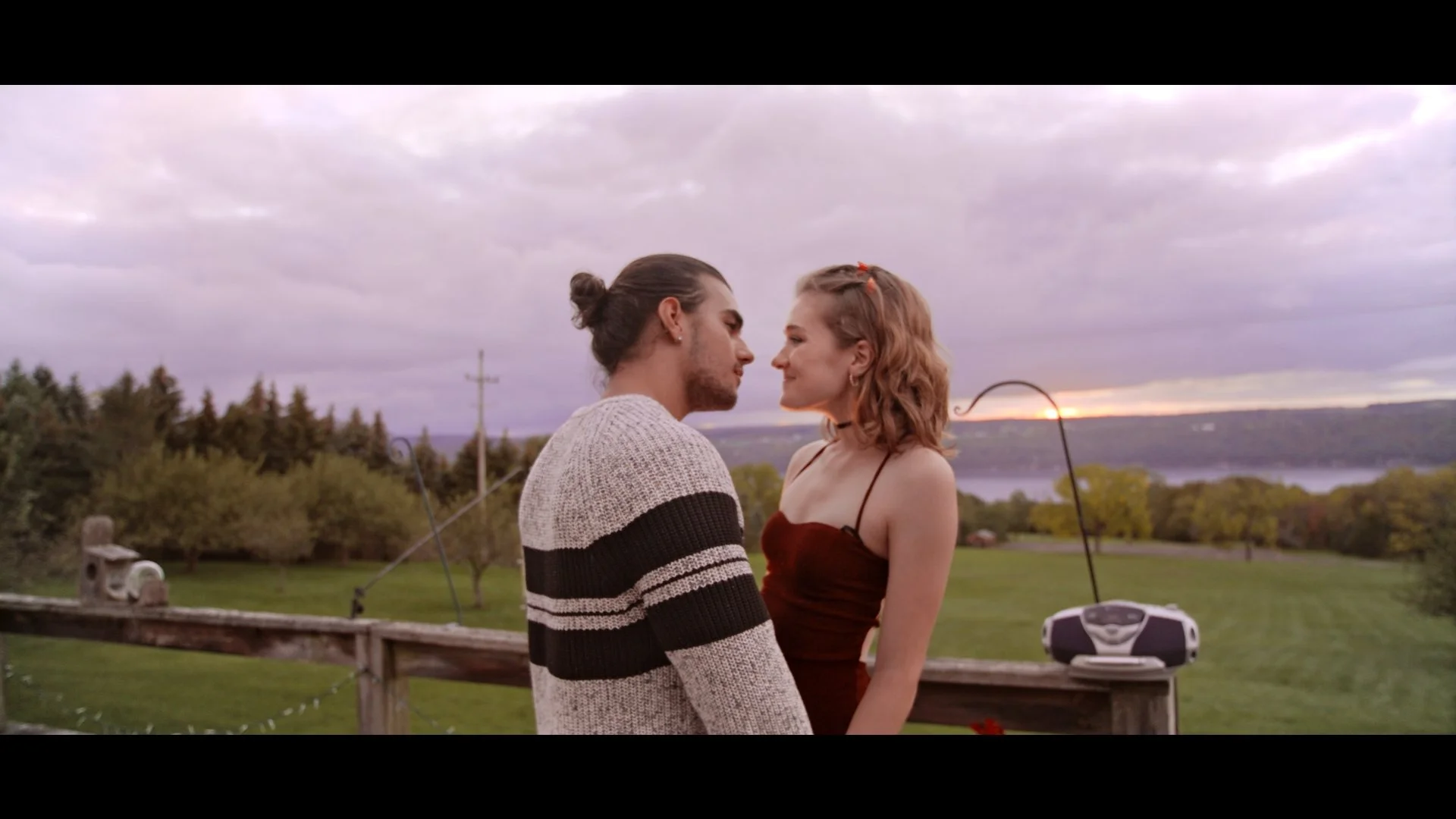
Set squarely in the Y2K era, the film follows Jenny, played with sharp timing and surprising restraint by Jackie Romankow. Jenny is a spoiled, unemployed college dropout whose main talent is draining her parents’ credit card. Her no-nonsense sister Lizzie, portrayed by Meredith Brown with perfectly deployed sarcasm, gives her an ultimatum: get a job and start acting like an adult. That push lands Jenny at a local country club, where she comes face to face with Darren, a former classmate she never liked and now, unfortunately, her boss.
What unfolds is less about grand romantic gestures and more about small shifts in perspective. The comedy comes from Jenny’s warped idea of adulthood and her awkward attempts to function in the real world. The film wisely lets the relationship between Jenny and Darren breathe. Instead of rushing toward familiar rom-com beats, it allows the chemistry to develop naturally, even if you can see the destination coming from a mile away.
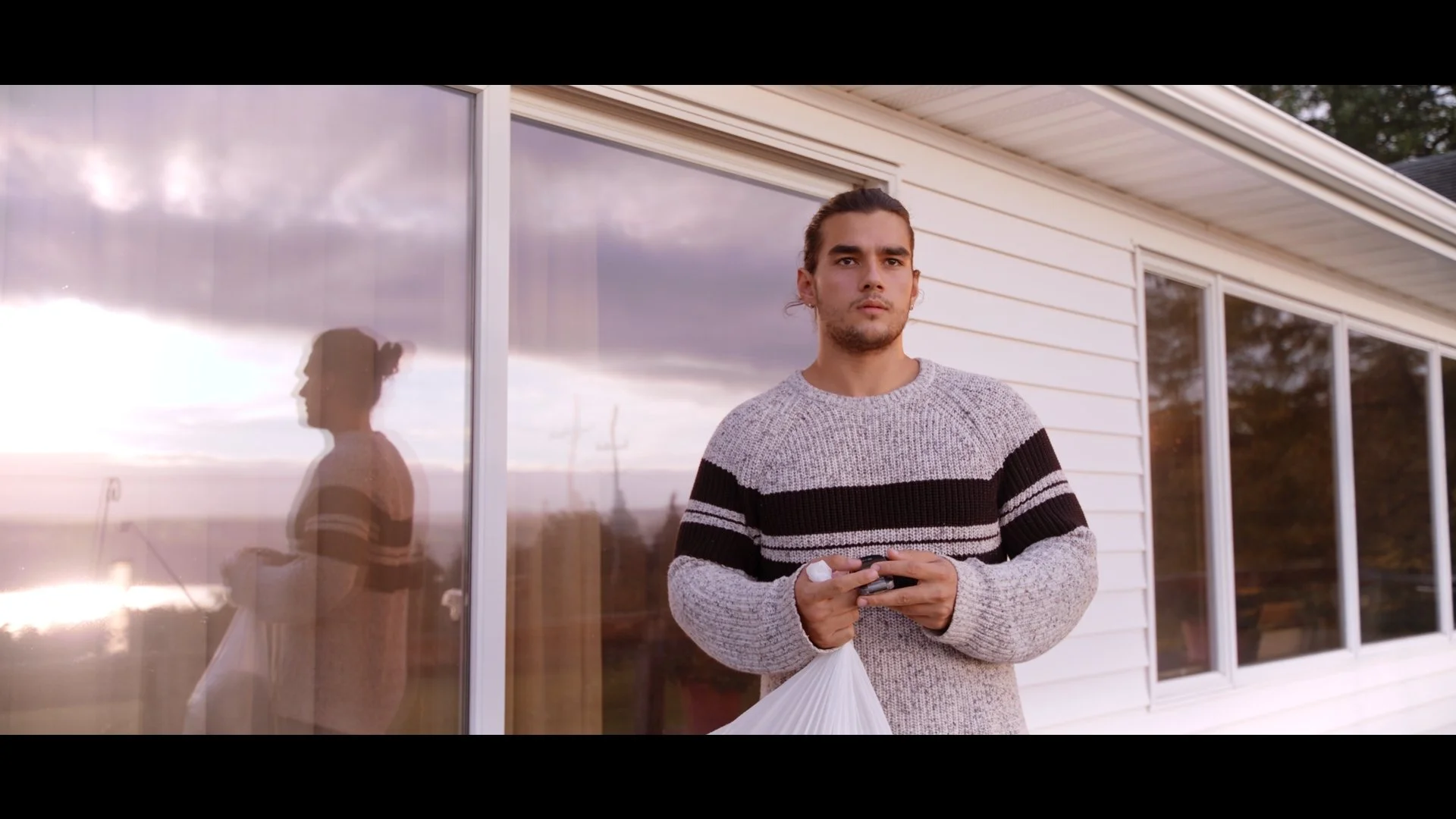
The Y2K aesthetic is anything but subtle, and that’s part of the charm. A Clueless poster on the wall, PlayStation 2 references, and a soundtrack stacked with early-2000s-adjacent tracks like “Girlfriend Song” by Juice and “One Love” by Fox Drop featuring Lars Safsund help sell the era. The needle drops add personality and warmth, reinforcing the film’s commitment to nostalgia without feeling like a parody.
Romankow carries the short with ease, balancing Jenny’s materialism with just enough vulnerability to keep her from tipping into caricature. Lee Keinan’s Darren is understated and likable, a grounded counterweight to Jenny’s chaos. Brown’s Lizzie delivers some of the film’s sharpest moments, acting as both comic relief and reality check. Together, the performances do most of the heavy lifting, and they largely succeed.
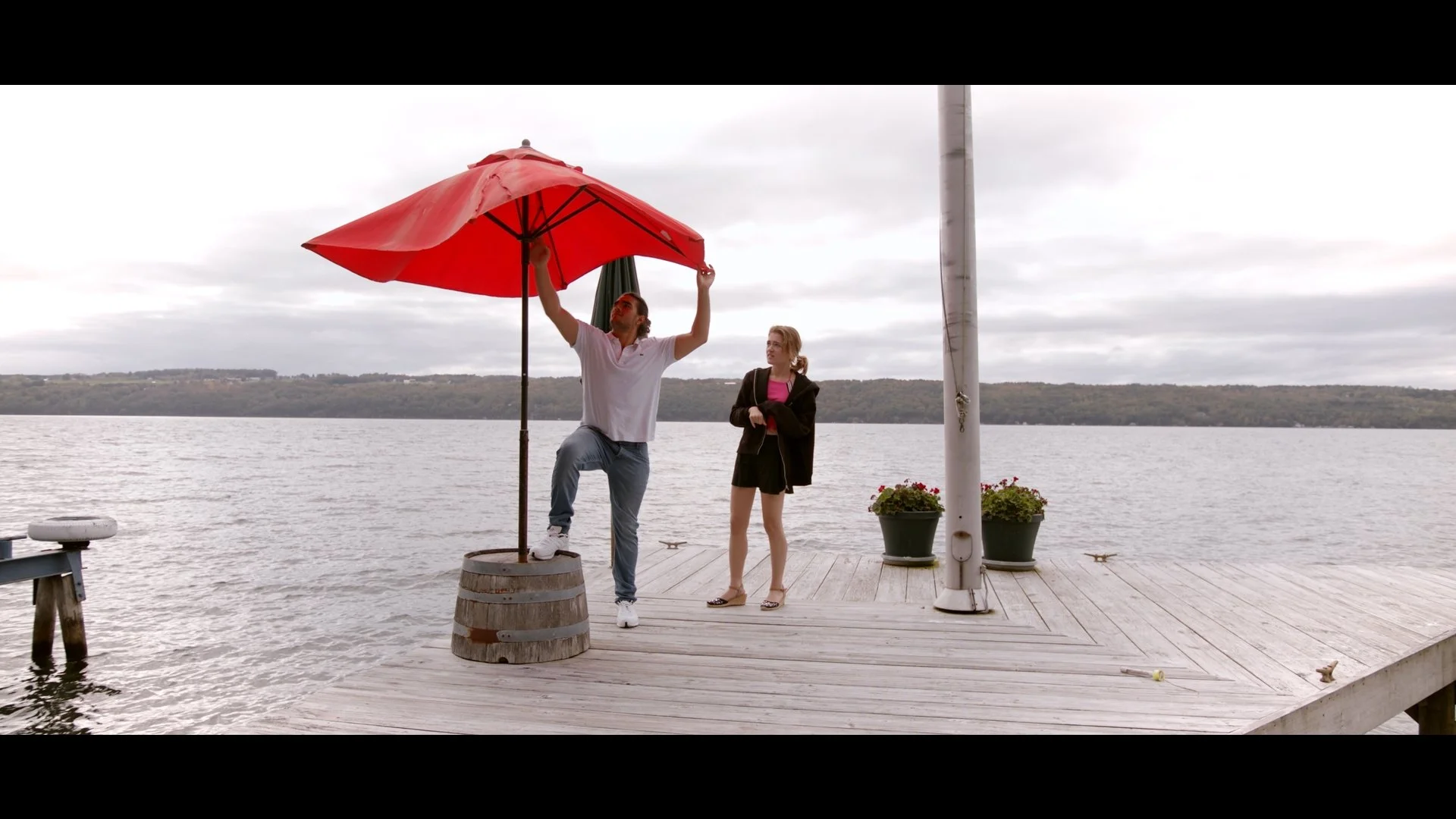
Visually, The Way Things Used 2 B keeps things simple. Adam Coe’s cinematography favors natural light and soft framing, sticking to a small handful of locations with prom-night flashbacks filling in emotional context. While the approach is clean and efficient, it occasionally carries a polished student-film sheen, lacking the visual risk that might have elevated it further. On the technical side, the sound design and mix by Mat Mruz stand out. Dialogue is crisp, music is well balanced, and the audio work quietly supports the film’s tone throughout.
The screenplay is not interested in reinventing the romantic short. Instead, it fully embraces the tropes of the rom-coms it clearly adores. You know where it’s headed, and that familiarity is intentional. This is comfort cinema in miniature, driven by the idea that people grow up, feelings change, and sometimes the person you least expect ends up meaning the most.
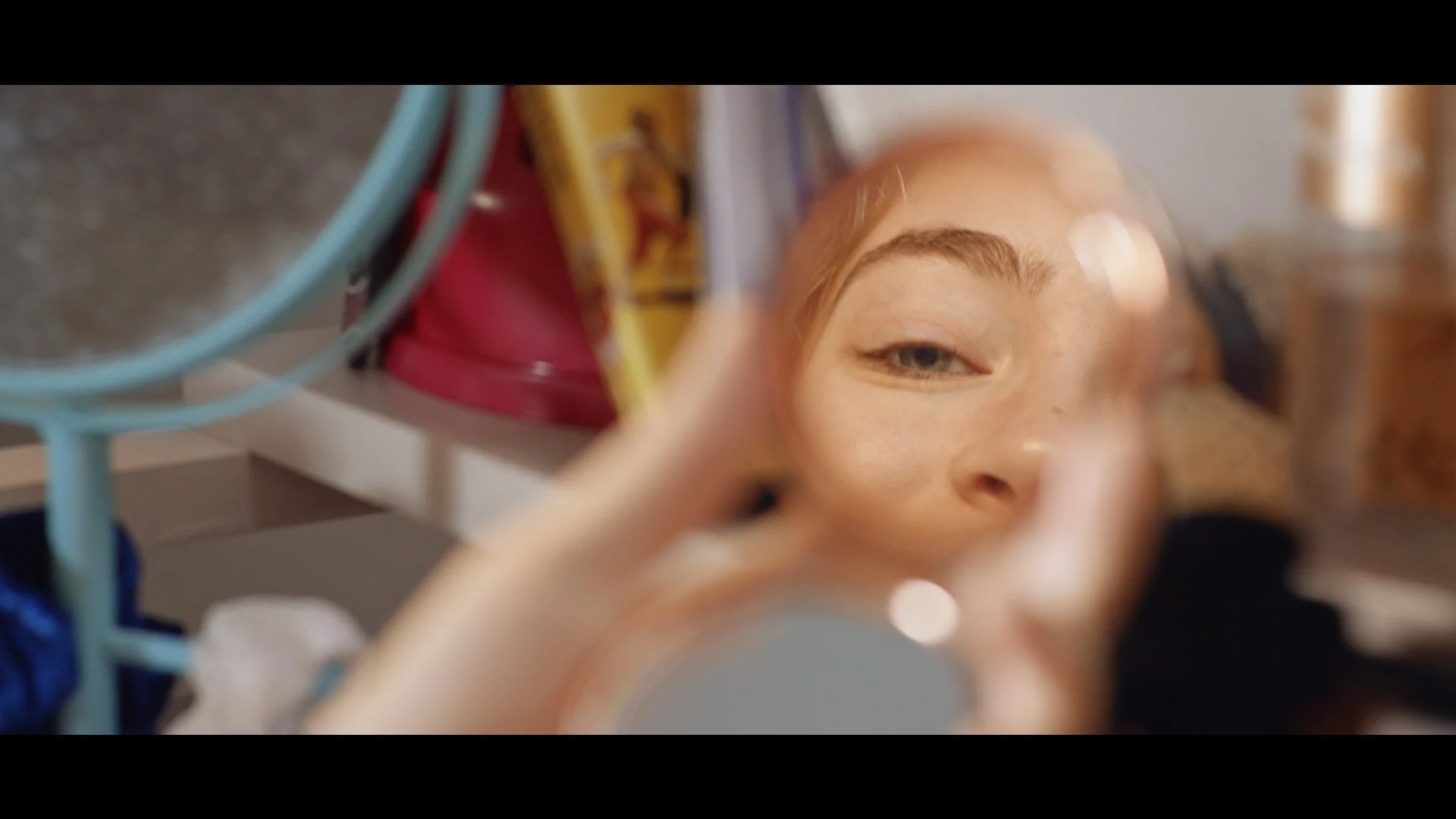
As a short, The Way Things Used 2 B works well. It is sweet, sincere, and easy to like, even if it never pushes beyond its cozy lane. More than anything, it feels like a proof of concept. Moser and Naughton show a solid grasp of pacing, tone, and emotional payoff, and it is not hard to imagine this expanded into a feature-length throwback in the vein of 10 Things I Hate About You, a modernized Mean Girls, or any other classic gathering dust on your DVD shelf.
It may not break new ground, but it knows exactly what it is and commits fully. For fans of old-school rom-coms, those 17 minutes should go down easy.
Jessie Hobson