
Valley of the Shadow rides in quiet, bloody, and deliberate. This is not a crowd-pleasing shoot ‘em up or a glossy frontier myth. It is a grim Western thriller that trades spectacle for atmosphere and moral rot. From the opening moments, you know the movie is less interested in who pulls the trigger and more in why people convince themselves they have the right to.
Set in 1877 Colorado, the story centers on a false Reverend who uses scripture as camouflage while leaving butchered families behind him. When two survivors cross paths, grief becomes their bond and revenge their destination. What follows is not a clean pursuit of justice but a slow erosion of certainty, faith, and humanity.
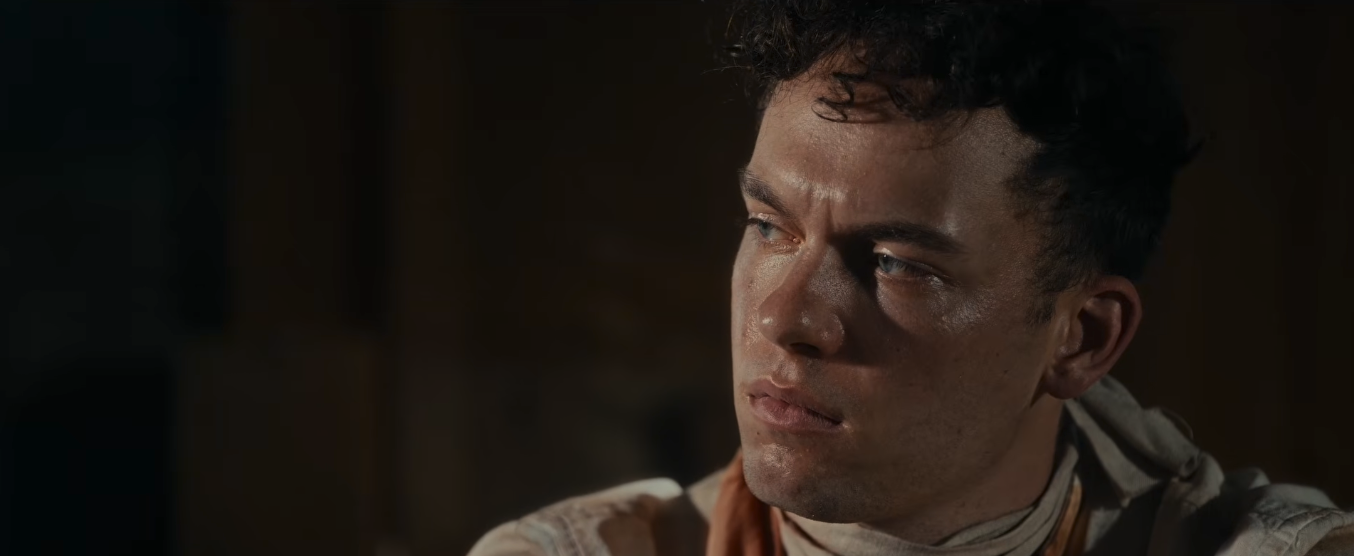
The film’s greatest strength is its tone. The pacing is intentionally restrained, almost stubbornly so. Long stretches of silence, heat, and empty land press down on the characters. This choice will test viewers looking for constant action, but for those willing to sit in the discomfort, it works. The valley feels oppressive and unforgiving, a place where violence does not erupt but festers.
James Edward Holley’s Reverend is the axis everything spins around. He is not loud or theatrical in his cruelty. He is calm, articulate, and terrifyingly convinced of his own righteousness. The performance leans heavily into restraint, which makes the bursts of brutality feel even more disturbing. This is not a mustache-twirling villain. This is a man who understands how faith can be weaponized when people want to believe.
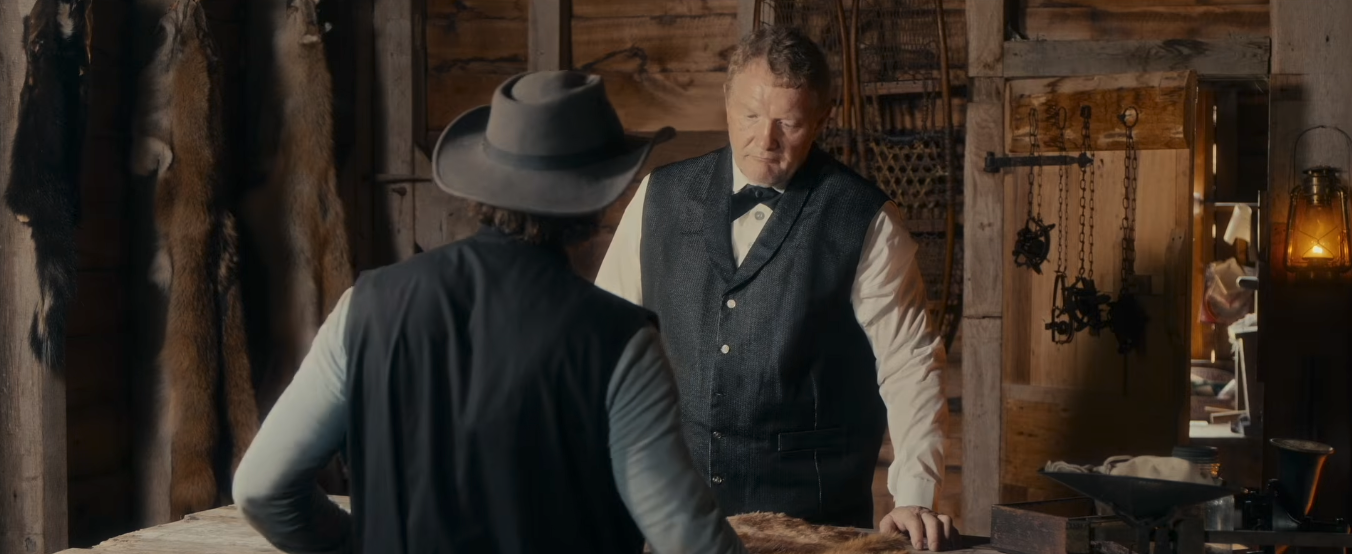
Nathan Todaro brings a weary gravity to Jason Collier, a man already broken before the story truly begins. His performance grounds the film, especially during quieter scenes where loss and guilt hang in the air without dialogue doing the heavy lifting. Logan Vance’s Vernon adds another layer, representing youthful anger and uncertainty rather than pure vengeance. Their uneasy partnership is believable and tense, driven by necessity rather than trust.
Visually, the film makes the most of its modest scope. The frontier locations are sparse and raw, reinforcing the idea that civilization here is thin and fragile. The cinematography favors natural light and muted tones, giving the whole film a weathered look that fits its themes. Violence is shown without flourish. Knives feel personal. Death feels ugly. There is no triumph in it.
Where Valley of the Shadow sometimes stumbles is in its repetition. The sermon discussions, biblical debates, and philosophical standoffs are thematically strong but occasionally overstay their welcome. A few scenes hammer the point harder than necessary, slightly dulling their impact. Tightening these moments could have sharpened the tension without losing depth.
The ending resists easy closure. Rather than offering catharsis, it leaves the audience sitting with consequences. Redemption, forgiveness, and justice remain unresolved ideas rather than neat answers. Some viewers may find this unsatisfying, but it feels honest within the world the film builds. This is a story about the aftermath of violence, not the thrill of it.
Valley of the Shadow will not convert casual Western fans. It is too bleak and too patient for that. But for viewers drawn to psychological thrillers, moral ambiguity, and slow-burning storytelling, it delivers something quietly unsettling. It asks uncomfortable questions about faith, vengeance, and the stories people tell themselves to survive the things they have done.
This is a Western where God never shows up, the devil does not need horns, and justice rarely looks clean.
Jessie Hobson