
Love Girl is the kind of indie psychological thriller that quietly lures you in and then locks the door behind you. What starts as a raw domestic drama about a failing marriage slowly mutates into something colder, stranger, and far more unsettling. By the time it reaches its final act, reality itself feels compromised, and that is exactly the point.
At its core, the film is about erosion. Tina is dissolving under the weight of abandonment, emotional neglect, and her own desperate need to be loved. Michael, her husband, is not a villain in the traditional sense. He is checked out, insecure, distracted by his work, and increasingly hostile as Tina clings harder. Their arguments are uncomfortable because they feel real. The dialogue loops in circles, fueled by resentment, jealousy, and exhaustion. It does not feel scripted so much as overheard, and that authenticity is one of the film’s biggest strengths.
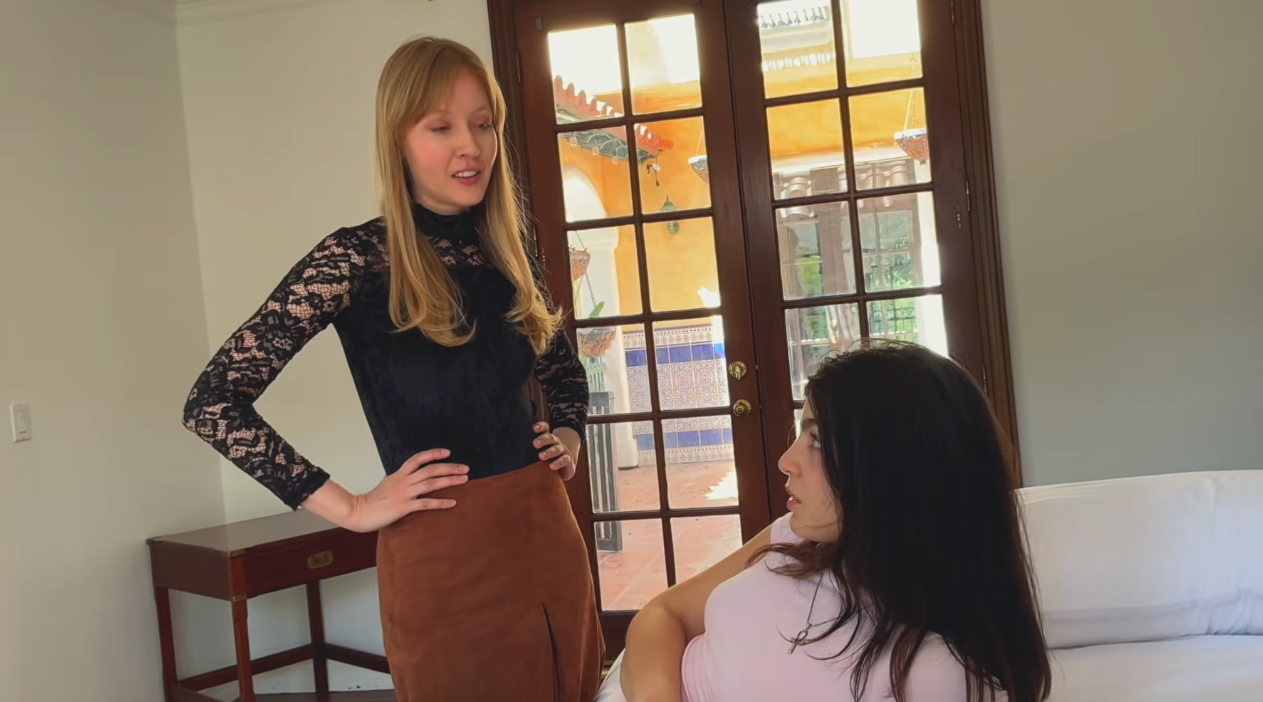
Stasia Bannikova carries the film with a performance that is emotionally exposed and often difficult to watch. Tina is needy, fragile, contradictory, and painfully human. The film never asks you to fully like her, but it does demand that you sit with her suffering. Bannikova handles long, dialogue-heavy scenes without losing intensity, especially during Tina’s psychological unraveling. There is a rawness here that sells the descent without turning it into melodrama.
Jamie Grefe as Michael walks a tricky line. His character oscillates between cruel honesty and passive manipulation. Michael’s obsession with control, especially when framed through his identity as a director, becomes one of the film’s sharpest ideas. Love Girl is not subtle about its metaphor of emotional domination mirroring artistic tyranny. The infamous hairbrush scene is the clearest example. It is excruciating, repetitive, and intentionally suffocating. Watching Tina fail to perform a mundane action under constant criticism becomes a nightmare loop about power, inadequacy, and gaslighting. It is effective, but it is also where the film risks alienating its audience.
That scene will break viewers into camps. Some will see it as bold, cruelly insightful cinema. Others will see it as indulgent and overlong. The repetition is deliberate, but the patience it demands may feel like punishment. Whether it lands depends on how much discomfort you are willing to endure in the service of the theme.
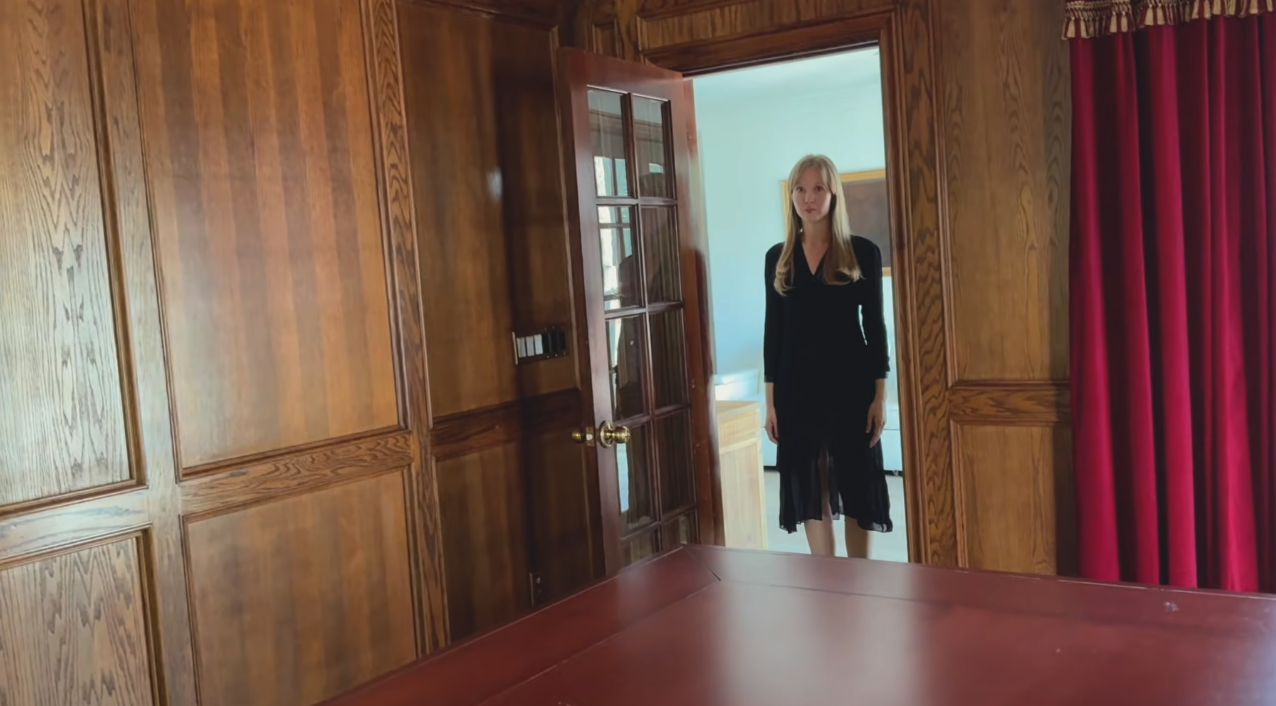
Alx Suljic’s Jane is another standout. Whether read as an imaginary manifestation, a fractured self, or something more symbolic, Jane is playful, predatory, soothing, and cruel in equal measure. She does not simply taunt Tina. She reshapes her identity. The dynamic between Tina and Jane adds a layer of psychological tension that prevents the film from becoming a straightforward marital drama. Jane embodies temptation, self-deception, and the seductive lie of empowerment without healing.
Visually, Love Girl keeps things restrained. Interiors dominate, reinforcing Tina’s emotional imprisonment. The mansion feels less like luxury and more like a psychological trap. The camera lingers uncomfortably close during confrontations, refusing to give space or comfort. Sound design plays a quiet but important role, especially during moments when the line between rehearsal, reality, and breakdown begins to blur.
If Love Girl stumbles, it is in its pacing and occasional self-awareness. There are moments where the film knows exactly how clever it is, and it hangs on that knowledge a beat too long. Some dialogue circles the same emotional wounds without deepening them, testing the audience’s endurance. Still, those flaws feel aligned with the film’s obsession with repetition and entrapment rather than accidental missteps.
Love Girl is not an easy watch, nor does it aim to be. It is a movie about needing love so desperately that identity collapses in its absence. It challenges ideas of performance, authorship, and control both in relationships and art itself. When it works, it cuts deep. When it overstays, it still leaves bruises.
This is a film for viewers who enjoy psychological discomfort, ambiguous realities, and emotional brutality wrapped in intimate indie filmmaking. It will not comfort you, but it will linger. Like a memory you cannot stop replaying, whether you want to or not.
Jessie Hobson