
Netflix’s Wayward, created by and starring Mae Martin, arrives as one of the most intriguing new series of the year, a surreal and unsettling blend of mystery, dark humor, and coming-of-age unease. It constantly shifts beneath your feet, drawing from cult dramas, psychological thrillers, and nostalgic teen adventures while telling a story uniquely its own.
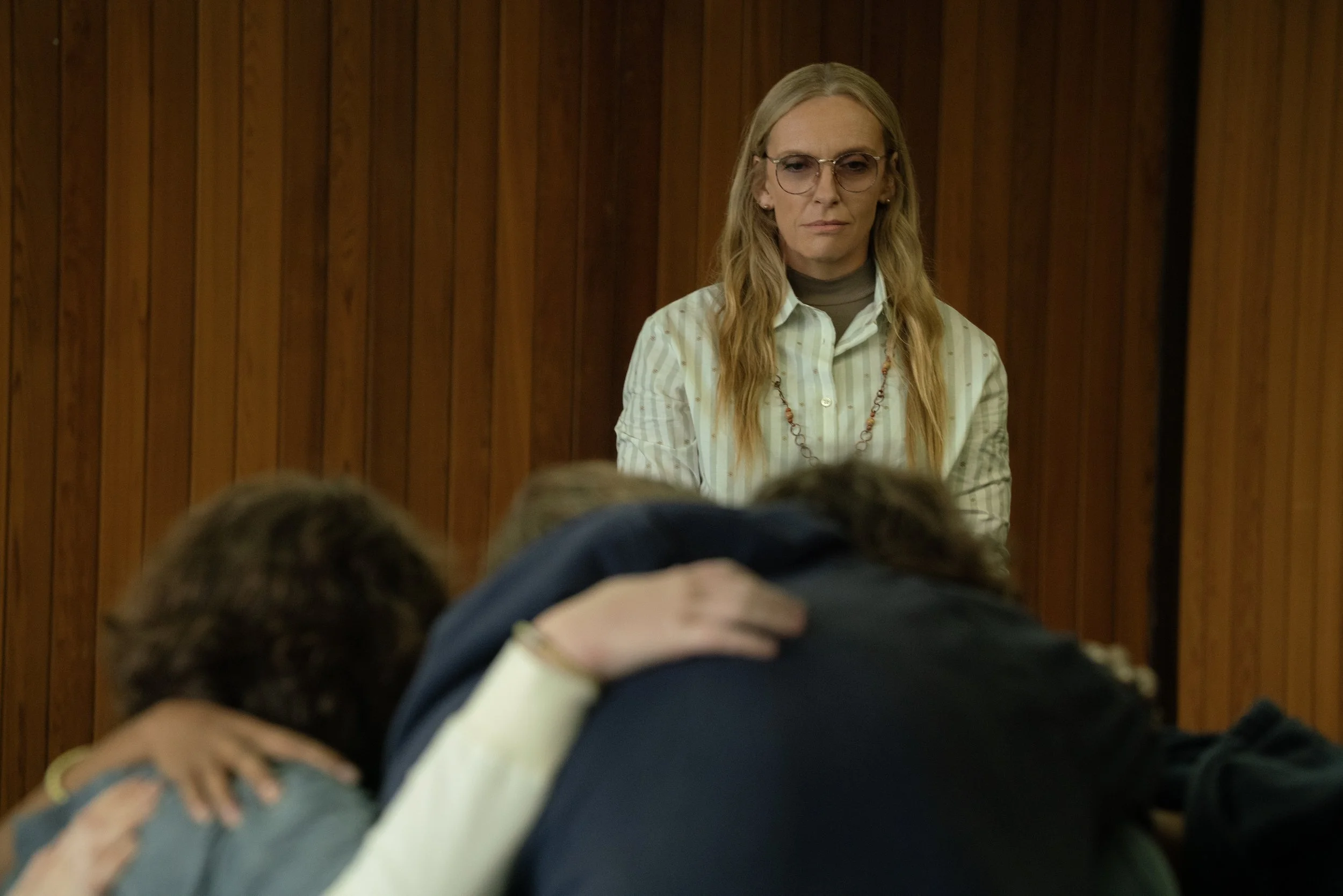
From the first episode, Wayward establishes itself as a visual and sonic experience. The underwater camerawork and drone shots feel cinematic, and the soundtrack is a character in itself, layering moments with nostalgic punches of Weezer, The Vines, Radiohead, and even Pink Floyd. Every needle drop lands with intention, giving scenes a surreal mix of dread and exhilaration.
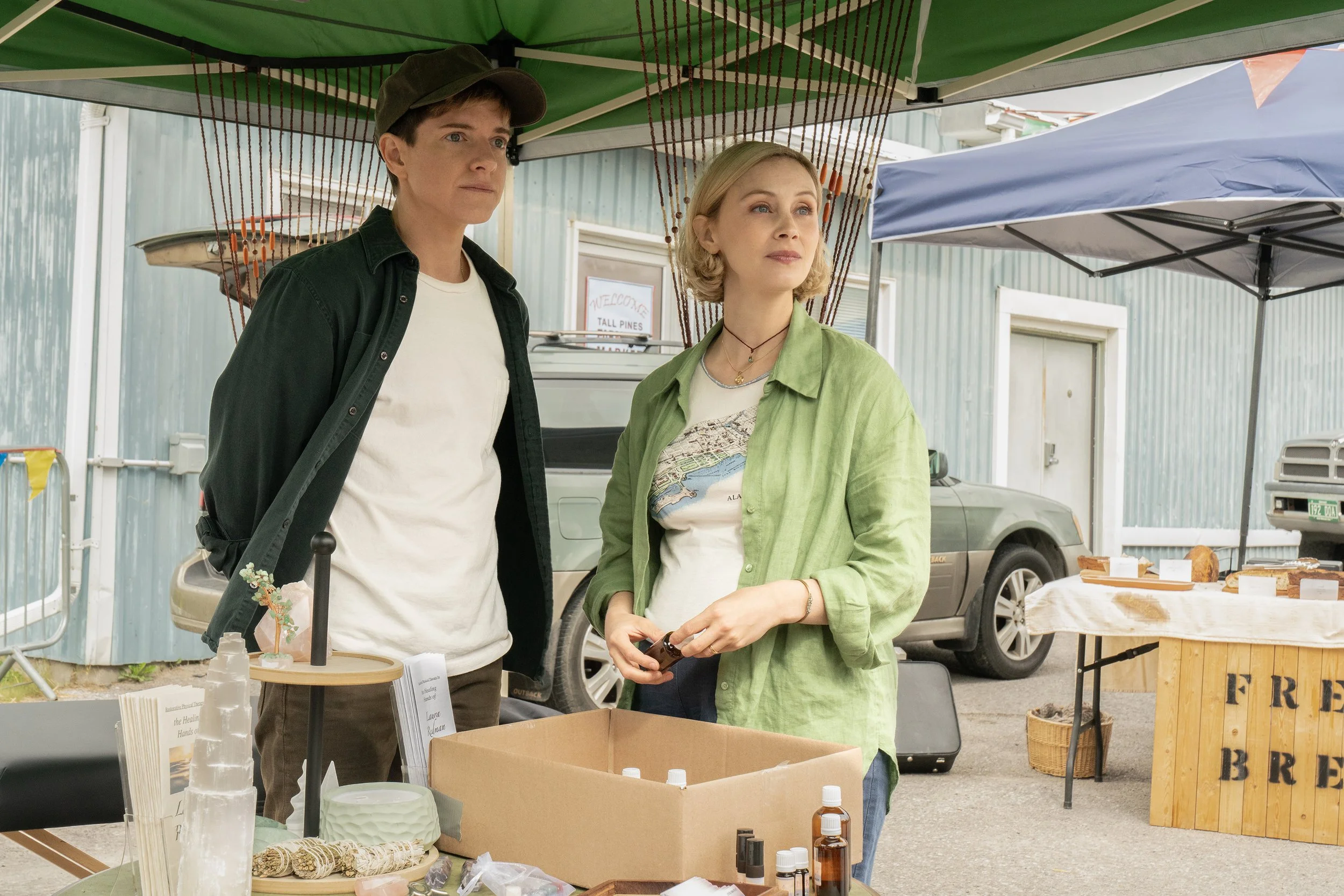
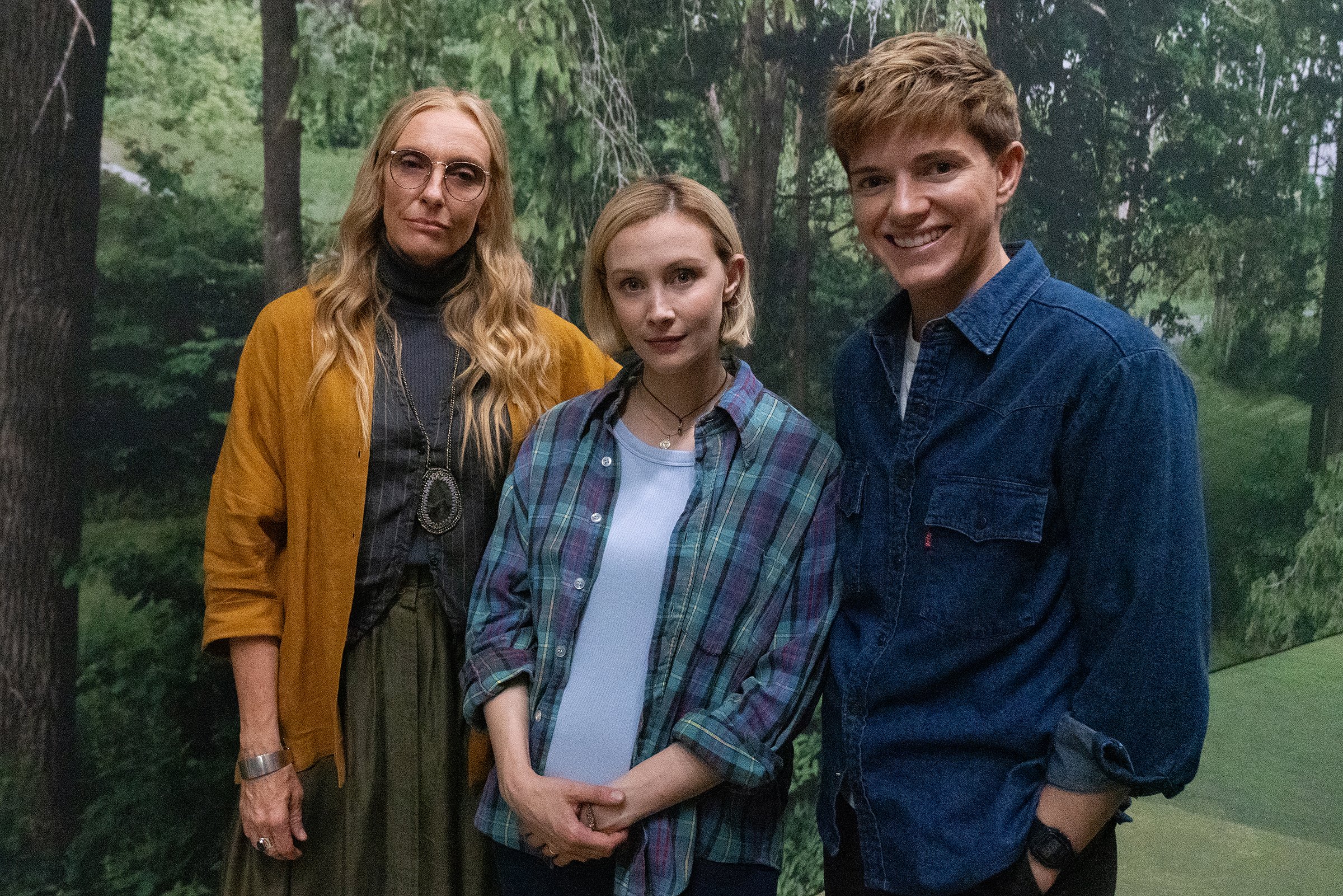
Mae Martin plays Alex Dempsey, whose arrival in the strange, isolated community at the heart of the series unlocks its mysteries. Opposite them, Toni Collette delivers a standout performance as Evelyn Wade, a figure equal parts charismatic and terrifying. Alyvia Alyn Lind emerges as one of the show’s biggest revelations, her portrayal of Leile balancing raw vulnerability with a quiet ferocity that deepens as the story unfolds. The young ensemble at the institution, each unsettling in different ways, rounds out the cast with performances that linger. Stacey, in particular, feels destined to become one of those iconic television characters people cannot stop dissecting.
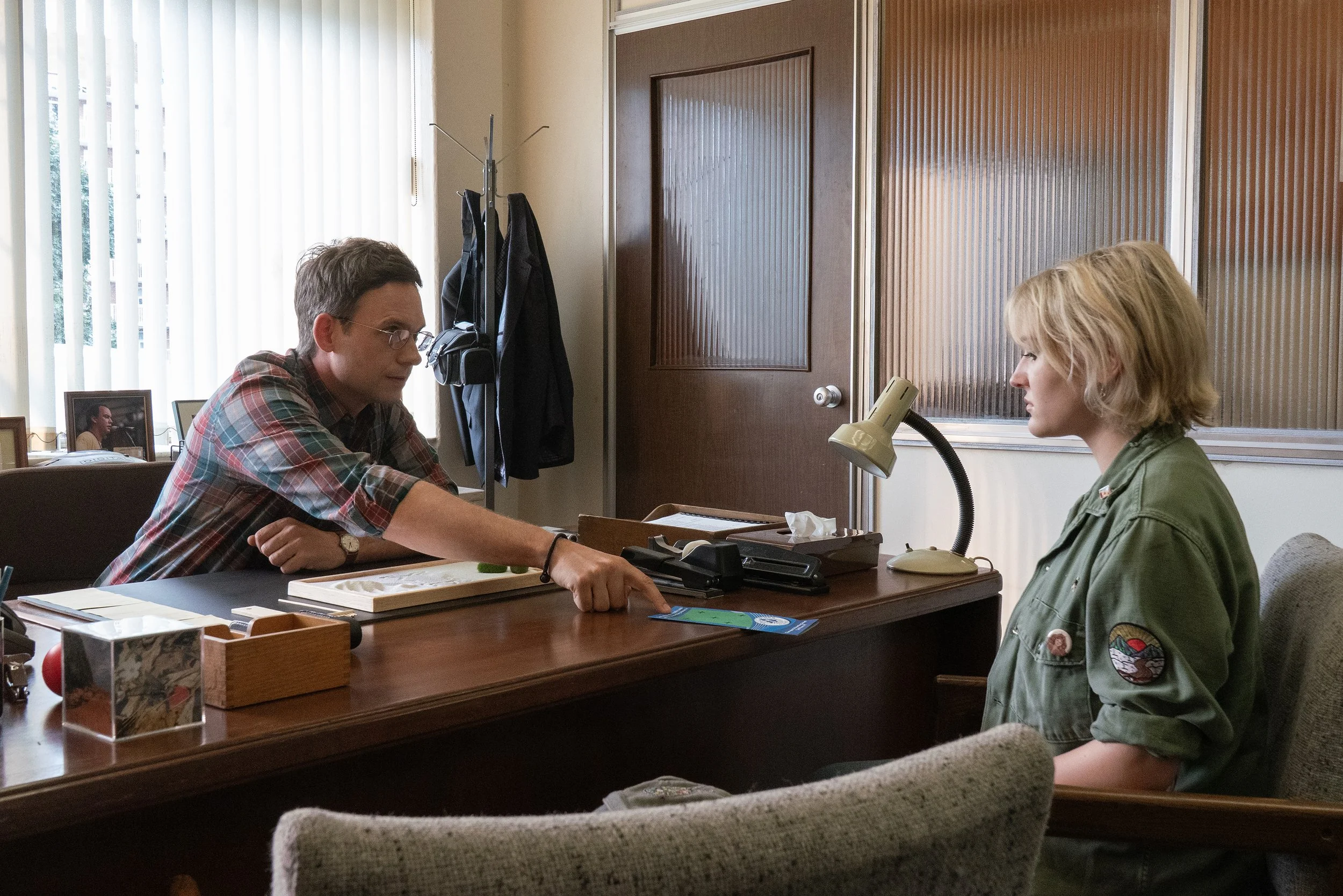
Thematically, the show has shades of Yellowjackets, Twin Peaks, and even Lord of the Flies. There are cult undercurrents, a strange academy with children who seem both innocent and menacing, and mysteries that stretch back decades. Surreal images, from doors in flooded rooms to ritual-like ceremonies, create a dreamlike logic that is deeply unnerving. Yet amid all the strangeness, the dialogue remains grounded, sharp, and startlingly human.
Each episode brings a new rhythm. Episode five leans almost anarchic, with the kids staging a rebellion to the sound of Deep Purple’s “Highway Star,” while later episodes move into flashbacks, generational clashes, and philosophical debates about the failures of parenting and the attempt to “fix” future generations. By the finale, with Metric and Pink Floyd anchoring key sequences, everything feels both epic and deeply personal.
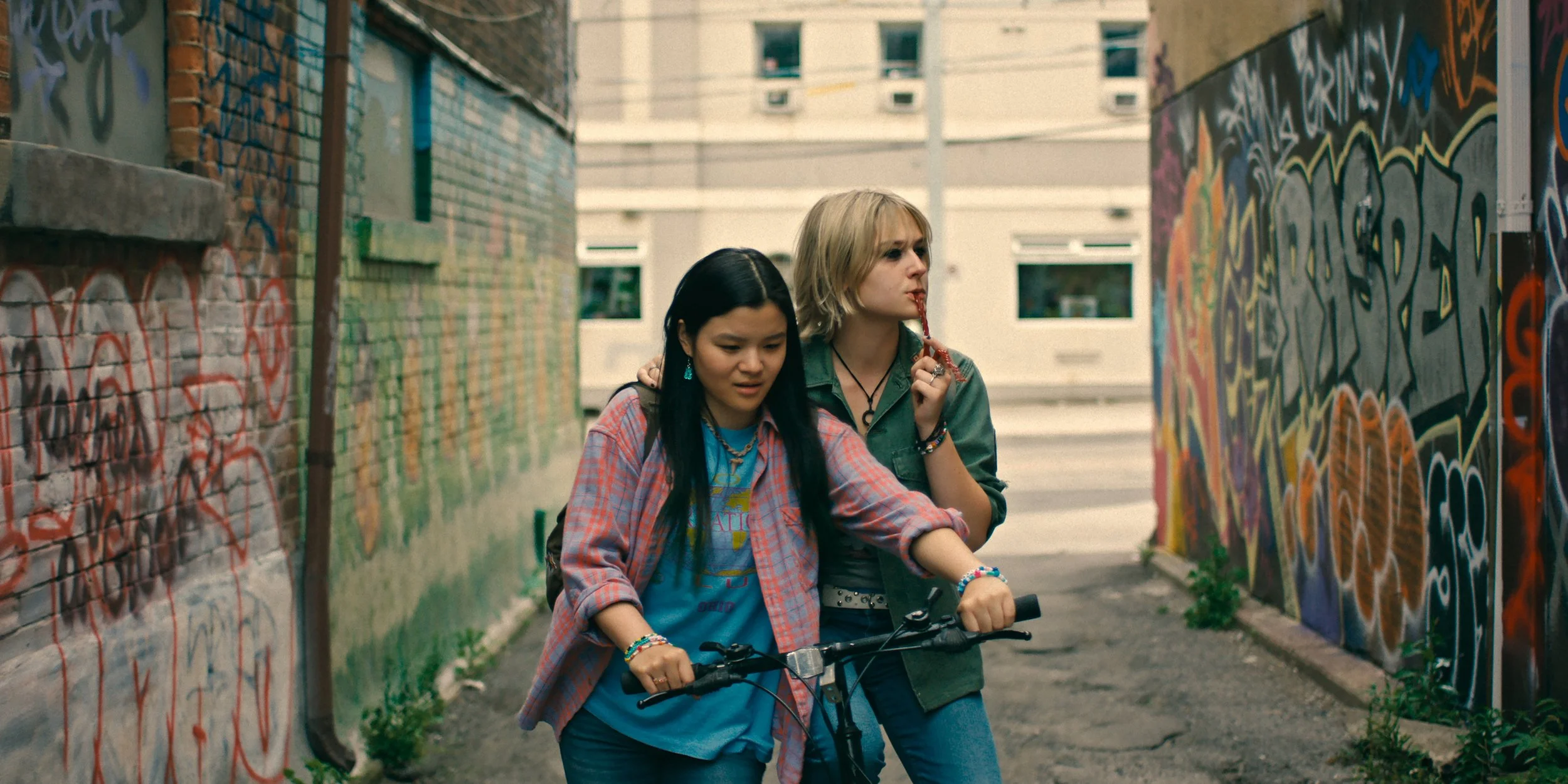
Not every moment works. Some middle episodes lose momentum, but the series rewards patience. The final two hours pull everything together in ways both shocking and strangely cathartic. The word “protector” becomes a loaded, heartbreaking concept that resonates well beyond the final scene.
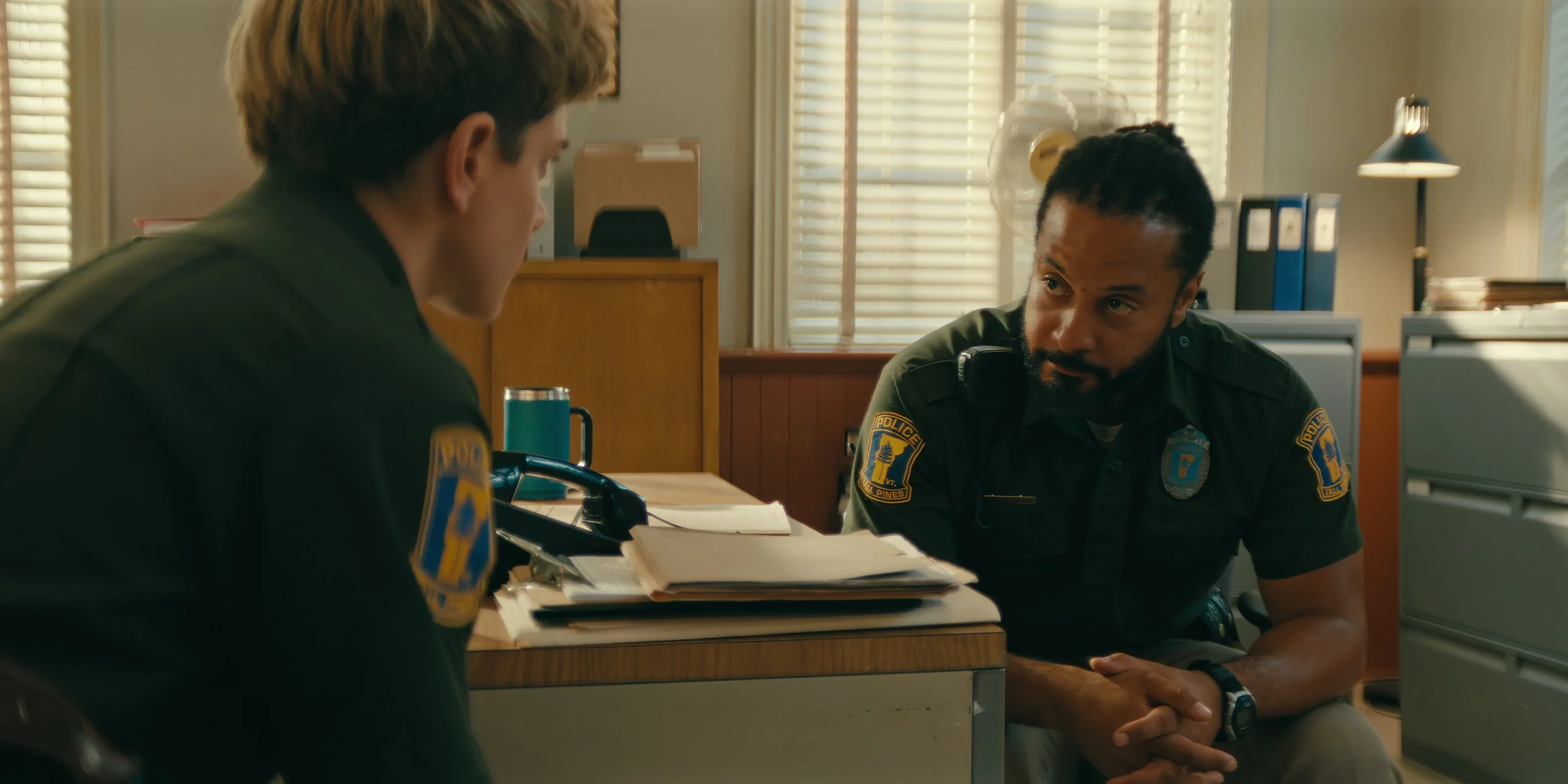
Wayward is bold television, strange and ambitious, willing to take risks that few series dare. It mixes tones, genres, and references that should not work together but somehow do. By the end of Season 1, the world feels fully realized, and the unanswered questions remain tantalizing.
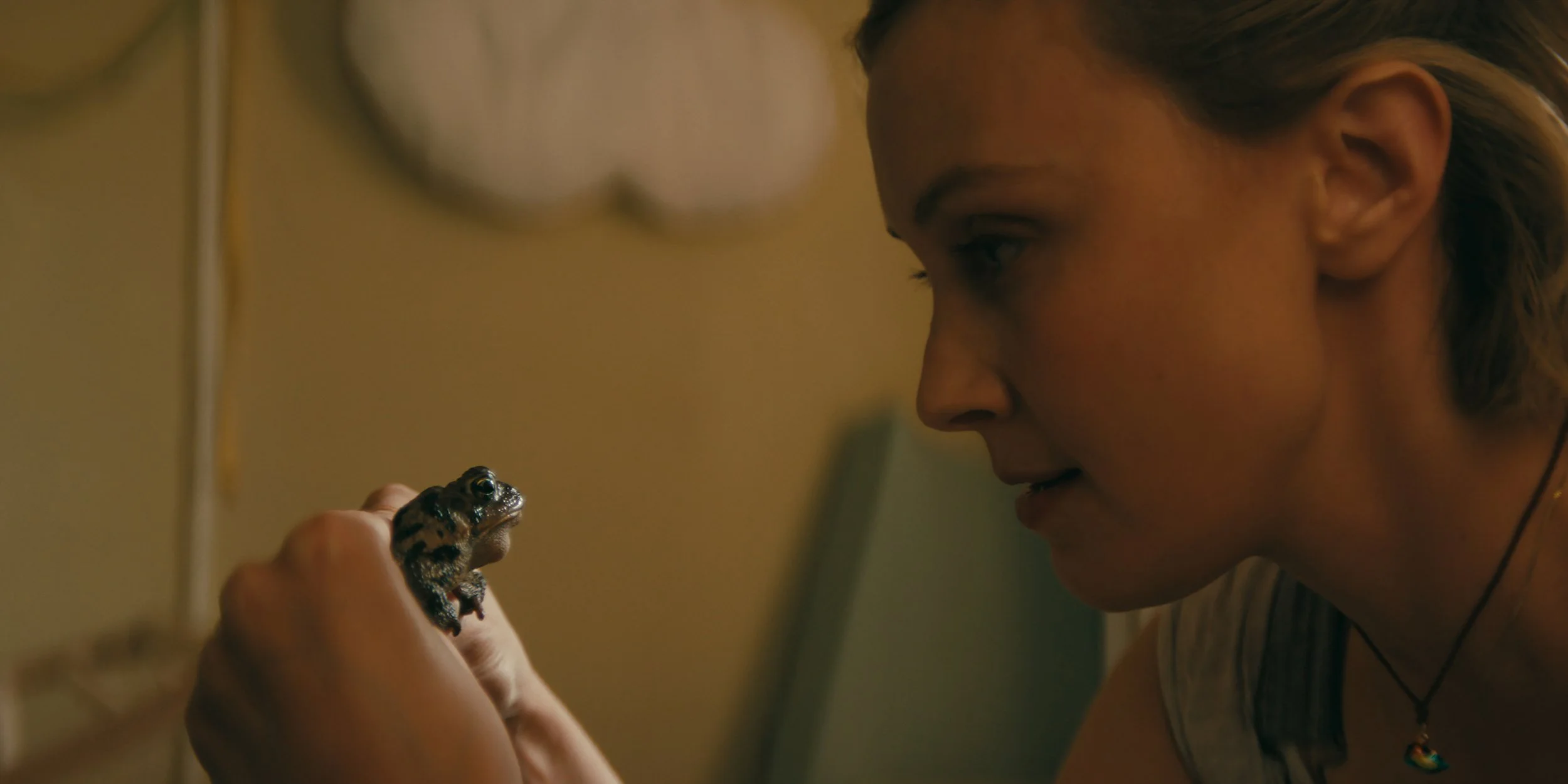
The reason this final stretch lands so hard is that Wayward does not simply ask viewers to solve a mystery. It asks them to sit with the weight of what it means to belong, to grow up, and to protect the people you love, even when the cost is unclear. That makes it more than a thriller. It is a story that blends the personal and the surreal until they are inseparable.
Jessie Hobson